
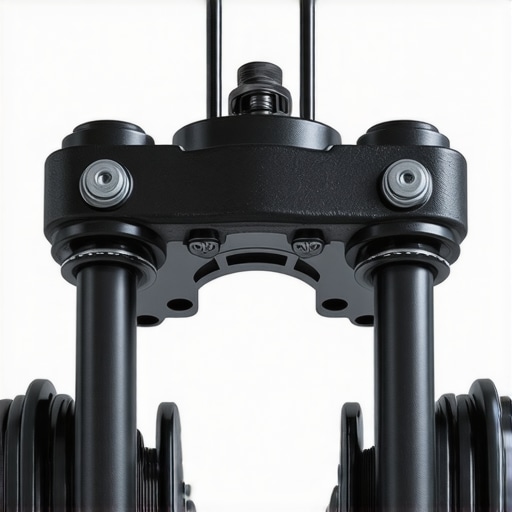
It was a chilly morning, and as I pulled out of my driveway, I felt it—a sudden, unsettling wobble with every bump. My first thought was, “Did I hit something?” But then I noticed the ride was rougher than usual, and I remembered the last time I ignored subtle signs of wear on my vehicle. That lightbulb moment hit me hard: I realized my shock absorbers might be leaking oil, and I didn’t even notice! If you’ve ever felt that sinking feeling after a bumpy ride or seen unexpected puddles under your car, you’re not alone. Many drivers overlook the early signs of shock absorber trouble, only to face costly repairs later.
Why Checking Your Shock Absorbers Early Matters
Your vehicle’s shock absorbers play a critical role in maintaining a smooth, safe ride. They absorb the impact of road imperfections, helping you stay in control and preventing excessive tire wear. When shocks start leaking oil, their ability to perform diminishes, leading to poor handling, increased stopping distances, and even damage to other suspension components. According to industry experts, small leaks can significantly compromise your safety—yet many drivers remain unaware until steering becomes erratic or the ride gets unbearable. From personal experience, neglecting these signs often results in more expensive repairs down the line. So, how do you tell if your shocks are leaking, and what can you do about it? That’s exactly what we’ll explore—because catching these signs early is the key to maintaining your vehicle’s health and your safety on the road.
Is It Really Worth the Effort to Check? The Honest Truth
Absolutely. I once dismissed a faint oil smell near my tires, thinking it was just a spillage. Turns out, I missed warning signs of leaking shocks, which led to a bumpy ride that soon turned into a costly suspension overhaul. Early detection isn’t just about avoiding repairs; it’s about keeping your car safe and comfortable. Don’t make the mistake I did—learn to spot these clues before they escalate. For more comprehensive guidance on auto maintenance, check out this detailed repair guide. Stay tuned, because I’ll walk you through simple steps you can take right now to identify leaking shocks—before they turn into a real headache.
Lift the Vehicle Safely and Prepare for Inspection
Start by parking your car on a flat surface and engaging the parking brake. Use wheel chocks on the tires that remain on the ground to prevent any accidental movement. If you have a hydraulic jack and jack stands, lift the vehicle at the manufacturer-recommended lifting points to gain easy access to the shock absorbers. Remember, safety first: always use jack stands; never rely solely on a hydraulic jack. I once attempted to quick-check my shocks with just the jack, which was risky; placing the car securely saved me from a potential fall and injury.
Identify Shock Absorber Locations and Examine Visually
Locate the shocks—they are typically mounted vertically between the suspension and the chassis, often near the wheels. Once positioned, examine the shock bodies for oil leakage, which appears as wetness or greasy smudges. Cracks or dents can also compromise shock integrity. Use a flashlight to illuminate dark areas for better visibility. During my own check, I noticed a ghostly sheen on one shock’s cylinder, indicating oil seepage—a clear sign of leak. For a detailed visual guide, check out this essential checklist.
Check for Leaking Oil and Damaged Boots
Look for oil stains around the seal area, as leaks often begin at the piston seal. The oil may have dried, leaving a crusty residue or a greasy film. Besides the body, inspect the rubber boots covering the shocks. Torn or cracked boots can allow dirt and moisture to cause internal damage, leading to leaks or failure. I once ignored a small tear in the boot, which, over time, led to dirt accumulation and accelerated shock wear. Replacing damaged boots can prolong shock lifespan and prevent leaks. To understand more about suspension components, visit this suspension guide.
Perform a Hand-Test for Stiffness
Gently press down on each corner of your vehicle to perform a bounce test. If the vehicle bounces more than once before settling, the shocks may be worn out. This simple test mimics the shock’s ability to absorb impacts. In my recent check, the front corner bounced twice, indicating I should consider replacing the shocks soon. Keep in mind, while this test doesn’t pinpoint leaks, it reveals worn shocks. For comprehensive diagnostics, consider visiting a professional, or learn more about vehicle health at transmission and suspension maintenance tips.
Assess Shock Mounts and Bushings
Finally, inspect the mounts and bushings attaching the shocks to the chassis. Look for rust, corrosion, or looseness. Worn mounts can cause noise and reduce shock effectiveness. If you notice any excessive play or corrosion, replace these components promptly. When I replaced my front mount, it improved ride stability noticeably. Ensuring all mounting hardware is tight and corrosion-free keeps your shocks functioning optimally. For detailed mounting and replacement procedures, refer to collision renewal strategies.When it comes to auto repairs, many drivers operate under common myths that can cost them dearly. For instance, the widespread belief that inspecting brake pads is a straightforward task often leads to neglecting subtle signs of wear. Actually, sometimes the most obvious signs, like squealing brakes, hint at deeper issues that only a seasoned mechanic can accurately diagnose. One trap I see many fall into is trusting quick-fix solutions over comprehensive service, which can cause long-term damage.
A frequently misunderstood aspect of car service involves the transmission system. Many assume that low transmission fluid alone indicates a problem, but the real issue might be internal wear or contamination. According to industry experts, such as those cited in advanced technical guides, overlooking symptoms like delayed shifts or unusual noises can escalate into costly repairs if not addressed promptly.
Have you ever wondered why your vehicle’s handling feels off despite regular maintenance? The answer often lies in the nuanced interplay of suspension components, alignment, and tire health—factors that often get sidelined during routine checks. Skilled technicians know that minor misalignments can cause uneven tire wear, impacting safety and fuel efficiency. Remember, routine inspections should include checking the integrity of suspension bushings and mounts, as neglect here can silently degrade vehicle performance.
Another advanced mistake pertains to collision renewal strategies. Many drivers focus solely on visible damage, ignoring underlying frame issues or sensor calibrations necessary after minor accidents. This oversight can compromise safety systems like adaptive cruise control or lane-keep assist. As highlighted in expert collision repair articles, such as those found at CollisionRenew, ensuring holistic repair schedules and detailed inspections safeguards your vehicle’s longevity and safety.
A critical area often misunderstood by car owners involves transmission repairs. While replacing fluid is essential, the more intricate roots of transmission failure—like internal valve body issues or worn clutches—require specialized diagnostics. Ignoring these nuances can lead to transmission failure within a few thousand miles after a seemingly simple repair. Want to learn more about preventing long-term transmission issues? Check out the top repair tips at CollisionRenew.
In summary, truly effective auto service and repair go beyond surface-level fixes. They demand a keen eye for detail and an understanding of the complex mechanics within modern vehicles. Remember that regular comprehensive inspections, addressing minor issues before they escalate, and trusting experienced professionals are your best strategies for maintaining vehicle reliability. Have you ever fallen into this trap? Let me know in the comments, and keep your car running safely and smoothly.
How do I maintain my vehicle’s performance over time?
Staying ahead in auto repair begins with investing in the right tools and adopting efficient methods. Personally, I swear by a high-quality hydraulic jack and a reliable set of torque wrenches. The hydraulic jack I use offers a stable lift, essential for safety when inspecting or repairing suspension components like shocks or transmission mounts. Pairing it with a set of torque wrenches ensures I tighten bolts to manufacturer specifications, which is crucial for safety and longevity. For diagnosing issues, I rely on an OBD-II scanner—not just any generic model, but one that provides real-time data and supports advanced diagnostics. I personally prefer the BlueDriver scan tool because of its comprehensive app interface and detailed error code descriptions. Regularly updating the device’s firmware helps keep diagnostics accurate, aligning with industry standards outlined in expert guides on transmission and auto repair.
Beyond tools, maintaining a detailed service log pays dividends over the years. This habit helps track maintenance intervals, identify recurring problems, and plan preventive actions. For example, when noticing early signs of worn bushings or developing leaks, I consult the latest comprehensive repair guides. This proactive approach can save you from costly collision renewal or transmission repairs later on.
Where is vehicle maintenance headed in the future?
Looking ahead, I believe the trend will shift towards more integrated diagnostic systems, combining AI-powered software with advanced sensors. This will facilitate predictive maintenance—detecting issues before they become critical. Already, some manufacturers incorporate telematics that monitor component health remotely. For instance, insights from industry leaders suggest that future auto repair tools will seamlessly interface with vehicle onboard computers, providing real-time analytics and personalized maintenance recommendations. Embracing these innovations means investing in tools like cloud-connected diagnostic platforms and learning how to interpret complex data streams now becomes essential for both hobbyists and professionals.
To keep your vehicle in top shape over the long term, I recommend trying out one of the advanced diagnostic techniques I mentioned. For example, regularly updating your scanner’s firmware and integrating it with your maintenance routine can greatly improve your ability to catch issues early. Doing so aligns with best practices advocated by seasoned mechanics and industry standards. Want to get started? Visit our contact page for advice on selecting the right diagnostic tools tailored for your vehicle.
The Lessons That Took Me Off Guard about Shock Maintenance
- One unexpected truth I uncovered is that sometimes, seemingly minor leaks can silently erode your vehicle’s handling quality, making timely inspections more crucial than I previously believed.
- Another surprising revelation was how replacing worn shock boots isn’t just about aesthetics; it can significantly prolong the lifespan of your shocks and save you money.
- I learned the hard way that ignoring small bounce tests might seem harmless, but they can hide the early signs of suspension fatigue, which, if neglected, lead to costly repairs.
- Finally, I’ve realized that understanding your vehicle’s suspension system deeply makes the difference between reactive repairs and proactive maintenance, keeping your drive smooth and safe long-term.
- Auto Repair Guides from CollisionRenew: Their comprehensive articles on suspension maintenance are invaluable, providing step-by-step insights that I trust to stay informed and vigilant.
- Reliable Diagnostic Tools: Investing in quality scan tools like BlueDriver has empowered me to detect issues early, aligning with industry standards and saving time and money.
- Professional Workshops and Training: Attending specialized courses has broadened my understanding, ensuring I approach shock care with confidence and technical precision.
- Community Support: Engaging with online forums and local enthusiasts offers practical tips and shared experiences, making auto maintenance less daunting and more collaborative.
My Top Picks for Keeping Your Shock Absorbers in Top Shape
Take Charge and Keep Rolling Smoothly
Every journey on the road is an opportunity to learn and improve. Whether you’re a seasoned driver or just starting, embracing these insights about shock absorber care will empower you to maintain your vehicle better and enjoy safer rides. Remember, proactive maintenance isn’t just about avoiding expensive repairs—it’s about safeguarding your safety and comfort every mile you travel. Don’t wait for warning signs to pop up; start inspecting and caring for your shocks today, and feel the difference it makes in your driving experience. Are you ready to implement these tips and take control of your vehicle’s health? Share your plans below and let’s keep the conversation rolling!