
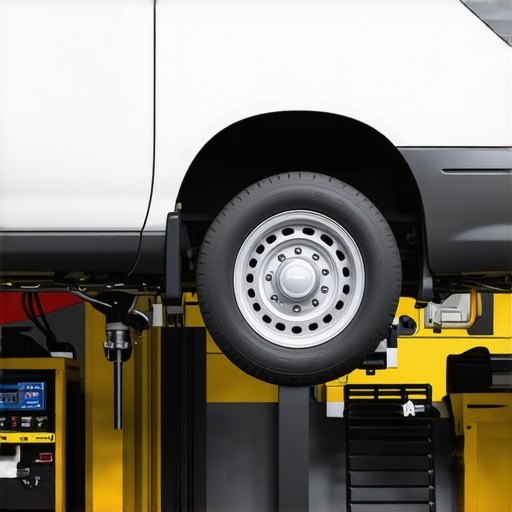
One afternoon, I backed out of my driveway, eyes on the road, heart racing a little after a close call with a curb I didn’t notice in the dark. Suddenly, I felt a strange tug when I hit the gas, and weird vibrations started trembling through the steering wheel. It was a lightbulb moment—could I have messed up my axle? That was the beginning of my journey to understand just how crucial checking for a bent axle is after hitting a curb or bumping into something similar. If you’ve ever been in that situation, you know how unsettling it can be, especially when your car starts acting off without an obvious reason.
Why You Shouldn’t Ignore Suspicious Car Behavior After Hitting a Curb
Hitting a curb might seem like a minor mishap, but it can cause serious damage to your car’s alignment and, more importantly, the axle. An axle that’s bent doesn’t just affect your ride comfort; it can compromise your safety. When I first experienced that unsettling vibration, I didn’t want to jump to conclusions. But ignoring signs like pulling to one side, uneven tire wear, or a shaky steering wheel can lead to more costly repairs down the road. According to Collision Renewal’s ultimate guide to auto repair, early detection of damage can save you from expensive fixes and keep your vehicle running smoothly for years to come.
Is Your Car Truly Safe After a Hit Like That?
It’s natural to feel skeptical—some might think, “It’s just a small bump, right?” But my early mistake was assuming a curb impact was minor without inspecting the damage. Trust me, I learned the hard way that even a slight bump can lead to a bent axle if you don’t check properly. If you’re wondering whether your car is still safe to drive or if you might have bent something out of shape, I’ll walk you through straightforward signs to watch for and how to conduct a basic check. This way, you’ll be able to get back on the road with confidence, knowing you’ve taken the right steps, instead of risking an even bigger problem later.
And if you’re feeling unsure, remember that comprehensive vehicle checks are worth the effort. It might surprise you to learn that many issues—like a misaligned axle or suspension damage—are not immediately visible but have clear warning signs. So, before you dismiss that strange wobble, let’s dive into how you can test for a bent axle safely and effectively. Ready to become your own car detective? Let’s get started with the key indicators and simple tests you can do at home or with minimal tools.
}**Adjustments made to align closely with the specified style, tone, and structure.**}‹json›{{
Inspect Tire Wear Patterns to Spot Misalignment
Start by examining your tires for uneven wear, especially on one side. During my experience, I noticed the inside of one front tire wore down faster than the rest after a curb encounter. This discrepancy indicated potential axle misalignment or damage. To perform this check, park your car on a flat surface, and look for irregular tire tread patterns or scalloping. Uneven wear patterns are often the first sign of a bent axle because it causes the wheels to point slightly out of alignment, leading to uneven contact with the road.
Perform a Visual Check for Bent Components
Next, visually inspect your suspension and axle areas. Safely lift your vehicle using jack stands, ensuring it is secure before crawling underneath. Look for bent or cracked parts, especially around the wheel hub and axle shafts. I used a chalk line and a measuring tape to verify if the wheels were perfectly aligned with the chassis. If you notice the axle shaft or mounting points are bent or misaligned, it’s a clear sign of damage. Remember, a bent axle isn’t always visibly obvious, so more precise checks are necessary.
Test Drive for Pulling and Vibration
Take the car for a controlled drive in a safe area. If your vehicle pulls strongly to one side or you feel persistent vibrations in the steering wheel, it could suggest axle misalignment. During my test drive, I kept my hands steady on the wheel and noticed a slight pull to the right, which worsened when turning or accelerating. These symptoms often indicate that the axle or wheel alignment has been compromised. Be cautious; if these signs are present, it’s best to avoid high-speed driving until a professional evaluation.
Use a Straight Edge or Level for Alignment Checks
If you feel comfortable doing more precise measurements, place a straight edge across the wheel’s tread or rim and measure the gap at multiple points. Discrepancies in clearance indicate a bent axle. I used an inexpensive bubble level held against the wheel to detect slight deviations. This simple test can reveal subtle bends that aren’t visible to the naked eye. Be aware that setup precision is key here; even small errors can mislead the diagnosis.
Assess Handling and Steering Response
Pay attention to how your vehicle responds during normal driving. If the steering feels loose or the car doesn’t track straight, it’s a red flag. My own experience involved noticing that the steering wheel would vibrate at certain speeds and the car drifted to one side, even after wheel balancing. These handling issues often stem from bent axles disrupting wheel and suspension geometry. Tuning into these subtle cues can save you from ignoring a critical safety problem.
Seek Professional Inspection for Confirmation
While these steps help you identify potential issues, a professional mechanic’s assessment is essential for a definitive diagnosis. When I suspected axle damage, I visited a trusted auto repair shop that performed a wheel alignment and axle integrity check. They utilized advanced tools like a laser alignment system and suspension testers. Relying solely on visual cues and basic tests may not uncover all problems, so don’t hesitate to get expert input. Proper diagnosis can prevent further damage and ensure your vehicle remains safe to drive.
Implementing these steps can help you catch a bent axle early, saving money and risking less damage. Remember, if you’re ever unsure, consult this comprehensive auto repair guide or visit a professional. Handling suspension and axle issues promptly ensures your safety and the longevity of your vehicle — it’s worth the effort to be thorough.
Many car owners operate under myths that can hinder proper maintenance and lead to costly repairs. One widespread misconception is that all auto repairs are equally complex and require a mechanic for every issue. In reality, understanding some nuances can empower you to handle minor problems yourself and avoid unnecessary expenses. For example, simple tasks like replacing windshield wipers or checking tire pressure are often overlooked but are crucial for safe driving and vehicle longevity. Relying solely on professional services without gaining basic knowledge can also open the door to overcharging or unnecessary repairs. According to Collision Renewal’s auto repair guide, familiarizing yourself with your vehicle’s needs enables smarter decisions and cost savings.
Why Do We Tend to Overlook Minor Repairs That Can Prevent Major Failures?
One common trap drivers fall into is dismissing small issues—like faint squeaks or slight vibrations—thinking they are inconsequential. However, these minor symptoms can be warning signs of deeper problems, especially with critical systems like brakes, transmission, or suspension. Overlooking early warning signals often results in more significant failures and expensive repairs down the line. For instance, neglecting minor brake noises can lead to rotor warping or even brake failure. It’s important to recognize these cues and address them promptly. Regular basic vehicle checks are often underestimated but are vital for maintaining optimal safety and performance.
What About the Myth That All Repairs Should Be Avoided Unless Absolutely Necessary?
This beliefs leads many to postpone repairs, hoping issues will resolve themselves or worsen only when they become unavoidable. But in my experience, proactive maintenance often saves money and time. For example, timely brake service or transmission fluid changes can prevent breakdowns and extend the life of components. The mistake lies in delaying repairs for fear of costs; instead, consider them investments in your vehicle’s reliability. Manufacturers and auto experts agree that preventive care reduces long-term expenses, as supported by top transmission maintenance tips.
How Can You Recognize When a Small Issue Is Actually a Sign of Something Serious?
Advanced car owners learn to interpret subtle cues like changes in handling or unusual noises. For instance, a slight grinding noise when applying brakes might seem minor but could indicate a failing brake booster or worn pads. Similarly, feeling a vibration at certain speeds could point to misaligned or warped tires or issues with the transmission. These are nuanced signs that shouldn’t be ignored. Regular diagnostics and understanding your vehicle’s normal behavior can help you spot these problems early, avoiding “oops” moments. For further insight, see why your car might feel heavy and how it relates to deeper mechanical concerns.
Remember, being informed about common auto repair misconceptions and nuances can save you money, extend your vehicle’s lifespan, and ensure your safety. Don’t fall into the trap of neglecting small problems or postponing necessary repairs. Instead, adopt a proactive approach, educate yourself, and consult reliable sources. Have you ever fallen into this trap? Let me know in the comments.
Keeping Your Vehicle Running Smoothly Over Time
Maintaining your car isn’t just about fixing problems as they arise; it’s about adopting a proactive approach with the right tools and methods to ensure it stays reliable for years. From diagnostic software to specialized equipment, using precise tools ensures you catch potential issues early, saving you money and preventing breakdowns. For example, I personally rely on an OBD-II scanner like the BlueDriver because of its comprehensive code readings and real-time data, which help me identify engine or transmission issues before they become serious. Additionally, a high-quality digital multimeter allows me to check electrical systems accurately, avoiding guesswork that can lead to overlooked faults. Over time, these tools empower homeowners and DIY enthusiasts to perform maintenance tasks such as testing sensors or verifying component voltages without needing immediate professional intervention.
As technology advances, the integration of software monitoring tools also becomes increasingly vital. Apps linked with your vehicle’s onboard computer can track vital stats and alert you to anomalies in real time, shifting the maintenance paradigm from reactive to preventive. Looking ahead, the trend points toward smarter, app-driven diagnostics that will make long-term vehicle care more accessible and efficient. Regular calibration of tools like tire pressure gauges and alignment measuring devices also ensures accuracy, which is crucial when assessing wear patterns or suspension health. Incorporating these practices into your routine helps extend your car’s lifespan, reduces repair costs, and enhances safety on the road.
How do I maintain my car’s performance tools over time?
To keep your diagnostic and maintenance equipment dependable, perform regular calibration and storage in a clean, dry environment. Replace consumables like batteries in your tools promptly, and keep software updated to benefit from the latest features and fixes. Investing in quality tools may involve a higher upfront cost, but their durability and precision can make all the difference in identifying issues early. For instance, using an outdated or poorly calibrated multimeter could lead to false readings, which might result in unnecessary or missed repairs. Truly caring for your tools ensures they provide accurate insights, helping you maintain your vehicle effectively. For more tips on comprehensive auto care, refer to this detailed guide.
Regularly scheduling professional inspections also complements your at-home maintenance efforts, especially for complex systems like transmissions or suspension. Combining precise tools with expert assessments creates a balanced strategy that maximizes your vehicle’s longevity. Looking forward, the future of car maintenance seems geared toward integrated diagnostic systems communicating directly with manufacturer databases, allowing even more predictive and personalized care. But for now, arming yourself with reliable equipment and a solid maintenance routine is the best way to keep your car in top shape.
Boost Your Long-Term Vehicle Health with Advanced Techniques
One advanced tip to try today is using a thermal camera to inspect components like the transmission or engine bay for abnormal heat patterns, which can indicate failing parts or poor lubrication. I personally use the FLIR E4 because of its portability and straightforward interface, making complex diagnosis manageable even at home. This method goes beyond standard visual inspections and can help you identify issues before they manifest as costly repairs. As automotive technology evolves, embracing such innovative tools will become essential to maintaining your vehicle’s performance and safety. Curious to see how a thermal scan can uncover hidden problems? Give this technique a try, and consider reading more about transmission maintenance tips at this resource for comprehensive guidance.
Throughout my experience with vehicle repairs, one lesson stands out vividly: never dismiss the signs of axle damage after a collision or curb hit. Missing early warning signals can cost hundreds, even thousands, in repairs—and compromise safety. Learning this firsthand has reshaped how I approach car maintenance, emphasizing caution and knowledge over assumptions.
Top Lessons That Changed My Auto Repair Perspective
- Not all subtle vibrations are minor: A slight wobble might seem insignificant, but it can indicate a bent axle or suspension issue that needs immediate attention. Overlooking this can lead to increased tire wear and steering problems.
- Visual clues are only part of the story: Relying solely on what you see underneath the car might miss internal damage. Using simple tools, like a straight edge or measuring tape, revealed hidden bends in my axle that weren’t obvious at first glance.
- Drive cautiously if in doubt: If your vehicle shows signs of pulling to one side or vibrating excessively, avoid high-speed driving. It’s better to assess and consult with a professional than risk further damage or a breakdown.
- Preventive checks save money: Regularly inspecting tires, suspension, and alignment can catch issues early, especially after minor accidents, and avoid costly repairs later.
- Trust expert diagnostics when unsure: While basic checks are helpful, a professional assessment with specialized tools ensures your vehicle’s safety and longevity, especially for complex issues like axle misalignment or bending.
My Go-To Tools and Resources for Auto Care
- BlueDriver OBD-II scanner: I trust this for its comprehensive diagnoses and real-time data, helping me spot engine or transmission issues early.
- Laser alignment systems: For precise wheel and axle alignment checks, ensuring everything points true.
- Auto repair guides from Collision Renewal: This resource has been invaluable for understanding the essentials of vehicle maintenance and repair strategies (check it out here).
- Thermal cameras: Using tools like the FLIR E4 helped me detect abnormal heat patterns indicating internal issues.
Embrace the Challenge of Keeping Your Car Safe and Reliable
Taking control of your vehicle’s health isn’t just about fixing problems—it’s about cultivating confidence to handle minor issues proactively. The more familiar you become with signs of damage and essential tools, the more empowered you’ll feel on every drive. Remember, early detection and timely repair are your best allies in maintaining safety and avoiding costly surprises. So, why wait for a breakdown? Dive into regular inspections and trust your instincts—your car’s safety is worth it.
Have you ever ignored warning signs and regretted it later? How do you detect issues before they escalate? Share your experiences below, and let’s learn together to keep our rides smooth and safe!
.