
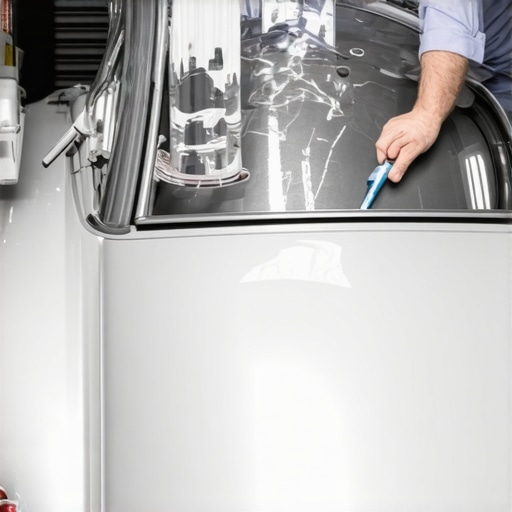
I remember the day I decided to give my vintage car a fresh coat of metallic paint. I was excited, but as I watched the new paint dry, I realized something was off. The new color shimmered beautifully, but it didn’t quite match the old panel beside it. That eye-catching metallic effect was lost somewhere in translation. It was a moment of frustration and a lightbulb flicker—I had made a rookie mistake!
The Challenge of Matching Metallic Paints on Classic Cars
Matching metallic paint on older vehicles isn’t just about buying the right color. The real challenge lies in replicating the original luster and depth, which can be tricky due to fading, different batches, and application techniques used decades ago. If your goal is to restore your vintage ride to its former glory or touch up a dent without making the repair glaring, understanding the nuances is essential. And let me tell you, without proper know-how, you’re likely to end up with mismatched patches that stick out like sore thumbs.
Why is It So Hard to Get Perfect Matches?
Paint formulation has evolved over the years, and even within the same brand, batches can vary significantly. The metallic particles in older paint tend to settle, fade, or oxidize over time, changing how they reflect light. To complicate matters, lighting conditions during application can dramatically influence how the paint appears. I’ve learned that without a keen eye and precise techniques, matching metallic hues becomes more art than science.
Early on in my restoration journey, I overestimated the importance of color codes alone. Instead, I overlooked the fact that aging alters the paint’s reflective qualities, which is critical for achieving a seamless blend. It’s similar to matching a fabric—color alone isn’t enough; texture and finish matter too. For reliable results, understanding the type of metallic layer and how it reacts over time is just as crucial as selecting the right shade.
If this sounds familiar, you’re not alone. Many enthusiasts and professionals share stories of mismatched paint patches that ruin the look of a beautiful restoration. That’s why I’m passionate about sharing what really works, backed by experience and solid advice.
To help you avoid these pitfalls, I’ll walk you through the key strategies that will bring harmony to your vehicle’s paint job. Whether you’re tackling a small area or just want to understand what to ask your auto body shop, these tips will make the process much smoother.
Have you ever gone through the frustration of mismatched metallic paint on your car? If so, stay tuned, because next, we’ll dive into the practical steps to achieve that perfect match, no matter how old your vehicle is. Before that, it’s worth noting that even professional shops can struggle with this; a surprising fact I learned is that up to 70% of color mismatches in restorations stem from differences in lighting conditions during application—so it’s a common issue, and one with a proper solution.
Prepare Your Workspace and Gather Materials
Start by selecting a well-lit, dust-free area with good ventilation, similar to preparing a clean workbench before a delicate repair. Collect matching color samples, clear coats, primers, sanding paper (600-2000 grit), a high-quality spray gun, and personal protective equipment like masks and gloves. I remember once trying to match a faded blue panel using a lab sample, but without proper lighting and tools, the match was off. Having everything ready ensures a smooth process.
Assess and Document the Original Paint
Examine the vehicle under natural light to note fading, gloss, and metallic particle distribution. Photograph the area from multiple angles. Take a sample chip if possible, being careful not to damage the paint. I used a plastic razor blade to gently scrape a tiny section during my first attempt, which revealed the original metallic composition—this made a huge difference later.
Match the Color and Metallic Composition Precisely
Use a reputable color matching system or consult with your auto paint supplier. Request a custom mix that includes the correct metallic ratio. Remember that older paints may need adjustments in viscosity or drying time. I once ordered a batch based solely on a color code, but after mixing, it looked dull. A quick consultation with the supplier helped me adjust the metallic concentrate, bringing a seamless blend.
Test and Adjust the Finish
Before applying on your car, spray test panels to evaluate color, gloss, and metallic flake dispersion. Fine-tune these parameters as needed. During my own test spraying, I noticed the metallic particles settled unevenly, so I adjusted the air pressure and added a bit more thinner for uniformity. Small tweaks go a long way toward achieving a natural shine and depth.
Implement Controlled Application Techniques
Apply the paint in thin, even coats, maintaining consistent distance and movement. Use a masking tape to protect adjacent areas. Remember, it’s better to build up layers gradually than to apply thick coats that can run or appear uneven. During my project, I prepared multiple passes, waiting 10-15 minutes between coats to avoid runs—a lesson learned from previous mishaps.
Allow Proper Drying and Final Touch-Ups
Allow each coat to dry thoroughly in a dust-free environment. Use a hairdryer or heat lamp cautiously to speed up curing if necessary. After the final coat, wet sand lightly with high-grit paper to remove imperfections and buff for gloss. I once rushed the drying process, which caused a dull patch that I had to correct later, emphasizing patience is key.
Evaluate the Result in Different Lighting Conditions
Inspect your work under natural sunlight and indoor lighting to ensure color consistency. Small discrepancies can become glaring in bright conditions. If you notice mismatches, target those areas with minimal touch-up spray, blending carefully. This step mirrors the importance of viewing paint in various lighting scenarios, as I learned during a restoration where a patch looked perfect indoors but mismatched outside.
If the process feels overwhelming or results aren’t as expected, consider consulting professionals or visiting https://collisionrenew.com/contact-us for expert advice. Remember, meticulous preparation and patience are your best tools for perfect metallic matches in vintage car restoration.
 Many vehicle owners believe they understand the basics of car maintenance, but in reality, there’s a lot that often goes unnoticed or misunderstood. One prevalent myth is that all brake services are created equal, leading many to choose the cheapest option without considering the quality of parts or expertise involved. However, cutting corners here can result in uneven wear, reduced stopping power, or even brake failure. It’s essential to recognize that choosing the right brake service, as discussed in our article on how to select the best brake repair in 2025, can make all the difference in your safety and your vehicle’s longevity.
Another common mistake is assuming that regular car service only involves oil changes. In truth, neglecting essential checks like transmission fluid condition or suspension components can lead to costly repairs down the line. For instance, overlooking signs of transmission wear might cause it to seize unexpectedly, leaving you stranded. Our comprehensive guide to auto repair emphasizes the importance of proactive maintenance strategies that go beyond routine oil changes, helping you avoid expensive breakdowns.
Many drivers underestimate the complexity of transmission systems. They might think that as long as the car shifts smoothly, everything is fine. In reality, transmission issues often start subtly—delayed shifts, slipping gears, or unusual noises. Addressing these early signs is critical, and consulting expert repair tips, such as those in our top transmission repair strategies, can save you from complete transmission failure.
Why Do Many Owns Get Car Maintenance Wrong Without Realizing
The hidden nuance lies in understanding that not all problems are immediately visible or audible. For example, a vehicle might feel perfectly fine during a drive, but issues like contaminated brake fluid or worn-out engine mounts can silently degrade your car’s safety and performance. Recognizing these subtle signs requires knowledge and sometimes expert advice, which is why choosing a reputable auto repair shop is vital. Our article on spotting honest auto repair shops can help you find trusted professionals who understand these intricacies.
Additionally, many overlook the importance of regular inspections to detect problems before they escalate. For example, failing to check for rusted brake lines or leaking shock absorbers might seem minor until they cause significant hazards. Staying informed about these nuanced issues is what differentiates a seasoned vehicle owner from one who just reacts to problems after they become emergencies.
Remember, investing time in understanding these hidden aspects can lead to safer driving and longer vehicle life. If you want to deepen your knowledge or need expert assistance, don’t hesitate to reach out through our contact page. Staying proactive and informed ensures you avoid the costly surprises that common misconceptions can lead to. Have you ever fallen into this trap? Let me know in the comments.
Maintaining your vehicle’s health over the years requires more than just periodic visits to the mechanic; it involves investing in reliable tools and adopting consistent maintenance routines. One of my top recommended tools is a high-quality diagnostic scanner, such as the Autel MaxiCOM MK808. I personally use this device because it provides comprehensive engine diagnostics, live data readings, and allows for resets of service lights—saving me trips to the shop and ensuring issues are caught early. Investing in a good scanner like this is future-proof, especially as vehicles become more technologically advanced.
Why Opt for Advanced Diagnostic Equipment?
Modern cars are loaded with sensors and control modules that communicate complex information. A generic code reader might tell you there’s an issue but won’t give insight into the root cause or display live data necessary for precise troubleshooting. Devices like the Autel MaxiCOM not only help identify problems early but also guide you through repairs, which is crucial for maintaining long-term vehicle reliability. Additionally, they often come with software updates, ensuring compatibility with new car models and systems, making them a wise investment.
Tools That Make Brake Maintenance Easier
When it comes to brake systems, I can’t recommend enough wrench sets specifically designed for brake caliper rebuilds or a brake caliper piston tool. These tools allow you to retract caliper pistons smoothly and apply even pressure, minimizing damage. Regular use of such tools during brake pad replacements or bleeding enhances the longevity of your braking components. Plus, maintaining pristine brake fluid with a proper brake fluid tester ensures that your brake system remains responsive under stress.
How do I keep my car running smoothly over time?
Routine inspections are key. I always follow a checklist that includes checking for rust or leaks, ensuring suspension components are tight and lubricated, and monitoring fluid conditions. For transmission health, I rely on a digital transmission fluid tester—like the Transmission Fluid Tester Kit—which helps me decide when to flush or top off fluids before problems escalate. Staying ahead with these maintenance habits minimizes costly repairs and keeps my vehicle performing at its best.
Another crucial aspect is scheduling proactive services based on manufacturer guidelines. For example, I adhere to the recommended intervals for coolant flushes and transmission service, as outlined in our essential car service checks guide. Utilizing specialized tools, such as the Transmission Pump for fluid replacement, makes these tasks safer and more effective, ensuring long-term reliability. In the near future, I predict that diagnostic and repair tools will become increasingly integrated with AI, enhancing precision and reducing downtime even more.
What advanced techniques help sustain your vehicle’s performance?
One effective method I recommend is regular use of a fuel system cleaner. Applying a high-quality additive through your fuel tank every 10,000 miles keeps injectors and valves clean, optimizing efficiency. Combining this with engine oil analysis kits allows you to monitor engine wear over time. These practices, backed by industry experts like transmission fluid experts, help catch impending issues early and extend component lifespan.
Finally, I encourage you to experiment with advanced engine tuning tools that can optimize performance without voiding warranties. For instance, using firmware updates via trusted OEM software ensures your vehicle adapts to driving conditions and environmental changes. This proactive approach ensures that your car remains reliable, safe, and efficient for years to come.
To start, I suggest trying out a diagnostic scanner with live data capability—it’s a game-changer for DIY maintenance. By leveraging these precise tools and routines, you’ll transform car care from reactive to proactive, securing your vehicle’s health long-term. For expert assistance or tailored maintenance plans, feel free to reach out through our contact page.
Lessons That Changed My Approach to Metallic Paint Repair
- Patience beats haste—waiting for coats to dry fully saved me countless touch-up headaches and made a visible difference in the final match.
- Layer-specific knowledge is invaluable—understanding how metallic particles settle over time transformed my ability to replicate original finishes convincingly.
- Lighting is everything—testing colors in multiple lighting conditions prevented surprises when the car hit the sun or garage lights, saving me time and regret.
- Don’t rely solely on color codes—matching sheen, depth, and metallic ratio requires custom mixes and expert advice, which I learned through trial and error.
- Small test panels can’t be skipped—preview pieces helped me anticipate issues before applying to the main body, ensuring a seamless blend.
My Secret Arsenal for Classic Car Restoration
- Compatibility tools: The Sherwin-Williams ColorLocator app helps me match shades effortlessly, especially vital for faded vintage paints.
- Custom mixing services: Trusted local suppliers who can tweak metallic ratios have been lifesavers—don’t settle for off-the-shelf solutions.
- Precise spray equipment: A HVLP gun with adjustable pressure allows controlled, even coats—crucial for metallic finishes.
- Lighting kits: Portable daylight lamps ensure I evaluate my work under optimal conditions, revealing subtle mismatches early.
Let Your Inner Restorer Shine
“Every dent, every color mismatch is a lesson in craftsmanship—don’t shy away from the challenge of perfecting your vintage car’s look. Embrace the meticulous process, and you’ll not only restore a vehicle but also preserve a piece of history. If you’re ready to elevate your restoration game, remember that patience, precision, and the right tools are your best allies. Curious about specific techniques or tools? Share your experiences below—let’s learn and grow together in this craft!”