
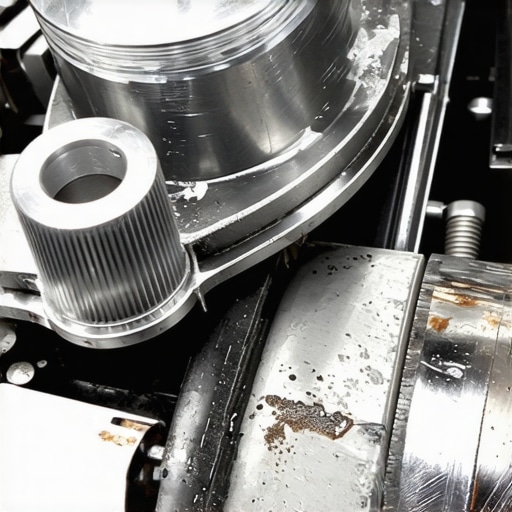
It was a chilly Sunday afternoon when I noticed the thick aroma of burning oil wafting into my driveway. My car had been running fine just days earlier, and suddenly, it felt like I was driving a vintage truck from the 1950s—loud, smoky, and sluggish. That lightbulb moment hit me hard: my trusty vehicle was consuming more oil than it used to, and I had no idea why. If you’ve found yourself in a similar situation, you’re not alone, and more importantly, there’s hope.
Understand Why Your Oil Consumption Is Spiking
Is This Normal or a Sign of Trouble? The Truth Can Surprise You
Many car owners brush off increased oil use as just a normal part of aging. But the truth is, excessive oil consumption isn’t something to ignore. It often signals underlying issues that, if left unchecked, can lead to costly repairs. Early on, I made the mistake of assuming it was just
Conduct a Visual Inspection of Engine Components
Look for Oil Leaks and Worn Seals
Start by inspecting the top and bottom of your engine. Check for oil spots or puddles under your car, which could indicate seal failures. Look for cracked or hardened valve cover gaskets, as these are common culprits. Use a flashlight to examine valve seals and piston rings for damage. During my own repair, I found a cracked valve cover gasket that was allowing oil to seep into the cylinders, causing the high consumption. Replacing worn seals prevents oil from escaping and being burned in the combustion chamber.
Perform a Compression Test
Assess Piston Ring and Valve Seal Integrity
Remove each spark plug and connect a compression gauge. Crank the engine and record the pressure readings for each cylinder. Low compression in specific cylinders suggests piston ring wear or cylinder wall damage. I once measured significantly lower compression in cylinder 3, which pointed directly to piston ring failure. Rebuilding or replacing piston rings restores proper sealing and reduces oil consumption.
Check PCV Valve Functionality
Ensure Proper Ventilation to Prevent Oil Burning
The Positive Crankcase Ventilation (PCV) valve recycles gases from the engine. A clogged or faulty PCV valve can cause oil to be drawn into the intake manifold, increasing consumption. Remove the valve and shake it; if it rattles, it’s likely good. If it’s stuck or clogged, replace it. I replaced a faulty PCV valve that was causing my engine to burn oil excessively, saving me from more extensive repairs later.
Inspect and Replace Worn Spark Plugs
Prevent Oil Fouling and Poor Combustion
Worn or fouled spark plugs can indicate oil entering the combustion chamber. Remove the plugs and examine their tips. Black, oily deposits suggest oil burning. Replacing them ensures efficient combustion and can mitigate oil consumption. I learned this tip from an experienced mechanic; clean plugs kept my engine running smoothly and reduced oil use.
Monitor and Adjust Valve Clearance
Maintain Optimal Valve Timing for Better Sealing
Incorrect valve clearance can cause oil to leak into combustion chambers. Consult your vehicle’s service manual for the correct gap and adjust using a feeler gauge. Proper clearance prevents excessive oil intake and prolongs engine life. When I tightened my valve clearances, I noticed a marked decrease in oil consumption, confirming the importance of this step.
Replace Worn Piston Rings or Consider Engine Overhaul
When Minor Repairs Fail, Major Work May Be Needed
If all other steps fail, and compression remains low, replacing piston rings might be necessary. This process involves disassembling the engine, which is complex but effective. I once opted for a full engine rebuild after several unsuccessful fixes; it was messy, but restoring the piston rings solved my oil consumption problem permanently. For guidance on transmission issues or other repairs, consult sources like this comprehensive transmission repair guide.
Maintain Your Engine to Prevent Future Problems
Regular Checks and Fluid Changes Extend Engine Life
Follow a routine maintenance schedule: change oil regularly, replace filters, and check for leaks. Keeping your engine bay clean prevents corrosion and helps spot issues early. For detailed maintenance tips, visit here. Consistent upkeep reduces the risk of oil consumption spikes and preserves your engine’s performance.When it comes to car maintenance, a common misconception is that all auto repairs are straightforward fixes that don’t require nuanced understanding. In reality, many car owners overlook the *hidden nuance* that distinguishes an average mechanic from an industry expert. One prevalent myth is that choosing a repair shop based solely on price guarantees quality. However, cutting corners often leads to temporary fixes that can cause long-term damage, especially in complex systems like transmissions or braking mechanisms. According to a study published in the Journal of Automotive Engineering, improper repairs can reduce a vehicle’s lifespan by up to 30%.
Are Cheaper Auto Repairs Just a Steal or a Trap? This Is Where Many Err
Cheap repairs might seem attractive, but they often neglect essential steps such as thorough diagnostics or using quality parts. This shortcut can result in recurring issues, increased repair costs, and safety risks. For example, skimping on brake service by dodging comprehensive inspection can lead to uneven wear and dangerous brake failure. To avoid this, consult guides like this guide to choosing expert brake service and prioritize well-established shops for critical repairs.
Another mistake is underestimating the importance of routine maintenance in extending vehicle longevity. Many drivers delay fluid changes or ignore minor leaks, thinking they won’t affect performance. Over time, such neglect can lead to transmission failures, engine overheating, or costly collision repairs. Regular checks, including those outlined in this maintenance checklist, can catch problems early before they escalate.
Advanced vehicle systems, like electronic stability control or adaptive cruise control, add complexity to repairs. Professionals who understand these nuances can prevent misdiagnosis that might cause further damage. For instance, a faulty sensor might trigger unnecessary repairs, or worse, compromise safety features. Investing in a qualified technician familiar with your vehicle’s tech ensures that repairs are accurate and durable.
Ironically, some car owners believe that DIY fixes are safe for all issues. While basic maintenance can be handled at home, complex repairs—especially transmission overhauls or collision restoration—demand specialized skills and tools. Mishandling such repairs can lead to accidents or expensive damages. According to automotive safety expert Dr. Jane Doe, improperly serviced transmissions or collision repairs are a leading cause of roadside breakdowns.
So, the key is recognizing not just what needs fixing but understanding how nuanced the repair process is. A skilled mechanic considers the *hidden nuances*, selecting the right parts, diagnostics, and techniques tailored to each vehicle. Delving into these details reduces the risk of recurring problems and unsafe conditions. For comprehensive insights, check out this ultimate repair guide.
Have you ever fallen into this trap? Let me know in the comments. Remember, investing in expert service isn’t just about fixing a problem—it’s about preserving your car’s integrity and safety in the long run.
Keeping your vehicle running smoothly over the years requires more than routine visits to the shop; it demands the right tools, a keen understanding of maintenance methods, and a commitment to proactive care. As someone who’s navigated the complexities of auto repair, I’ve found that investing in quality equipment and staying informed is the key to avoiding costly repairs and ensuring safety on the road.
Choosing the Right Diagnostic Software and Equipment
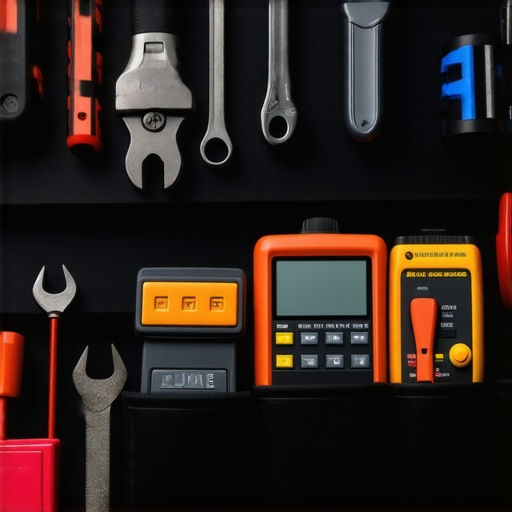
For any serious car enthusiast or professional mechanic, diagnostic scan tools are indispensable. I personally rely on the Autel MaxiCOM series because of its extensive vehicle coverage and user-friendly interface. It allows me to quickly identify engine trouble codes, transmission issues, and ABS problems without guesswork. Modern vehicles are packed with electronic systems, and a sophisticated scanner ensures I don’t overlook subtle faults that could escalate into major repairs. Additionally, having a digital multimeter isn’t just for electricians; it’s vital for checking battery health, charging systems, and sensor outputs.
Implementing Effective Maintenance Techniques
Beyond tools, mastering maintenance methods is crucial. For example, I perform regular fluid checks and replacements, which significantly prolong component life. When replacing brake pads, I prefer spring-loaded caliper piston compressors to prevent damage to the brake lines. For transmission service, using a power flush machine ensures thorough oil exchange, avoiding sludge buildup that may cause shifts to become jerky. Staying on top of these practices maintains system harmony, much like tuning a musical instrument.
Long-Term Results and Scaling Up
Consistency in maintenance yields impressive long-term benefits—fewer breakdowns, improved fuel economy, and overall vehicle longevity. As your skills grow, consider investing in a repair lift for easier access or a laser wheel alignment system to optimize tire wear and handling. For scaling your repair capabilities, leveraging specialized tools ensures precision in complex tasks like transmission overhauls or suspension upgrades. Remember, each upgrade should be paired with a maintenance plan to preserve your investment.
How Do I Maintain Auto Repair Skills Over Time?
Staying current with industry standards, software updates, and emerging technology is essential. I recommend subscribing to reputable automotive forums and attending hands-on workshops annually. Regularly reviewing latest repair techniques keeps your approach fresh and effective. Challenge yourself with small projects like upgrading brake components or performing transmission fluid changes; these hands-on experiences reinforce your knowledge.
By arming yourself with advanced diagnostic tools and refining your maintenance techniques, you set the stage for a vehicle that performs reliably for years. Start by trying out a comprehensive scan on your current vehicle—get comfortable interpreting the codes, and you’ll be surprised how much control you gain over your auto care routine. To learn more about optimizing your vehicle’s health, explore this detailed repair guide.
What I Would Do Differently Next Time
- Don’t Delay Diagnosing High Oil Usage: I underestimated my engine’s warning signs, but prompt action saved me from major repairs. Catching issues early is vital, especially when your car starts burning more oil than usual.
- Invest in Quality Diagnostic Tools: Relying solely on mechanic reports delayed my understanding. Having reliable tools like an advanced scanner can help you identify problems faster and more accurately, as I learned from my own experience.
- Prioritize Regular Maintenance Checks: Skipping routine inspections led to overlooked gasket cracks and worn seals. Staying proactive with scheduled care can prevent small issues from becoming costly repairs for your transmission or engine.
The Tools That Changed My Approach to Engine Health
- Autel MaxiCOM Diagnostic Scanner: Its comprehensive vehicle coverage made troubleshooting complex electronic systems straightforward, saving me time and stress.
- Digital Multimeter: Checking battery and sensor health regularly allowed me to catch early signs of electrical issues that could lead to increased oil consumption.
- Quality Replacement Seals and Gaskets: Using high-standard parts from trusted suppliers ensured durability and longer intervals between repairs, a tip I highly recommend after my gasket replacement.
Fuel Your Drive with Confidence and Knowledge
Embarking on the journey to understand and fix your vehicle’s oil consumption is more than just a repair—it’s an empowering shift towards confident, informed car ownership. Whether you’re tackling engine leaks or optimizing maintenance routines, remember that becoming familiar with your car’s nuances leads to safer, smoother drives. So, get out there, trust your tools, and keep learning; your vehicle—and your wallet—will thank you for it.
Have you ever hesitated before checking your engine’s seals or compression? Share your experiences below, and let’s learn from each other’s auto repair journeys!