
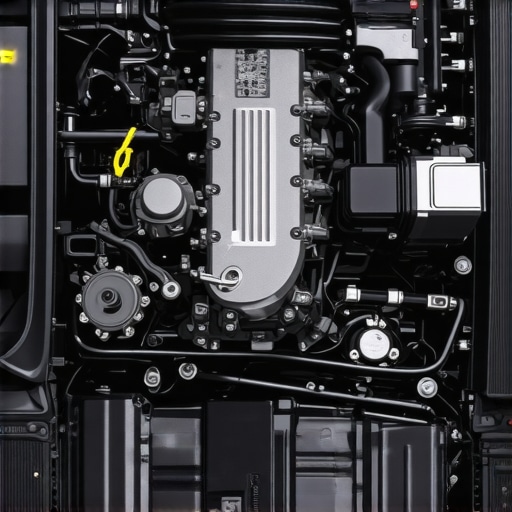
Ever had that sinking feeling when your car starts slipping gears or shifting unevenly, especially after a routine fluid change? I remember the first time I decided to save a few bucks by grabbing a generic transmission fluid, only to notice my transmission acting up just days later. That lightbulb moment made me realize: not all fluids are created equal, especially for the complex transmissions in modern vehicles.
Why Your Choice of Transmission Fluid Can Make or Break Your Car’s Performance
In the beginning, I thought I was doing the right thing—cheap refills, quick service, and a little extra cash in my pocket. But it wasn’t long before I faced shifting problems, minor stutters, and even occasional delays. It was clear I’d overlooked an essential detail: the type and quality of transmission fluid mattered more than I had imagined. Modern transmissions are intricately designed, requiring specific fluids to function correctly and prevent costly damage. Using a generic, one-size-fits-all fluid might seem economical at first, but in reality, it could be short-changing your vehicle’s longevity and performance.
The industry stakes are high; automakers have increased the precision in transmission manufacturing, making it crucial to adhere to their fluid specifications. According to the experts at Collision Renewal, selecting the right transmission fluid is a key step in maintaining smooth shifting and avoiding expensive repairs down the line.
Have you ever faced hesitation or rough shifts after a fluid change? If so, you’re not alone. Many car owners start with a simple goal: save money and keep their vehicle running smoothly. But what if I told you that the cheapest option might actually be the most costly mistake? In this article, I’ll walk you through the vital truths I’ve learned—and how you can avoid pitfalls with your own car.
Ready to get into the practical steps? Let’s explore whether your current transmission fluid is working for you or against you.
Is a Generic Transmission Fluid Actually Worth the Hype?
Early in my auto repair journey, I made the mistake of assuming that all transmission fluids serve the same purpose. Big mistake. Not all fluids have the same additive packages, viscosity, or temperature tolerances, which are vital for your specific vehicle model. Using a generic fluid might seem like a shortcut, but it can lead to accelerated wear, shifting issues, or even complete transmission failure. Trust me, investing in the correct, manufacturer-recommended fluid is a small price to pay for peace of mind and reliable performance. For more tips on maintaining your transmission, check out Top Transmission Repair Tips.
Drain the Old Fluid Correctly
Start by safely lifting your vehicle onto jack stands, ensuring it’s stable before crawling underneath. Locate the transmission pan, which looks like a metal plate bolted to the bottom of your transmission. Carefully loosen the drain plug with a wrench, using a container to catch the old fluid as it drips out. This first step releases the contaminated fluid accumulated over time. Remember, cleanliness is crucial—avoid spilling dirt or debris into the transmission.
Remove and Replace the Filter
With the pan lowered, remove the transmission filter, which acts like a strainer to keep debris out of the transmission fluid. Pay attention to how the old filter sits, so you can install the new one correctly. Clean the pan thoroughly, removing sludge and metal shavings with a lint-free cloth. This ensures no contaminants remain that could compromise your new fluid’s effectiveness. Installing a new filter helps maintain optimal fluid flow and prolongs transmission life. For detailed guidance, consult top transmission repair tips.
Refill with Manufacturer-Approved Fluid
Next, pour the correct transmission fluid—refer to your vehicle’s owner manual to identify the exact type. Using the right fluid is as vital as using the right oil for your engine; it contains specific additives to protect your transmission components and ensure smooth gear shifts. Use a funnel for precision, and pour slowly to prevent overfilling. After filling, check the fluid level with the dipstick, ensuring it sits within the recommended range. Remember, underfilling can cause overheating, while overfilling can lead to foaming and shifting issues. When in doubt, use a dipstick check to verify levels.
Bleed and Test the System
Start the engine and let it idle while shifting through all gears—Park, Reverse, Drive, etc.—to circulate the new fluid. This process helps dislodge air bubbles trapped in the system. Pay attention to shifts; they should be smooth, with no hesitation or slipping. If shifts feel rough or delayed, double-check the fluid level. A quick test drive afterward confirms that your transmission operates correctly. Also, inspect underneath for leaks, which indicate improper sealing or connections. For troubleshooting specific symptoms, see why your transmission hunts.
Custom Checkups to Sustain Performance
After completing the fluid change, schedule routine inspections to catch issues early. Keep an eye on fluid color and smell; clean transmission fluid should be pinkish and free of burnt odor. Over time, even the best quality fluid degrades and needs replacement—typically every 30,000 to 60,000 miles, depending on driving habits. Regularly consulting essential car service checks ensures your vehicle remains in peak condition.
Many car owners believe they know the essentials of vehicle maintenance, but beneath that surface lie common myths and advanced pitfalls that can cost more than just money. One prevalent misconception is that all auto repair shops offer equally reliable services. The truth is, some shops focus on quick fixes without addressing underlying issues, leading to recurring problems. For example, routine brake pad replacements might seem straightforward, but neglecting to inspect the rotors deeply can cause uneven wear and longer-term damage. Experts emphasize that detailed diagnostics are crucial to prevent these overlooked pitfalls, as outlined in this comprehensive guide.
What Are the Most Common Advanced Mistakes in Transmission Maintenance?
A common yet serious mistake involves neglecting the transmission fluid’s condition and failing to adhere strictly to manufacturer specifications. Using generic or low-quality fluids, or ignoring the recommended service interval, can accelerate wear and lead to costly repairs. Modern transmissions incorporate complex valve bodies and solenoids that depend on properly formulated fluids; missteps here often go unnoticed until noticeable symptoms appear. According to transmission experts, shifting delays and rough operation often root in overlooked fluid issues—so regular validation and using manufacturer-approved fluids are key practices. Learn more at top repair tips.
Effective vehicle maintenance isn’t just about following a checklist; it requires understanding these nuances. For example, many overlook that brake servicing involves more than replacing pads—rotor resurfacing and caliper inspections are equally vital to avoid uneven braking and longer stopping distances. Additionally, a hidden trap is attempting DIY repairs for systems that require precise calibration, like modern collision avoidance sensors or adaptive cruise controls, where incorrect setups can impair safety. Recognizing when to seek expert assistance can prevent escalating costs.
In the realm of auto repair, the devil is often in the details. Regularly reviewing your car’s service history, staying vigilant for early warning signs, and trusting technicians who prioritize comprehensive diagnostics are prudent steps. For further insight into repairing and maintaining your vehicle properly, explore collision renewal strategies.
Have you ever fallen into this trap? Let me know in the comments.Maintaining your vehicle’s performance over time requires more than just routine visits to the mechanic; it demands the right tools and a proactive approach. One of my personal favorites is a high-quality OBD-II scanner. I personally use the BlueDriver Pro because it provides comprehensive diagnostics directly from my smartphone, allowing me to identify issues before they escalate into costly repairs. Investing in such a device enables me to run quick checks on engine codes, transmission alerts, and even sensor performance, saving both time and money. Additionally, keeping a set of quality ratcheting wrenches and screwdrivers in my garage has been invaluable. These tools let me perform minor repairs or inspections without waiting for a professional, especially for tasks like tightening loose bolts or inspecting fluid levels.
To further streamline maintenance, I rely on software like AutoEnginuity, which offers in-depth diagnostic capabilities comparable to dealership tools. This software helps me understand the root causes of problems, such as sluggish shifts or strange sensor readings, empowering me to perform targeted repairs or communicate more effectively with technicians. Regularly updating my vehicle’s firmware and diagnostic software ensures I stay current with the latest manufacturer specifications and recall information.
Predicting future trends, I believe smart diagnostic tools integrated with cloud-based services will become standard, making vehicle health monitoring more accessible and real-time. This evolution will allow car owners to receive alerts about potential issues before symptoms even appear, ultimately extending vehicle lifespan and safety.
How do I maintain tools and software over time?
Consistent updates and calibration are critical. I schedule quarterly software updates and periodically check my diagnostic devices for firmware upgrades. Proper storage of physical tools in a clean, dry environment prevents rust and damage, ensuring longevity. Moreover, familiarizing myself with manufacturer-specific diagnostic protocols through reputable resources, such as Collision Renewal’s guide, helps me ensure accurate readings and effective repairs. Remember, the investment in quality tools pays off long-term, reducing downtime and improving your confidence in vehicle maintenance. Why not try out a diagnostic tool like the BlueDriver Pro and see how it transforms your maintenance routine? Regular use and proper care of your tools will make keeping your vehicle in prime condition much easier and more effective.
Lessons That Changed My Approach to Auto Maintenance
One of the most eye-opening realizations was understanding that regular transmission fluid checks aren’t just routine—they’re a lifesaver for avoiding costly repairs. I once ignored a slight roughness during shifts, thinking it was normal wear, only to discover later that neglected fluid degradation had severely damaged my transmission. That experience taught me the importance of listening to my vehicle and staying proactive.
Another lesson was trusting manufacturer recommendations over quick-fix alternatives. I learned the hard way that cheap, generic fluids can cause long-term harm. Investing in quality, OEM-approved transmission fluid, as advised on Collision Renewal, can extend your transmission’s life significantly, saving money and frustration.
Finally, I realized how crucial proper system bleeding and testing are after fluid changes. Skipping this step might seem minor, but air pockets and incorrect fluid levels can lead to hesitation, slipping, or even complete failure. Taking the time to follow precise procedures ensures your transmission functions smoothly and reliably.
Diving Into My Go-To Tools for Auto Repair Success
My essential toolkit has become my trusted companion for maintaining and troubleshooting. The BlueDriver Pro diagnostic scanner is invaluable—I rely on it for quick, accurate insights directly from my smartphone, helping me identify transmission and engine issues early. For physical repairs, a set of high-quality ratcheting wrenches and a magnetic drain pan have made fluid changes cleaner and more efficient.
Additionally, I swear by AutoEnginuity software, which offers deep diagnostics akin to dealership-level systems. Regular firmware updates for my diagnostic devices keep me aligned with the latest manufacturer specs, preventing misdiagnoses. These tools have empowered me to perform maintenance confidently and catch issues before they escalate.
Looking ahead, I believe that smart, cloud-connected diagnostic tools will revolutionize DIY auto care, providing real-time health monitoring and proactive warnings for transmission health, much like a personal mechanic in your pocket. Staying current with these innovations is both exciting and crucial for any car enthusiast or owner.
This Is Your Moment to Take Control
Embracing the knowledge and tools to maintain your vehicle’s transmission can transform your auto experience. Whether it’s choosing the right fluid, performing a comprehensive fluid change, or leveraging smart diagnostics, you have the power to extend your car’s lifespan and avoid unnecessary expenses. Every step you take toward understanding your car’s inner workings makes you a more confident and capable owner.
Why not share your own maintenance stories or questions below? Let’s build a community where we learn and grow together, ensuring our vehicles serve us reliably for years to come.