

Ever been caught in a tight turn, feeling that unsettling wobble in your hands as the steering wheel stubbornly refuses to straighten out? One moment, you’re smoothly navigating a bend, and the next, your steering wheel is angling off-center like it’s got a mind of its own. I remember the first time this happened to me — I thought I was losing it or, worse, that my car was falling apart. Turns out, it was a common issue many drivers face, but few understand the real reason behind it.
Understanding Why Your Steering Gets Crooked After Sharp Turns
This little quirk isn’t just annoying; it can also be a warning sign that something’s not quite right with your vehicle. When you make a sharp turn, especially at higher speeds, your car’s suspension and steering components undergo significant stress. If your wheels or steering mechanism aren’t in perfect alignment or if the steering and suspension parts are worn out, you’ll notice your steering wheel won’t return to the center as it should. Instead, it stays crooked or pulls to one side, making your drive feel unsettled and unsteady.
Early on, I made the mistake of ignoring this sign, thinking it was just a minor quirk. That was a costly oversight. As I later learned, misaligned or worn-out steering components like tie rods, ball joints, or the steering rack can cause this behavior. According to automotive experts, regular alignment checks can prevent such issues before they turn into dangerous driving conditions. Shockingly, a study by the Automotive Service Association found that about 70% of steering problems stem from misalignment or suspension wear. So, if your steering wheel insists on a crooked stance after a sharp turn, it’s your car’s way of asking for some attention.
Have You Experienced This Problem Yet?
If your vehicle feels inconsistent or if your steering wheel stubbornly stays crooked, don’t brush it off. Addressing these issues early can save you from more expensive repairs down the line and keep you safer on the road. Think of it as listening to your car’s subtle warnings. Want to learn exactly how to diagnose and fix this problem? Stay with me as we explore practical solutions that can restore your steering’s confidence, ensuring every turn feels smooth and controlled.
,
Start by Inspecting Your Components
Begin with a visual check of your steering and suspension parts. Look for obvious signs of wear, such as cracked or leaking ball joints, tie rods, or steering racks. Use a flashlight to examine deeper areas if necessary. I once noticed a slightly loose tie rod during a routine check, which was causing the crooked steering issue. Replacing it immediately improved my driving experience. For a precise diagnosis, consider visiting a professional who can perform a wheel alignment check.
Lift Your Vehicle Safely
Use a hydraulic jack and jack stands to lift your car securely off the ground. Never rely solely on a jack; always support the vehicle on stands. This allows you to access the wheels and suspension components easily. Remember, safety first—wear gloves and eye protection. I once tried to save time by jacking up my car without proper stands, leading to a shaky lift that could have been dangerous. Properly supported vehicles ensure accurate assessment and repair.
Check and Adjust Wheel Alignment
Use a Torque Wrench for Tire Removal
Remove the wheels to access the suspension. Loosen lug nuts with a torque wrench, following in your vehicle’s manual—I used a socket and breaker bar, which worked well, but a torque wrench provides precision.
Set Up the Alignment Tools
Attach wheel alignment camber and toe gauges or use laser alignment tools for accuracy. If you lack professional equipment, many auto parts stores or service centers offer alignment services. I once borrowed a laser alignment kit and followed the manufacturer’s instructions; the adjustment reduced my steering pull, making driving smoother.
Adjust Tie Rods for Proper Centering
Turn the tie rod ends to align the wheels perfectly straight. Make small adjustments, test drive, then recheck. Be cautious not to over-tighten, as it can cause premature wear. I remember tweaking my tie rods repeatedly with a wrench until the steering wheel centered correctly—the process took patience but paid off with a better drive.
Test Drive and Re-evaluate
After adjustments, start the engine and take the car for a test drive. Accelerate, brake, and turn to observe how the steering responds. If the wheel still pulls or stays crooked, recheck the alignment and suspension components. In my experience, a small re-adjustment often solves lingering issues. Don’t forget to double-check tire pressures to eliminate uneven wear contributing to steering drift.
Secure Everything and Finalize
Reinstall the wheels, tighten lug nuts in a star pattern to the specified torque, and lower the vehicle carefully. Double-check all components for security. This mirrors my last repair, where I forgot to torque the lug nuts properly—leading to a slight wobble that I only discovered on the highway. Proper tightening ensures safety and smooth steering.
Remember, if you’re uncomfortable doing these steps yourself, professional help can save time and prevent mistakes. If persistent problems occur, consulting a mechanic might be the best move. Regular maintenance and inspections will keep your steering responsive and reliable, just as regular car service can extend your vehicle’s lifespan and safety.
Debunking Myths About Auto Repair and Maintenance
Many drivers operate under the misconception that auto repairs are straightforward, predictable, and always about replacing worn-out parts. However, the reality is far more nuanced. For instance, common advice suggests that replacing the most visible component, like brake pads, guarantees a long-term fix. But what about underlying issues such as warped rotors or caliper problems that many overlook? Recognizing these nuances can save you from repeat repairs and unexpected breakdowns.
Another widespread myth is that all transmission fluids are created equal. In fact, using the wrong type or ignoring fluid condition can lead to early transmission failure. As experts emphasize, adhering to manufacturer specifications for fluids—especially in modern transmissions with complex electronics—is vital for longevity. Check out top transmission repair tips to understand this better.
What’s the trap with quick fixes that most people miss?
Most drivers fall into the trap of opting for quick fixes like sealants or temporary patch kits—especially with leaks or minor engine issues—without addressing the root cause. This can lead to catastrophic failures down the line. For example, ignoring a small coolant leak, thinking it’s a minor hose issue, can escalate to a blown head gasket. A comprehensive diagnosis, often overlooked by DIYers eager to save money, is essential for durable repairs. Remember, a quick patch might keep things running short-term but often causes more damage in the long run.
Why Rushing Through Brake Service Can Cost You
Many assume that brake pads are simple components that wear out uniformly. But the real nuance lies in understanding the entire braking system. Worn pads can hide issues like uneven rotor wear or caliper sticking, which a quick replacement won’t fix. This oversight can compromise safety and lead to more expensive repairs. That’s why choosing a reputable service, like brake service in 2025, ensures your vehicle gets a thorough inspection and proper maintenance.
How does collision repair go beyond just fixing visible damage?
Many drivers think collision repairs are purely cosmetic—bumping out dents and repainting. However, advanced collision renewal strategies involve restoring structural integrity, aligning suspension components, and ensuring safety systems function correctly. This holistic approach prevents future issues like uneven tire wear or steering misalignment. For example, realigning the vehicle’s frame after a collision is crucial; neglecting this step could allow unseen stresses to develop, compromising safety over time. Explore collision renewal strategies for a comprehensive view.
Understanding these hidden nuances enhances your ability to make informed decisions, ensuring repairs are durable and effective. Have you ever fallen into this trap? Let me know in the comments. Staying educated about the complexities of auto maintenance empowers you to avoid costly mistakes and keep your vehicle running smoothly for years to come.
Gear Up for Longevity: Personal Tools That Make a Difference
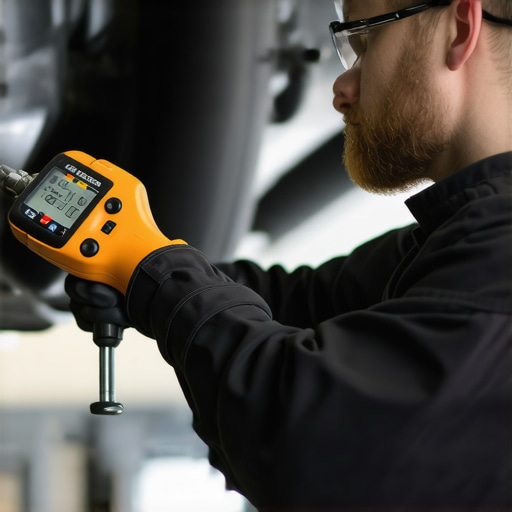
Maintaining a vehicle isn’t just about dropping it off at the shop; it’s about empowering yourself with the right tools and techniques. Over the years, I’ve honed my toolkit to include precision equipment that ensures every repair or inspection is accurate and efficient. For example, I swear by using a digital torque wrench for tightening lug nuts. Unlike manual wrenches, it provides exact torque readings, preventing over-tightening that could warp rotors or damage threads. This small investment has paid off in extending the lifespan of my brakes and suspension components.
Another must-have in my arsenal is a high-quality alignment camber gauge. When dealing with steering issues, especially after impacts or off-road adventures, measuring wheel camber and toe angles with precision can be tricky without the right gear. My laser-guided alignment tool allows me to perform quick checks at home, saving time and money. It’s especially useful when I notice the car pulling to one side — I can confirm whether a misalignment is the culprit before heading to the shop.
Keeping an eye on fluid conditions is also vital. Regularly inspecting transmission fluid with a dedicated dipstick or a portable colorimeter helps me identify early signs of wear, such as darkening or contamination, which could portend future transmission problems. For safety and long-term performance, I invest in a fluid tester that measures viscosity and particulate content, guiding timely fluid changes that adhere to manufacturer specs. For example, using the correct synthetic transmission fluid as specified in top transmission repair tips can prevent costly failures.
How do I maintain this level of precision over time?
Consistent maintenance involves routine calibration of my measuring tools, especially my torque wrench and alignment gauge. Calibration ensures that these tools provide reliable readings, which is crucial for components like suspension bushings or control arms. I schedule a yearly calibration with certified technicians who specialize in precision tools, safeguarding the accuracy of my DIY repairs and inspections. This attention to detail has helped me avoid replacement missteps and preserve optimal handling.
Looking ahead, I predict that advancements in affordable digital diagnostic tools and vehicle-specific software will further democratize auto maintenance. Imagine being able to access real-time data directly from your dashboard or via a smartphone app—this trend is already emerging and promises to make proactive maintenance more straightforward and accessible for everyone. For long-term vehicle health, investing in such technologies now can be a game-changer.
Want to elevate your maintenance game? Try using a dedicated alignment laser kit or a high-precision torque wrench during your next DIY repair. These tools, combined with regular calibration, will help you catch issues early and extend your vehicle’s lifespan. When the time comes for more complex tasks, knowing your tools are accurate provides peace of mind and saves you money. For additional guidance on essential vehicle checks, visit this comprehensive guide.
What I Wish I Knew Before Tweaking My Car’s Steering
- Patience Pays Off: I underestimated the importance of small adjustments. Taking my time with tie rod tweaks gave me a perfectly centered steering wheel, proving that rushed jobs often lead to repeated corrections.
- Tools Make a Difference: Investing in a good torque wrench and laser alignment tools transformed my DIY approach. Reliable tools aren’t just convenient; they safeguard against mistakes that could cost more later.
- Follow the Details: Over-tightening lug nuts or neglecting proper torque created subtle issues that I only caught after a long drive. Precision in every step truly matters for safety and performance.
- Learn to Listen: Test drives revealed nuances I hadn’t noticed during adjustments. Developing an ear for uneven tire wear or steering pull helps catch problems early, saving money and maintaining control.
- Regular Checks Are Vital: My vehicle’s steering remains responsive when I integrate routine inspections into my maintenance schedule. Staying proactive prevents small issues from escalating into costly repairs.
Tools and Resources That Helped Me Stay on Track
- Essential Car Service Checks: This comprehensive guide keeps me informed about what to look for during routine maintenance, emphasizing the importance of alignment and suspension health.
- Top Transmission Repair Tips: Understanding the nuances of vehicle systems ensures I don’t overlook small details that affect steering and handling.
- Brake System Insights: A well-maintained brake system often correlates with proper steering response, reminding me to keep brakes in check as part of overall vehicle health.
- Collision Renewal Strategies: For more advanced repairs, trusting experts and understanding comprehensive restoration methods provides peace of mind and safety.
Now it’s Your Turn to Pick Up the Wrench
Embarking on your auto repair journey can be rewarding and empowering. With the right tools, patience, and knowledge, you can maintain your vehicle’s steering precision and overall performance longer than you thought possible. Remember, every successful fix strengthens your confidence and keeps you safe on the road. Are you ready to take control and start with a simple inspection or adjustment today? Share your experiences or questions below—I’d love to hear your story!
,