
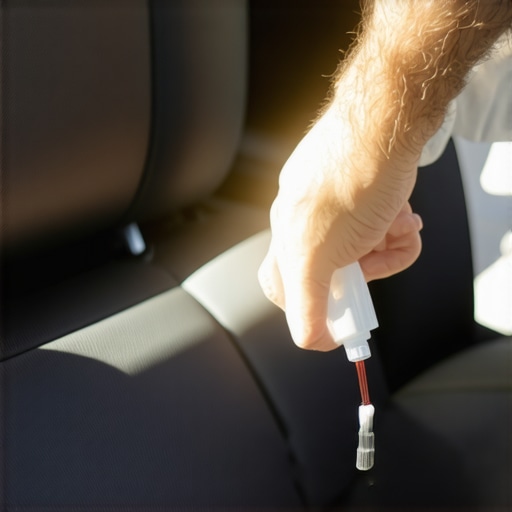
It happened on a scorching summer afternoon. I opened my car door, expecting that familiar scent of leather, only to be greeted by a cracked, peeling mess where my seats used to be. That eye-opening moment made me realize just how unforgiving the sun can be on leather interiors. If you’ve ever felt that sting of regret after seeing your beloved car seats lose their luster, you’re not alone. This frustration is common among car owners who neglect sun protection for their vehicle. But here’s the good news: with a few simple steps, you can preserve your leather and keep it looking like new.
Why Sun Damage Isn’t Just About Fading
Many people think sun damage only leads to color fading—bright, shiny cars slowly turning dull. But the reality is more severe. Prolonged exposure to UV rays breaks down the leather’s natural fibers, causing cracks, dryness, and eventual tears. I learned this the hard way early on, when I used abrasive cleaners that made things worse, emphasizing that improper care can accelerate damage rather than prevent it. According to auto care experts, UV rays can cause leather to degenerate up to 60% faster if left unprotected, which is why preventative measures matter more than ever.
Protecting your leather seats isn’t just about aesthetics; it’s about maintaining the integrity of your vehicle’s interior. If you’ve noticed your seats feeling stiff or seeing tiny cracks appearing, it’s time to act. Fortunately, a combination of proactive habits and protective products can make a significant difference. Today, I’ll share the tried-and-true methods I personally vouch for, so you can avoid that heartbreaking scene I faced and keep your seats in top shape.
Is It Worth Investing in Fancy Protectants?
Many skeptics wonder if all the fuss about leather protectants is just marketing hype. I used to think so too—until I tried a quality UV protectant after realizing that I was making a mistake early on by applying harsh chemicals that stripped the leather of its natural oils. The secret is to choose products formulated specifically for automotive leather and reapply them regularly. Not only does this extend the lifespan of your seats, but it also preserves their suppleness and color. For a detailed guide on maintaining your car’s exterior and interior, visit this comprehensive repair guide.
So, before you dismiss sun protection as unnecessary hassle, consider that failing to address this issue could cost you a hefty replacement bill later on. If you’re tired of seeing your car’s interior age before its time, let’s dive into the practical steps I swear by—those simple tweaks that can save your seats and your wallet.
Start with Clean, Dry Surfaces
Before applying any protectant, ensure your leather seats are free of dirt and moisture. Use a soft microfiber cloth to gently wipe down the seats and remove dust or debris that can scratch the surface during treatment. Recall the last time I ignored this step—residue caused uneven application, leading to patchy protection. Always start fresh for even results.
Choose the Right Leather Conditioner and UV Protectant
Select products specifically formulated for automotive leather, ideally with UV-blocking properties. I once experimented with generic conditioners that caused my seats to feel greasy and sticky. After switching to a high-quality UV protectant recommended by professionals, I noticed my seats stayed softer longer, and the color remained vibrant.
Apply Protectant Correctly and Consistently
Follow Application Instructions Precisely
Apply the product in thin, even layers using a clean, soft cloth or sponge. For my experience, applying too much at once resulted in streaks and a sticky finish. Patience and moderation are key; allow each layer to soak in before adding another. Regular reapplication—every 3–6 months—maintains protection against UV rays and environmental damage.
Address Cracks and Dryness
If your leather shows signs of cracking or dryness, apply a leather conditioner first to restore suppleness. I once neglected this, and the protectant only sat on the surface without penetrating deep. Conditioning prior softens the leather, making subsequent protectant application more effective.
Maintain a Shade-Friendly Environment
Whenever possible, park your vehicle in shaded areas or use sunshades on the windshield. This simple habit reduces direct UV exposure, preserving your seats’ appearance and durability. Think of it as protecting your skin from the sun—less exposure equals less damage over time.
Practice Regular Maintenance
Inspect your seats periodically for signs of deterioration. Wipe down and reapply protectants as needed to prevent minor imperfections from becoming major cracks. I recommend creating a maintenance schedule aligned with seasonal changes—spring and summer require more frequent care. Consistency keeps your leather looking and feeling like new.
Be Careful with Cleansers and Detergents
Avoid harsh soaps or household detergents that strip natural oils from leather. Instead, use pH-balanced leather cleaners. I learned this the hard way when using regular dish soap—my seats became brittle within weeks. Proper cleaning followed by conditioning dramatically extends the life of your leather interior.
Implementing these steps transforms the tedious task of leather care into an effective routine. Remember, protecting your investment isn’t a one-time effort; it’s an ongoing process that pays off in longevity and looks.
Many car owners believe they understand the basics of vehicle maintenance, but there’s a layer of nuance few are aware of that can significantly impact vehicle longevity and safety. One common myth is that sticking solely to manufacturer-recommended service intervals guarantees optimal performance; however, advanced factors like driving conditions and aftermarket modifications often demand a more tailored approach. For example, vehicles regularly driven in harsh climates or mountainous terrains may require more frequent brake and transmission inspections than standard schedules suggest, which is detailed in essential maintenance guides. Another misconception involves assuming all brake services are created equal. Many presume that simply replacing pads restores full safety, but neglecting rotor resurfacing or caliper assessment can lead to uneven wear and compromised braking efficiency over time. This oversight becomes especially critical when considering the high costs associated with brake failure. Delaying comprehensive brake evaluations might seem economical short-term but can lead to more expensive repairs or accidents down the line.
What about transmission repairs? Are all garages equally reliable?
It’s tempting to consider transmission work as a one-size-fits-all solution, but in reality, diagnosing transmission issues requires advanced knowledge and precise testing. Relying on quick fixes without an expert assessment can mask deeper problems like worn clutches or internal fluid degradation, which, if left unaddressed, could cause the entire system to fail prematurely. According to industry experts, such as those cited in top transmission repair tips, thorough diagnostics are crucial before any repair plan. The same principle applies to collision repairs—early cosmetic fixes might seem sufficient, but hidden structural damages can linger, affecting safety and vehicle integrity. In my experience, skipping detailed inspections during auto repairs often results in recurring issues that cost more over time—hence why detailed collision renewal strategies are essential. Always question whether your mechanic is considering the full scope of repairs, not just surface fixes. Understanding these nuances helps you avoid common pitfalls and makes your car maintenance more effective and economical. Have you ever fallen into this trap? Let me know in the comments.
Investing in the Right Equipment Makes All the Difference
Maintaining your vehicle over the long term requires specialized tools that ensure quality work and prevent costly mistakes. I personally rely on a high-quality digital multimeter, like the Fluke 117, which provides precise diagnostics of electrical systems—essential for troubleshooting battery, alternator, or sensor issues. Additionally, a reliable code scanner such as the Autel MaxiCOM series allows me to quickly read and clear engine fault codes, streamlining diagnosis without unnecessary guesswork. For brake work, a brake caliper piston compressor tool helps me reset calipers safely and efficiently, ensuring safety during brake service. Investing in these tools has saved me time and money, and I recommend building your toolkit gradually based on your specific vehicle needs.
Software and Methodologies for Long-Term Reliability
Beyond physical tools, modern auto repair increasingly depends on software diagnostics. My preferred platform is OBDLink MX+, a Bluetooth-enabled scanner that pairs with my smartphone or tablet, giving real-time data and advanced diagnostics. This allows me to monitor engine parameters continuously and preempt issues before they escalate. Combining software insights with traditional inspection methods—like inspecting brake pads for wear or checking transmission fluid condition—ensures a comprehensive approach. Keeping detailed maintenance logs using apps like MyCarTracks helps me track service schedules, ensuring regular maintenance intervals are never missed. As vehicle electronics become more complex, leveraging these digital tools will be mandatory for effective long-term care.
How do I maintain tools and diagnostics equipment over time?
Proper maintenance of your tools ensures accuracy and longevity. Store electronic devices in protective cases and avoid exposure to moisture or extreme temperatures, which can damage sensitive components. Regularly calibrate diagnostic devices following manufacturer instructions, and replace worn or damaged hand tools immediately to prevent safety hazards. Making a habit of cleaning tools after each use and checking calibration settings periodically ensures consistent performance. Staying diligent about tool maintenance saves you money and guarantees the reliability of diagnostics, ultimately keeping your vehicle in top shape.
Scaling Your Maintenance Routine for the Future
As vehicles evolve with more advanced electronics and hybrid systems, your maintenance toolkit should grow accordingly. For instance, diagnostic scanners that cover hybrid and electric vehicle systems—like the Foxwell NT510 Elite—are becoming indispensable. Investing in such gear now prepares you for future models, ensuring you’re not left behind as technology advances. Additionally, online services and remote diagnostics are gaining popularity, allowing professionals to troubleshoot issues virtually. Embracing these innovations can significantly reduce downtime and repair costs, making your maintenance routine more efficient and effective.
To deepen your understanding, I recommend exploring this comprehensive guide on keeping your car in optimal condition. Or, consider scheduling an assessment with professional technicians through Collision Renew to evaluate your current tools and routine.
Start by trying out a digital multimeter if you haven’t already—it’s a game-changer for electrical diagnostics. Proper tools paired with consistent maintenance habits will ensure your vehicle remains dependable for years to come. Remember, proactive care today prevents unexpected breakdowns tomorrow!
Lessons That Changed How I Approach Car MaintenanceSometimes, the hardest lessons come from forgetting the small details—like neglecting sun protection or skipping routine inspections—and paying the price later. I learned that regular application of UV protectants and consistent cleaning saved my leather interior from irreversible damage. One lightbulb moment was realizing that proactive maintenance not only preserves your vehicle’s value but also enhances safety and driving pleasure. Additionally, understanding that each component, from brakes to transmissions, requires personalized care, has prevented costly repairs and extended my car’s lifespan. These insights have reaffirmed that caring for your vehicle is a journey of continuous learning and adaptation.
Tools and Resources That Keep Me Ahead
For anyone serious about auto maintenance, investing in high-quality diagnostic tools makes a difference. I rely on the essential routine checks to catch issues early. A good digital multimeter like the Fluke 117 has been invaluable for electrical diagnostics, while the Autel MaxiCOM scanner helps me understand engine codes and warning signals. These tools, combined with expert-recommended products like UV protectants, form the backbone of my maintenance routine. Remember, knowledge and the right equipment turn a dreaded chore into a manageable and even enjoyable task.
Your Next Move in Car Care Awaits
Taking command of your vehicle’s maintenance is empowering and ensures reliability for years to come. Whether you’re choosing the right protectant, investing in essential tools, or simply making a habit of regular inspections, every step adds up. Don’t wait for visible damage to act—prevention is your best friend. Dive deeper into car care and stay ahead by exploring this comprehensive auto repair guide. Your commitment today will pay dividends tomorrow and beyond. Are you ready to transform how you care for your vehicle? Share your experiences below and let’s learn together.