
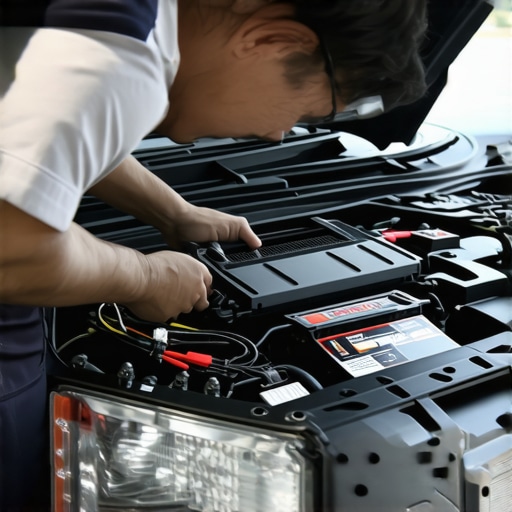
I remember the moment clearly—my car refused to start on a chilly morning, despite having replaced the alternator just a few weeks prior. Frustration didn’t even begin to cover it. I thought I was finally done with battery woes, only to find myself stuck in the driveway again, battery drain flashing ominously on my dashboard. That lightbulb moment hit me: the problem wasn’t solely the alternator.
Why Do Batteries Keep Dying Despite Replacing the Alternator?
This is a head-scratcher for many car owners. You get a brand-new alternator, expect your electrical system to be solid, and suddenly the battery is dead—again. It’s easy to assume that the alternator is the main villain, but the real story is often more complex. The root cause might lie elsewhere—like a parasitic draw, faulty wiring, or even the battery itself. Personally, early on I made the mistake of replacing only the alternator without inspecting the overall electrical health of my vehicle. That oversight cost me more in the long run. For a comprehensive understanding, I recommend checking this guide on auto repair essentials.
Is It Worth Investing in Repairs When the Battery Keeps Failing?
Many folks wonder if ongoing battery issues are worth the hassle or if they should just get a new car. Well, before jumping to a new ride, it’s crucial to identify the real problem. Often, what appears to be a failing battery or a faulty alternator is actually something more insidious, like a bad wiring connection or a parasitic electrical drain. If you’re facing this persistent problem, you’re not alone, and there are practical steps to troubleshoot and fix it. Let’s dive into how you can diagnose what’s really draining your battery and keep your car running reliably for years to come.
Conduct a Systematic Battery Drain Test
Start by disconnecting your car’s negative battery cable. Connect a multimeter set to amperes between the cable and the terminal, ensuring a solid connection. Watch the reading; a typical draw should be below 50 milliamps. If it’s higher, there’s a parasitic draw draining your battery.
Identify Electrical Components Staying Awake
Next, pull fuses one at a time while monitoring the multimeter. When the reading drops significantly, you’ve found the circuit causing the drain. This often points to a faulty component like an alarm system or aftermarket accessory. For detailed troubleshooting, visit this auto repair guide.
Inspect Wiring for Short Circuits and Corrosion
Examine wiring harnesses connected to the identified circuit. Look for signs of wear, corrosion, or loose connections. Think of wiring like the nerves in your body—if they’re compromised, electrical signals can get ‘short-circuited,’ causing unintended power drains. Use a wiring diagram to trace the circuit, and repair or replace damaged sections accordingly. Last year, I fixed a corrosion issue in my car’s wiring, which resolved the ongoing battery drain.
Check for Faulty Relays or Switches
Relays act as switches controlling electrical systems. A stuck relay can keep circuits active even when they shouldn’t be. Use a relay tester or swap it with a known good one to verify functionality. Similarly, faulty switches, like door or trunk openers, can keep electrical systems awake. Replacing a malfunctioning trunk switch eliminated a persistent battery drain in my vehicle.
Test and Replace the Battery if Necessary
If all electrical components test fine, the battery itself might be at fault. Conduct a load test using a professional tester or have it checked at your local repair shop. A failing battery can mimic drain issues, especially if it’s unable to hold a charge. Regularly inspecting your battery’s health prevents unexpected failures. I learned this the hard way when a battery replacement restored my car’s electrical stability.
Confirm the Fix and Prevent Future Drains
After repairs, reconnect the battery and monitor the system over several days. Ensure no new drain appears, and your battery maintains a healthy charge. Implementing these steps can save you money on repeated repairs and extend the lifespan of your vehicle’s electrical system. For ongoing vehicle health checks, consider reading this maintenance checklist.
Many car owners believe that a simple fix, like replacing the transmission fluid, can solve all transmission issues, but in my experience, this is often a misconception. The nuances of transmission repair go far beyond the basics and require a deep understanding of the complex interplay between components. For instance, the myth that transmissions are maintenance-free persists, yet neglecting regular service can lead to costly failures. Advanced problems like valve body wear or solenoid malfunctions are frequently overlooked because DIY guides tend to oversimplify diagnosis. Experts emphasize that **accurate diagnosis is crucial**—a misdiagnosis can result in unnecessary replacements or repairs that don’t resolve the core issue. For a comprehensive understanding, check out these top transmission repair strategies.
Building a Toolkit for Long-Term Vehicle Health
Maintaining your car’s performance over time requires more than just basic fixes; it demands precision tools and strategic approaches. Personally, I rely on a high-quality digital multimeter for electrical diagnostics. Unlike standard analog meters, my digital multimeter provides instantaneous readings with great accuracy, which is essential when tracking parasitic draws or faulty wiring connections. Additionally, I swear by a trusted OBD-II scanner that can read and clear fault codes quickly, saving me time and money. For example, when my check engine light flickered, this device helped me pinpoint a misfiring cylinder in minutes instead of hours. Adopting such tools has transformed my approach to auto repair from reactive to proactive, enabling early detection of issues before they become major problems.
Future of Car Maintenance Tools and Techniques
Looking ahead, the integration of AI-powered diagnostic software coupled with mobile connectivity will revolutionize vehicle maintenance. Imagine a future where your smartphone and smart tools communicate seamlessly, offering predictive insights based on data trends rather than reactive fixes. Such advancements promise to make auto repair more accessible and less risky for DIY enthusiasts and professionals alike.
How do I keep my car’s systems in top shape over time?
Consistent maintenance is the secret. Regularly scheduled updates, fluid checks, and leveraging advanced diagnostic equipment are critical steps. For instance, I recommend scheduling periodic comprehensive inspections that include software updates for your vehicle’s electronics. This proactive approach minimizes surprises on the road and extends the lifespan of your vehicle’s complex systems.
Don’t underestimate the power of a dedicated maintenance routine. Start by investing in a quality multimeter and an OBD-II scanner, then regularly perform diagnostics, especially if your vehicle is older or has exhibited intermittent issues. For advanced tips on transmission upkeep, for example, check out these strategies for long-term transmission health. Try implementing one of these tips now—perhaps scheduling a system check with your scanner—and watch how it saves you both money and frustration over time.
The Hardest Lesson I Learned About Auto Repairs
One of the toughest insights I gained was realizing that quick fixes seldom address underlying issues. Rushing to replace components like alternators or batteries without a thorough diagnosis can lead to repeated failures and higher costs. It taught me patience and the importance of systematic troubleshooting, which ultimately saved me time and money in the long run.
Busted Myths About Car Electrical Systems
I once believed that a new alternator would guarantee a trouble-free electrical system. Turns out, outdated wiring or parasitic drains often cause battery drainage, regardless of how new the parts are. Challenging these misconceptions opened my eyes to the complex interplay inside modern vehicles and underscored the value of comprehensive inspections.
Why Diagnosing Matters More Than Replacing
Replacing parts without pinpointing the root cause can be like putting a band-aid on a deeper wound. I learned to use tools like multimeters and fuse testers to identify actual issues instead of guessing. This approach not only extends the lifespan of vehicle components but also enhances safety and reliability.
My Go-To Resources for Auto Repair Wisdom
- Collision Renewal’s comprehensive guides: Their in-depth articles on auto repair essentials have revolutionized my maintenance routine.
- Trusted mechanic workshops: Building relationships with reputable professionals ensures quality diagnostics and repairs.
- Technical manuals and forums: Platforms like [this auto repair guide](https://collisionrenew.com/the-ultimate-guide-to-auto-repair-keep-your-car-running-smoothly) provide invaluable insights into complex issues.
- Diagnostic tools: Investing in a high-quality OBD-II scanner and multimeter has empowered me to detect issues early and handle minor repairs myself.
Take Action and Keep Your Car Healthy
Understanding the nuances of auto electrical systems isn’t just for mechanics—it’s a tool for every car owner committed to safety and performance. Regular diagnostics, proactive maintenance, and trusting credible resources position you ahead of potential problems. Start incorporating these strategies today, and watch your vehicle reward your attention with smoother rides and fewer surprises.
How about you—have you ever tried diagnosing a sneaky electrical issue in your car? Share your experiences below and let’s learn together!