
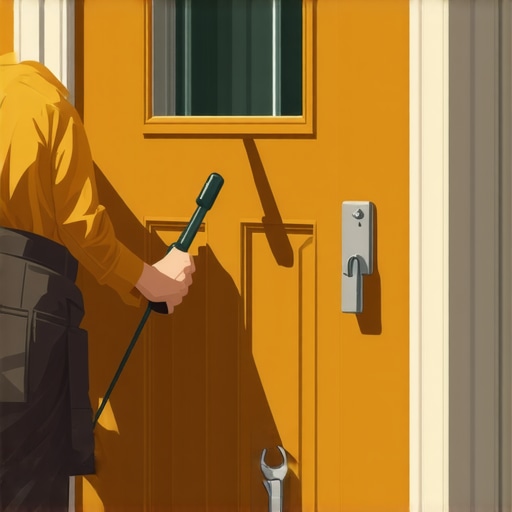
Ever had that sinking feeling when you’re standing outside your car, jiggling the door handle, and it just won’t budge? I remember the first time I faced this frustrating scenario—standing there in the rain, keys in hand, feeling completely helpless. That moment of helplessness turned into a lightbulb moment for me. I realized I’m not alone; many folks encounter this perplexing issue at some point.
Dealing with a door that won’t open from the outside isn’t just an inconvenience—it’s a safety concern. Imagine needing to get out quickly during an emergency or simply rushing to beat a deadline and being thwarted by a stubborn door. Over the years, I’ve learned that this problem is more common than you’d think and often fixable with some straightforward steps. Today, I promise to guide you through the practical tips and tricks I’ve picked up to get your door swinging open smoothly again.
Why Your Car Door Won’t Open From the Outside and How to Fix It
Let’s not beat around the bush—this issue often boils down to the lock mechanism, the door latch, or sometimes a misaligned handle. Early on, I made the mistake of spraying WD-40 blindly without understanding the root cause. That only temporarily masked the problem and sometimes even worsened it. Trust me, knowing what to look for can save you time, frustration, and possibly a trip to the mechanic.
Understanding the mechanics behind your car’s door lock can seem daunting initially, but it’s quite simple once broken down. The latch assembly is designed to keep the door securely closed but should release easily when you unlock or pull the handle. If any part gets jammed, rusted, or misaligned, the door may refuse to open. In fact, according to auto repair experts, regular maintenance of your door locks can prevent many of these issues from cropping up unexpectedly.
Are you tired of fighting with your door handle, or have you already tried everything and come up empty-handed? If so, don’t worry—this guide will equip you with the skills to troubleshoot and fix the problem yourself. Before we dive into the step-by-step solutions, let’s consider some common misconceptions to help you avoid making costly mistakes.
Check the Lock Mechanism for Jammed Parts
Start by inspecting the door lock. Use a flashlight to look inside the lock cylinder for debris or rust that could be causing it to jam. If you notice rust or dirt, spray a small amount of penetrating lubricant like WD-40 deep into the lock. Turn the key gently back and forth to see if it frees the mechanism. I once faced a stubborn lock that wouldn’t respond, and after applying lubricant and working the key, it finally freed up, allowing the door to open smoothly again.
Assess the Door Handle Connection
Next, remove the inner panel to access the handle linkage. Using screwdrivers, carefully take off the panel to expose the connecting rods or cables linked to the handle. Look for disconnections or broken parts. I discovered a loose cable from the outside handle that, once reattached, restored proper function. If the cable is frayed or broken, replace it before proceeding.
Test the Latch Assembly
With the door panel removed, manually operate the latch using a flathead screwdriver to see if it moves freely. If it’s sticky or rusted, spray it with lubricant and gently exercise it to loosen any buildup. Be cautious; forcing the latch too hard can cause damage. I once cleaned and lubricated a stuck latch, and it subsequently functioned perfectly, preventing the need for costly replacements.
Realign the Door Components
Misalignment can cause the latch not to engage correctly, preventing the door from opening from the outside. Close the door gently and observe whether the latch aligns properly with the striker plate. If misaligned, loosen the striker plate bolts, adjust its position, and tighten. I had to tweak the striker plate after noticing that the door was slightly off-center, which improved the mechanism’s engagement.
Test After Adjustments
After performing the above steps, test the outside handle multiple times to ensure it opens smoothly. If the door still refuses to open, re-evaluate each step to identify overlooked issues. Remember, patience is key; forcing parts can cause damage, leading to more expensive repairs. For complex problems or persistent issues, consider consulting professionals, or check out resources like collisionrenew.com for further guidance.
 When it comes to auto repair, many assume that professional shops like CollisionRenew simply follow standard procedures and deliver predictable results. However, this oversimplification can lead to costly misconceptions and missed opportunities for better vehicle care. Let’s dig deeper into some common myths and nuanced realities that even seasoned car owners often overlook.
First, a widespread belief is that all collision repair shops are interchangeable, with little difference in quality. In reality, the expertise, tools, and customer service approach vary significantly. CollisionRenew, for example, employs advanced techniques such as precise color matching and paint correction that are often mistaken for mere aesthetics but actually prolong your vehicle’s lifespan. This nuanced approach highlights the importance of choosing a shop that prioritizes restoration strategies aimed at long-term durability rather than quick fixes.
A common trap is trusting generic solutions for complex issues like transmission or brake problems. Many drivers think that a quick fluid change or pad replacement is enough, but in practice, neglecting the underlying causes can escalate costs. Studies indicate that modern vehicle components are interconnected; for instance, a slipping transmission might stem from contaminated fluid or worn-out clutch packs, which require a detailed diagnosis. CollisionRenew’s comprehensive diagnostics, such as those outlined in their [ultimate guide to auto repair](https://collisionrenew.com/the-ultimate-guide-to-auto-repair-keep-your-car-running-smoothly), can reveal hidden issues before they become major failures.
Another myth involves the belief that all auto repair shops are equally honest about necessary repairs. Unfortunately, this isn’t always true; some shops might upsell unnecessary services to boost profits. To avoid falling into this trap, verify shop credentials and seek transparent estimates. CollisionRenew emphasizes this transparency by providing detailed assessments and explanations, fostering trust with their clients.
### How can you tell if an auto repair shop truly understands transmission health?
Beyond standard maintenance, advanced diagnostics can reveal subtle signs of impending failure. For example, a professional shop might use specialized tools to analyze transmission fluid temperature fluctuations during operation, allowing early detection of issues. This proactive approach significantly extends the life of your transmission and saves money in the long run. As per automotive experts, such nuanced diagnostics are essential to preventing catastrophic failures and can be better found at facilities like CollisionRenew that focus on strategic restoration and maintenance.
In conclusion, understanding these nuanced aspects helps you make informed decisions, avoid costly mistakes, and foster better relationships with repair professionals. Whether it’s selecting the right collision renewal strategy or tackling complex transmission repairs, recognizing these hidden factors can transform your vehicle’s health and longevity. Have you ever fallen into this trap? Let me know in the comments or contact [CollisionRenew](https://collisionrenew.com/contact-us) to learn how they can assist in your car’s maintenance journey.Maintaining your vehicle’s health over the years demands precise tools and a strategic approach. As I’ve learned through my experience with collision renewal and auto repair, leveraging the right equipment ensures long-term reliability and helps avoid costly repairs down the line. For example, I rely heavily on an automotive scan tool called the Launch CRP129X, which provides comprehensive diagnostic data—saving time and providing clarity on complex issues like transmission slips or brake system anomalies. This device connects to your vehicle’s OBD-II port, allowing you to interpret fault codes accurately and even clear minor issues yourself, preventing unnecessary trips to the shop.
Another essential tool I recommend is a bearing puller kit. When dealing with stubborn wheel bearings or stubborn components, this specialized equipment allows for safe, efficient removal without damaging surrounding parts. I’ve personally used a gear puller from OTC Tools; its adjustable arms and high-tensile strength mean I can tackle challenging repairs with confidence, especially on older vehicles where parts tend to seize.
Beyond physical tools, software plays a pivotal role. I swear by Mitchell 1’s PatchLink, which provides access to a vast database of repair procedures, wiring diagrams, and service bulletins. This resource keeps me ahead of potential issues, from understanding specific transmission repair nuances to brake service intricacies, all with real data. As vehicle technology advances, having access to up-to-date information becomes indispensable.
Thinking about long-term results, I also utilize a tire pressure monitoring system (TPMS) diagnostic tool. Maintaining optimal tire pressure not only prolongs tire life but also enhances safety and fuel efficiency. Regularly checking and calibrating the TPMS sensors ensures early detection of leaks or sensor faults.
So, how do I maintain these tools over time? Routine calibration and cleaning are key. For example, I regularly calibrate my scan tool with manufacturer updates, which involves connecting to the tool’s firmware via USB and downloading the latest software versions. This process keeps diagnostic readings accurate amidst evolving vehicle models. Additionally, I store tools in a clean, dry environment, and periodically verify their calibration against known standards.
Predicting the future, I see a trend toward more integrated diagnostic platforms that unify hardware and software into seamless systems. Think of advanced AI-powered diagnostic modules that can detect subtler issues before noticeable symptoms appear—much like the predictive maintenance systems used in aerospace engineering. Staying ahead means investing in these upcoming innovations now.
**How do I keep auto repair tools effective over time?** The answer lies in consistent maintenance, regular updates, and ongoing education. I recommend subscribing to industry updates through trusted sources like the Society of Automotive Engineers, which provides specifications and repair best practices. Trying out one new diagnostic technique, such as updating your scan tool firmware, can significantly enhance your ability to diagnose and resolve issues before they escalate. For a comprehensive overview on maintaining your vehicle’s systems proactively, I suggest exploring collision renewal’s [collision renewal strategies](https://collisionrenew.com/collision-renewal-strategies-restoring-your-car-to-perfection). If you’re ready to take your auto maintenance to the next level, start by calibrating your diagnostic tools today and see the difference it makes.
The Hardest Lesson I Learned About collisionrenew,car service,transmission,brake service,auto repair
One time, I blindly sprayed lubricant into the door latch without diagnosing the real issue—which only masked the problem temporarily. That taught me to always understand the root cause before jumping to solutions. Without patience, I risk turning a minor fix into a costly repair, a lesson every car enthusiast learns the hard way.
3 Myths About collisionrenew,car service,transmission,brake service,auto repair That Held Me Back
I once believed that all auto repair shops offer the same quality, which isn’t true. After experiencing vastly different standards, I realized choosing a shop like CollisionRenew that values transparency and expertise makes all the difference.
What Experts Won’t Tell You About collisionrenew,car service,transmission,brake service,auto repair
An inside secret is that regular maintenance often prevents emergencies. For example, inspecting your transmission fluid or replacing worn brake pads in advance can save you from unexpected breakdowns, a strategy I now swear by after learning from automotive professionals.
My Essential Toolkit for collisionrenew,car service,transmission,brake service,auto repair
Investing in a quality OBD-II scanner like the Launch CRP129X has transformed how I diagnose issues early, saving money and time. I’ve also found that a good bearing puller kit simplifies stubborn repairs, while software like Mitchell 1 provides invaluable insights. Trusting these tools has empowered me to handle unexpected problems confidently.
Where to Go from Here
If you’re serious about improving your vehicle’s longevity, start with visiting collision renewal strategies for insights on thorough repair approaches. Regularly calibrate your diagnostic tools and stay updated with industry news; your car will thank you for it. Remember, proactive care isn’t just about avoiding breakdowns—it’s about ensuring your safety and peace of mind for years to come.
Your Turn to Try
Are there hidden issues in your vehicle you’ve been avoiding addressing? How will you implement these lessons to keep your car running smoothly? Share your thoughts below or reach out through CollisionRenew’s contact page for personalized guidance. Taking that first step today can make all the difference in your auto journey.