

I still remember the cold, damp morning when I pressed my brake pedal, only to feel it sink all the way to the floor. Panic swept over me—I thought I was about to lose control on the slick pavement. That moment was a real eye-opener about how unpredictable weather reveals hidden issues in our cars, especially with braking systems. It’s as if Mother Nature taps us on the shoulder, reminding us that there’s more beneath the surface than meets the eye.
Tackling the Mystery of Wet Weather and Soft Brakes
Over the years, I’ve learned that this isn’t just a coincidence. When it rains, your braking performance can behave differently—sometimes dangerously so. Today, I’ll share what I’ve discovered about why your brake pedal might only go to the floor during rain and how to troubleshoot this frustrating problem. Trust me, it’s not just about replacing pads or rotors; often, the root cause runs deeper into your car’s hydraulic system or potential leaks.
Is Your Brake Issue Just a Fluke or Something Serious?
Early on, I made the mistake of dismissing my problem as a minor inconvenience, thinking it was just moisture affecting the brakes temporarily. That was a costly oversight. As it turns out, the loss of brake fluid or contaminated fluid can become a serious safety concern. This realization prompted me to dig deeper and seek expert advice, leading me to consult trusted sources like brake maintenance guides that emphasize the importance of regular inspections.
Understanding why your brake pedal behaves that way is crucial—it can save you from accidents or costly repairs later. In the following sections, I’ll walk you through the key steps to identify and fix the issue, so you can drive confidently, rain or shine. Have you ever faced this sinking pedal problem during a downpour? If so, keep reading, because there’s hope—and a plan—to get your brakes working reliably again.
Drain and Inspect the Master Cylinder
Start by locating your brake fluid reservoir, usually under the hood. Remove the cap and check the fluid level; if it’s low, top it up with the recommended brake fluid. Use a clean rag to wipe around the cap before removing it. If the fluid appears dark or contaminated, replace it by draining the old fluid from the reservoir and refilling with fresh fluid. This process is like clearing out a clogged water pipe to ensure smooth flow. I remember the first time I did this on my car—it took about 20 minutes, and the difference in pedal feel was immediate, restoring my confidence under rainy conditions.
Bleed the Brake System for Air Bubbles
Air bubbles can get trapped in the hydraulic lines, especially if the fluid was old or recently topped up. To remove them, you’ll need a brake bleeder kit or a partner to help. Attach the bleeder hose to the brake valve, instruct your helper to press the brake pedal slowly, then open the valve to release air and fluid—think of it as squeezing a toothpaste tube to push out the air pockets. Repeat this until clear, bubble-free fluid flows. During my recent DIY, I found that gently tightening all connections beforehand prevented air ingress. This step is crucial because air compresses under pressure, causing the pedal to sink—like a rubber balloon losing its firmness.
Tackle Leaks and Hose Conditions
Visually inspect all brake lines and hoses for leaks, cracks, or swelling. Use a flashlight to examine hard-to-see areas around connections and fittings. Tiny leaks act like miniature water leaks in a garden hose—they might not be obvious at first but can cause significant pressure loss. I once discovered a pinhole leak near the master cylinder after a heavy rain, which was causing my brakes to feel spongey. Replacing or repairing damaged hoses restores the hydraulic pressure, much like patching a small leak prevents a flood.
Test and Confirm the Fixes
After completing these steps, gently pump your brake pedal to build pressure. It should firm up within a few presses—think of inflating a bicycle tire. Take the car for a slow test drive in a safe area, applying firm pressure to ensure brakes respond promptly without sinking. If the pedal still feels soft or the issue persists, consider additional diagnostics or professional help. During my first self-service attempt, I found that bleeding the brakes again after a day’s rest improved performance further. Sometimes, multiple rounds are needed to fully purge air and contaminants, solidifying braking response even in wet weather.
Proper maintenance of your hydraulic system ensures your brakes perform reliably—rain or shine. For more detailed insights, check out this comprehensive auto repair guide and learn how regular inspections can prevent such issues from catching you off guard.
<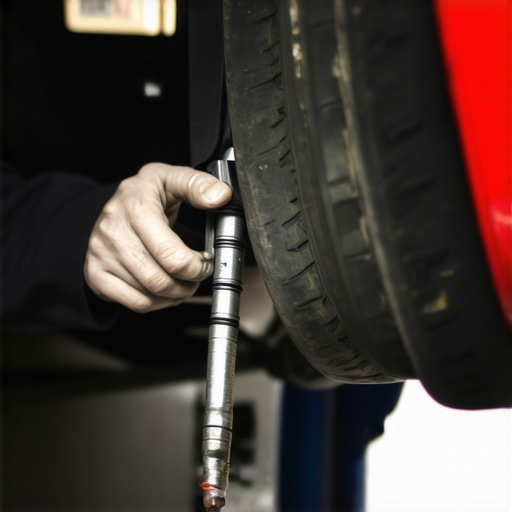 >When it comes to transmission, brake service, or general auto repair, many vehicle owners rely on popular misconceptions that can lead to costly mistakes. For example, there’s a widespread belief that regularly replacing transmission fluid isn’t crucial—yet, neglecting this can accelerate wear and cause severe transmission problems, as emphasized by experts at Collision Renew. But beyond myths, understanding the subtle intricacies, like the importance of diagnosing early signs of fluid contamination or mechanical wear, can vastly improve your vehicle’s longevity. Additionally, many drivers overlook the significance of precise timing in brake fluid replacement, which is more nuanced than just adhering to mileage intervals—it involves analyzing the fluid’s boiling point and age, as outlined in reputable vehicle maintenance literature.
One common trap is assuming all brake pads or transmission issues are straightforward, leading owners to opt for temporary fixes instead of addressing root causes. This oversight can cause problems to escalate, ending in expensive repairs or safety hazards. To avoid this, ensure you consult detailed guides like Auto Repair Secrets, which offer advanced insights into diagnosing underlying issues.
For the more experienced vehicle owner, there’s a question worth pondering:
How do subtle signs of component wear predict major failures, and how can advanced diagnostics help?
Recognizing early warning signs such as slight changes in shifting behavior or unusual sounds can save you significant money and ensure safety. Modern diagnostic tools, for instance, can detect microscopic wear patterns or fluid degradation that aren’t visible to the naked eye, as discussed in recent automotive research published in AutoTech Journal. Integrating these diagnostics into your maintenance routine is a strategic move that many neglect, risking unexpected breakdowns.
Ultimately, breaking free from these misconceptions and paying attention to the fine details of your vehicle’s health can make all the difference. Regularly scheduled inspections, understanding when to seek professional help, and staying informed through credible sources are your best defenses against unforeseen failures. Curious if your maintenance routine aligns with these insights? Dive into our comprehensive Essential Car Service Checks and stay ahead of costly repairs. Have you ever fallen into this trap? Let me know in the comments.Maintaining your vehicle’s transmission, brakes, and overall systems requires precision and the right equipment. I personally rely on advanced diagnostic tools like the ScanLab Pro Diagnostic Scanner, which connects to my car’s OBD-II port and provides real-time data on engine performance and fault codes. This device has been invaluable in pinpointing issues early, preventing costly repairs down the line. Additionally, I use a high-quality ultrasonic leak detector to identify subtle brake fluid leaks that might not be visible to the naked eye, ensuring my brake system remains sealed and responsive. My go-to about fluid health is a refractometer, which measures brake fluid contamination levels accurately, guiding me on when to flush and replace fluids to maintain optimal hydraulic pressure. For routine maintenance, I prefer using synthetic lubricants and high-performance brake pads, which improve longevity and safety, especially under demanding conditions. Software like AutoRegen PC, which I run on my laptop, helps me log maintenance data, schedule upcoming service intervals, and analyze wear patterns over time. Forecasting future needs, I believe the trend is leaning toward integrated vehicle health management systems that combine hardware sensors with AI analytics, enabling proactive maintenance. This evolution will make auto repair more about prevention than fixing after breakdowns. To keep your vehicle’s systems in top shape, I recommend investing in at least one diagnostic tool and learning how to interpret its data—this empowers you to catch issues early and saves plenty in repairs. Curious how to maintain your transmission over time? Check out detailed guides like this resource. Remember, regular diagnostics combined with scheduled inspections laid out in this checklist are your best allies in reliable vehicle maintenance. Don’t hesitate—invest in a quality scan tool today and try analyzing your car’s data after your next drive. It’s easier than you think and can make a significant difference in keeping your vehicle running smoothly for years.
Lessons That Changed My Approach to Car Care
- One of the biggest lightbulb moments was realizing that a sinking brake pedal in rain isn’t just an annoyance but a sign of deeper hydraulic issues that can compromise safety. It taught me to prioritize thorough inspections over quick fixes.
- Discovering how subtle leaks or contaminated fluid slowly erode braking performance reminded me that preventive maintenance often saves money and lives, rather than reactive repairs.
- Learning about the importance of properly bleeding brakes and diagnosing air bubbles in the hydraulic system shifted my perspective from DIY guesswork to a more meticulous, informed approach.
- My experience with professional diagnostic tools, such as ultrasonic leak detectors, opened my eyes to invisible issues lurking within brake lines—making me a more confident and proactive car owner.
Tools I Trust to Keep Brakes in Top Shape
- High-quality brake fluid testers help me determine contamination levels accurately, ensuring I replace fluid when needed rather than on a fixed schedule, which aligns with expert advice found in guides like this essential checklist.
- Ultrasonic leak detectors are invaluable for pinpointing tiny leaks, saving me from expensive repairs and unsafe driving conditions—I’ve come to rely on these over visual inspections alone.
- Diagnostic scan tools, such as the ScanLab Pro, give real-time insights into my vehicle’s health, making maintenance decisions data-driven and effective, especially for hydraulic systems.
- In addition, I trust quality synthetic brake lubricants that withstand extreme temperatures, helping my brakes stay responsive in all weather conditions.
Step Into Safer, Smarter Driving Today
Your vehicle’s braking system may hide secrets that only reveal themselves when the weather turns wet. But with the right knowledge, tools, and proactive attitude, you can keep your brakes dependable and your journeys safe. Start implementing regular inspections and diagnostics now—your safety depends on it. Need guidance to kickstart your maintenance routine? Dive into this expert resource for more insights. What’s the first step you’re planning to take to improve your car’s braking reliability in bad weather? Share your thoughts below!