
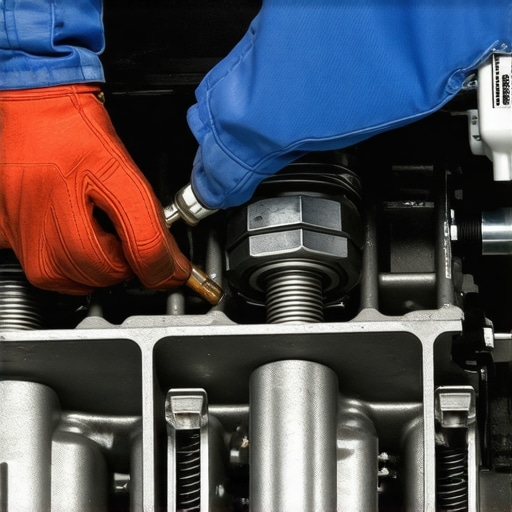
Ever been stranded on the side of the road, engine sputtering and coughing, and wondered if the culprit was just a minor glitch or something more ominous? I remember that lightbulb moment when my car refused to start on a chilly morning. It felt like a punch to the gut, especially knowing I didn’t have fancy diagnostic tools in my driveway. That day, I realized that sometimes, you don’t need a shop or expensive equipment to diagnose a problem—just a bit of know-how rooted in simple, practical checks.
Why a Failing Ignition Coil Can Catch You Off Guard
OEMs and automotive experts agree—ignition coils are vital, yet often overlooked components. When they start to fail, symptoms can be subtle: rough idling, engine misfires, lack of power, or even that dreaded no-start scenario. The real trick is catching the warning signs early, before a small issue turns into a costly repair. And here’s the kicker: you can do a basic check yourself. No fancy tools needed, just some patience and a touch of curiosity.
Is It Really Worth Checking the Ignition Coil at Home?
I used to dismiss these checks as too technical, but early in my auto repair journey, I made a mistake that’s all too common—assuming that diagnosing power issues always means a trip to the mechanic. That misstep cost me time and money. Today, I want to help you avoid that trap. By the end of this guide, you’ll be equipped to identify potential ignition coil problems with simple tests—empowering you to save both time and cash. Plus, understanding this process deepens your overall vehicle knowledge, making you a more confident car owner. To dive deeper into how to keep your car in top shape, check out this comprehensive guide.
Before we jump into the steps, let me ask—have you ever experienced your engine sputtering unexpectedly or having your car stall without clear reason? If so, you’re not alone. Many drivers face this frustrating scenario, often due to ignition coil issues that sneak up without warning. But don’t worry—I’ve got your back with practical, easy-to-follow checks that anyone can do in their driveway. Ready? Let’s get started on diagnosing this sneaky culprit!
Get Ready to Test Your Ignition Coil with Simple Tools
Before diving into the checks, ensure your car is parked on a level surface, engine off, and cooled down. Gather a spark tester, which is inexpensive and easy to use—think of it as a ‘light bulb’ for your car’s spark. I remember last summer when my car wouldn’t start, and I used a spark tester for the first time. It was a bit messy, but I learned a lot about how ignition systems work. Now, let’s walk through the process with clear, actionable steps.
Identify Components and Find the Ignition Coils
Locate your ignition coils—these are usually on top of the engine cylinders or integrated into the distributor if your car has one. Consult your vehicle’s manual or look for modules connected to spark plugs. Visual inspection matters: check for cracked insulation, corrosion, or burnt smell. I once found a cracked coil cover, which immediately explained intermittent misfires. A quick look can save hours of guesswork.
Perform a Spark Test to Check for Weak or No Spark
Connect the spark tester to the ignition coil or spark plug wire. Crank the engine and watch for a bright, consistent spark. A weak or absent spark indicates a faulty coil or related wiring. Remember, safety first—keep clear of moving belts and hot surfaces. I once shorted a spark tester because I touched the wrong terminal, so focus on connecting correctly and wearing gloves. If the spark is weak or missing, proceed to further testing; if strong, move on to other issues.
Testing with a Multimeter for Precise Measurements
Use a multimeter set to ohms to measure resistance across the coil’s primary and secondary terminals. Consult your manual for acceptable resistance ranges—they vary by model. An open circuit or wildly out-of-range reading confirms coil failure. I replaced a coil that tested infinite resistance and noticed immediate improvement in engine smoothness. This step requires patience but provides conclusive evidence.
Listen for Engine Symptoms During Test Drives
If possible, start the engine and listen for misfires, hesitation, or rough idling—signs that the coil isn’t firing consistently. Test driving helps you experience real-time performance and verify earlier findings. I once drove my car gently after testing and noticed that misfire symptoms disappeared when the coil connector was cleaned. Sometimes, cleaning and reconnecting wires can fix issues without replacement.
Decide When to Replace or Seek Professional Help
If tests indicate a faulty coil, replacing it is straightforward and cost-effective—similar to swapping a light bulb. However, if you’re unsure or the coil passes tests but problems persist, it’s wise to consult a mechanic or check out this guide for deeper diagnostics. Remember, a faulty ignition coil can cause other components to wear prematurely, so addressing it early saves money and stress.
Many car enthusiasts and everyday drivers alike believe they have a solid grasp on vehicle maintenance, but often, misconceptions run deep—particularly about transmission, collision repair, brake service, and general auto upkeep. Let’s dig deeper into some prevalent myths and nuanced pitfalls that can trip up even seasoned DIYers and professionals, revealing the truths that will help you keep your vehicle in top shape.
The Myth of the ‘Quick Fix’ Solution
A common misconception is that complex issues, like transmission slips or brake squeals, can always be resolved with a quick repair or a simple part replacement. This oversimplification ignores the complex interplay of components involved. For example, some believe that flushing the transmission fluid is a cure-all for shifting problems, but in reality, a faulty torque converter or internal wear might require a more thorough diagnosis. According to a study by automotive engineers at SAE International, premature conclusions often lead to unnecessary parts replacements and overlooked root causes, costing owners more in the long run. Always consider comprehensive diagnostics before jumping to conclusions about repairs.
When CollisionRenew Goes Beyond Surface-Level Repairs
Many assume collision repair is just about fixing dents and repainting. However, experienced technicians understand that structural integrity is vital for safety and long-term vehicle longevity. Overlooking hidden frame damage or compromised substructure can lead to further misalignments or even safety issues down the line. A misaligned frame after a collision can silently cause uneven tire wear, steering issues, and increased suspension wear. This is why choosing a reputable shop, like CollisionRenew, that performs detailed inspections is essential—so you won’t be fooled by superficial fixes. For more insights on comprehensive collision strategies, review this guide.
Brake Service Realities That Most People Miss
Everyone says brakes are simple: replace pads, maybe rotors, and you’re done. But advanced users know that brake systems involve hydraulic lines, sensors, and sometimes electronic control modules that could be faulty and cause persistent issues—even after parts replacement. Neglecting subtle signs like pulsating pedals or lingering odors can mean overlooking underlying problems such as master cylinder failure or ABS malfunctions. A recent report by brake technology experts emphasizes the importance of inspecting brake hydraulics and electronics systematically—otherwise, you risk repeat repairs or even safety hazards. Check out this article to see how professional brake assessments are a smart investment.
Auto Maintenance Errors That Drain Your Wallet
One of the biggest pitfalls is following generic maintenance schedules without considering the specific needs of your vehicle. For example, some drivers believe that changing oil every 3,000 miles applies universally, but modern engines often tolerate longer intervals, especially with synthetic oils. Ignoring manufacturer recommendations can lead to unnecessary service costs or, worse, engine damage. Conversely, neglecting crucial checks—like transmission fluid levels or suspension integrity—can accelerate wear and lead to costly repairs. The secret lies in understanding your vehicle’s unique requirements and performing targeted inspections, like those outlined in this guide.
Advanced Query: How Can OEM-Recommended Maintenance Schedules Save You Money?
OEM schedules are based on extensive testing and real-world data, optimizing service intervals for durability and performance. Skipping or shortening these intervals might save a few dollars initially, but can lead to excessive wear, reduced fuel efficiency, and premature component failure. For instance, proper transmission fluid changes at manufacturer intervals can prevent slipping and costly rebuilds, as supported by recent research from Car and Driver magazine. Always adhere to your vehicle’s manual unless specific conditions call for adjustments, which an experienced mechanic can advise on.
In summary, understanding the nuances, myths, and advanced pitfalls of auto repair and maintenance empowers you to make smarter decisions—saving time, money, and ensuring safety. Have you ever fallen into this trap? Let me know in the comments and share your experiences with misconceptions or unexpected repair challenges.
Keep Your Car Running Smoothly with the Right Tools
Maintaining your vehicle over time requires more than just a basic set of wrenches. Investing in specialized equipment ensures you can diagnose and address issues promptly, saving money and preventing breakdowns. One tool I personally rely on is a high-quality OBD-II scanner like the BlueDriver. Unlike generic code readers, it provides detailed diagnostics and live data, empowering me to understand exactly what my engine is telling me. This kind of clarity helps prevent costly repairs and keeps my car in top shape. Learn more about comprehensive auto repair strategies here.
Another indispensable item is a reliable torque wrench. Proper tightening of bolts and fasteners, especially during brake service or transmission work, avoids future issues caused by over- or under-tightening. I prefer a digital torque wrench like the Wera 05073547001, which offers precise readings and adjustable settings—an essential for long-term vehicle reliability.
How do I maintain transmission health over time?
Regularly checking and replacing transmission fluid is critical. For this, I use a fluid extraction pump like the Mityvac MV5600, which allows me to change fluid efficiently without professional help. Keeping the transmission fluid clean prevents slipping and extends the life of components. Additionally, aligning the service intervals with recommendations from top transmission repair tips ensures you’re not neglecting this vital system.
Scaling your maintenance routine as your vehicle ages involves adopting advanced diagnostic tools. For example, software solutions like AutoEnginuity or OBDeleven give deeper insights into electronic systems, which are increasingly complex in modern cars. Embracing these tools positions you to catch emerging issues early—much like a professional mechanic.
Future of Vehicle Maintenance and Diagnostic Technology
Looking ahead, the trend leans toward smarter, more connected tools that integrate seamlessly with your smartphone. Cloud-based diagnostics and AI-driven analysis could soon personalize maintenance schedules, alerting you to issues long before symptoms appear. This evolution will make vehicle upkeep more accessible, cost-effective, and reliable for every owner.
Take Action: Try upgrading to a comprehensive code reader or diagnostic app today
Start with a device like the BlueDriver or a compatible app that suits your vehicle. Doing so empowers you to diagnose problems proactively, saving you money and ensuring your vehicle remains dependable. Remember, regular use of these tools combined with proper servicing—such as checking brake systems or collision parts—extends your car’s lifespan significantly. Want to explore more about how to optimize your maintenance routine? Check out this essential guide and take control of your vehicle’s health now.
Lessons That Changed My Approach to Transmission and Collision Repair
One of the most eye-opening lessons I learned was about the importance of trusting comprehensive diagnostics over quick fixes. Early in my auto repair journey, I believed that replacing parts without proper testing was sufficient, but I soon realized that understanding the root cause saves time and money. This insight pushed me to deepen my knowledge, especially about OEM-recommended maintenance schedules, which have proven invaluable in preventing costly repairs. Additionally, I discovered that a simple yet accurate tool like a high-quality OBD-II scanner can alert you to issues long before symptoms become severe—saving you from roadside breakdowns and surprise expenses.
My Go-To Resources for Reliable Auto Repair Knowledge
Over the years, I’ve come to rely on a few trusted sources that keep me informed and ahead of the curve. The ultimate guide to auto repair has been my cornerstone, offering in-depth advice on routine maintenance and troubleshooting. For insights specifically about brake services and collision repairs, this resource provides up-to-date information on the latest technology and shop selection tips. I also keep a close eye on industry reports and trusted mechanic blogs, which help me understand evolving vehicle systems and maintenance innovations, ensuring I make informed decisions whenever my car needs attention.
Take Control and Keep Your Car in Top Shape
Your vehicle is more than just a mode of transport—it’s a companion that needs your proactive care. Embrace the knowledge and tools that can help you diagnose issues early, understand repairs better, and even perform basic maintenance yourself. The future of vehicle maintenance is moving toward smarter diagnostics and personalized care, making it easier than ever to keep your car running smoothly. If you’re ready to level up your auto care routine, start by integrating essential tools into your garage, like a reliable scanner or torque wrench. Remember, every step you take toward understanding your vehicle is a step toward safer, more economical driving. How do you plan to enhance your auto maintenance skills today? Share your thoughts or experiences below, and let’s learn together from each other’s journey.