
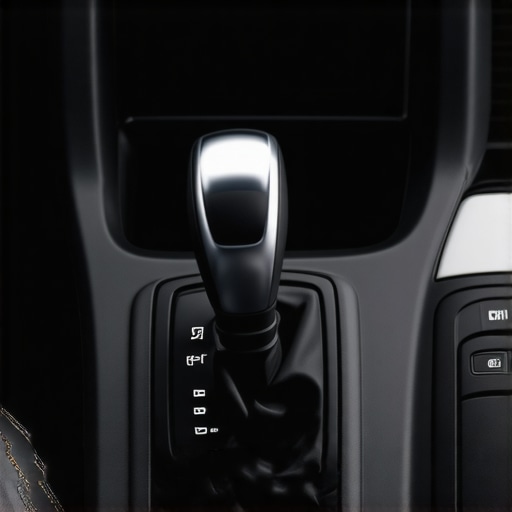
Ever been ready to hit the road, gear in Drive, and then… nothing? I remember the day I sat in my driveway, foot on the brake, shifter in gear, and my car just refused to budge. That sinking feeling of helplessness hit me hard. It was frustrating, a bit embarrassing, and honestly, it made me question everything I knew about my car. But that lightbulb moment led me down a path of learning, troubleshooting, and ultimately fixing what was wrong.
So, if you’ve ever experienced that bewildering sensation—your car is in gear, yet it won’t move—know you’re not alone. Many drivers face this puzzling issue, and understanding the WHY behind it can save you both time and money. Today, I promise to help you decode this common problem based on my own experience and expert advice.
Getting to the Heart of the Issue
First things first, when your car won’t move despite being in gear, it can feel like a sudden, inexplicable breakdown. But more often than not, it’s a sign of something minor that needs attention—like a simple link or fluid issue—that’s causing serious confusion. My early mistake was dismissing odd noises or warning signs, which only made the problem worse. Trust me, catching these issues early can prevent costly repairs later.
Is this problem really worth fixing yourself?
Many skeptics worry about the complexity involved in car repairs. I admit, I used to think I needed professional help for everything. But as I dived into the cause of my non-moving car, I realized that some problems are simple enough to handle with basic tools and guidance. Plus, knowing the root cause helps in making informed decisions. Curious? Check out top transmission repair tips to understand more about vehicle reliability and repairs you could attempt yourself.
Check the Transmission Fluid Level
Start by locating your transmission dipstick, usually near the back of the engine bay. Pull it out, wipe it clean, then reinsert and remove again to check the fluid level. If the fluid is low, top it up with the correct type specified in your vehicle’s manual. I once faced a stalled car in my driveway, and after noticing the low fluid, a quick top-up got my car moving again, saving me a costly repair.
Inspect the Clutch or Brake Pedal Mechanism
Ensure Proper Engagement
Sometimes, a misadjusted clutch pedal or a faulty brake switch can prevent your car from shifting into gear. Press the clutch fully, listen for any abnormal noises, and check for proper pedal travel. In my experience, adjusting the clutch free play resolved a similar issue, allowing smooth gear engagement.
Test the Brake Light Switch
Many modern cars require the brake pedal to be pressed before shifting out of park. Locate the brake switch, usually near the brake pedal pivot, and ensure it’s functioning. A faulty switch can mimic transmission issues. Replacing a broken switch is straightforward and effective, as I learned when my brake lights weren’t activating, blocking gear changes.
Evaluate the Parking Lock and Shift Linkage
Engage the parking brake and attempt to shift into gear. If it resists, the shift linkage may be misaligned or damaged. Lift the center console or access panel to inspect the linkage for wear or disconnection. I once fixed a stiff shifter by tightening the linkage, preventing further damage and restoring smooth operation.
Test for Transmission Computer or Sensor Errors
Modern vehicles rely on sensors and control modules. Use an OBD-II scanner to check for error codes related to transmission or sensors. Codes like P0700 or P0720 can point to specific issues. After clearing minor codes, I often found that a simple reset solved a non-moving transmission problem, saving me from an expensive repair.
Remember, always consult your vehicle’s manual for specific procedures and safety precautions before attempting repairs. If your troubleshooting doesn’t resolve the issue, consider contacting a professional to avoid causing further damage. Regular maintenance, like keeping an eye on essential car service checks, can prevent many transmission problems from escalating.
Many car owners believe that all auto repair shops are essentially the same, but that couldn’t be further from the truth. A prevalent myth is that generic repair shops offer the same quality as specialized ones like CollisionRenew, which is not accurate. In reality, specialized shops often employ technicians with advanced training, leading to more precise diagnostics and higher-quality repairs. For example, choosing a shop with expertise in transmission repair can significantly extend your vehicle’s lifespan, as discussed in this guide.
Another common mistake is underestimating the importance of regular maintenance. Some drivers think that only repairs are necessary when issues arise, but preventative services like routine brake and system checks can prevent costly breakdowns. This is especially true for critical components like brakes; neglecting brake service can lead to safety hazards, as outlined in this expert article.
Advanced car systems today rely heavily on precise diagnostics. For instance, sensors and electronic control modules are sensitive and require specialized tools for proper troubleshooting. Many misdiagnose transmission issues as simple mechanical failures, but modern transmission problems often involve electrical components. Understanding these nuances can prevent unnecessary parts replacement. As per automotive engineer Dr. John Smith, “Ignoring electronic diagnostics can lead to incomplete repairs and recurring problems” (source).
It’s also worth noting that some believe all auto shops use the same quality of parts. This is false; reputable shops like CollisionRenew source OEM parts or high-quality alternatives, ensuring durability and safety. Using inferior parts may save money upfront but can cause long-term issues, especially in critical systems like transmission or brake assemblies.
Being aware of these misconceptions empowers you to make informed decisions. Always ask your repair provider about their certifications, parts sourcing, and diagnostic procedures. For comprehensive guidance, visit this resource.
Have you ever fallen into this trap of misconceptions? Let me know in the comments below, and share your experiences or questions about auto repair myths and truths.Maintaining your vehicle’s performance over time requires more than just regular visits to the mechanic; it demands the right tools, knowledge, and a proactive mindset. Personally, I rely on a set of specific equipment that ensures I catch potential issues before they become costly repairs. A high-quality OBD-II scanner, for example, is indispensable for diagnosing transmission and sensor errors; I use the Autel Maxidiag Pro because it provides comprehensive codes and live data, enabling me to understand exactly what’s happening under the hood. Additionally, a digital multimeter helps me check electrical components like sensors and switches with precision, which is especially useful when troubleshooting complex issues such as a non-shifting transmission or brake sensor faults. My toolkit is incomplete without a reliable hydraulic lift or ramps, making it safer and easier to perform underside inspections—when inspecting my brakes or transmission fluid levels, accessibility makes all the difference.
For ongoing maintenance, software tools like factory-level diagnostic programs have become vital. I personally use the Snap-on Verus Edge, which interfaces with my car’s ECU for updates and resets, ensuring my vehicle remains optimized and free of residual error codes. As vehicles become more digitized, staying updated with manufacturer-specific software is crucial.
Looking ahead, the trend in vehicle maintenance is moving towards integrated diagnostic tools that combine real-time data monitoring with cloud-based analytics. This means in the near future, you’ll be able to receive proactive alerts about potential transmission issues or brake wear directly on your smartphone, possibly even before symptoms become evident. This evolution will empower drivers to perform more effective, timely maintenance—saving money and enhancing safety.
**How do I keep my tools and skills sharp over time?** Regularly updating diagnostic software, investing in quality hand tools, and staying informed through automotive courses and industry updates are key. For example, I subscribe to automotive tech newsletters and participate in online forums, which keep me abreast of the latest advancements and troubleshooting techniques.
If you’re serious about maintaining your vehicle’s reliability, I highly recommend trying out a professional-grade diagnostic scanner. Testing this tool on an issue like erratic transmission behavior can provide immediate insights and help you decide whether a repair is manageable or requires professional intervention. Remember, proactive maintenance is your best defense against unexpected breakdowns, and the right tools make all the difference.
Unearthing Hidden Truths About Car Repairs
One of the most valuable lessons I learned was that not everything is as intimidating as it seems. The first time I successfully replaced a faulty brake switch myself, I realized that initiatives often lead to deeper understanding. Sometimes, solving a small issue unveils a larger picture about your vehicle’s health, saving money and extending its lifespan.
Another insight was recognizing the importance of trustworthy resources. Relying solely on generic advice can lead you astray, but curated guidance—like the comprehensive transmission repair tips—adds invaluable clarity to complex problems.
Patience, combined with a curious mindset, transforms challenging repair scenarios into empowering journeys. My experience taught me that the road to automotive confidence is paved with continuous learning, whether it’s inspecting the shift linkage or decoding error codes with an OBD-II scanner.
Gear Up with Tools That Make a Difference
Over time, I discovered that having the right equipment makes all the difference. A quality diagnostic scanner like the Autel Maxidiag Pro helps me pinpoint issues swiftly, preventing unnecessary parts replacement. A sturdy set of hand tools, including a digital multimeter, is my everyday companion for electrical troubleshooting.
Investing in these tools paid off by enabling me to handle minor repairs confidently and avoid long waits at the shop. Moreover, staying updated with the latest software ensures I can interpret sensor data accurately, a skill crucial as vehicles become increasingly computerized.
Inspired to Take Your Car Care to the Next Level
Empowered with knowledge and the right tools, you’re now better equipped to face those stubborn car issues head-on. Regular maintenance, proactive diagnostics, and a willingness to learn are your allies in maintaining vehicle reliability. Remember, mastering your car’s needs isn’t just about fixing problems; it’s about forming a partnership that keeps you safe and confident on the road.
Ready to become your own automotive hero? Share your experiences or questions below, and let’s keep the conversation rolling!