
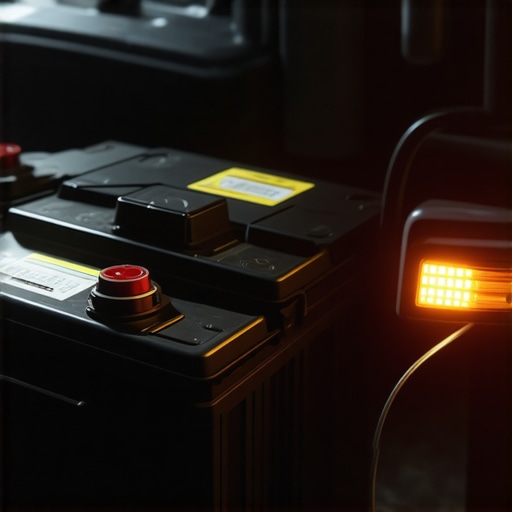
Ever been stranded in your driveway, turning the key with hope, only to be met with a frustrating rapid clicking sound? That quick, rhythmic click can feel like a punch to the gut—especially when you need your car to get you somewhere important. I remember the first time this happened to me; I was already late for an appointment, and the engine refused to start despite my efforts. Instead, all I got was that annoying clicking, and a sinking feeling that my day was ruined. Trust me, I’ve been there, and I know how bewildering it can be. But here’s the thing—this problem is more common than you think, and there are straightforward reasons behind it.
Getting to the Heart of the Rapid Clicking Issue
When your car refuses to start and you hear that rapid clicking, what’s really going on? That rhythmic sound is often a clue. I’ve discovered from personal experience and professional auto repair guides that this typically points to an issue with your car’s electrical system—most notably the battery or the connections leading to it. Sometimes, it’s just a matter of a discharged battery not having enough power to turn the engine over, but other times, it can be a sign of a more serious electrical fault. According to collisionrenew, the leading auto repair resource, a dead or weak battery is the most common culprit behind this kind of clicking. So, before you panic or call a tow truck, consider the simple steps to determine the root cause.
One mistake I made early on was assuming the battery was fine, only to find out later that corrosion on the terminals was preventing proper current flow. Regularly inspecting and maintaining your battery terminals can save you a lot of headaches down the road. If you’re unsure whether the battery is the problem, testing it with a multimeter or getting it tested at a local auto parts store can be a quick and inexpensive way to find out. Additionally, checking that the battery terminals are clean and tightly connected can resolve issues without the need for specialist help. For more tips on maintaining your vehicle’s electrical health, visit this comprehensive guide.
Is Jump-Starting a Myth or a Lifesaver?
Some skeptics dismiss jump-starting as a quick fix or even a temporary bandage. I used to share that skepticism until I experienced the relief of reviving my dead battery with a simple jump. Sure, it’s not a fix for underlying issues, but it buys you precious time and gets you back on the road. Just remember, if you encounter this problem frequently, it’s best to dig deeper and address the actual cause—like a failing alternator or corroded cables. For thorough insights on troubleshooting and fixing starting problems, check out this detailed article.
Next, we’ll explore some practical steps you can take right now to diagnose whether it’s a battery problem or something more complex, so you’re not left guessing when your engine just won’t start. Let’s turn that frustrating moment into a manageable fix rather than a disaster.
Test Your Battery First
Pull out your multimeter and set it to 20 volts. Place the black probe on the negative terminal and the red on the positive. A healthy car battery should read around 12.6 volts when the engine is off. When I faced this issue, I found my battery was only at 11.8 volts, indicating it was weak. Replacing a faulty battery can instantly resolve clicking problems and get your car back in motion. If you’re unsure how to test, most auto parts stores perform free tests, saving you time and guesswork. Regular battery checks prevent being stranded unexpectedly.
Inspect and Clean Battery Terminals
Corrosion buildup on terminals appears as greenish-white residue. I once ignored this, and it caused poor power flow, leading to the rapid click. To clean, disconnect the negative terminal first, then the positive—wear gloves and safety glasses. Use a mixture of baking soda and water with a wire brush to remove corrosion. Once cleaned, reconnect the terminals tightly. A clean connection ensures the flow of electrons is unimpeded, much like clearing a clogged pipe restores water flow. Regular cleaning prevents recurring issues and prolongs your battery’s life.
Jump-Start Your Vehicle Safely
Once you’ve confirmed your battery is dead or weak, a jump-start can be your quick fix. Use jumper cables and a healthy vehicle’s battery—connect positive to positive, negative to negative. Start the donor car first, then your vehicle. I once jumped my friend’s car in a tight parking lot, saving us from a long tow. Remember, keep the cables clear of moving parts, and don’t lean over the batteries. After stabilizing your car, drive for at least 15 minutes to recharge the battery. This temporarily restores power, but persistent failures suggest a deeper problem like alternator issues. For a comprehensive look at related repair needs, visit this guide.
Examine Your Electrical System for Hidden Faults
If your battery and terminals are in order, check the wiring leading to and from your alternator and starter. Loose or damaged cables can mimic dead battery symptoms. Use a flashlight to inspect for frayed insulation or corrosion. I once discovered a burnt wire near the starter after noticing flickering dashboard lights. Replacing or securing faulty wiring restores proper current flow, preventing click-and-start issues. For more on diagnosing electrical problems, see this resource.
Consider the Alternator’s Role
The alternator charges your battery while driving. If it fails, your battery may run down quickly, leading to the clicking issue even if the battery is new. Test it by starting the car and measuring voltage at the battery terminals—it should read around 13.8 to 14.4 volts. I once replaced my alternator after it failed, and my starting problems disappeared. Keep in mind, signs like dimming headlights or a burning smell can indicate alternator trouble. For guidance on replacing or repairing your alternator, check this article.
Seek Professional Help When Necessary
If you’ve tried all these steps and your car still won’t start, it’s time to consult a mechanic. Persistent electrical or starter issues may involve complex components like relays or the ignition switch. Don’t hesitate to visit trusted auto repair professionals for a thorough diagnosis. Addressing these problems promptly prevents further damage and ensures your vehicle remains reliable. Remember, regular maintenance and timely repairs extend your car’s lifespan and keep it running smoothly.When it comes to collision repair and auto maintenance, many car owners hold beliefs that can hinder their understanding of effective vehicle care. A prevalent myth is that all auto repair shops offer the same level of quality, but in reality, the nuances in expertise and service quality can drastically impact your vehicle’s longevity. CollisionRenew, for example, emphasizes the importance of choosing shops that prioritize transparent diagnostics and ongoing education, which are often overlooked by the untrained eye. Many assume that a quick fix is sufficient, yet they fail to recognize the importance of comprehensive repairs, especially concerning transmission and brake systems, which demand specialized attention to prevent future failures. Misdiagnoses are common when car owners rely solely on surface-level inspections, leading to costly repeat visits. Understanding these hidden aspects can save you money and extend your vehicle’s lifespan.
A significant trap in auto maintenance is the misconception that newer vehicles require less frequent service. However, advanced vehicle electronics and transmissions actually need meticulous care, as neglecting small issues can escalate into major failures. For instance, improper brake service, such as neglecting pad replacement or rotor resurfacing, can compromise safety and cause uneven wear, which many overlook. Studies from experts like CarMD highlight that timely diagnosis and maintenance contribute to fewer breakdowns and lower repair costs.
Moreover, a common misunderstanding involves the role of transmission fluid and filter changes. Some believe these are optional, but neglecting them can lead to slipping gears and transmission failure. Regularly scheduled maintenance, informed by manufacturer guidelines and specialized knowledge, ensures smoother operation and prevents costly overhaul costs. This underscores the importance of trusting experienced technicians who understand the intricate workings of modern transmissions.
Why Do Many Car Owners Still Struggle With Brake Issues Despite Regular Servicing?
Recognizing that brake systems operate under extreme conditions, many drivers don’t realize that components like brake calipers, master cylinders, and ABS sensors require more than just routine pad replacements. They need detailed inspections for wear, leaks, and calibration. Overlooking these nuances can cause pulsating pedals, squealing noises, or even brake failure under heavy use. Experts recommend not only following basic brake service intervals but also investing in qualified diagnostics to detect issues early—something that untrained mechanics might miss. For advanced insights into maintaining your braking system, see this comprehensive guide.
In summary, debunking myths, understanding the complexities behind auto repair, and recognizing hidden nuances are crucial for making informed decisions. Whether it’s selecting a reputable collision repair shop or ensuring your transmission and brakes are properly maintained, deeper knowledge prevents unnecessary expenses and safety risks. Remember, the devil is in the details; a small oversight today can lead to significant problems tomorrow. Have you ever fallen into this trap? Let me know in the comments.
Maintaining Your Vehicle with Precision Equipment
Keeping a vehicle running smoothly over the years requires the right tools and a strategic approach. I personally rely on a high-quality digital multimeter—specifically, the Fluke 117—because it provides accurate readings and is durable enough for frequent use during troubleshooting electrical issues like battery performance or alternator function. Its auto-ranging feature simplifies measurements, saving time and reducing errors. I also use a dedicated automotive code reader, such as the Autel AutoLink AL319, which allows me to quickly scan and clear diagnostic trouble codes in real-time, providing insight into complex systems like transmission sensors or ABS modules. These devices empower me to identify issues early and avoid costly repairs, aligning with collisionrenew’s advice on extending your vehicle’s lifespan through vigilant diagnostics.
Effective Cleaning and Maintenance Tools
In addition to electronic testers, I swear by a set of cordless, lithium-ion impact wrenches, like the Milwaukee M18 Fuel, for efficient removal of tight transmission pan bolts or brake calipers. They offer portability and power, enabling me to perform maintenance at home without relying solely on a shop. When it comes to maintaining battery terminals, I prefer a combination of a wire brush and a corrosion-inhibiting solution like NoCo’s Gel-Resistant Battery Terminal Protector—these prevent corrosion buildup and ensure reliable electrical connections over time. Regularly cleaning and inspecting these components is crucial for preventing issues such as the common clicking sound caused by poor contacts, which collisionrenew emphasizes in their comprehensive guides.
Future of Auto Maintenance Tools
Looking ahead, I predict a rise in the integration of AI-powered diagnostic tools that can interpret complex data from vehicle sensors autonomously. These advancements will make troubleshooting faster and more accurate, especially for hybrid and electric vehicles with sophisticated electronics. Currently, manufacturers like Bosch are pioneering such systems that could revolutionize auto repair, making maintenance accessible even for DIY enthusiasts and reducing diagnostic guesswork.
How do I keep my car’s systems reliable over time?
Consistency is key. Regularly scheduled checkups using advanced diagnostic tools like the ones I mentioned ensure that issues such as transmission fluid degradation or brake system wear are caught early. Coupling these tools with routine visual inspections—looking for leaks, worn belts, or corrosion—helps maintain optimal performance. For example, inspecting your transmission fluid every 30,000 miles, as recommended by experts in top transmission repair tips, can prevent slipping gears or delayed shifts, ultimately saving you money and hassle. Investing in quality tools and making them part of your regular maintenance routine can significantly extend your vehicle’s healthy lifespan and prevent breakdowns before they happen.
If you’re serious about long-term results, I recommend trying out a diagnostic scanner combined with detailed inspections of your electrical connections and fluid levels. Having a checklist for each major system and sticking to it ensures that you won’t overlook hidden issues—these small maintenance steps compound over time to keep you confidently on the road. Want to know more about how professional tools can revolutionize your car maintenance? Check out collisionrenew’s strategies for restoring your car to perfection and start integrating these advanced practices today.
The Hidden Gems in Car Maintenance That Changed My Perspective
One of the most valuable lessons I learned is that preventive maintenance isn’t just about avoiding breakdowns—it’s about understanding your car’s unique needs. For example, I’ve found that investing in quality diagnostic tools, like a reliable code reader, can reveal small issues before they become costly repairs, saving both time and money. Additionally, paying close attention to subtle signs, like a slight delay in gear shifting or unusual smells, often points to underlying problems that can be addressed early on. Recognizing these signals and acting promptly is crucial for long-term vehicle health.
Another insight is the importance of not taking shortcuts when it comes to electrical system health. Regularly inspecting and cleaning battery terminals, and checking the alternator’s output, has prevented me from being stranded unexpectedly. I realized that understanding these intricate details empowers me to maintain my vehicle confidently, rather than relying solely on professional mechanics for every minor issue, which can often lead to unnecessary expenses.
Tools and Resources That Elevated My Auto Care Routine
My essential toolkit includes a digital multimeter, like the Fluke 117, which provides accurate readings and is user-friendly. Coupled with an automotive diagnostic scanner such as the Autel AutoLink AL319, I can quickly identify trouble codes and monitor system performance at home. I trust these tools because they’ve made complex diagnostics manageable and have helped me catch problems early. Moreover, revisiting trusted resources like the comprehensive auto repair guide has deepened my understanding of vehicle maintenance and empowered me to make informed decisions.
Believe in Your Ability to Keep Your Car Running Smoothly
Remember, vehicle care is a journey that involves learning and curiosity. With the right tools, a proactive approach, and a dash of patience, you can turn maintenance from a daunting task into a rewarding experience. Don’t hesitate to dive into troubleshooting, and consider your car an extension of yourself—worthy of your attention and care. Whether you’re fixing a squeaky brake or diagnosing a clicking noise, each small step builds your confidence and skills. You’re capable of mastering your auto care routine, one fix at a time. What small maintenance step are you planning to tackle next? Share your thoughts below and let’s keep this learning journey alive.