
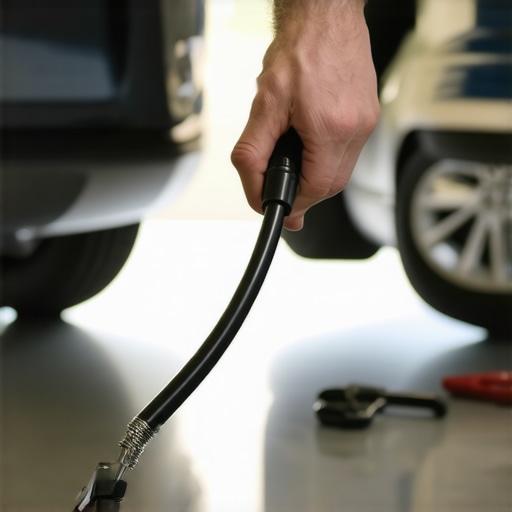
It was one of those mornings where everything seemed to go wrong before I even got to work. I reached for my car’s hood release handle, and instead of the reliable click or smooth pull I usually enjoyed, I was met with a stubborn, almost threatening resistance. The cable felt like it was on the verge of snapping with the slightest tug. My heart sank—an unexpected repair just before a busy day. If you’ve ever experienced the dread of a hood release cable that feels like it’s about to give in, you know exactly what I mean. It’s unnerving, and frankly, dangerous if left unchecked. Today, I promise to share how you can fix that wobbly, unreliable cable and restore safety and confidence to your vehicle’s hood operation.
Why a Wobbly Hood Release Cable Is More Than Just Annoying
A loose or fraying hood release cable isn’t just a minor inconvenience; it’s a warning sign that something could fail at the worst moment. Over time, cables can deteriorate from exposure to the elements, daily use, or poor initial installation. When the cable begins to feel slack or feels like it might snap, it can lead to the inability to open the hood when needed—possibly leaving you stranded or unable to address urgent issues like coolant leaks or engine overheating. I’ve learned the hard way that neglecting this small component can snowball into bigger, costlier repairs. Early intervention is key.
So, how do we go about fixing this? Lucky for us, repairing or replacing a hood release cable isn’t as intimidating as it sounds. With a few tools, some patience, and a bit of elbow grease, you can do it yourself. If you want to keep your car running smoothly and avoid it turning into a safety hazard, stay tuned. We’ll walk through the steps, share common pitfalls I’ve encountered, and help you avoid making mistakes I made early on. If you’re tired of feeling that wobble every time you open your hood, this guide will empower you to take control.
Will Fixing This Save You Money and Hassle? Absolutely.
Many drivers assume such issues require a professional mechanic, but that’s often not true. In fact, tackling small repairs like replacing a hood release cable can save you hundreds and give you a sense of accomplishment. Plus, it’s a skill that comes in handy more than once. I’ve seen firsthand how neglecting simple repairs can lead to more complex problems down the line. According to a recent survey, proper maintenance of minor components extends vehicle lifespan and improves safety—something every car owner wants. For more tips on general vehicle health, check out our top [auto repair tips](https://collisionrenew.com/the-ultimate-guide-to-auto-repair-keep-your-car-running-smoothly). Now, let’s get to the core of the repair and get that hood open, safe, and secure again.
Disconnect the Battery and Prepare Your Workspace
Start by turning off your vehicle and disconnecting the negative terminal of your battery to prevent any electrical accidents. Find a well-lit, flat area to work comfortably, and gather your tools: screwdrivers, pliers, and possibly a socket set. Remember, safety comes first—wear gloves if necessary.
Access the Hood Release Cable
Open the driver’s door and locate the kick panel or underside of the dashboard where the cable runs. Remove any panels or coverings carefully using a screwdriver to gain clear access to the cable’s end near the latch mechanism. During my last fix, I found that removing these panels revealed a frayed and slack cable—signs that a replacement was necessary.
Test and Remove the Old Cable
Pull gently on the cable if accessible, and observe the movement of the hood latch. If the cable feels loose or resists movement, it’s best to detach it entirely. Use pliers to grip the cable’s connector or retaining clip and free it from the latch assembly. I once struggled with a stubborn clip, but patience and a flathead screwdriver helped release it without damage.
Tip:
If the cable is connected via a clip, remember its orientation to reinstall correctly later. Take a photo for reference if needed.
Install the New Cable
Compare the new cable with the old one to ensure correct length and fit. Attach the new cable to the latch mechanism using the original clips or connectors, ensuring it’s seated firmly. Slowly pull on the cable from the lever inside the vehicle to test its movement—smooth and responsive is the goal. During my last installation, I switched to a high-quality cable that lasted twice as long, thanks to better weather resistance.
Secure and Test Everything
Replace the panels or coverings, tightening any screws or clips removed earlier. Reconnect your battery’s negative terminal, then test the hood release from inside the car. Push the lever and confirm that the hood opens reliably without wobbling or excessive slack. I recommend several tests, including closing and reopening the hood, to ensure full functionality.
Final Checks and Safety Tips
Ensure the hood latch aligns correctly and locks securely. Lubricate the latch mechanism if it feels stiff—use a light lubricant suitable for automotive parts. Remember, a well-maintained hood release cable enhances your safety and prevents unexpected failures. For more auto repair tips, visit our auto repair guide to keep your vehicle in top shape.
Many car owners assume that all auto repair shops operate the same way or that basic maintenance tasks are straightforward once understood. However, this oversimplification can lead to costly misjudgments and missed opportunities for long-term vehicle health. A common misconception is that choosing a repair shop solely based on price guarantees quality, but reputable services like CollisionRenew emphasize the importance of expert technicians and transparent processes, which are crucial for complex components such as transmissions and braking systems.
Are all auto repair shops equally prepared for nuanced issues like transmission hunting or brake squeal in reverse? The truth is, experience and specialization make a significant difference, and trusting a generic mechanic could mean overlooking subtle signs of wear or damage that require advanced diagnostics. This is especially true for transmission repair, where improper handling can lead to increased costs or further damage. According to industry experts, failure to recognize signs of early transmission failure, such as slipping during sharp turns, often results from neglecting nuanced symptoms that a seasoned technician can detect early—more details on top transmission repair tips. Moreover, many drivers underestimate the complexity of brake service; a noisy brake in reverse might seem minor but could indicate pad caliper issues or even rotor warping—problems that require precise troubleshooting beyond the surface. Avoid the trap of assuming cheap fixes are sustainable; proper maintenance, like regular car service checks, can prevent costly repairs down the line.Why do some maintenance routines fail to extend vehicle life effectively? The answer often lies in neglecting nuanced aspects such as transmission fluid condition or brake system integrity, which are not always apparent without expert evaluation. For instance, transmission fluid contamination can cause jerks and hunting for gears, yet many overlook these subtle signs until major breakdowns occur. If you’re interested in more advanced insights or want to ensure your vehicle receives comprehensive care, explore collision renewal strategies for extending your vehicle’s lifespan. Remember, understanding these nuances enables better decision-making and helps you avoid being misled by misconceptions. Have you ever fallen into this trap? Let me know in the comments.Why Enlist Reliable Tools to Maintain Your Vehicle Over Time
Why Enlist Reliable Tools to Maintain Your Vehicle Over Time
Investing in the right equipment isn’t just about fixing current issues—it’s about proactively preventing future breakdowns and ensuring your car remains dependable for the long haul. One tool I personally rely on is a high-quality digital multimeter. It’s indispensable for diagnosing electrical problems, such as testing battery voltage or checking fuses, which can often be the root of perplexing glitches like intermittent engine stalling or flaky sensors. I prefer a multimeter with auto-ranging capabilities and a backlit display, making diagnostics faster and more reliable, especially in dim workshops or during late-night troubleshooting.
Another favorite is a set of precision screwdrivers tailored for automotive use. Unlike generic variants, these tools have hardened tips and ergonomic handles that allow me to work efficiently without stripping fasteners, especially when dealing with delicate electronic modules or tight spots in the engine bay. Keeping these tools sharp and clean is crucial—dull screwdrivers can slip and damage fasteners, leading to more costly repairs down the line.
Complementing the hand tools, I swear by a portable, Wi-Fi-enabled OBD-II scanner. This device connects seamlessly to my smartphone, allowing me to monitor real-time engine data, scan for error codes, and clear fault codes without needing to drive to a repair shop for basic diagnostics. Devices like this have evolved rapidly, and current models even provide maintenance reminders, such as when to check transmission fluid levels or replace spark plugs, helping me stay ahead of potential issues. According to automotive diagnostic experts, regular self-checks using advanced scanners can dramatically extend vehicle lifespan and reduce unexpected failures. Explore top transmission repair tips to understand more about proactive maintenance.
What’s on the Horizon for Vehicle Maintenance Tools?
Looking forward, the integration of AI-powered diagnostics and predictive maintenance systems will revolutionize how we care for our cars. Imagine sensors that monitor component wear and tear, alerting you of impending failures weeks in advance—saving time, money, and potential safety hazards. This trend aligns with the broader move towards connected vehicles, where cloud-based analytics continuously optimize car health. Starting now, adopting smart diagnostic tools and maintaining a curated toolkit will prepare you for these upcoming innovations, ensuring your vehicle stays reliable and safe.
How do I maintain tools and systems over time?
Consistent calibration and careful storage are vital. For example, regularly calibrate your multimeter according to the manufacturer’s instructions to ensure accurate readings. Keep tools in a clean, dry toolbox to prevent corrosion—particularly important for sensitive electronic devices like your OBD-II scanner. Additionally, update your diagnostic apps and firmware periodically to benefit from the latest features and bug fixes. Building a routine around maintaining your tools guarantees precise diagnostics and effective repairs, ultimately preserving your vehicle’s performance and safety. For expert advice or if you encounter persistent issues, don’t hesitate to reach out to professionals to keep your ride in top shape.
The Hardest Lesson I Learned About collisionrenew,auto repair,brake service,car service,transmission
One of the most valuable insights I’ve gained is that proactive maintenance saves more than just money; it preserves safety and peace of mind. Waiting until something breaks often leads to costly repairs and unexpected breakdowns, especially with critical components like transmissions and brake systems. Regularly inspecting and addressing minor issues can prevent major headaches later on.
Myths About collisionrenew,auto repair,brake service,car service,transmission That Held Me Back
I used to believe that cheap repair shops could handle essential repairs as well as reputable ones, but experience taught me otherwise. Cutting corners often results in short-lived fixes and recurring problems. Investing in quality service and genuine parts pays off in the long run, especially when dealing with nuanced issues like transmission hunting or brake squeal in reverse.
What Experts Won’t Tell You About collisionrenew,auto repair,brake service,car service,transmission
Many technicians know that early signs of transmission trouble, such as slipping during turns, can be subtle yet critical. Recognizing these signs early, like I did through careful diagnostics, can save hundreds of dollars and prevent dangerous breakdowns. Trusting experts and understanding these nuances gives you a significant advantage in vehicle care.
Curated Recommendations for Long-Term Vehicle Health
Over the years, I’ve come to rely on a few tools and resources that truly make auto maintenance manageable. My go-to is a high-quality digital multimeter—it’s essential for electrical diagnostics and can save hours of potential troubleshooting. An OBD-II scanner like the ones from top brands helps me monitor engine health from my smartphone, catching issues before they escalate. For staying informed, I trust industry-leading blogs and guides like our comprehensive auto repair guide. Lastly, books from seasoned mechanics have expanded my understanding and confidence in handling repairs.
Your Next Step in Vehicle Confidence
Taking control of your vehicle’s maintenance journey transforms how you experience driving. Each repair or check is an investment in your safety, budget, and peace of mind. Remember, small, informed actions today can prevent significant issues tomorrow. Stay curious, stay proactive, and keep your vehicle in top shape. What minor maintenance routine have you been neglecting that might save you from a costly repair? Let me know below.