
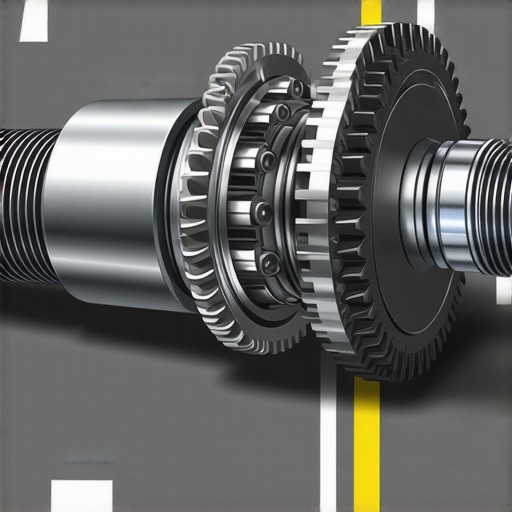
The moment I first got caught almost rolling backwards on a gentle hill, I realized my car’s transmission was playing tricks on me. It’s unsettling, isn’t it? That tiny incline that should be no big deal suddenly feels like a mountain, thanks to a transmission that hunts for gears. If you’ve experienced this too, you know the blend of frustration and worry it brings.
Understanding Why Your Transmission Acts Up on Slight Hills
First off, let me assure you—this isn’t just your car being stubborn; it often points to underlying issues that, if left unchecked, can become costly. The hunting for gears during minor inclines is typically caused by transmission problems related to fluid pressure, sensor errors, or worn-out components. I used to think it was a simple adjustment, but I learned the hard way that it’s more nuanced.
What was my biggest mistake early on? Assuming a quick fluid change would fix everything. Turns out, ignoring the sensor calibration and internal wear only delayed the fix. That mistake taught me the importance of proper diagnosis, which I now explain in my trusted resource on [top transmission repair tips](https://collisionrenew.com/top-transmission-repair-tips-for-long-term-vehicle-reliability). Recognizing these signs early can save you a lot of money and stress.
Is it worth fixable or time to replace the transmission?
Many skeptics wonder, ‘Is this problem really fixable, or am I better off trading in my car?’ Honestly, most cases are repairable if caught early, but neglect can lead to full transmission failure. The key lies in understanding the specific cause—whether it’s a sensor, fluid issue, or internal damage—and addressing it promptly.
In my experience, the most effective solution involved a complete diagnosis by an experienced mechanic, followed by targeted repairs. This approach preserved my vehicle’s longevity and saved me from buying a new car. If you’re curious about what signs to watch for or how to choose the right service, I recommend checking out [the best brake services for 2025](https://collisionrenew.com/braking-news-how-to-choose-the-best-brake-service-in-2025) and other resources that can help you make informed decisions.
Before jumping into DIY fixes, remember that consulting professionals is always a wise move. Now, let’s explore the steps you can take to diagnose and fix this annoying issue so you won’t be left guessing the next time your car tries to play uphill with you.
Start with a Visual Inspection
Begin by examining your transmission fluid level and condition. Park your car on a flat surface, set the parking brake, and locate the transmission dipstick—usually labeled and accessible from the engine bay. Pull out the dipstick, wipe it clean, then reinsert it and pull out again to check the fluid level. If it’s low or dark, a fluid top-up or change is necessary. Remember, dirty or insufficient fluid can cause slipping and gear hunting during slight inclines. I once overlooked this step and instantly noticed my transmission hunting; a quick fluid refresh restored smooth shifting.
Check for Signs of Fluid Degradation
Inspect the fluid’s smell and color. Burnt smell or gritty texture indicates degradation, which hampers hydraulic pressure inside the transmission. Replace the fluid following your vehicle’s manual instructions or consult a professional. Use quality transmission fluid, as specified by your car’s manufacturer, to prevent future issues.
Assess the Sensors and Electronics
Modern transmissions depend heavily on sensors—like the throttle position sensor and vehicle speed sensors—to determine gear shifts. A malfunction here can cause erratic hunting. Use a diagnostic scanner compatible with your vehicle’s make to read error codes. If you find codes related to sensors, replace or recalibrate them accordingly. For instance, I had a constant P0717 code that pointed to a faulty speed sensor, and replacing it resolved my transmission slipping during gentle climbs.
Use Diagnostic Tools Effectively
Connect an OBD-II scanner to your car’s port, usually located under the dashboard. Follow the device’s prompts to retrieve error codes. Some scanners provide live data, allowing you to observe sensor readings in real-time. This approach pinpointed a sensor that was showing inconsistent readings, leading me to replace it for a smooth drive.
Evaluate Internal Components and Mechanical Parts
If fluid and sensors are in order, internal wear or damage might be the culprit. This step involves a professional inspection—think of it as a builder checking the foundation after noticing uneven walls. Worn clutch packs, damaged bearings, or a slipping valve body can cause gear hunting. An experienced mechanic can perform a controlled test drive while monitoring transmission operation or remove the pan to visually inspect internal parts.
Decide Between Repair or Replacement
Based on diagnosis, you’ll need to decide whether to repair or replace the transmission. Minor issues like solenoid failures are often cost-effective to fix, whereas significant internal damage may warrant a rebuild or full replacement. Remember, prompt action prevents further damage and preserves your vehicle’s reliability. For detailed insights on this process, I recommend reviewing top transmission repair tips.
Implement Preventative Measures
Once repaired, keep your transmission healthy with regular maintenance. Check fluid levels periodically, follow service intervals, and address leaks immediately. Also, avoid aggressive driving on inclines until you’re sure everything’s in good shape. Regular inspections and timely replacements, like those outlined in essential car service checks, extend your vehicle’s lifespan and keep it shifting smoothly under every circumstance.
< }Many car owners believe they understand their vehicle’s needs, but some prevailing myths persist that can lead to costly mistakes. For example, a widespread misconception is that transmission fluid changes are always unnecessary unless there’s a leak or noticeable problem. In reality, routine fluid maintenance is crucial for prolonging transmission life and preventing hunting for gears during light inclines, as I detailed earlier. Skipping these regular checks can result in internal wear that no quick fix can undo.
Is Your Car’s Transmission Better Off Rebuilt or Replaced? An Expert Take
Contrary to popular belief, a complete transmission overhaul isn’t always necessary. Modern diagnostics and repair techniques allow for targeted component replacements, saving money and time. The key is early detection—when issues are addressed promptly, many problems are fixable without a full rebuild. Consulting with experienced professionals and understanding the nuances of your specific vehicle, as outlined in auto repair guides, can prevent unnecessary replacements.
Another common myth is that brakes only need service when they squeal or fail. But, as demonstrated in best brake practices for 2025, proactive brake maintenance—like regular pad inspections and fluid checks—can catch issues early, ensuring safety and saving costs. Overconfidence in DIY fixes without understanding the intricacies of electronic sensors and hydraulic systems can be dangerous. For instance, replacing a sensor without proper calibration may cause more harm than good—something even seasoned DIYers can overlook. Always consider professional service, especially for complex systems that depend heavily on electronic control modules, discussed in collision renewal strategies.
Thinking about the myths surrounding car maintenance often leads to neglecting essential checks—such as engine timing or fluid quality—believing they only matter during major repairs. This oversimplification can hide small issues that, over time, escalate into expensive repairs. Regularly consulting detailed guides, like simple car maintenance tips, helps keep your vehicle performing at its best.
To wrap up, remaining aware of these misconceptions allows you to approach auto repair with a more informed mindset, potentially saving you thousands. Don’t fall into these traps—constantly educate yourself and consult trusted experts. Have you ever fallen into this trap? Let me know in the comments, and share your experience!
How Do I Maintain My Vehicle Over Time?
Maintaining your car isn’t just about routine checkups; it involves deploying the right tools and adopting effective methods that ensure durability and performance. Personally, I rely heavily on advanced diagnostic software like the OBDLink MX+ adapter, which I connect to my vehicle’s OBD-II port. It provides real-time data, error codes, and sensor readings, enabling me to preempt potential issues such as transmission or brake problems before they escalate. This proactive approach saves time and money, and I recommend investing in quality diagnostic tools suited for your car’s make and model.
Why I Trust Professional-Grade Equipment
While many DIY enthusiasts opt for basic tools, I find that professional-grade equipment yields more reliable results. For instance, using a digital multimeter with auto-ranging capabilities allows me to accurately diagnose electrical issues that might affect critical systems like brakes or transmissions. Additionally, I use a high-quality hydraulic jack and stands to safely lift the vehicle when inspecting or replacing internal components. These tools not only enhance safety but also ensure that repairs are performed correctly, extending the vehicle’s lifespan.
Embracing Future Trends: The Shift Towards Smart Maintenance
Looking ahead, I believe vehicle maintenance will increasingly incorporate AI-driven diagnostics and predictive analytics. Imagine your car’s onboard systems not only alerting you to current issues but also forecasting future failures based on usage patterns. This would streamline maintenance schedules and reduce unexpected breakdowns, especially in critical areas like the transmission or braking systems. Staying ahead in auto repair means embracing these technological advancements. For example, integrating systems like predictive maintenance insights from manufacturers can help schedule timely interventions.
How Can You Keep Your Car in Peak Condition?
One actionable step I recommend is routinely checking and recalibrating your vehicle’s sensors. Misaligned sensors can cause issues like hunting for gears or brake pulsations. To tackle this, use a scanner compatible with your vehicle and follow manufacturer calibration procedures. This practice is especially critical for modern cars with electronic control modules, which are becoming more prevalent. For comprehensive guidance, consult trusted resources or your mechanic. As I always say, early detection through such precise tools can prevent costly repairs down the line. Why not give this method a try during your next service? It’s a small investment that pays big dividends in safety and reliability.
What I Wish I Knew Before Diving Into Transmission Fixes
- Trusting quick fixes like fluid changes without thorough diagnosis cost me more time and money—I learned the hard way that proper assessment is key.
- My biggest misconception was that sensors are always easy to calibrate; sometimes, internal damage requires specialized tools and expertise I lacked initially.
- Addressing gear hunting early, instead of ignoring it, saved my transmission from further internal damage, proving proactive care is invaluable.
- Realizing that modern transmissions depend heavily on electronic components shifted my approach from mechanical-only repairs to a more holistic diagnostic mindset.
- Implementing regular maintenance routines with advanced diagnostic tools transformed my ability to catch issues before they escalate, reinforcing the importance of ongoing care.
Gear Up with Proven Strategies and Trusted Resources
My essential toolkit includes an OBD-II scanner for real-time diagnostics, a comprehensive repair guide for understanding internal wear, and quality transmission fluid recommended by experts. These tools and resources helped me make informed decisions and avoid costly mistakes, emphasizing the value of quality information and proper equipment in auto repair.
Your Next Move Starts Now, Keep Driving Forward
Understanding and maintaining your transmission isn’t just about fixing problems—it’s about empowering yourself to keep your vehicle reliable and safe. Embrace the knowledge, utilize the right tools, and don’t hesitate to seek professional help when needed. Every step you take towards informed maintenance enhances your driving experience and prolongs your car’s life. Remember, the road to smooth shifting begins with awareness and action—so get proactive today! Are there specific transmission issues you’ve faced that I haven’t covered? Share your story below and let’s learn together!