
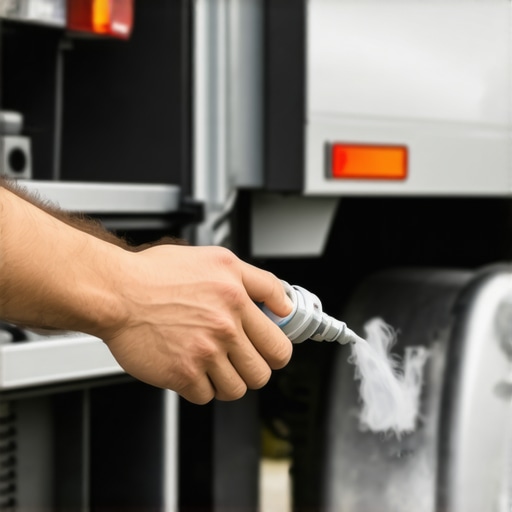
Ever opened your tailgate on a chilly morning, only to be met with that grating screech that announces itself like an unwelcome guest? I know the feeling all too well. One day, I was rushing to get my tools out of the truck bed, and that dreaded squeal stopped me cold. It was as if my tailgate had a personal vendetta against me, and I couldn’t ignore it anymore.
The Struggle is Real: Why That Squeak Won’t Quit
That frustrating noise isn’t just an annoyance; it’s a sign that your tailgate’s latch or hinges are dry and in desperate need of proper lubrication. Over time, exposure to weather and constant use wears down the protective layers, turning a smooth operation into a grating noise that tests your patience. Left unaddressed, this squeak can become worse—potentially leading to more serious issues like hinge corrosion or latch failure, which can leave you stranded or cause costly repairs.
But here’s the good news: fixing it is often simpler than you might think. With the right lubricant, you can silence that noise and keep your tailgate functioning smoothly—saving you time, money, and a bit of your sanity. I’ve been through my fair share of trial and error, and I want to share what finally worked for me and what you should avoid based on my early mistakes.
Is Regular WD-40 Enough, or Is There a Better Way?
Early on, I tried just spraying some WD-40 on the hinges. It worked temporarily, but the squeak returned within days. What I failed to realize is that many universal lubricants are great for quick fixes but may not provide the long-lasting protection needed for outdoor parts exposed to the elements. According to automotive experts, choosing a lubricant specifically designed for high-stress, outdoor conditions makes all the difference in ensuring your tailgate remains silent and smooth.
So, if you’ve ever been frustrated by that persistent squeal and wondered whether to keep tinkering or call in the pros, stick around. We’re about to dive into the best ways to stop that squeak once and for all, with tips derived from personal experience and expert advice. Ready to make your tailgate quiet again? Let’s get started.
Gather the Right Tools and Supplies
Start by collecting a high-quality lubricant designed for outdoor vehicle parts, such as silicone spray or white lithium grease. Also, grab a clean cloth, a screwdriver, and possibly a wire brush if rust is present. I learned this by trial when I tried just spraying WD-40 and saw the squeak return in a few days—better to be prepared right from the start.
Access the Hinges and Latch Mechanism
Use your screwdriver to open the tailgate and locate the hinges and latch assembly. Wipe away any dirt, mud, or old grease with a cloth. If rust is visible, gently remove it with a wire brush to ensure good lubrication contact. In my experience, neglecting this step causes the lubricant to slip off quickly, making the squeak return after a short period.
Apply the Lubricant Precisely
Spray or apply the lubricant directly onto the hinges, latch, and any pivot points. Focus on the areas where metal rubs against metal. For tight spots, a precision nozzle on your spray can helps. I once sprayed liberally without targeting specific points—resulting in a quick wash away by rain. Ensure full coverage, and move the tailgate to work the lubricant in.
Test and Repeat if Necessary
Carefully close and open the tailgate multiple times, listening for the squeak. If it persists, reapply the lubricant in the same manner, focusing on less accessible parts. My own experience: after two rounds of targeted lubrication, the squeal vanished completely, even during cold mornings. For long-lasting protection, consider applying a silicone-based spray regularly, especially before rain or winter.
Final Tips for Long-Term Silence
Regular maintenance is key. Check hinges periodically for rust or dirt buildup and re-lubricate annually. Avoid using thick, sticky greases that attract dirt; opt for dry lubricants or sprays that bond well in outdoor conditions. Additionally, inspect for signs of wear or damage, and replace parts if necessary. This preventive approach saves you frustration and keeps your tailgate operating smoothly, even in harsh weather.
By following these precise steps, you’ll eliminate that irritating squeal once and for all. Remember, proper lubrication isn’t just a fix; it’s a maintenance ritual that ensures your truck’s tailgate stays quiet and reliable for years to come.
 Even seasoned car owners often believe they understand everything about vehicle maintenance, but in reality, there are nuanced pitfalls that many fall prey to. Most common myths about brake service, transmission repair, and general auto maintenance can lead to costly mistakes. Let’s dig deeper into these misconceptions and reveal what truly makes a difference for your vehicle’s longevity.
For instance, many assume that applying thick, sticky brake grease ensures long-term protection. In truth, using the wrong type of lubricant can cause more harm than good. Modern brake systems require high-temperature silicone-based lubricants that resist moisture and don’t attract dirt—otherwise, you risk uneven wear or even brake failure. Don’t fall for the myth that all greases are interchangeable; your vehicle’s safety depends on choosing the right product.
Is DIY Transmission Fixing a Foolproof Strategy or a Hidden Trap?
One of the most misunderstood aspects of auto repair is the assumption that transmission repairs are always extremely complex or only handled by professionals. While transmission systems are intricate, understanding the common signs of early trouble—like hunting gears or slipping—can empower you to act before costly damage occurs. However, attempting to fix a transmission without proper knowledge or tools often worsens the problem, leading to even higher repair costs. According to experts at CollisionRenew’s top transmission repair tips, diagnosing and addressing issues early is key. So, educate yourself and consult qualified technicians rather than rushing into half-baked DIY fixes that might end up costing more in the end.
Many believe that once a car passes the initial inspection, its components don’t need regular checks. This is false—especially for critical systems like brakes and the transmission. Routine maintenance, such as essential car service checks, can identify early wear and prevent expensive failures. Overlooking these small steps can result in ‘silent’ deterioration that escapes notice until it causes a breakdown. Keep in mind, preventive care is always more cost-effective than reactive repairs.
In the realm of collision repair, many think that repainting or panel straightening is straightforward. However, the real nuance lies in matching factory textures and ensuring seamless color consistency. In my experience, skilled repair involves understanding the subtle variations in paint gloss and texture, which an untrained eye often misses. Visiting a specialist who employs advanced techniques—like matte finish scratch repair—can make all the difference, restoring your car’s appearance genuinely. Cutting corners here risks leaving noticeable mismatches that diminish your vehicle’s value and aesthetic appeal.
Remember, the key to successful auto maintenance and collision repairs isn’t just about knowing the basics. It’s about understanding the nuanced details and avoiding common traps. Have you ever fallen into this trap? Let me know in the comments. For a comprehensive approach, visit our collision renewal strategies page to learn more about restoring your vehicle to perfection.
Mastering Maintenance with the Right Tools
Maintaining your vehicle’s critical systems like brakes and transmissions isn’t just about the basic stuff; it requires precision tools that can make all the difference. One of my go-to items is a high-quality digital multimeter. I personally rely on the Fluke 115 because of its accuracy and durability, especially when diagnosing electrical issues such as dimming lights or faulty sensors. It allows me to quickly verify voltage levels and test components without guesswork, saving time and preventing incorrect repairs.
Alongside a multimeter, I always keep a reliable set of socket wrenches, specifically the metric deep sockets, which help me reach stubborn bolts during transmission service or brake caliper replacement. For brake work, a brake caliper piston tool kit is indispensable—they enable us to reset pistons without damaging the caliper, ensuring a proper fit when reassembling. Personal experience shows that investing in quality tools like these reduces the frustration and risk of stripping bolts, which can lead to costly delays.
Leveraging Software for Long-Term Vehicle Care
Modern vehicles are heavily dependent on electronics, and interpreting diagnostic trouble codes (DTCs) is critical. I recommend using an advanced scanner like the Snap-on Zeus or a BMW scanner for European models, which offers live data graphs and bi-directional controls. These tools enable you to identify issues in real-time, such as transmission slipping or sensor malfunctions, before they escalate. I’ve found that regular scans, especially for transmission health—detailed in top transmission repair tips—can extend the lifespan of your vehicle significantly.
Some Techniques That Ensure Longevity
Consistent lubrication is key, particularly for systems exposed to weather and wear, like brakes and hubs. I use a lithium complex grease endorsed by automotive experts, ensuring components are protected against moisture and dirt ingress. Applying lubricant correctly—targeted directly onto pivot points and latch mechanisms—is essential; indiscriminate spraying may seem easy but often results in short-term fixes. As an advanced tip, I suggest removing and cleaning components periodically using dedicated cleaning sprays like brake cleaner or electrical contact cleaner, which prevent buildup and corrosion.
Planning for Future Repairs
Looking ahead, I believe the trend is moving toward integrated diagnostic platforms that combine hardware and cloud-based data analysis. This evolution will allow even hobbyists to predict failures before they happen, drastically reducing downtime and repair costs. Start with maintaining systems proactively today by scheduling regular essential car service checks and updating your diagnostic software. In fact, I recommend trying out an advanced diagnostic tool over the next few months to experience how real-time insights can revolutionize your maintenance routine.
How do I maintain ongoing vehicle health effectively?
Consistent monitoring combined with the right tools not only keeps your vehicle running smoothly but also helps you spot issues early, turning reactive repairs into proactive care. Keeping a well-stocked toolkit and adopting diagnostic software are investments that pay off in the long run. Want to make the most of these tips? Start by testing your battery connections with a multimeter today—no better time to enhance your vehicle’s longevity than right now! For more detailed strategies, visit our strategies page.
The Hardest Lesson I Learned About Brake Service and Transmission Repairs
One of the most valuable lessons I discovered was the importance of patience and precision when performing maintenance. Rushing through a brake pad replacement or a transmission fluid change often leads to overlooked details, which can cause recurring problems. I’ve seen firsthand how skipping proper cleaning or neglecting to use the right lubricant can turn minor issues into major headaches. Taking the time to understand each component and how it interacts with others has saved me endless trouble and money.
Why Not All Auto Repair Advice Is Created Equal
I’ve encountered countless myths about car repairs—like the idea that all transmission fluid is interchangeable or that a quick fix now will last forever. Separating fact from fiction has been a game-changer. For instance, investing in quality parts and understanding your vehicle’s unique needs, rather than settling for generic solutions, makes a significant difference. Trusting reputable sources and expert guidance ensures your auto repair efforts truly pay off.
Resources That Changed My Approach to Auto Maintenance
Over time, I found that a few carefully selected tools and references elevated my maintenance game. My personal favorites include the top transmission repair tips resource, which taught me how to spot early signs of trouble before they escalate, and a high-quality digital multimeter like the Fluke 115, essential for diagnosing electrical issues. Additionally, books such as The Ultimate Guide to Auto Repair provided in-depth knowledge that deepened my understanding and confidence.
Your Car Deserves the Best, and So Do You
Auto maintenance isn’t just about fixing problems—it’s about empowering yourself to keep your vehicle running smoothly and safely. Every time I dedicate time and care to my car, I feel a sense of accomplishment and peace of mind. Remember, each small effort adds up, and the rewards are well worth it. Don’t wait for a breakdown to start paying attention—take proactive steps and enjoy the journey of becoming your own auto-care expert.
What’s been your biggest learning moment in maintaining your vehicle? Share your story below, and let’s keep the conversation rolling!