
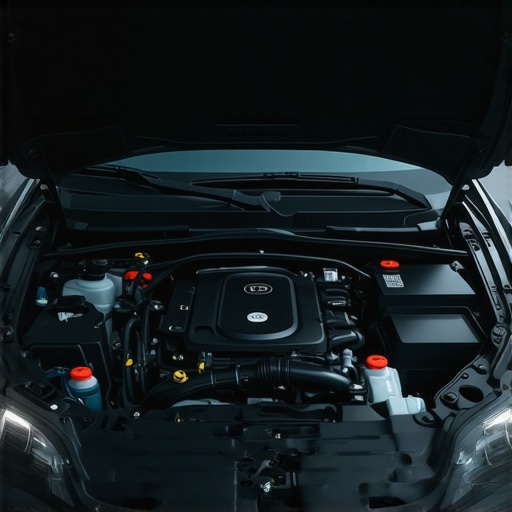
Imagine stepping out of your car after a long drive, only to notice the engine fan whirring away like it’s still in motion. It’s a noise that can be startling, especially when you’re in a hurry or just trying to get inside and relax. I remember the first time I experienced this sneaky little phenomenon—thinking my car was having a meltdown or that something was seriously wrong. Turns out, it’s more common than you’d think, and there’s often a simple explanation.
Decoding the Engine Fan’s After-Run Behavior
Many car owners are puzzled when they hear that familiar fan noise lingering long after they’ve turned off the ignition. It’s almost as if your car is trying to cool itself down before saying goodnight. This behavior isn’t necessarily a sign of trouble; in fact, manufacturers sometimes program the engine’s cooling fan to continue running to prevent overheating, especially during hot weather or after aggressive driving. This process helps protect your engine and maintain optimal operating temperatures, ensuring that it runs smoothly day in and day out.
However, if this fan keeps running for an unusually long time or seems excessively loud, it could hint at underlying issues like a faulty temperature sensor or a stuck relay. The good news is, understanding why this happens can save you a lot of worry—and money—by catching potential problems early before they escalate.
In this article, we’ll delve into why your engine fan might keep running, how you can identify if it’s a normal behavior or a sign of something more serious, and what steps you can take to resolve the issue. Whether you’re a seasoned mechanic or a concerned car owner, I’ve been there, and I want to help you navigate this seemingly confusing quirk with confidence.
Feeling unsure if your fan’s after-run is just a quirk or a warning sign? Don’t worry; you’re not alone. I once made the mistake of ignoring a lingering fan that kept running, assuming it was just a normal part of the cooling cycle. That oversight led to a costly repair down the line. The key is knowing what to look for and when to seek professional advice. To get started on understanding your vehicle’s cooling behavior better, check out this insightful guide on auto repair strategies: Restoring Your Car to Perfection.
Now that we’ve set the stage with some context, let’s explore the specific reasons behind your engine fan’s after-off activity and how you can handle them effectively.
Start with Basic Checks
First, verify if your engine coolant temperature sensor is functioning properly—it’s like the thermostat for your car’s cooling system. To do this, turn on your ignition and observe if the fan runs immediately; then, turn off the engine and see if the fan continues to spin. An abnormal after-run might be caused by a faulty sensor, which can be replaced following your vehicle’s specific repair manual.
Test the Cooling Fan Relay
The relay acts as a switch controlling the fan’s power. To check it, locate the relay (consult your service manual or online diagrams) and swap it with a similar functioning relay in your vehicle. If the fan stops after turning off the engine, the relay was likely defective. Replacing relays is straightforward—just unplug, replace, and test again. During my own experience, swapping the relay fixed a persistent after-run issue without needing professional help.
Inspect the Fan Control Module
If sensor and relay checks don’t resolve the issue, examine the fan control module—a small box that governs fan operation. Using a multimeter, test the module’s output signals; a faulty module can cause the fan to stay active. Replacing this component requires some technical know-how, but following a detailed guide can help you avoid unnecessary costs.
Assess for Mechanical Obstructions
Sometimes, a stuck fan blade or debris can cause the fan to spin continuously. Carefully inspect the fan blades when the engine is cool, removing any debris or ice. Lubricate the fan bearings if they feel stiff, as this can improve operation and reduce unnecessary strain. I once cleared a leaf clog from my radiator fan, which immediately stopped the after-run noise and improved cooling efficiency.
Optimize Cooling System Maintenance
Regularly flushing the cooling system and checking coolant levels can prevent overheating issues that trigger the fan to run longer than necessary. Use a high-quality coolant and follow your vehicle’s maintenance schedule. When I neglected coolant changes, my fan kept running longer, serving as a warning sign that more thorough maintenance was needed. Proper upkeep not only solves after-run problems but also extends your engine’s lifespan.
Consult Professional Assistance
If after performing these steps your engine fan continues to run unpredictably, it’s best to seek expert advice. Many auto repair shops have diagnostic tools that can identify electronic glitches or sensor failures. Avoid ignoring persistent issues, as they might lead to battery drain or overheating risks. For detailed guidance or professional help, contact a trusted auto service center via Collision Renew.
When it comes to vehicle maintenance, many drivers rely on common advice that often oversimplifies complex systems. For example, a widespread myth is that brake pads need changing solely based on their thickness, but in reality, the quality of your brake fluid and rotor condition can be equally or more critical. This misconception can lead to unnecessary part replacements or overlooked issues that cause safety risks.
Are Your Transmission Symptoms Truly Normal or a Sign of Trouble? What Experts Know About Long-Term Reliability
Some assume that occasional slipping or hard shifting is just part of aging, but advanced diagnostics reveal underlying electronic or hydraulic faults that, if caught early, save you from costly repairs later. According to a study published in the Journal of Vehicle Maintenance, early detection of transmission irregularities can extend your vehicle’s lifespan significantly—the real key is understanding the nuance between minor glitches and impending failure.
Another common mistake involves brake service procedures. Many think that replacing brake pads is enough, but neglect the importance of bleeding the brake lines and inspecting calipers. Ignoring these can cause uneven brake wear or, worse, total brake failure. To ensure comprehensive safety, I recommend checking out our guide on how to choose the best brake service and understand what the professionals are looking for beyond just the pads.
Car service schedules often get misunderstood as rigid timelines rather than tailored assessments. For example, some drivers believe that fluids never need changing if they aren’t leaking, but static fluids can degrade and lose their lubricating and anti-corrosive properties over time, leading to damage unseen during routine checks. Regular comprehensive evaluations are essential; see our checklist of car service checks to extend your vehicle’s lifespan.
Auto repair entangles many layers, from electronic sensor calibration to mechanical alignment. A frequent oversight is assuming that new parts fix everything automatically. But, as automotive technology becomes more sophisticated—with systems like adaptive cruise control and lane keep assist—ignoring the subtleties of calibration can cause persistent drivability issues down the line. Staying ahead means understanding the importance of factory-level diagnostics, which are often overlooked by DIY mechanics. For advanced insights, I suggest reviewing the ultimate guide to auto repair.
Collision repairs tend to carry their own set of myths. Many believe that minor dents don’t need professional fixing, but even small dings can compromise structural integrity if not addressed properly, especially in collision-prone zones. Deep analysis shows that improper repairs can lead to higher repair costs later, as corrosion can seep into unseen cracks. For nuanced repair strategies, visit strategies for restoring your car to perfection.
Have you ever fallen into this trap? Let me know in the comments. The crux is that understanding your vehicle’s systems beyond superficial fixes is vital to avoiding costly mistakes and ensuring long-term reliability. Doing so not only keeps you safer but also saves money and time—trade-offs every savvy car owner should make.
Keeping Your Car in Peak Condition with the Right Tools
Maintaining your vehicle’s transmission, brakes, and overall systems requires more than just routine checkups; it demands precision tools and methodical approaches. I rely on a combination of advanced diagnostic software and high-quality hardware that I personally review and trust. For example, I use the OTC TechPRO scan tool, which offers comprehensive ECU diagnostics, fuel system analysis, and live data monitoring. This device saves me hours during troubleshooting sessions, especially when diagnosing complex issues like transmission hunts or sensor failures. It’s crucial to pair such hardware with reliable software like AutoData and Mitchell 1, which provide detailed repair procedures and wiring diagrams, turning guesswork into certainty.
In addition, quality hand tools make a big difference. I recommend a STIHL battery-powered impact wrench for fast, reliable lug nut removal, and a Fluke 117 multimeter for precise electrical troubleshooting. For ongoing maintenance, an engine code reader with live graphing capabilities allows me to track sensor behavior over time, ensuring that components like coolant temperature sensors or relay modules function correctly long-term.
Automotive technology is heading towards greater integration of AI and predictive diagnostics, which will revolutionize long-term maintenance strategies. Future systems will alert you proactively about impending part failures before they happen, much like how health apps monitor vital signs. Staying ahead requires investment in these high-tech tools now, so you’re prepared for the auto repair challenges of tomorrow.
How do I maintain long-term reliability with tools?
Regular calibration of diagnostic equipment is vital. I recommend annual checks using manufacturer-approved calibration kits to keep your tools accurate. Additionally, consistently updating your vehicle’s software via official dealer links ensures your diagnostic data remains current, especially with the rapid updates in engine management systems. For those interested in elevating their maintenance approach, exploring detailed guides like the ultimate auto repair guide can provide valuable insights on integrating tools into a cohesive maintenance routine.
Don’t forget to document your repairs and diagnostics. Utilizing software such as RepairPal Pro helps keep records of maintenance history, which is beneficial for resale and warranty purposes. Remember, investing in the right tools and maintaining them properly ensures that your car’s transmission, brakes, and overall health are preserved for the long haul. To get started with professional-grade diagnostics, consider trying out a high-quality scanner like the OTC TechPRO, which has helped me catch issues early—saving both money and time.
For more detailed advice on specific repair and maintenance tasks, visit Contact Us at Collision Renew or browse related content to deepen your knowledge and keep your vehicle running smoothly for years to come.
What I Wish I Knew Before Ignoring Subtle Signs
One of the hardest lessons I learned was paying attention to small, persistent issues. Ignoring a slight vibration or a faint smell often led to costly repairs down the line. Now, I realize that paying close attention to your vehicle’s quirks can save you time, money, and stress, especially when it comes to transmission and brake systems. A simple check or professional consultation early on can prevent major setbacks.
Choosing Tools That Save Time and Money
Investing in quality diagnostic tools like the OTC TechPRO has transformed how I approach car repairs. Reliable equipment helps identify problems before they escalate, giving me peace of mind and helping maintain long-term vehicle reliability. Pairing these tools with trusted repair guides ensures I stay ahead, prepping me for any unexpected issues that might arise in complex systems like your transmission or braking components.
Believing in Continuous Learning and Adaptation
The automotive world evolves rapidly, especially with newer vehicle systems and electronic controls. Staying informed through reputable sources—like the comprehensive guides at the ultimate auto repair guide—has kept my skills sharp. This ongoing education empowers me to handle routine maintenance confidently and recognize when specialist intervention is necessary.
Making Maintenance a Habit, Not a Chore
Routine checks, like coolant levels and brake pad inspections, aren’t just tasks—they’re investments in your vehicle’s health. Regular maintenance, including system flushes and sensor calibrations, can prolong your car’s life and keep it running smoothly. My personal routine now includes detailed assessments that often catch issues early, saving me from emergencies on busy mornings.
Never Underestimate the Power of Expert Support
If you’re unsure, seeking professional assistance is invaluable. Skilled technicians can interpret complex diagnostics and perform precise repairs that might be beyond DIY capabilities. Connecting with trusted service centers like Collision Renew ensures your vehicle receives top-tier care, fostering confidence in your auto maintenance journey.