
I remember pulling into a parking lot last July, peeling my palms off the steering wheel with a sound like a slow-moving Velcro strip. It was humiliating. I had just spent forty-five minutes in heavy traffic, and by the time I arrived at my meeting, my hands felt like they had been dipped in maple syrup. I looked down at the rim of the wheel and saw that tell-tale grayish, shiny sheen—a nasty cocktail of hand oils, dead skin cells, and probably some residue from a spilled latte. In a moment of sheer desperation, I grabbed a bottle of high-percentage hand sanitizer from my center console and started scrubbing. That was a massive mistake. The alcohol immediately began to dissolve the finish on the leather, making the surface even more gummy and permanently damaging the texture. It was a classic case of trying to fix a small problem and creating a much larger need for auto repair later on. Today, I want to save you from that sticky frustration and the expensive repair bills that come from using the wrong cleaners.
The Real Reason Your Hands Are Glued to the Rim
Most people think a sticky wheel is just a sign of being messy, but it is often a chemical reaction. Your hands naturally produce oils and sweat, which get trapped in the microscopic pores of the steering wheel material. Over time, especially if you live somewhere hot, these oils break down the protective clear coat or the synthetic resins used in plastic wheels. It is not just about aesthetics either; a slick or sticky grip can actually be a safety hazard during quick maneuvers. If you have noticed other parts of your interior degrading, you might also want to look into the secret to keeping your leather seats from cracking, as the sun is usually the primary culprit behind both issues. Believe it or not, a study by CarRentals.com found that steering wheels can host up to 629 colony-forming units of bacteria per square centimeter, which is significantly dirtier than a public toilet seat. That sticky film is literally a breeding ground for germs.
Is it actually possible to clean this without ruining the leather?
You might be skeptical because you have tried ‘all-purpose’ cleaners before and ended up with a steering wheel that felt like a wet noodle. I get it. The fear of stripping the dye or the texture is real. However, the secret lies in using pH-balanced solutions and soft agitation rather than harsh chemicals and elbow grease. If you can handle a basic essential car service check, you can definitely handle this. We are going to walk through a method that lifts the grime without destroying the material underneath. Have you ever felt that disgusting ‘tack’ when you shift gears or turn a corner? I want to hear about your most frustrating interior cleaning fail in the comments below. Let’s get that cockpit back to factory-fresh condition so you can stop worrying about what is rubbing off on your hands.
Ditch the Harsh Chemicals and Save Your Finish
To get that factory-fresh feel back, you have to stop treating your interior like a kitchen counter. Most of the ‘gunk’ is organic matter, and using high-alcohol or bleach-based sprays will dry out the hide faster than a summer in the desert. Think of your steering wheel like your own skin; it needs a pH-balanced cleaner that lifts oils without stripping the essential moisture. If you use the wrong product, you are basically fast-tracking your car for a trip to a specialist who handles auto repair for interior restoration. Instead, look for a dedicated leather cleaner or a very mild, diluted baby shampoo. These solutions break down the chemical bond of the sweat and skin cells without melting the protective clear coat that most modern car manufacturers apply to their leather wraps.
Pick the Right Tools for the Job
You do not need a power washer or a heavy-duty scrubber. In fact, a high-quality microfiber towel is your most potent weapon. Microfiber has millions of tiny hooks that grab and pull dirt away from the surface rather than just smearing it around. It is a precision tool, much like the specific parts needed for transmission repair; the wrong choice can lead to a total failure of the mission. Avoid paper towels at all costs, as they are surprisingly abrasive and can leave tiny scratches that will collect even more dirt later. 
The Gentle Agitation Technique
I learned this the hard way back when I owned an old 2005 sedan with a tan interior. I thought a green kitchen scrub pad would be a shortcut. Three minutes later, I had literally scrubbed the tan dye right off the wheel, leaving a hideous gray patch of raw cowhide. It was a disaster. Now, I use the ‘mist and wait’ method. Spray your cleaner onto the microfiber towel—never directly onto the wheel to avoid it dripping into the electronics or the clockspring—and wrap the damp cloth around a section of the rim. Let it sit for thirty seconds. This ‘soaking’ period allows the surfactants to penetrate the sticky film. When you finally wipe, the grime should come off in one satisfying, dark streak.
Deep Cleaning the Stitching and Crevices
The hardest part of any steering wheel is the stitching. This is where the real bacterial colonies live. I recently spent twenty minutes with a soft-bristled detailing brush—an old soft toothbrush works too—and the results were horrifying. As I worked the bristles into the threads, a dark gray slurry began to ooze out. It looked like liquid charcoal. By cleaning these tight spots, you are also protecting the structural integrity of the wheel. Just as you might perform essential car service checks to prevent a breakdown, cleaning these threads prevents them from rotting and snapping. While you are already focused on the driver’s seat area, it is a great time to tackle other sensory issues, such as learning how to get rid of the musty smell in your vents to ensure the air you breathe is as clean as the wheel you touch. If you notice the wheel isn’t just dirty but is also giving you feedback issues, you might want to investigate why your steering wheel vibrates at high speeds, as no amount of cleaning will fix a mechanical imbalance. Finally, once the wheel is dry, apply a tiny amount of leather conditioner to keep the surface supple and prevent it from becoming a victim of sun damage and cracking later on.Stop Drowning Your Leather in Gunk. Everyone says you need to apply heavy conditioners to keep things soft, but in my experience, over-conditioning is a death sentence for a steering wheel. Leather is skin, and it needs to breathe. When you saturate it with oily balms, you are actually softening the fibers to the point where they lose their structural integrity and begin to ‘peel’ under the friction of your palms. This isn’t just about the wheel; it is the same logic people apply to the rest of the cabin. While you might follow tips on keeping your leather seats from cracking, remember that less is often more. The common ‘oops’ factor? Using silicone-based ‘shines.’ They look great for five minutes but act like a magnifying glass for UV rays, literally cooking the material and accelerating the breakdown of your steering wheel’s finish. Why New Rotors Won’t Always Stop the Shaking. I have seen dozens of drivers pay for a ‘pro’ brake service only to complain about vibrations a month later. The common belief is that the rotors are ‘warped.’ In reality, it is often just uneven pad deposition caused by improper bedding or a stuck caliper. If you have noticed your brake pedal is pulsating after a recent rotor change, do not just throw more parts at it. A study by the Car Care Council suggests that while nearly 70% of car owners neglect basic maintenance, an even larger portion misdiagnoses performance issues, leading to thousands in wasted dollars. Precision measurement of rotor run-out matters more than simply buying the most expensive shiny new parts. 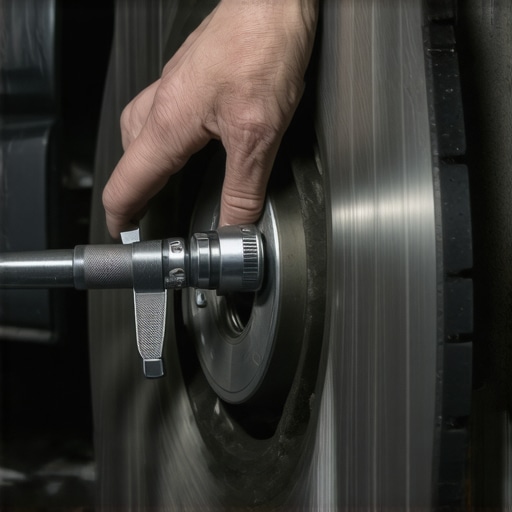
Is your mechanic actually checking the hub for lateral run-out?
If you are getting a recurring shake, it might not be the rotor’s fault at all. Tiny amounts of rust on the hub surface can prevent a rotor from sitting flush, creating a wobble that feels like a warped disc. This level of detail is what separates a quick-lube shop from high-end auto repair. The Lifetime Fluid Lie That Kills Gearboxes. If your owner’s manual says your transmission fluid is ‘lifetime,’ it is a marketing gimmick. Manufacturers often define ‘lifetime’ as the duration of the original warranty, not the actual lifespan of the vehicle. If you want your car to last 200,000 miles, you need to ignore that advice and follow top transmission repair tips like regular fluid exchanges every 60,000 miles. Once your transmission fluid smells like burnt toast, the internal clutches are already degrading. Don’t let these nuances scare you off from doing your own work, but know when to call a pro for specialized diagnostic tools. Whether you are looking into collision renewal strategies or just trying to fix a sticky wheel, details make the difference. Have you ever fallen into the trap of over-fixing a simple problem? Let me know in the comments below, or contact us if you are stuck in a repair nightmare.
Stop Guessing and Start Scanning
I used to be the guy who replaced the alternator, the battery, and the starter before realizing a five-dollar fuse was the culprit. It was an expensive way to learn a lesson. Now, I do not turn a single wrench without my OBD-II scanner. These tools are not just for clearing that annoying check engine light; they allow you to see live data like fuel trims and oxygen sensor voltages in real-time. If you are serious about auto repair, you need to see what the car’s computer sees. Specifically, I recommend looking at the Mode $06 data, which is part of the SAE J1979 technical standard. It shows you the results of self-diagnostic tests for components that have not failed yet but are on the verge of triggering a fault. It is essentially a crystal ball for your engine’s health.
Then there is my trusty digital multimeter. Most mechanical failures in modern vehicles are actually hidden electrical ghosts. I have used mine to spot a bad ground wire that three different shops had missed. It is also the only reliable way to find a parasitic battery drain without losing your mind pulling fuses one by one. Understanding voltage drop is the difference between a guess and a cure. 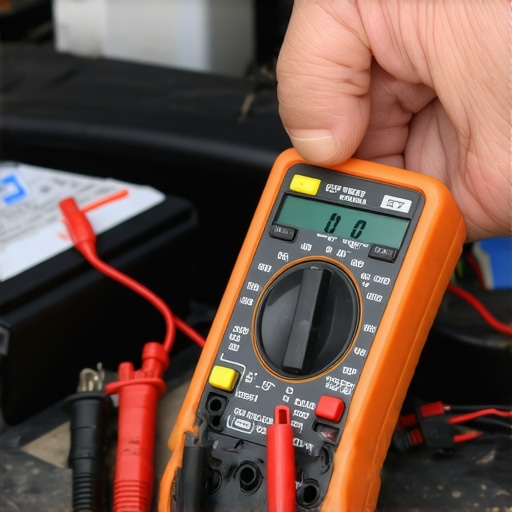
How do I maintain my car’s complex systems over time?
The secret to longevity is not just fixing things when they snap; it is about consistent data logging and listening to the electronics. Once a month, I plug in my diagnostic tool during a routine 20-minute drive. I check if my transmission temperature is spiking, which helps me follow top transmission repair tips before a slight slip turns into a total rebuild. I also do a quick sweep of essential car service checks like verifying that my ABS sensors are reporting consistent wheel speeds. If one sensor shows a 2-mph variance, I know my next brake service will need more than just new pads. In the next few years, I predict we will see the rise of AI-integrated telematics that notify your phone of a potential water pump failure weeks before it leaks. We are moving toward a world of predictive algorithms. My advice for you today? Go grab a decent digital multimeter and learn how to check for continuity—it is the single most empowering skill you can have in your own garage.
Hard Lessons from My Most Expensive Maintenance Blunders
The biggest mistake I ever made was treating my car like an appliance rather than a machine. I used to think that a clean car was just about vanity, but I quickly learned that grime and neglect lead to physical degradation. For instance, ignoring the steering wheel’s tackiness eventually led to the leather peeling, which required an expensive interior restoration. I’ve also learned that ‘good enough’ is the enemy of longevity. If you want to avoid a massive auto repair down the road, you have to sweat the small stuff now. One lightbulb moment for me? Realizing that 90% of electrical issues are just bad connections. If you spot a bad ground wire early, you save yourself hours of diagnostic headaches.
Tools That Actually Earn Their Keep in Your Garage
You don’t need a professional shop’s budget to get professional results. I’ve narrowed my kit down to three non-negotiables. First, a high-quality, pH-balanced leather cleaner is essential—never settle for those greasy wipes that leave a slippery residue. Second, a digital multimeter is your best friend when you need to find a parasitic battery drain that’s killing your morning starts. Finally, always keep a set of top transmission repair tips bookmarked; knowing when to change your fluid versus when to call a specialist for brake service or gearbox work is vital. I personally trust official factory service manuals over generic tutorials every time.
Go From Car Owner to Car Care Expert
It is incredibly empowering to know that you are no longer at the mercy of a flashing light on your dashboard. Taking care of your car—from the grip of your steering wheel to the smoothness of your shifting—changes the entire driving experience. You deserve a vehicle that feels as good as it looks. Don’t be afraid to get your hands a little dirty; the payoff is a car that lasts for decades rather than just a few years. Keep pushing for that factory-fresh feeling, and your car will thank you with every mile. Have you ever had a simple cleaning task turn into a major mechanical discovery? Let me know in the comments below!