

I still remember the morning I nearly froze my fingers to the steering wheel of my old sedan. It was one of those bitter February mornings where the air feels like needles. I’d started the car ten minutes early, expecting a cozy cabin, but when I climbed in, the air coming out of the vents was as cold as a morgue. I drove all the way to work with my teeth chattering, praying that the needle on the temperature gauge would just move a little faster. But here’s the kicker: the engine was plenty hot. The heat just wasn’t getting to me. It’s a miserable experience that makes you hate your commute, and honestly, it’s usually a sign that your car is crying out for some essential auto repair before things get even worse.
The Frustrating Reality of the Ice-Cold Cabin
Most people think that if the engine is hot, the heater should be hot. It seems like basic physics, right? But your car’s heating system is actually a complicated loop of fluid, flap doors, and tiny radiators. When that loop breaks, you’re left shivering. I spent way too much time in my younger days thinking a simple top-off of the coolant would solve everything. I even made the rookie mistake of ignoring the specific smell of a failing heater core, thinking it was just some spilled soda. Spoiler alert: it wasn’t. Today, I’m going to pull back the curtain on why your vents are betraying you and how we can get that tropical breeze back into your driver’s seat without you spending a fortune at a dealership. Have you ever felt that sinking feeling when the air stays cold despite the engine being at full temp?
Is a cold heater actually going to break my bank?
It’s the first thing we all worry about. You see a cold vent and immediately start calculating how many paychecks a new heater core will cost. The good news? It isn’t always a catastrophic failure. Sometimes it’s just air trapped in the lines or a stuck thermostat that costs twenty bucks. However, ignoring it is a dangerous game. According to data from AAA, cooling system failures are among the leading causes of engine-related breakdowns, often because a small leak or a blockage leads to a total overheat. Have you ever been stuck in traffic watching that temp needle climb while your toes stay frozen? It’s a terrifying combo.
Why Your Coolant Level Is Lying to You
I used to look at the plastic reservoir under the hood, see fluid, and think, “Okay, we’re good.” I was wrong. Air bubbles are the silent killers of car heaters. If air gets into the system, it loves to settle in the highest point—which is often your heater core. This creates an air lock that stops hot coolant from flowing through. This is often why you might notice your fluid levels dropping without a visible leak on the pavement; the liquid is escaping somewhere you can’t see, or it’s being replaced by air pockets. If you’ve been noticing your car fan runs for 10 minutes after the car is off, your system is likely struggling to manage heat, even if the vents feel like an Arctic breeze. We need to look at the blend doors and the thermostat next, because if the fluid is moving but the air is still cold, something is blocking the path.
Start with the $20 Thermostat Test
I remember working on a neighbor’s sedan that wouldn’t warm up. He was convinced he needed an expensive water pump replacement. I reached into the engine bay after he’d been driving for twenty minutes and felt the upper radiator hose—it was barely lukewarm. That’s the classic sign of a thermostat stuck in the open position. Essentially, the gate is wide open, and the coolant is moving through the radiator so fast it never gets a chance to absorb the engine’s heat. It’s a cheap part, often cheaper than a lunch at a diner, and replacing it is one of those essential car service checks to extend your vehicles life. If your engine temperature gauge takes forever to move or drops when you hit the highway, start your diagnostic here.
How to Burp the System Without Making a Mess
If you’ve recently had a complete auto repair or a coolant flush, there’s a high chance an air pocket is trapped in your heater core. Think of it like a straw with a bubble in the middle; no matter how hard you suck, you aren’t getting the milkshake. You need to “burp” the car. I use a spill-proof funnel that attaches directly to the radiator neck. You fill it halfway, start the engine, and crank the heat to max. As the engine warms up, you’ll see bubbles rising into the funnel. I once did this on my old SUV and the air bubble that popped out was so big it actually splashed my shirt—but the heat came back instantly. This is also a good time to ensure you don’t have a bigger issue, like a blown head gasket forcing combustion gases into the cooling system.
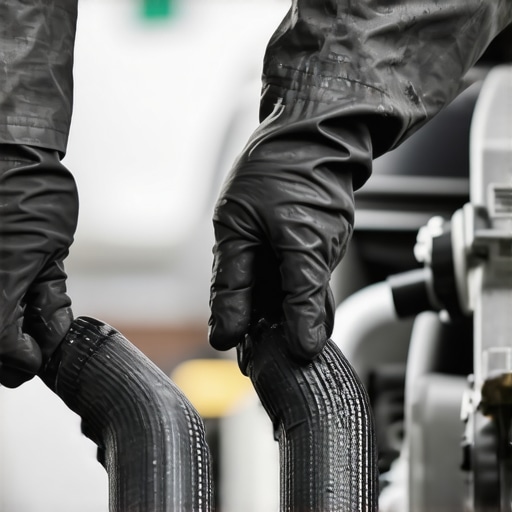
The Two-Hose Touch Test
Pop the hood and look toward the back of the engine where two rubber hoses disappear into the cabin. These lead to your heater core. With the engine at operating temperature, carefully feel both hoses. Both should be hot. If one is hot and the other is cold or just lukewarm, you have a blockage. It’s like a clogged artery. You can often fix this by performing a DIY heater core flush with a garden hose, but be gentle—too much pressure can burst the core, and then you’re looking at a dashboard-removal nightmare. While you’re under there, check for any wet spots. Sometimes the real cause of a car smelling like hot oil or sweet syrup is a tiny pinhole leak in these hoses spraying onto the manifold.
Don’t Ignore the Actuator Clicking Under Your Dash
If the hoses are both hot but the air is still cold, the problem is likely mechanical, not hydraulic. Modern cars use small electric motors called blend door actuators to move flaps that mix hot and cold air. If you hear a rhythmic clicking or “knocking” sound behind your glovebox when you turn the key, that’s the sound of plastic gears stripping. I once spent an entire afternoon tearing apart a dash because I thought the core was bad, only to find a stuck $30 plastic actuator. It’s a tedious job, but much like transmission repair tips, catching it early prevents the motor from burning out completely and leaving you stuck in the cold all winter long.
It’s a common reflex: the heat stops working, and you immediately think you need a thousand-dollar dashboard-pulling repair. But there’s a nuance most DIYers miss—the ‘ghost’ blockage. Everyone says to just flush the system until it’s clear, but in my experience, power-flushing do more harm than good on high-mileage vehicles. If your heater core is already thin from years of neglect, that high-pressure garden hose is often the final nail in the coffin. Instead of a fix, you end up with a passenger-side floorboard full of steaming coolant and a much bigger bill. It’s the same logic behind why the truth about oil additives is so controversial; chemical ‘quick fixes’ often just mask a symptom while the underlying disease gets worse.
Stop Blaming the Heater Core for Every Chill
The biggest myth in auto repair is that a cold vent always equals a hardware failure. Sometimes, the issue is purely chemical. According to guidelines from the Automotive Maintenance and Repair Association (AMRA), the pH balance of your coolant is actually more critical than the level itself. When coolant becomes acidic, it creates an electrochemical reaction that ‘eats’ the metal from the inside out. I’ve seen dozens of drivers spend a fortune on a new core only to have it fail six months later because they didn’t realize the remaining old fluid was essentially a battery acid cocktail. This is why essential car service checks to extend your vehicles life must include a professional refractometer test, not just a visual peek at the color.
Can a cooling system leak actually mimic a transmission failure?
It sounds crazy, but it happens more than you’d think. In many modern vehicles, the transmission cooler is integrated into the radiator. If the internal seals fail, you get ‘cross-contamination.’ Your transmission fluid starts looking like a strawberry milkshake, and your coolant becomes a thick, oily sludge that refuses to carry heat to your cabin. If you notice that your transmission fluid smells like burnt toast while your heater is also acting up, stop driving immediately. You aren’t just looking at a cold commute; you’re looking at a total drivetrain meltdown. This is a level of complexity that basic ‘how-to’ videos usually skip over.
The Chemical Trap That Destroys Your Engine from the Inside
Here is the ‘oops’ factor that kills more cars than accidents: mixing coolants. You’re at the gas station, the light comes on, and you grab a bottle of ‘Universal’ coolant. Stop right there. Mixing OAT (Organic Acid Technology) with traditional green silicates creates a literal gel. This sludge settles in the narrowest passages of your heater core first. It’s a nightmare to clean out, and often, no amount of flushing will ever fully restore the flow. I’ve seen this mistake lead people to sell their cars for scrap, when the trick to getting a fair cash offer often depends on the vehicle having at least a functioning cooling system. 
The same level of precision is needed when you’re looking for the best brake service in 2025; you can’t just throw generic parts or fluids at a precision machine. Whether it’s why your brake fluid level drops without a visible leak or why your vents are blowing ice, the ‘nuance’ is always in the chemistry. Even small habits, like the danger of running your gas tank near empty, contribute to a car’s overall thermal health because the fuel actually helps cool the pump. Have you ever fallen into this trap of using a ‘quick fix’ bottle only to have it backfire? Let me know in the comments below, and let’s make sure you aren’t overpaying for a repair that could have been a twenty-dollar preventative fix.
I used to be a ‘parts cannon’ guy, throwing new components at a problem until something finally worked. It was expensive, exhausting, and frankly, a bit embarrassing. If I had a cold cabin, I’d just buy a new heater core without thinking. These days, I don’t turn a single bolt until I’ve plugged in my Bluetooth OBD-II scanner. For anyone serious about keeping their car on the road, a high-quality scanner like the BlueDriver or an Autel unit is non-negotiable. It doesn’t just read codes; it allows you to look at ‘Live Data’ to see exactly what your coolant temperature sensor is telling the computer. If the sensor is lying, your heat will never be right, no matter how many parts you swap. This level of precision is exactly what I discuss in my the ultimate guide to auto repair where we move past the basics into real diagnostics.
Finding the Blockage with an Infrared Heat Gun
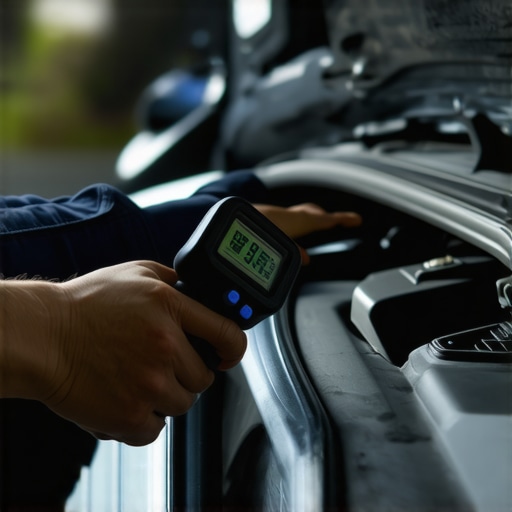
One of my favorite tricks for a ‘ghost’ blockage is using an infrared thermometer. Instead of guessing if a hose is ‘hot enough,’ I can point the laser at the inlet and outlet of the heater core and get a digital reading. There should be a noticeable drop in temperature between the two, usually around 10 to 15 degrees, as the heater core sheds heat into the cabin. If both hoses are 190 degrees, your blend door is likely the culprit. If one is 190 and the other is 120, you’ve got a clog. This tool is a lifesaver when you’re performing top transmission repair tips for long-term vehicle reliability as well, because it helps you identify if a transmission cooler is actually doing its job or just sitting there getting heat-soaked.
How do I keep my heater from dying again?
The secret to longevity isn’t a magic chemical; it’s consistency. I recommend a full cooling system inspection every 30,000 miles. According to the Society of Automotive Engineers (SAE) J1034 standard, the concentration of ethylene glycol must be strictly maintained to prevent both freezing and internal corrosion. Over time, the corrosion inhibitors in your coolant wear out. I now use a refractometer—a cool little optical tool—to check the exact freezing point and chemistry of my fluid. It’s far more accurate than those plastic ‘floating ball’ testers you see at the checkout counter. Making this part of your essential car service checks to extend your vehicles life ensures that the delicate aluminum fins inside your heater core never have the chance to pit or leak.
Why Electric Pumps are Changing the Repair Game
Looking ahead, the ‘old school’ way of diagnosing heaters is changing rapidly. Many newer vehicles, especially hybrids and EVs, have moved away from belt-driven water pumps in favor of electric auxiliary pumps. These are smart devices that can circulate heat even when the engine isn’t running. This means the next time you’re looking for the best brake service in 2025, you might also find yourself needing a software update for your HVAC system. We are entering an era where a ‘cold heater’ might actually be a software bug or a blown fuse for a pump hidden deep in the fender well. The mechanical age is merging with the digital, and staying ahead means owning the right digital tools. I want you to try one specific thing this weekend: go to your local auto parts store and buy a pack of coolant pH test strips. If that paper turns a dark, acidic color, flush your system immediately before it eats your heater core. It’s a five-minute test that could save you a fifteen-hundred-dollar repair bill.
I used to be a ‘parts cannon’ guy, throwing new components at a problem until something finally worked. It was expensive, exhausting, and frankly, a bit embarrassing. If I had a cold cabin, I’d just buy a new heater core without thinking. These days, I don’t turn a single bolt until I’ve plugged in my Bluetooth OBD-II scanner. For anyone serious about keeping their car on the road, a high-quality scanner like the BlueDriver or an Autel unit is non-negotiable. It doesn’t just read codes; it allows you to look at ‘Live Data’ to see exactly what your coolant temperature sensor is telling the computer. If the sensor is lying, your heat will never be right, no matter how many parts you swap. This level of precision is exactly what I discuss in my ultimate guide to auto repair where we move past the basics into real diagnostics.
Finding the Blockage with an Infrared Heat Gun
One of my favorite tricks for a ‘ghost’ blockage is using an infrared thermometer. Instead of guessing if a hose is ‘hot enough,’ I can point the laser at the inlet and outlet of the heater core and get a digital reading. There should be a noticeable drop in temperature between the two, usually around 10 to 15 degrees, as the heater core sheds heat into the cabin. If both hoses are 190 degrees, your blend door is likely the culprit. If one is 190 and the other is 120, you’ve got a clog. This tool is a lifesaver when you’re performing top transmission repair tips for long-term vehicle reliability as well, because it helps you identify if a transmission cooler is actually doing its job or just sitting there getting heat-soaked.
How do I keep my heater from dying again?
The secret to longevity isn’t a magic chemical; it’s consistency. I recommend a full cooling system inspection every 30,000 miles. According to the Society of Automotive Engineers (SAE) J1034 standard, the concentration of ethylene glycol must be strictly maintained to prevent both freezing and internal corrosion. Over time, the corrosion inhibitors in your coolant wear out. I now use a refractometer—a cool little optical tool—to check the exact freezing point and chemistry of my fluid. It’s far more accurate than those plastic ‘floating ball’ testers you see at the checkout counter. Making this part of your essential car service checks to extend your vehicles life ensures that the delicate aluminum fins inside your heater core never have the chance to pit or leak.
The Mistakes That Taught Me More Than Any Manual
Looking back at my years of fixing heaters, there are a few hard-won truths that changed how I approach auto repair. First, I learned that a clear reservoir doesn’t mean a clean system; chemistry can be invisible. Second, I realized that ‘stop leak’ products are almost always a shortcut to a much bigger bill later, much like how the truth about oil additives shows they often mask damage instead of fixing it. Finally, the dashboard is rarely the first place to look—90% of heat problems are solved under the hood, not in the cabin.
My Go-To Diagnostics Toolkit
If you are tired of guessing why your toes are freezing, you need the right gear in your garage. I personally trust the BlueDriver Bluetooth OBD-II scanner because it provides real-time data on your smartphone. For identifying those stubborn clogs, a Klein Tools Infrared Thermometer is my best friend. And if you really want to step up your essential car service checks, pick up a coolant refractometer to ensure your fluid chemistry is perfect. These tools turn guesswork into a science.
Stop Shivering and Start Diagnosing
You do not have to be a professional mechanic to enjoy a warm car this winter. By following these steps—checking your thermostat, burping the air pockets, and testing your coolant pH—you are taking charge of your vehicle’s health and longevity. Whether you are troubleshooting a cold vent or looking for the best brake service in 2025, the secret is always in the precision of your diagnostics. Have you ever successfully ‘burped’ your car’s cooling system only to have the heat return like magic? Let me know your story in the comments below!