
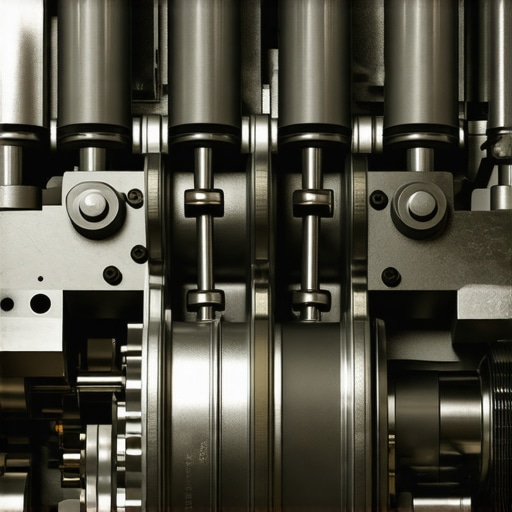
I remember sitting in my driveway on a humid Tuesday evening, the sun setting over my old sedan, and hearing it for the first time. Tick. Tick. Tick. It wasn’t a roar or a violent bang; it was a rhythmic, metallic tapping that sounded exactly like my grandmother’s vintage Singer sewing machine. I panicked. I immediately assumed my engine was about to turn into a very expensive paperweight. I had spent a good chunk of my savings on that car, and every beat of that sound felt like a hammer hitting my bank account. It is a visceral kind of stress that only a car owner knows.
Your Car Isn’t Actually Turning Into a Sewing Machine
Most people freak out when they hear this specific noise, and for good reason. It is unsettling and persistent. But after years of getting my hands greasy and making plenty of my own mistakes, I have realized that this sound is often your car’s way of asking for a little attention before things go south. Whether it is a simple matter of performing essential car service checks or a sign of something more specific like low oil pressure, ignoring it is the only real mistake you can make. Today, we are going to pinpoint exactly where that noise is coming from and how to quiet it down without losing your mind. Early in my DIY journey, I made the classic blunder of assuming a tick was just a loose heat shield. I cranked the radio up and ignored it for three weeks. Big mistake. It turned out to be a low oil condition that was starving my hydraulic lifters. If I had just looked at the dipstick, I could have saved myself a massive headache. If you have been putting off auto repair because you are afraid of what you might find, let’s get you sorted.
Is This Just a Tactic to Get Me Into a Shop?
Look, I get the skepticism. Mechanics sometimes have a reputation for hearing a tiny squeak and recommending a whole new powertrain. But a ticking sound is a physical symptom, much like a fever in a human. According to research by CarMD, ignoring minor engine noises and the associated check engine lights often leads to repair costs that are significantly higher than if they were addressed at the first sign of trouble. This isn’t about fear-mongering; it is about staying ahead of maintenance and understanding transmission repair tips and engine health to keep your daily driver on the road. Have you ever had a noise that you just knew was going to be expensive, only to find out it was something incredibly small? Reach out to us at contact us to share your story. Sometimes the noise is even accompanied by other smells, like the real cause of your car smelling like hot oil, which can help narrow down the culprit. We are about to dive into the differences between valve chatter, exhaust leaks, and accessory belt issues so you can diagnose this like a pro.
Pinpoint the Noise Without Tearing the Engine Apart
The first thing you need to do when that rhythmic clicking starts is to stop the guessing game. Imagine your engine is a complex plumbing system; if there is not enough fluid, the pipes start to clatter. Before you assume the worst and start looking into auto repair costs, we need to isolate the sound. Engines are incredibly loud environments, and sounds bounce off the hood and firewall, making it hard to tell if the noise is coming from the top, bottom, or side of the block.
Check Your Oil Life Before You Panic
The most common cause of a ticking sound is low oil pressure or dirty oil. Modern engines rely on hydraulic lifters—small cylinders that use oil pressure to maintain contact between the camshaft and the valves. When the oil gets thin or low, these lifters lose their ‘cushion,’ and you get metal hitting metal. I once helped a neighbor who was absolutely convinced her sedan was a lost cause; she was already researching how to sell a junk car in Charlotte. I pulled the dipstick and found it bone dry. We added two quarts, and the noise vanished instantly. If your oil is dirty, consider the truth about high mileage oil and leaking seals to see if a specific oil type could help quiet those older internal components. Performing essential car service checks like this weekly can prevent a minor tick from becoming a major overhaul.
Build a DIY Stethoscope with a Screwdriver
If your oil levels are fine, you need to find the exact source. You do not need professional tools for this. Take a long, thick-handled screwdriver and place the metal tip against different parts of the engine while it is idling. Place the handle firmly against your ear. This works through bone conduction, turning the screwdriver into a makeshift stethoscope. Touch the valve cover, the fuel injectors, and the exhaust manifold.  If the ticking is loudest on the valve cover, you likely have a lifter issue. If it is loudest near the injectors, relax—that is just the normal sound of fuel injectors firing. While you are poking around, it is a good time to check other areas, such as how to clean a sticky throttle body without removing it, which can help your engine idle smoother.
Spot the Difference Between a Leak and a Lifter
Not every tick is mechanical. An exhaust leak at the manifold can sound remarkably like a metallic tap. The trick to telling them apart is the temperature. An exhaust leak often sounds loud when the engine is cold and then quiets down as the metal expands and seals the gap. A mechanical tick from a lifter usually stays the same or gets worse as the oil thins out from heat. This is very different from the real cause of a metallic ping when your engine shuts off, which is usually just heat shields cooling down. If you hear a noise that changes when you turn the wheel, you might actually be dealing with why your car makes a grinding sound when you turn the steering wheel, so pay close attention to when the sound occurs. Finally, try removing the accessory belt briefly. If the noise stops, the ‘tick’ is actually coming from a failing pulley on your alternator, water pump, or AC compressor.Let’s dig deeper into the ‘thick oil’ myth that keeps circulating in car forums. Everyone says that if your engine starts clicking, you should just swap to a heavier weight oil to ‘fill the gaps’ in worn components. In my experience, this is often a mistake. Modern engines are designed with incredibly tight tolerances, often calculated for 0W-20 or 5W-30 weights. According to the AERA Engine Builders Association, using an oil viscosity higher than what the manufacturer recommends can actually prevent the oil from reaching the narrow passages in your hydraulic lifters fast enough during a cold start. You might quiet the noise for ten minutes, but you are slowly starving the top end of your engine of the lubrication it needs to survive. This is where the truth about high mileage oil and leaking seals becomes critical—it’s about the detergent and seal-swelling additives, not just the physical thickness of the fluid.  One major ‘oops’ factor I see way too often is the over-reliance on ‘stop-leak’ additives or ‘engine quiet’ syrups. These products work by swelling seals or artificially increasing viscosity. While they might provide a temporary fix, they frequently clog the small screens in your oil pickup tube or the VVT solenoids. If you’ve noticed your car acting up, checking top transmission repair tips for long-term vehicle reliability can help you see how similar ‘quick fix’ fluids can wreak havoc on your gears too. Many people assume that a ‘flush’ is a universal cure, but on high-mileage transmissions, a full flush can actually dislodge debris that then clogs the valve body. Have you ever fallen into this trap? Let me know in the comments.
Can a Vacuum Leak Mimic a Metallic Ticking Sound?
It sounds far-fetched, but a split vacuum hose or a failing power brake booster can create a rhythmic ‘puffing’ or ‘clicking’ that sounds remarkably like a lifter. If the noise changes when you pump the brakes, you aren’t crazy. I’ve seen people spend thousands on an engine rebuild when all they needed was a twenty-dollar vacuum line. This is closely related to the hidden reason your brake pedal feels rock hard in the morning. If you are also noticing that your transmission fluid smells like burnt toast, you might have a systemic heat or pressure issue that a simple oil change won’t fix. Before you commit to a major auto repair, ensure you’ve looked for these ‘ghost’ sounds that mimic mechanical failure. When it comes to stopping power, don’t just focus on the engine. If your rhythmic noise happens specifically while slowing down, you need to know how to choose the best brake service in 2025 to ensure it’s not a warped rotor or a loose caliper pin. Always start with essential car service checks like checking your fluid levels and vacuum lines before assuming the worst. If the car is structurally sound but making noises after an accident, looking into collision renewal strategies can help restore that factory-quiet ride and ensure that any structural rattles aren’t being mistaken for engine trouble.
Upgrade Your Toolkit with an OBD-II Scanner That Actually Talks Back
I eventually graduated from my screwdriver-to-the-ear method. If you’re serious about keeping your car forever, you need to invest in a decent bidirectional OBD-II scanner. I personally use a model that allows me to monitor ‘Desired’ vs. ‘Actual’ camshaft phasing in real-time. This is huge because that ticking noise might not be a lifter at all; it could be your variable valve timing (VVT) solenoid struggling to hit its targets because of sludge. By watching these data pids, I can see if the computer is fighting a mechanical blockage before it throws a code. It is the difference between guessing and knowing. I often use the scanner to command the solenoids to toggle while the engine is idling; if the noise disappears or changes pitch during the test, I know exactly where the failure lies. It saves me hours of teardown time. If your data shows your VVT is sluggish, it’s time to perform some essential car service checks like an engine flush or a solenoid replacement. 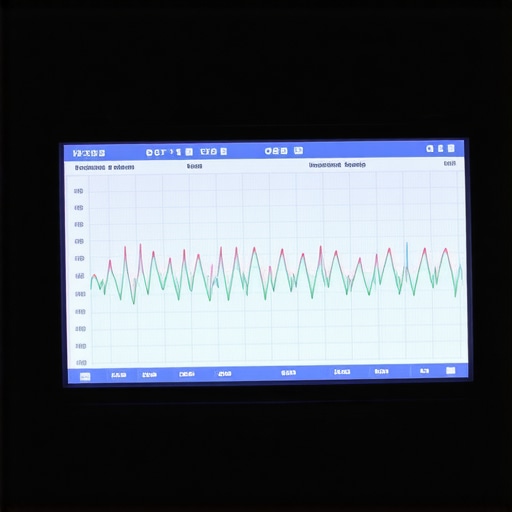 For those of you dealing with driveline issues, the same logic applies—follow top transmission repair tips for long-term vehicle reliability by monitoring your transmission fluid temperature during towing or heavy traffic to prevent heat-related thinning.The Society of Automotive Engineers (SAE), in papers like SAE 2012-01-1615, highlights that oil aeration—the formation of tiny air bubbles in your oil—is a major contributor to hydraulic lifter noise in modern high-rpm engines. This usually happens when the oil level is just slightly off or if the oil hasn’t been changed in a long time, allowing its anti-foaming agents to break down. It proves that maintenance isn’t just about ‘cleanliness’; it’s about the physical properties of the fluid being able to transfer pressure correctly. If you are struggling with a complex issue, consulting the ultimate guide to auto repair can help you distinguish between these fluid-related issues and actual hardware failure.
How Do I Keep My Engine Quiet for the Next 100,000 Miles?
Maintaining that ‘new car’ silence requires a shift in how you think about service intervals. Most manufacturers suggest 10,000-mile oil changes now, but if I hear even a hint of a tick or if I drive in a dusty environment, I drop that to 5,000 miles without hesitation. It is the cheapest insurance policy you will ever buy for your valvetrain. Beyond the oil, pay attention to your accessory drive. A worn belt tensioner or a failing water pump bearing can create a rhythmic chirp that mimics internal engine noise. When you are deciding how to choose the best brake service in 2025, look for shops that also offer comprehensive digital inspections. These reports often include high-resolution photos of your suspension and engine bay, which can help you spot leaks or frayed belts before they start making noise and leave you stranded.
The Future of Diagnosing Noises Without Opening the Hood
Looking ahead, I predict we are going to see a massive surge in AI-driven acoustic diagnostic apps. Imagine holding your smartphone up to the grille, and an app uses machine learning to compare your engine’s sound frequency against a database of thousands of known failures. It sounds like sci-fi, but the tech is already being used in high-end industrial manufacturing to predict bearing failures before they happen. This will democratize auto repair, allowing regular owners to identify a failing alternator bearing or a cracked manifold before a mechanic even touches the car. Until then, stay hands-on and keep learning the mechanical signals your car is sending. If you want to take your DIY skills to the next level today, try how to check your own wheel alignment using a piece of string—it’s a great way to learn about vehicle geometry without a twenty-thousand-dollar machine. My advice for this week? Grab a scanner, look at your live data for VVT error degrees, and see if your engine is really as healthy as it sounds.
The Hardest Lessons I Learned Chasing Engine Ghosts
After years of getting my hands dirty, I’ve realized that engine noises are rarely as catastrophic as they sound—if you catch them early. One major lightbulb moment was discovering that low oil pressure isn’t always about the pump; sometimes it’s just a clogged filter or old fluid losing its viscosity. I also learned that ignoring a small sound to save money usually ends up costing quadruple when a lifter finally collapses. Always trust your ears, but verify with your tools. If your car is showing signs of age, check out the real reason your check engine light is on but the car runs fine to stay ahead of the curve. Dealing with these issues taught me that patience is just as important as a socket wrench.
Gear I Actually Use to Keep My Daily Driver Silent
You don’t need a professional garage to diagnose these issues, but you do need a few essentials. My personal toolkit always includes a solid bidirectional scanner to check those VVT solenoids and a long-handled screwdriver to act as a stethoscope. For those who want to be truly prepared, I highly recommend diving into the ultimate guide to auto repair to understand the ‘why’ behind the ‘how.’ #IMAGE_PLACEHOLDER_E# If your maintenance journey takes you past the engine, knowing how to check your brake pads without taking the wheels off is another skill that saves massive amounts of time and money. I also keep a high-quality torque wrench handy to ensure every bolt is seated exactly to spec, preventing those annoying rattles from starting in the first place.
Your Car Deserves a Second Chance
Don’t be intimidated by a metallic tap or a strange rhythm under the hood. Most of the time, your vehicle is just asking for a little bit of proactive care. By keeping up with essential car service checks to extend your vehicles life, you are ensuring that your car stays reliable for the long haul. Remember, a quiet engine is a happy engine, and a little knowledge goes a long way in preventing a breakdown. Whether you’re focused on engine health or seeking top transmission repair tips for long-term vehicle reliability, the most important step is simply starting. You have the power to keep your car on the road and out of the scrapyard. Have you ever had a mystery noise that turned out to be a five-minute fix? Let me know in the comments below!