
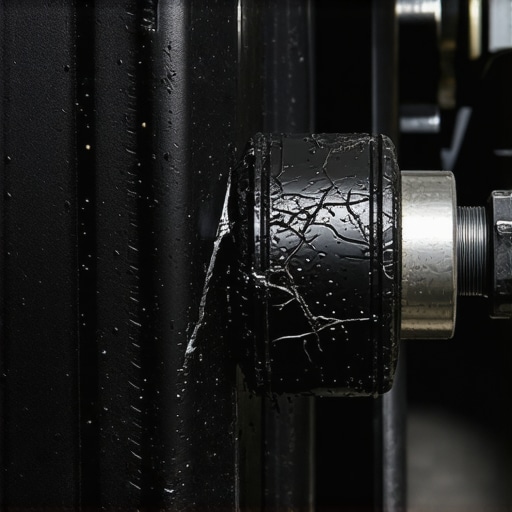
I remember standing in my driveway last November, staring at a small, dark smudge of grease on the inside of my front passenger wheel. I wiped it off with a rag, told myself I’d check it later, and went inside for coffee. That was my first big mistake. Three weeks later, that tiny smudge turned into a rhythmic, metallic clicking that echoed off every building I passed. By the time I got it to the shop, my $80 maintenance job had morphed into a $600 axle replacement. I’d let a simple rubber cover—a CV boot—fail, and it took the entire joint down with it. If you have ever noticed a weird oily spray under your car or wondered why your car makes a grinding sound when you turn the steering wheel, you are likely standing exactly where I was. Today, I’m going to show you how to catch this before it drains your wallet, because catching a tear early is the difference between a quick fix and being stranded on the shoulder of a busy highway.
Why Your Bank Account Hates That Clicking Sound
Most of us don’t spend a lot of time thinking about Constant Velocity (CV) joints, but they are the unsung heroes that transfer power from your transmission to your wheels while allowing the suspension to move. The CV boot is just a protective rubber sleeve that keeps the special high-temperature grease in and the nasty road grit out. When that rubber gets old and cracks, it’s like leaving your front door open in a sandstorm. Dirt and moisture fly in, the grease flies out, and the metal bearings start grinding themselves into dust. According to the Car Care Council, neglecting small protective components like these is one of the leading causes of preventable, high-cost mechanical failures in aging vehicles. It is a classic case where being proactive with essential car service checks to extend your vehicles life isn’t just a suggestion; it is a financial survival strategy.
Does a Little Grease Really Mean the Axle is Dying?
You might be skeptical. After all, it’s just a piece of rubber, right? I used to think the same thing until I saw the inside of my old joint. It looked like someone had poured liquid sandpaper into the bearings. Once that seal is compromised, the clock starts ticking immediately. If you catch it while the grease is still clean, you can often just replace the boot. But if you wait until you hear that clicking noise during U-turns, the damage is already done. Have you ever noticed a strange grease pattern on your rims and just ignored it? I’d love to hear if you caught it in time or if, like me, you learned the hard way. It’s all part of the ultimate guide to auto repair—learning to listen to the small warnings before they become big screams. When you see why your car feels like it is swaying on the highway or making odd noises, your car is trying to tell you a story. Don’t wait for the final chapter.To stop an axle replacement in its tracks, you need to get comfortable with a flashlight and a pair of work gloves. You do not need a shop lift for this; simply turning your steering wheel all the way to the lock (left or right) provides enough clearance to peer behind the tire and see the CV boot.
Check the Accordion for Hidden Tears
The CV boot looks like a black rubber accordion. Its job is to flex as you steer and drive over bumps, but that constant movement eventually fatigues the rubber. When I was working on my old commuter car, I realized that just looking isn’t enough. I had to physically reach in and spread the folds of the rubber apart. To my surprise, a tiny slit was hiding deep within the third fold, invisible from a distance. If I hadn’t found it then, dirt would have turned the internal grease into a grinding paste within weeks. This type of proactive maintenance is one of the essential car service checks to extend your vehicles life. If the rubber feels brittle or looks like a dried-out garden hose, it is only a matter of time before it splits open. 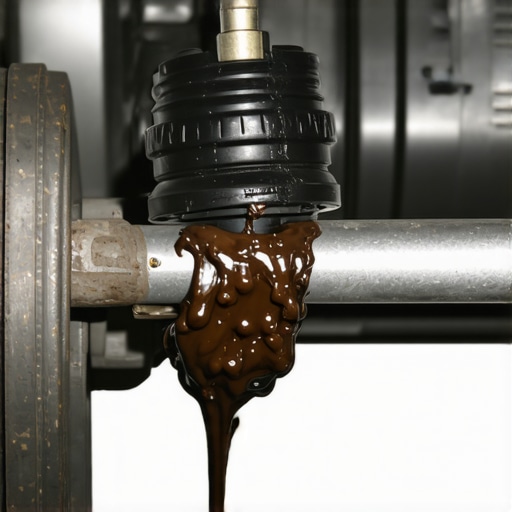
Hunt for the Centrifugal Grease Starburst
When a boot actually rips, the spinning motion of the axle acts like a kitchen blender without a lid. It flings thick, dark grease in a 360-degree circle onto everything nearby. Look for dark, sticky splatters on the inside of your wheels, the brake calipers, or the lower control arms. This isn’t just a messy nuisance; it is the death knell for the joint. If you find this mess, you are likely already hearing why your car makes a grinding sound when you turn the steering wheel. At this stage, the grease that was supposed to protect the metal bearings is gone, and road grit is actively eating the joint. I once ignored a faint grease spray on my rim, thinking it was just road tar; two weeks later, the rhythmic clicking started, and the repair bill tripled.
Distinguish Between Grease and Road Grime
Not every dark spot is a failed axle. You need to know the difference between ‘dirty’ and ‘destroyed.’ While you are under there, it is wise to learn how to tell if your shocks are actually bad or just dirty. Shock fluid is thin and oily, while CV joint grease is thick, pungent, and almost like black peanut butter. If the mess is thick and concentrated around the axle, the boot is the culprit. Following the ultimate guide to auto repair means being a detective with your own car. If you catch the tear while the grease inside is still clean and the joint isn’t clicking, you can sometimes get away with a ‘re-boot’ kit rather than a full axle replacement. This is also the time to check for the hidden suspension issues that a standard wheel alignment wont fix, as worn bushings can sometimes put extra stress on the CV axles, leading to premature boot failure. Consistency in these checks keeps your car off the tow truck and your budget intact.If you walk into a high-volume shop with a torn boot, they will almost always tell you to replace the entire axle assembly. It is a common industry belief that the labor costs of cleaning a joint and installing a new boot far outweigh the price of a ‘new’ axle. But here is the nuance most people miss: not all axles are created equal. In my experience, a twenty-year-old original equipment manufacturer (OEM) axle is often made of much higher-grade steel than a cheap ‘new’ axle from a big-box parts store. I have seen those budget replacements snap under load or cause strange vibrations that make you think you need an urgent brake service or a wheel balancing.
The Great Aftermarket Axle Deception
Many of these budget-friendly axles are actually ‘will-fit’ parts that lack the precise balancing of your car’s original equipment. According to data from the Automotive Service Association (ASA), component-level repairs that preserve original drivetrain geometry often lead to fewer long-term complications than installing low-tier aftermarket assemblies. This is remarkably similar to top transmission repair tips for long-term vehicle reliability, where replacing a specific worn component is often better than swapping in a questionable used gearbox. If your joint is not clicking yet, saving your original axle with a high-quality boot kit is almost always the superior choice for your car’s health.
Does a Faint Clicking Sound Always Mean the Axle is Trash?
Conventional wisdom says that once the noise starts, the joint is beyond saving. However, if the clicking only happens under extreme steering lock and you catch it the moment the boot tears, a thorough cleaning and repacking with high-moly grease can sometimes buy you years of additional life. The ‘Oops’ factor here is the ‘split boot’ kit. You will see these in every auto parts store; they are designed to be glued together around the axle so you do not have to disassemble the suspension. In theory, it is a genius shortcut. In reality, the seam almost always fails within weeks. Using one of these is much like why Autolab Libertyville recommends skipping the cheap transmission leak fluids; a chemical or mechanical band-aid is never a substitute for a proper structural repair. #IMAGE_PLACE_HOLDER_C#
The Fatal Flaw of Universal Boot Kits
Beyond the split-boot disaster, many shops use ‘universal’ stretch boots that are supposed to fit any car. Because these are made of thinner, more elastic rubber, they lack the heat resistance required for modern engines. When you are following the ultimate guide to auto repair, you learn that the ‘easy’ way is usually the most expensive way in the long run. If you have already reached the loud, rhythmic clicking stage, do not settle for the cheapest part on the shelf unless you want to do the job again in six months. Have you ever fallen into this trap of choosing the ‘convenient’ repair only to have it fail immediately? Let me know in the comments.If you have decided to tackle a boot replacement or a full axle swap yourself, your success depends entirely on the tools you use to finish the job. I’ve learned the hard way that a generic ‘will-fit’ pliers set is the fastest way to ruin a high-quality CV boot clamp. To do this right, I always reach for my precision 1/2-inch drive split-beam torque wrench and a pair of fixed-tip snap-ring pliers. Unlike the ones with interchangeable heads that always seem to flex or drop the ring into the dark abyss of the subframe, fixed-tip pliers give you the tactile feedback needed to seat the axle onto the transmission output shaft perfectly. This level of precision is exactly what separates a weekend warrior from a pro following the ultimate guide to auto repair.
Ditch the Multi-Tool for Professional Snap-Ring Pliers
When you are deep into the suspension, you will encounter the heavy-duty snap rings that hold the joint to the shaft. If you mangle these, you are looking at a much longer day. I also recommend a dedicated CV boot clamp tool; trying to use side cutters to crimp a stainless steel ear-type clamp usually results in a leak within a thousand miles. Using the right equipment ensures that the grease stays exactly where it belongs, which is a cornerstone of essential car service checks to extend your vehicles life. 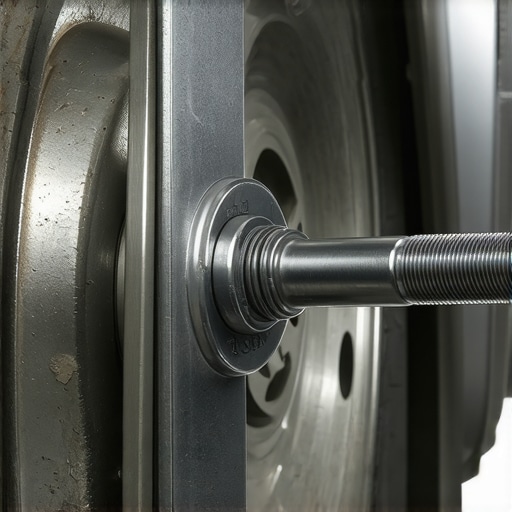
How do I maintain my car’s drivetrain over time?
The secret isn’t a magic chemical; it is a consistent five-minute inspection every time you rotate your tires. I use a high-powered LED work light to check the inner and outer boots for ‘checking’—those tiny surface cracks that appear before a full split. While you are under there, it is the perfect time to look for the hidden suspension issues that a standard wheel alignment wont fix, such as leaking transaxle seals or worn ball joints that can put uneven stress on the CV joints. According to technical documentation from GKN Automotive, the global leader in driveline systems, using a grease with a minimum of 3% molybdenum disulphide (MoS2) is non-negotiable for high-load applications. If you are repacking a joint, don’t just grab the cheapest tub of grease on the shelf; check the label for that MoS2 content to prevent premature wear.
Why the Hub Nut Torque Specification is Non-Negotiable
One of the biggest mistakes I see in DIY auto repair is the ‘ugga-dugga’ method with an impact wrench on the axle hub nut. This nut doesn’t just hold the axle in; it provides the clamping force for your wheel bearings. Over-tightening can crush the bearing race, while under-tightening leads to play that will have you searching for how to tell if your wheel bearing is failing or if its just road noise. Always look up the exact foot-pounds for your specific year and model. This attention to detail is just as critical as following top transmission repair tips for long-term vehicle reliability.
Instant Torque and the Future of CV Joints
As we transition toward electric vehicles (EVs), the stress on CV axles is skyrocketing. Electric motors provide 100% of their torque at zero RPM, meaning the internal bearings of the CV joint are under immense pressure every time you take off from a stoplight. I predict we will see a shift toward larger, more robust ‘fixed’ joints and specialized synthetic lubricants designed to handle the heat of rapid acceleration. For now, the best thing you can do is stay proactive. Next time you have the wheel off for a string-based alignment check, take thirty seconds to wipe down your CV boots with a damp rag and inspect those folds. Catching a hairline crack today saves you from hearing why your car makes a grinding sound when you turn the steering wheel tomorrow.
Hard-Won Truths From My Time Under the Chassis
After years of getting my knuckles barked and grease under my fingernails, I have realized that the biggest mistakes in auto repair aren’t usually lack of skill—they are lack of attention. The ‘Clean Hands’ Trap: Just because the outside of a CV boot looks dry doesn’t mean it’s intact. I have found tears hiding in the ‘valleys’ of the rubber accordion that only show themselves when the wheel is turned to a full lock. The ‘Just One More Mile’ Lie: We all do it. We hear a faint noise and tell ourselves it can wait until next payday. With CV joints, once the rhythmic clicking starts, the metal-on-metal damage is already accelerating. Waiting doesn’t just make the repair harder; it makes it more dangerous. The OEM Advantage: I used to buy the cheapest axles available until I realized they often caused high-speed vibrations that felt like a bad wheel balance or a need for brake service. High-quality original equipment is almost always worth the extra investment for the peace of mind it provides.
The Gear That Actually Makes a Difference
If you are going to move beyond basic oil changes and into driveline work, you need more than a generic socket set. I personally rely on fixed-tip snap ring pliers; the interchangeable ones are too flimsy for the heavy-duty rings found on CV axles. For lubrication, I never use the generic ‘all-purpose’ grease. I look for high-molybdenum disulfide (MoS2) grease because it’s specifically engineered to handle the extreme pressure inside a joint. I also highly recommend keeping a printed copy of a vehicle-specific service manual nearby. While YouTube is great, having the exact torque specs from the ultimate guide to auto repair for your specific VIN is what prevents stripped threads and failed bearings. Finally, a quality LED headlamp is your best friend—you can’t fix what you can’t see clearly in the shadows of the wheel well.
Take Control of Your Drivetrain Today
You don’t need to be a master mechanic to keep your car running reliably for decades. It all starts with the willingness to look closer and the patience to do the job right the first time. By incorporating these essential car service checks to extend your vehicles life into your seasonal routine, you are taking the power away from the repair shops and putting it back into your own hands. This proactive approach is very similar to following top transmission repair tips for long-term vehicle reliability; it is about preventing the fire rather than just putting it out. Your car is an investment, and with a little bit of grease and some focused attention, it will reward you with years of trouble-free miles. Have you ever tried to save an axle with a boot kit, or did you go straight for the full replacement? Let me know your experiences in the comments below.