
I still remember the cold Tuesday morning last autumn when my reliable commuter turned into a stressful guessing game. I pulled out of my driveway, hit the main road, and pressed down on the gas pedal. The engine revved higher and higher, but my transmission just hung there, screaming in second gear, completely refusing to slide into third. For three long seconds—which felt like an eternity with a tailgating pickup truck behind me—my car hesitated before finally slamming into gear with a sickening thud. It is a terrifying feeling when your daily driver suddenly decides to stop cooperating on the open road. If you are experiencing this exact hesitation, you are probably worried about a massive mechanic bill, but I am here to tell you that we can get to the bottom of this together. Today, we are going to demystify exactly why your transmission is acting up and how to pinpoint the culprit before you spend a dime at a shop.
My Costly Mistake and What I Learned the Hard Way
When my car first started acting up, I panicked. I immediately went online and bought the cheapest bottle of transmission additive I could find, thinking a quick chemical splash would cure my gears. It did not. In fact, relying on temporary fixes only delayed the inevitable and nearly ruined my clutch packs. That is why I always warn folks about why relying on transmission leak repair fluid is often a costly mistake. I ended up having to do a full system flush anyway. If I had just taken the time to diagnose the actual root cause—whether it was a lazy shift solenoid, a clogged filter, or old fluid—I would have saved myself weeks of driving anxiety.
Is a shifting delay always a sign of a dead transmission?
No, absolutely not. Many drivers assume that a hesitation between second and third gear means their entire gearbox is toast and they need to prepare for a multi-thousand-dollar replacement. This fear keeps people from investigating the issue. However, modern automatic transmissions rely heavily on electronic sensors, vacuum lines, and precise fluid pressure. According to the Car Care Council, a vast majority of transmission performance issues actually stem from neglected fluid maintenance or failing electronic sensors rather than complete mechanical failure. Have you ever felt your car hold onto a gear for way too long, leaving you holding your breath? Let me know in the comments below, because you are definitely not alone. Before you assume the worst, we need to look at how your fluid behaves, because learning how to tell if your transmission fluid is actually burnt is the very first diagnostic step you should take in your own driveway.
First-Response Diagnostics to Stop the Gear Stutter
When your vehicle hesitates between second and third gear, it is essentially experiencing a brief breakdown in internal communication. Think of your automatic transmission as a high-pressure hydraulic computer; the fluid is both the software and the physical muscle that forces the metal gears to engage. If that fluid loses its viscosity or drops in volume, the system cannot build up enough pressure to push the next gear into place.
My own wakeup call happened in a cramped garage on a freezing Saturday. My commuter was delaying its shifts, so I crawled underneath with a flashlight. Instead of checking the dipstick, I decided to pull the pan plug. Red, sticky fluid splashed all over my forearms, and it smelled exactly like burnt toast. It was a messy, embarrassing wake-up call that taught me you cannot skip basic inspection. To avoid my messy mistake, you can easily learn the easy way to check your transmission fluid without a dipstick if your modern car lacks one. Checking the level and smell of your fluid is the quickest way to know if you are dealing with a simple low-fluid situation or a deeper internal mechanical failure. 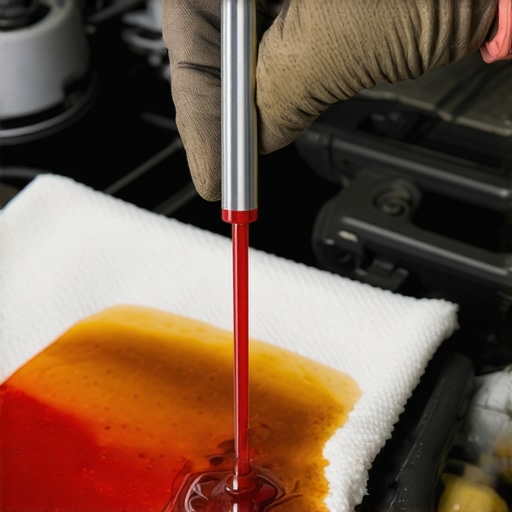
Pinpoint the Slipping Sensor Before You Replace Major Parts
If your fluid looks bright cherry red and smells sweet, your mechanical components are likely fine, and your culprit is electronic. Modern gearboxes rely on electronic shift solenoids, which act like tiny electronic gates opening and closing to direct fluid flow. When a solenoid gets sticky or its electrical coil starts to fail, it ignores the computer’s command to shift for a few crucial seconds.
Before you panic and assume you need a brand-new gearbox, you need to determine if you are dealing with a bad electronic signal. I highly recommend reading up on how to tell if your transmission is slipping or if its just a sensor. Many DIYers have saved thousands of dollars by simply swapping out a external speed sensor or a shift solenoid plug rather than paying for a total rebuild.
Listen to the Noises Your Gearbox Makes under Load
The sounds your vehicle makes during these delayed shifts provide massive clues. A loud metallic clunk when the gear finally catches points toward worn clutch packs or pressure regulation issues. Conversely, a high-pitched whine that increases with engine speed usually indicates a clogged internal filter, forcing the fluid pump to starve for oil.
If you are trying to map out a complete maintenance plan for your vehicle to avoid these scary roadside moments altogether, utilizing a checklist is your best defense. Keeping up with essential car service checks to extend your vehicles life ensures you catch low fluid levels, deteriorating hoses, and failing sensors before they leave you stranded in traffic. Identifying the sounds early lets you target the exact component that needs attention.
Most DIY mechanics and car owners assume that when a transmission starts acting up, the solution is always a linear path of replacing parts until the problem vanishes. In my years of turning wrenches, I have realized that the biggest mistake people make is treating automatic gearboxes like simple mechanical linkages. Everyone tells you to check your fluid level and immediately suspect a blown gear, but in my experience, the hidden culprit is almost always a subtle hydraulic pressure drop or a confused computer module rather than physical gear teeth shearing off.
The Pressure Trap That Misleads Even Seasoned DIYers
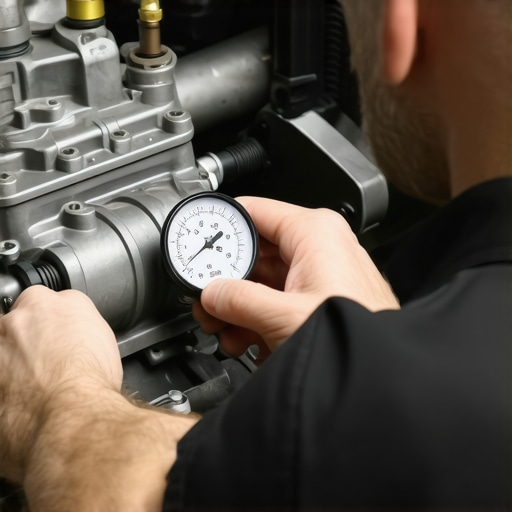
Here is a contrarian truth: you can have perfect fluid levels, brand-new sensors, and still experience that gut-wrenching second-to-third gear hesitation. Why? Because of micro-leaks in the valve body gaskets. Many drivers fall into the trap of replacing expensive shift solenoids when the real issue is that the pressurized fluid is simply slipping past a worn paper gasket inside the control valve assembly. If you change a sensor without testing the actual line pressure with a mechanical gauge, you are just throwing money at a symptom. This is why staying on top of top transmission repair tips for long-term vehicle reliability requires looking past the OBD-II scanner codes and understanding how fluid pressures work under load.
Why does my car only hesitate to shift when the engine is completely warm?
This is one of the most sophisticated questions I get from readers, and the answer lies in the physics of oil viscosity. When your car is cold, the transmission fluid is thicker, which temporarily seals tiny internal clearances and keeps pressures high enough to force the shift. As the engine warms up to operating temperature, the fluid thins out. If you have internal wear in your clutch pistons or a subtle pressure leak, the thinned-out hot fluid escapes through those tiny gaps, causing a sudden drop in pressure that manifests as a delayed or harsh shift between second and third gear. This nuance is why a standard scan tool won’t show a hard failure code, leaving many shops to mistakenly recommend a complete, expensive rebuild.
According to the Automatic Transmission Rebuilders Association (ATRA), over half of all towing-grade transmission failures brought into shops could have been prevented entirely by addressing early-stage pressure drops and electronic communication glitches rather than physical gear wear. If you ignore these early signs, you might find yourself needing a full overhaul. In those extreme cases, understanding why the transmission alone could double the cash value of your junk car can help you decide if a vehicle is worth fixing or if it is time to cut your losses. Have you ever fallen into this pressure-trap or spent money on a sensor that didn’t fix the issue? Let me know in the comments, because sharing these garage stories is how we all save money and learn together.
The Critical Connection Between Your Brakes and Shifting Logic
Another overlooked nuance is how other vehicle systems interact with your transmission’s computer. For example, a failing brake light switch or a faulty wheel speed sensor can trick your transmission control module (TCM) into thinking you are braking while you are actually trying to accelerate, causing delayed shifts. If you are experiencing weird drivability issues, it pays to look at your entire vehicle holistically. Utilizing comprehensive guides like the ultimate guide to auto repair keep your car running smoothly will help you see how these seemingly unrelated electrical networks tie together. Before you let a shop convince you that your gearbox is dead, make sure your braking and ABS systems are communicating perfectly with your engine computer.
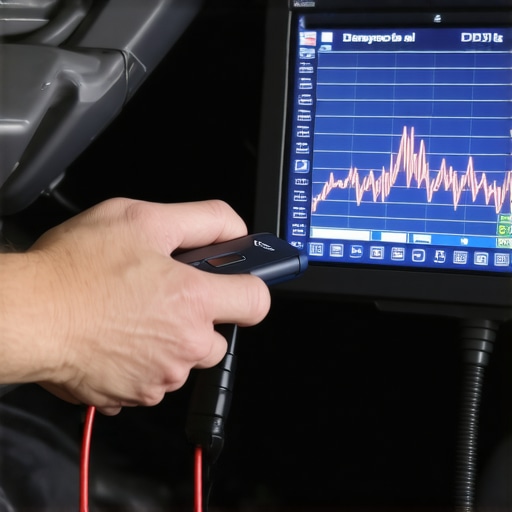
To truly stop chasing ghosts and save your gearbox, you have to transition from a passive car owner to an active diagnostician. In my own garage, I stopped guessing the moment I invested in a dedicated bidirectional scan tool. While cheap OBD-II readers only spit out generic engine codes, a professional-grade scanner lets you command individual shift solenoids to click on and off while the engine is dead quiet. According to the master technicians at the Automatic Transmission Service Group (ATSG), physically commanding a solenoid while monitoring live pressure PID data is the only definitive way to isolate an electrical coil failure from a mechanical blockage. I personally use an Autel MaxiCOM system for this exact task because it lets me bypass the vehicle’s computer entirely to see if the solenoid itself is physically sticking.
How do I maintain my transmission shifts over time?
Long-term reliability is not about luck; it is about proactive hydraulic hygiene. First, establish a strict fluid inspection routine every 15,000 miles. Do not just look at the level on the dipstick—wipe the fluid onto a clean white paper towel to inspect the color and check for microscopic metal flakes. Second, never perform a high-pressure machine flush on an older transmission that has missed its regular service intervals, as this can dislodge stubborn debris and jam the delicate valve body. Instead, stick to a gentle gravity drain and refill. Finally, invest in an auxiliary transmission fluid cooler if you frequently tow loads or drive in stop-and-go traffic, as keeping the operating temperature below 200 degrees Fahrenheit can literally double the lifespan of your internal clutch friction materials.
Looking ahead, the future of transmission diagnostics is rapidly moving toward predictive artificial intelligence. Many newer vehicles are already utilizing machine-learning algorithms within the TCM to adapt shifting pressures based on real-time clutch wear and individual driving habits. While this makes manual backyard diagnosis trickier, it also means your car will soon alert you to a pressure drop weeks before you ever feel that terrifying second-to-third gear stutter on the highway. To ensure your entire vehicle keeps up with these modern demands, make sure you are regularly performing essential car service checks to extend your vehicles life. If your car is already showing signs of slipping, your immediate next step should be to look up top transmission repair tips for long-term vehicle reliability and check your transmission’s line pressure with a mechanical gauge this weekend.
When your vehicle starts acting up, it is easy to assume the worst and expect a massive mechanic bill. However, after years of working on my own cars, I have learned that shifting delayed issues are often simpler than they appear. By approaching the problem logically—starting with basic fluid dynamics and working your way up to electronic sensor diagnostics—you can save yourself thousands of dollars and regain complete confidence in your daily drive.
The Hardest Lessons I Learned on the Garage Floor
Through my own struggles with automatic gearboxes, a few undeniable truths have completely changed how I approach mechanical problems. First, never assume a transmission slip is a mechanical death sentence. More often than not, it is an electronic miscommunication or a minor hydraulic pressure drop rather than physically sheared gear teeth. Second, never skip the basics to chase complex electronic ghosts. I once spent two days testing wiring harnesses only to discover that my entire shifting issue was caused by fluid that was just two quarts low because of a hidden leak. Finally, your braking system and transmission are deeply interconnected. A failing brake light switch or a dirty wheel speed sensor can send corrupted data to your computer, causing it to hesitate during crucial gear changes.
My Essential Toolkit for Gearbox Diagnostics
If you want to stop guessing and start fixing, you need to arm yourself with the right resources and tools. These are the items I personally rely on in my garage:
- A Mechanical Pressure Gauge: This is the only way to measure actual hydraulic line pressure under load, bypassing what the computer thinks is happening.
- A Bidirectional OBD-II Scan Tool: I highly recommend using a mid-range diagnostic tool like the Autel MaxiCOM system to command individual shift solenoids to click on and off while the engine is dead quiet.
- ATSG Service Manuals: The Automatic Transmission Service Group publishes the absolute gold-standard rebuild manuals, which contain detailed fluid path diagrams that make troubleshooting complex valve bodies incredibly straightforward.
- Comprehensive Reference Guides: Keeping up with the ultimate guide to auto repair keep your car running smoothly will help you see how different electronic networks across your vehicle tie together.
Take Control of Your Drivetrain This Weekend
Do not let transmission hesitation keep you from driving your car with peace of mind. By taking a proactive approach, checking your fluid consistency, and learning how to interpret the signals your vehicle is giving you, you can conquer these shifting issues before they leave you stranded. To ensure your entire vehicle keeps up with these modern demands, make sure you are regularly performing essential car service checks to extend your vehicles life. If your car is already showing signs of slipping, your immediate next step should be to look up top transmission repair tips for long-term vehicle reliability and check your transmission’s line pressure with a mechanical gauge this weekend.
Have you ever experienced a sudden shift delay that turned out to be a simple sensor or low fluid issue? Let me know in the comments below, and let us swap some garage stories!