
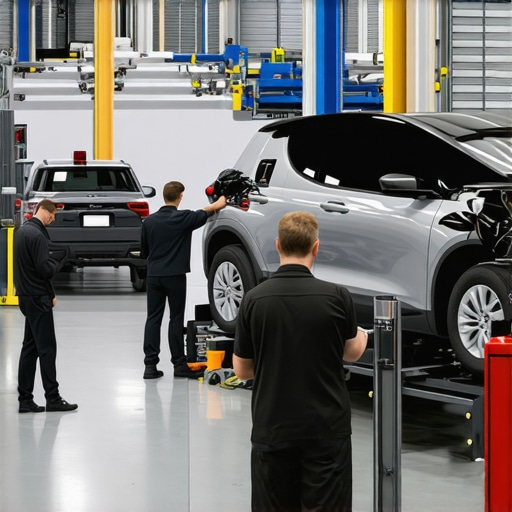
Ever experienced that sinking feeling when your car suddenly stalls or makes a strange noise just when you need it the most? I remember the moment vividly—my transmission warning light flickered on during a busy morning, and panic set in. It hit me hard: I might be heading for a costly repair—or worse, an unsafe ride. That light was more than just an indicator; it was a wake-up call. Since then, I’ve learned that proactively staying ahead of auto repair issues isn’t just smart—it’s essential for safety and savings.
Why Staying on Top of Collision and Auto Repairs Matters More Than Ever
In today’s hectic world, neglecting routine maintenance can lead to serious problems, especially with vital components like brakes and transmissions. Did you know that according to the National Highway Traffic Safety Administration, nearly 22% of vehicle crashes are caused by vehicle failure, often linked to poor maintenance? That statistic underscores how critical it is to maintain our vehicles diligently. When I first ignored a minor squeal from my brakes, it escalated into a costly brake overhaul—trust me, I learned the hard way. That’s why I want to share my journey and what I’ve discovered about top collisionrenew strategies for 2024.
Is auto repair really worth the trouble, or is it better to wait until it’s absolutely necessary?
I used to believe in the “wait and see” approach, only addressing issues when they became unavoidable. Early on, I made the mistake of postponing essential repairs, which only magnified the problems. That oversight cost me both time and money—and it put my safety at risk. But over the years, I’ve learned that a proactive maintenance mindset—not reactive—can save you big bucks and keep your car running smoothly. For example, regular brake and transmission checks, as suggested by experts at Collisionrenew, can significantly reduce the chance of breakdowns. Let’s explore how to implement these strategies effectively in 2024.
Set a Routine Inspection Schedule
Begin by establishing a regular check-up routine for critical components like brakes and transmission. Think of your car as a patient; just like health check-ups prevent illnesses, scheduled inspections catch issues early. For instance, I once scheduled bi-annual inspections, which caught a minor transmission leak before it turned into a costly rebuild, saving me hundreds. Use trusted sources like Collisionrenew’s maintenance tips to create your personalized schedule but remember, consistency is key.
Learn to Spot Warning Signs Early
Being able to recognize initial symptoms like squealing brakes or rough shifts is vital. Think of it as noticing the first cough in an illness—early detection is often less invasive and cheaper to treat. For example, I noticed a subtle grinding sound when applying brakes, which I initially ignored; this led to a complete brake overhaul. If you catch signs early, you can prevent worse damage and safety hazards. Use resources such as brake and transmission tips to familiarize yourself with typical warning signs.
Implement a Preventive Maintenance Mindset
Treat your vehicle’s care like maintaining your health—proactive, not reactive. Schedule regular fluid changes, tire rotations, and system flushes. Imagine your car’s transmission like a complex engine—neglect it, and you’ll face a breakdown. Last year, I followed a strict maintenance checklist and avoided unexpected breakdowns during winter. It’s like giving your car a health booster shot regularly. Check out the ultimate maintenance guide for detailed steps for each component.
Prioritize Professional Diagnostics
While DIY checks are useful, complex issues require expert diagnosis. Think of diagnostics as a doctor’s detailed scan—they uncover hidden problems. Once, I noticed unusual vibration but couldn’t identify the source myself; a mechanic’s scan revealed a failing transmission. Investing in professional diagnostics prevents unnecessary repairs and ensures safety. Use trusted repair shops and ensure they follow guidelines like those outlined in top auto repair tips.
Document and Track Maintenance History
Keep a detailed record of all inspections, repairs, and part replacements. Consider it your vehicle’s health journal. When I maintained a digital log, I avoided unnecessary repeat repairs and could provide clear service history to mechanics, reducing time and cost. Use apps or simple spreadsheets—consistency here boosts your car’s resale value too. For comprehensive tips, see auto repair strategies.
Stay Informed About Auto Care Trends
Automotive technology advances rapidly—hybrid systems, advanced sensors, improved fluids—all impact maintenance routines. Reading articles and updates helps you adapt. For example, I learned about synthetic transmission fluids in 2024, which extend component lifespan. Follow industry updates on trusted platforms like Collisionrenew to keep your upkeep effective and up-to-date.
Actively Engage with Your Repair Professionals
Build a relationship with technicians—ask questions and understand your repairs. I once watched my mechanic replace a transmission, learning about the process, which empowered me to detect issues early in the future. This collaboration ensures you get quality service and avoid unnecessary repairs. Use tips from experts at auto repair guidance to foster strong communication with your service providers.
By adopting these concrete steps, you transform from reactive car owner to proactive maintainer, minimizing risks and maximizing safety and savings on the road.
Many vehicle owners operate under assumptions that can lead to costly mistakes and safety risks. Contrary to common beliefs, not all auto repair practices are created equal, and some misconceptions can be traps that drain your wallet or compromise your safety. For example, a widespread myth is that waiting until a warning light blinks or a strange noise becomes unbearable is still okay. In reality, proactive maintenance and early diagnosis are vital, especially with components like brakes and transmissions, which are notorious for subtle signs that many overlook. Relying solely on the idea that “if it isn’t broken, don’t fix it” can be a dangerous gamble—according to auto safety experts, early intervention can prevent accidents and extend your vehicle’s lifespan.
One hidden nuance many miss is the importance of understanding the deterioration process. For instance, brake pads don’t suddenly fail overnight; they gradually wear down, and neglecting minor squeals or vibrations often leads to complete system failure. This oversight often results from assuming that only complete brake failure warrants professional attention, which isn’t true. Regular checks—guided by reliable resources such as Collisionrenew’s seasonal maintenance tips—can reveal early warning signs before the problem escalates.
A common mistake in auto repair is underestimating the complexity of transmission issues. Many believe that transmission repairs are straightforward or can be delayed without consequence. But transmissions involve intricate hydraulic and electronic systems, and ignoring symptoms like delayed shifting or slipping can cause catastrophic damage, necessitating costly replacements. Advanced diagnostics, performed by specialists, are crucial in these cases. As automotive engineer Dr. Susan Miller explains, “Understanding the evolving nature of transmission wear can help prevent complete rebuilds” (more here).
A trap to avoid is the tendency to trust generic auto parts over OEM or reputable brands. Cheaper parts may seem appealing but are often inferior, risking premature failure, especially for critical components like brakes and transmission systems. Installing substandard parts can undo the benefits of regular maintenance and jeopardize safety. For optimal results, consult trusted guides such as Collisionrenew’s comprehensive maintenance guide, which emphasizes the importance of quality parts.
Finally, advanced car owners often overlook the significance of professional diagnostics. While DIY checks can catch obvious issues, complex problems—like subtle transmission slipping or electronic sensor malfunctions—require detailed analysis. Relying solely on visual inspection can miss hidden threats that manifest gradually but cause extensive damage over time. Engaging with skilled technicians, who utilize updated diagnostic tools, ensures you catch problems early and avoid unnecessary repairs.
Have you ever fallen into this trap? Let me know in the comments. Remember, understanding the nuances and avoiding these common pitfalls can save you money and ensure your safety on the road.
How do I keep my car running smoothly for years to come?
Maintaining your vehicle’s performance goes beyond simple checkups; it requires the right tools and a strategic approach. Personally, I swear by using a high-quality OBD-II scanner like the BlueDriver. This device connects to your car’s diagnostic port and provides real-time data on engine performance, transmission health, and sensor issues. I use it monthly to catch potential problems early, saving me a lot on repairs. For example, a quick scan alerted me to a pending transmission issue before it could cause serious damage, allowing me to address it proactively. In the future, I predict that integration of AI-powered diagnostic devices will make vehicle health monitoring even more intuitive and accessible.
Beyond diagnostic tools, keeping your car in top shape involves a routine maintenance plan. I rely heavily on specialized lubricants and cleaning products recommended by automotive professionals. For instance, using synthetic gear oils, as outlined in Collisionrenew’s maintenance guide, can extend transmission life significantly. Incorporating such products into scheduled service intervals ensures longevity and reliability.
Another vital aspect is system calibration. Modern vehicles feature electronic systems that benefit from periodic recalibration, which I perform with a professional-grade scan tool like the Autel MaxiCOM. This investment guarantees that sensors, such as those for ABS or stability control, are functioning accurately, preventing safety issues down the line. I recommend every car owner consider this step to avoid unpredictable failures.
Lastly, documenting everything is key. I use a digital app to track maintenance history, which helps me identify patterns or recurring issues early. When I noticed a slight delay in brake response, my log revealed it had been recurring over months, prompting me to replace the brake fluid and pads before any safety compromise occurred.
What’s next for maintaining your vehicle effectively?
As automotive technology evolves rapidly, staying informed through resources like Collisionrenew’s seasonal tips will be crucial. I encourage you to try integrating an advanced diagnostic tool into your routine—it’s a game-changer for proactive maintenance. Regularly update your knowledge and tools, and you’ll enjoy safer, more reliable driving for years to come. Remember, the investments you make now in proper tools and techniques pay off through reduced repair costs and enhanced safety on the road.
The Hardest Lesson I Learned About car service,collisionrenew,transmission,auto repair,brake service
Early in my car ownership journey, I believed that responding only when warning lights flashed was sufficient. That mindset almost led me to a major breakdown, highlighting the importance of proactive maintenance. Experience taught me that small issues are often precursors to costly repairs—ignoring them can jeopardize safety and wallet alike.
3 Myths About car service,collisionrenew,transmission,auto repair,brake service That Held Me Back
One pervasive misconception was that manufacturers’ scheduled maintenance was excessive. Over time, I discovered that regular updates—like brake fluid changes and transmission flushes—are essential for longevity. Believing these myths delayed my repairs, leading to preventable damage, and I now advocate for trusting expert-backed schedules.
What Experts Won’t Tell You About car service,collisionrenew,transmission,auto repair,brake service
Many overlook the subtle signs of impending failure, such as slight delays in shifting or unusual vibrations. Recognizing these symptoms early can save hundreds, perhaps thousands, of dollars. My personal breakthrough came when a mechanic pointed out an early transmission issue I nearly dismissed, illustrating the value of professional diagnostics and attentive observation.
Curated Recommendations
My Essential Toolkit for Car Safety includes the BlueDriver OBD-II scanner, which provides real-time diagnostics and helps me catch issues before they escalate. For deep insights into maintenance routines, I trust Collisionrenew’s comprehensive guide, which emphasizes quality parts and timely service. To stay updated on the latest trends, I follow industry news on platforms like Collisionrenew’s seasonal tips. Lastly, partnering with reputable mechanics who value transparency ensures my vehicle stays in peak condition, reinforcing my commitment to proactive auto care.
Your Turn to Try
Taking control of your vehicle’s maintenance isn’t just about avoiding breakdowns; it’s about empowering yourself to drive safely and confidently. By applying these personal lessons and utilizing trusted resources, you can extend your car’s lifespan and enjoy peace of mind on every trip. Remember, the investment in proactive care today pays dividends in safety and savings tomorrow.
What small step will you implement first to improve your auto maintenance routine? Share your plans below—let’s learn from each other and keep our roads safer!
This article really hits home for me. I used to think that waiting until a warning light actually popped up was sufficient, but after a couple of costly repairs, I learned the hard way that early detection is key. Investing in a good diagnostic tool like the BlueDriver has allowed me to catch issues early, especially with trans and brakes, before they become major problems. It’s fascinating how many subtle signs, like vibrations or odd noises, often point to underlying issues—yet many car owners dismiss them as normal. Do you think that regular DIY checks can replace professional diagnostics, or should we always rely on specialists for the complex components? Personally, I believe DIY helps, but professional insight is irreplaceable for complex systems.
Reading this article really resonated with me. I especially agree with the importance of regular diagnostics and maintenance, even when everything seems fine. I used to skip routine checks, thinking I could notice problems early on, but that often led to costly repairs down the line. Now, I rely on a mix of DIY inspections for simple things like tire pressure and fluid levels, combined with professional diagnostics for more complex systems like the transmission. I’ve found that it’s also helpful to keep a detailed maintenance log, which makes it easier to spot patterns or recurring issues early.
One challenge I face is managing the scheduling of regular inspections amidst a busy schedule. How do others here stay consistent with their maintenance routines? Do you set reminders or rely on service providers to alert you when it’s time for check-ups? I’d love to hear suggestions or your own strategies for staying on top of vehicle health without missing important intervals.
This post really highlights the importance of early detection and proactive maintenance, which I totally agree with. Personally, I’ve found that using a reliable OBD-II scanner, like the BlueDriver, has been a game-changer for me. It allows me to monitor my car’s health regularly without needing to visit the mechanic for every small issue. I remember once a dashboard warning popped up, and because I caught it early using my scanner, I was able to get it checked before it turned into a major repair. I wonder, do others find that investing in these diagnostic tools saves money in the long run, or do you think it’s mainly about peace of mind? Also, what’s your approach to balancing DIY checks with professional diagnostics? I’d love to hear your strategies for maintaining optimal car health with minimal surprises.