
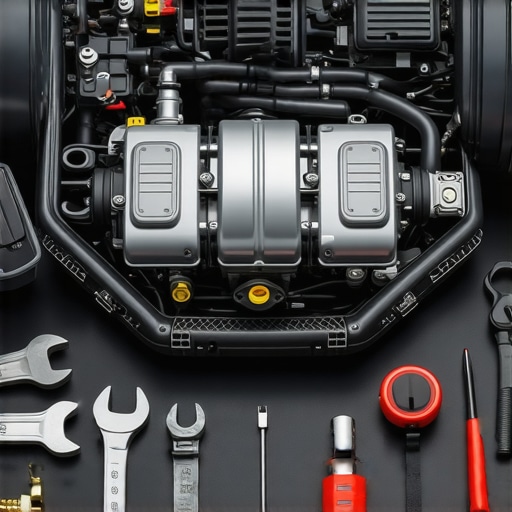
Ever had that sinking feeling when your car whines or shudders during a stop? Or worse, felt that sudden jerk as you hit the gas, realizing your transmission is playing tricks? I used to brush off these signs, thinking they’d ‘get better’ with a quick fix or just time. But one day, I was scrambling to get to work, brake pedal sinking to the floor, and it hit me—this wasn’t just inconvenience; it was a safety risk.
Why Staying Ahead of Brake and Transmission Issues Is a Must
In 2024, vehicle safety isn’t just about airbags and seat belts anymore; it’s about proactive maintenance, especially when it comes to your brakes and transmission. Regular check-ups can seem like a hassle, but ignoring them could lead to costly repairs, accidents, or even worse. I learned this the hard way early on when a minor squeak turned into a full-blown brake failure, nearly causing an accident.
Is the Hype About Maintenance Really Worth It?
You might be skeptical, and honestly, I was too. It’s easy to dismiss regular service as unnecessary if your car still runs fine. I made the mistake early in my driving life of thinking I could push a little longer between check-ups, and that only added to my repair bill later. The truth is, routine maintenance isn’t just about avoiding breakdowns; it’s about ensuring safety, saving money, and prolonging vehicle life. Want to see concrete tips on how to keep your brakes and transmission in top shape? Check out our comprehensive guide on best brake and transmission tips for safer driving in 2024. If you’ve faced this dilemma, read on—I promise, this will make your vehicle care much clearer and easier to handle.
Maintaining your vehicle properly today means peace of mind tomorrow. Let’s get started with the essential tips so you can drive safely into the new year.
}#}#}**}#}**}#}**}#}**}#}**}#}**}##}**}#}**}#}**}#}**}#}**}#}**}#}**}#}**}#}**}#}**}#}**}#}**}#}**}#}**}#}**}#}**}#}**}#}**}#}**}#}**}#}**}#}**}#}**}#}**}#}**}#}**}#}**}#}**}#}**}#}**}#}**}#}**}#}**}#}**}#}**}#}**}#}**}#}**}#}**}#}**}#}**}#}**}#}**}#}**}#}**}#}**}#}**}#}**}#}**}#}**}#}**}#}**}#}**}#}**}#}**}#}**}#}**}#}**}#}**}#}**}#}**}#}**}#}**}#}**}#}**}#}**}#}**}#}**}#}**}#}**}#}**}#}**}#}**}#}**}#}**}#}**}#}**}#}**}#}**}#}**}#}**}#}**}#}**}#}**}#}**}#}**}#}**}#}**}#}**}#}**}#}**}#}**}#}**}#}**}#}**}#}**}#}**}#}**}#}**}#}**}#}**}#}**}#}**}#}**}#}**}#}**}#}**}#}**}#}**}#}**}#}**}#}**}#}**}#}**}#}**}#}**}#}**}#}**}#}**}#}**}#}**}#}**}#}**}#}**}#}**}#}**}#}**}#}**}#}**}#}**}#}**}#}**}#}**}#}**}#}**}#}**}#}**}#}**}#}**}#}**}#}**}#}**}#}**}#}**}#}**}#}**}#}**}#}**}#}**}#}**}#}**}#}**}#}**}#}**}#}**}#}**}#}**}#}**}#}**}#}**}#}**}#}**}#}**}#}**}#}**}#}**}#}**}#}**}#}**}#}**}#}**}#}**}#}**}#}**}#}**}#}**}#}**}#}**}#}**}#}**}#}**}#}**}#}**}#}**}#}**}#}**}#}**}#}**}#}**}#}**}#}**}#}**}#}**}#}**}#}**}#}**}#}**}#}**}#}**}#}**}#}**}#}**}#}**}#}**}#}**}#}**}#}**}#}**}#}**}#}**}#}**}#}**}#}**}#}**}#}**}#}**}#}**}#}**}#}**}#}**}#}**}#}**}#}**}#}**}#}**}#}**}#}**}#}**}#}**}#}**}#}**}#}**}#}**}#}**}#}**}#}**}#}**}#}**}#}**}#}**}#}**}#}**}#}**}#}**}#}**}#}**}#}**}#}**}#}**}#}**}#}**}#}**}#}**}#}**}#}**}#}**}#}**}#}**}#}**}#}**}#}**}#}**}#}**}#}**}#}**}#}**}#}**}#}**}#}**}#}**}#}**}#}**}#}**}#}**}#}**}#}**}#}**}#}**}#}**}#}**}#}**}#}**}#}**}#}**}#}**}#}**}#}**}#}**}#}**}#}**}#}**}#}**}#}**}#}**}#}**}#}**}#}**}#}**}#}**}#}**}#}**}#}**}#}**}#}**}#}**}#}**}#}**}#}**}#}**}#}**}#}**}#}**}#}**}#}**}#}**}#}**}#}**}#}**}#}**}#}**}#}**}#}**}#}**}#}**}#}**}#}**}#}**}#}**}#}**}#}**}#}**}#}**}#}**}#}**}#}**}#}**}#}**}#}**}#}**}#}**}#}**}#}**}#}**}#}**}#}**}#}**}#}**}#}**}#}**}#}**}#}**}#}**}#}**}#}**}#}**}#}**}#}**}#}**}#}**}#}**}#}**}#}**}#}**}#}**}#}**}#}**}#}**}#}**}#}**}#}**}#}**}#}**}#}**}#}**}#}**}#}**}#}**}#}**}#}**}#}**}#}**}#}**}#}**}#}**}#}**}#}**}#}**}#}**}#}**}#}**}#}**}#}**}#}**}#}**}#}**}#}**}#}**}#}**}#}**}#}**}#}**}#}**}#}**}#}**}#}**}#}**}#}**}#}**}#}**}#}**}#}**}#}**}#}**}#}**}#}**}#}**}#}**}#}**}#}**}#}**}#}**}#}**}#}**}#}**}#}**}#}**}#}**}#}**}#}**}#}**}#}**}#}**}#}**}#}**}#}**}#}**}#}**}#}**}#}**}#}**}#}**}#}**}#}**}#}**}#}**}#}**}#}**}#}**}#}**}#}**}#}**}#}**}#}**}#}**}#}**}#}**}#}**}#}**}#}**}#}**}#}**}#}**}#}**}#}**}#}**}#}**}#}**}#}**}#}**}#}**}#}**}#}**}#}**}#}**}#}**}#}**}#}**}#}**}#}**}#}**}#}**}#}**}#}**}#}**}#}**}#}**}#}**}#}**}#}**}#}**}#}**}#}**}#}**}#}**}#}**}#}**}#}**}#}**}#}**}#}**}#}**}#}**}#}**}#}**}#}**}#}**}#}**}#}**}#}**}#}**}#}**}#}**}#}**}#}**}#}**}#}**}#}**}#}**}#}**}#}**}#}**}#}**}#}**}#}**}#}**}#}**}#}**}#}**}#}**}#}**}#}**}#}**}#}**}#}**}#}**}#}**}#}**}#}**}#}**}#}**}#}**}#}**}#}**}#}**}#}**}#}**}#}**}#}**}#}**}#}**}#}**}#}**}#}**}#}**}#}**}#}**}#}**}#}**}#}**}#}**}#}**}#}**}#}**}#}**}#}**}#}**}#}**}#}**}#}**}#}**}#}**}#}**}#}**}#}**}#}**}#}**}#}**}#}**}#}**}#}**}#}**}#}**}#}**}#}**}#}**}#}**}#}**}#}**}#}**}#}**}#}**}#}**}#}**}#}**}#}**}#}**}#}**}#}**}#}**}#}**}#}**}#}**}#}**}#}**}#}**}#}**}#}**}#}**}#}**}#}**}#}**}#}**}#}**}#}**}#}**}#}**}#}**}#}**}#}**}#}**}#}**}#}**}#}**}#}**}#}**}#}**}#}**}#}**}#}**}#}**}#}**}#}**}#}**}#}**}#}**}#}**}#}**}#}**}#}**}#}**}#}**}#}**}#}**}#}**}#}**}#}**}#}**}#}**}#}**}#}**}#}**}#}**}#}**}#}**}#}**}#}**}#}**}#}**}#}**}#}**}#}**}#}**}#}**}#}**}#}**}#}**}#}**}#}**}#}**}#}**}#}**}#}**}#}**}#}**}#}**}#}**}#}**}#}**}#}**}#}**}#}**}#}**}#}**}#}**}#}**}#}**}#}**}#}**}#}**}#}**}#}**}#}**}#}**}#}**}#}**}#}**}#}**}#}**}#}**}#}**}#}**}#}**}#}**}#}**}#}**}#}**}#}**}#}**}#}**}#}**}#}**}#}**}#}**}#}**}#}**}#}**}#}**}#}**}#}**}#}**}#}**}#}**}#}**}#}**}#}**}#}**}#}**}#}**}#}**}#}**}#}**}#}**}#}**}#}**}#}**}#}**}#}**}#}**}#}**}#}**}#}**}#}**}#}**}#}**}#}**}#}**}#}
Get Hands-On with Routine Inspection
Start by scheduling regular inspections at least every 6 months. During each visit, ask the mechanic to check the brake pads for wear—look for thinness or unevenness—and test the transmission fluid level and quality. When I caught a minor leak during my last check-up, the mechanic recommended replacing the brake fluid and trans fluid immediately. This proactive step prevented costly repairs down the line, and you can do the same by staying alert to signs like strange smells or noises while driving.
Use Simple Visual Checks You Can Do Yourself
Park your car on a flat surface and examine the brake rotors for grooves or rust, which indicates they need replacement. Check the brake pads through the wheel spokes; if they’re less than 1/4 inch thick, it’s time for service. For the transmission, look for fluid leaks under your vehicle and check the trans fluid color—if it’s dark or has a burnt smell, a flush is necessary. When I noticed my transmission slipping, I manually checked the fluid and immediately scheduled a flush, which restored smooth shifting and saved me from a major breakdown.
Prioritize Professional Maintenance
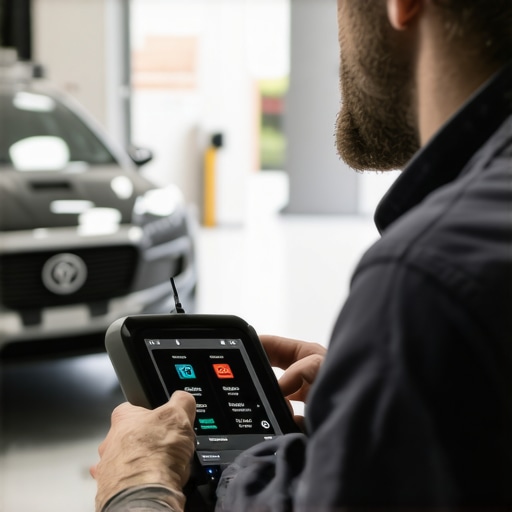
While DIY checks help catch early issues, professional diagnostics are essential for precision. Mechanics use specialized tools like brake friction testers and transmission analyzers. During my last appointment, the technician used a diagnostic scanner to identify a transmission misfire that wasn’t obvious after a visual inspection. Regular professional check-ups ensure that any underlying problems are addressed early, preventing dangerous breakdowns and extending your vehicle’s lifespan. To stay ahead, consult reliable sources like Top Transmission and Brake Service Tips for Safer Vehicles in 2024 for expert advice.
Replace Parts Before They Fail Completely
Components like brake pads, rotors, and transmission filters have predictable wear patterns. Change brake pads when they reach the minimum thickness—don’t wait for squeals or vibrations. For the transmission, replace the fluid and filter every 30,000 to 50,000 miles, depending on your vehicle model. I learned this the hard way when I ignored a slight delay in shifting; it eventually led to costly transmission rebuild. Planning replacements ahead can save you money and prevent roadside emergencies.
Incorporate Preventive Measures Into Your Routine
Implement a monthly check-in, like topping up brake fluid and inspecting transmission fluid levels. Use a clean cloth to wipe the dipstick and monitor color and clarity. Also, pay attention to warning lights on your dashboard—ignoring them could mean big trouble. During a recent road trip, I caught a warning light early, which prompted me to get my brake system checked promptly. This simple habit has kept my vehicle running smoothly and safely. For comprehensive guidance, review our Top Brake and Transmission Maintenance Tips for Safer Driving in 2024.
Adopt a Long-Term Maintenance Strategy
Map out your vehicle’s service schedule aligned with manufacturer recommendations. Keep records of each service, noting parts replaced and fluid changes. This record helps identify patterns and plan upcoming maintenance. When I kept detailed logs, I noticed my brake pads tended to wear faster after winter; scheduling timely replacements kept my car safe during icy conditions. Developing a systematic approach ensures that your brakes and transmission are always ready for the road, saving you stress and surprise expenses. For detailed planning, explore our Ultimate Auto Repair & Maintenance Guide for 2024 for expert strategies.Many car owners operate under misconceptions about auto repair, especially regarding crucial components like brakes and transmissions. One common myth is that routine maintenance can be postponed indefinitely if the car seems to run fine, but in reality, small issues often silently worsen, leading to expensive repairs or safety hazards. For instance, neglecting subtle signs of transmission wear—such as delayed shifts or strange noises—can escalate into complete failure, which is both costly and dangerous. Advanced drivers understand that a deep knowledge of these nuances is essential for vehicle longevity, yet many still fall for oversimplified advice that ‘if it isn’t broken, don’t fix it’. A common trap is waiting too long to replace brake pads; once they wear below ¼ inch, braking efficiency drops dramatically, risking accidents. It’s a misjudgment to dismiss early warning signs; regular inspections and understanding component wear patterns are vital. A key question for seasoned enthusiasts is: How can understanding microscopic wear trends prevent major failures? Expert analyses, like those from automotive engineers, emphasize that early detection through detailed inspection protocols significantly extends vehicle lifespan and safety. Contrary to popular belief, not all repairs are created equal—performing DIY fixes without proper tools or expertise can do more harm than good, potentially voiding warranties or causing further damage. To avoid these pitfalls, consult authoritative guides on best brake and transmission tips for safer driving in 2024. Recognizing the hidden nuances in auto repair enables owners to optimize maintenance schedules, save money, and ensure safety. Do you think you know all the signs of impending vehicle trouble? Share your experiences in the comments and let’s keep the discussion going.
How Do I Maintain My Auto Repair Skills Over Time
Staying proficient in auto repair, especially for critical systems like brakes and transmissions, requires the right tools and a disciplined approach. Personally, I rely heavily on high-quality digital diagnostic scanners such as the BlueDriver Bluetooth Pro Scanner. This device pairs with my smartphone to deliver detailed fault codes and real-time data, making it invaluable for early detection of problems before they escalate. For fluid analysis, I use a lubricant refractometer to assess oil and transmission fluid quality, which helps me decide when a flush is necessary. This proactive monitoring can prevent costly breakdowns and extend component lifespan.
For physical inspections, having a pair of automotive inspection mirrors and a flashlight is non-negotiable. They grant me access to hard-to-see areas, like behind the engine or beneath the chassis. I also swear by a digital caliper for measuring brake pad thickness accurately, ensuring timely replacements. These small yet essential tools form the backbone of my maintenance routine, allowing me to catch wear early and plan repairs efficiently.
What Tools Will Shape the Future of Vehicle Maintenance
Looking ahead, I predict that integrated diagnostic platforms combining AI and IoT will revolutionize auto care. Imagine sensors in your vehicle constantly transmitting health data to a cloud system that predicts failures days or weeks in advance, enabling preventive maintenance on a grand scale. Already, companies like Bosch are developing such solutions that will allow even amateur enthusiasts to diagnose and address issues with greater precision. Embracing these advancements will be crucial for anyone wanting to keep their vehicle in top shape long-term.
To stay ahead, investing in reliable tools like a professional-grade scan tool and routine fluid testing kits is essential. Regularly updating your knowledge base with the latest tech trends in auto repair can drastically reduce unexpected breakdowns. I recommend trying out a comprehensive diagnostic app integrated with your vehicle; it simplifies complex data into actionable insights and is particularly useful for monitoring transmission health.
Boost Your Maintenance Strategy by Trying This Advanced Tip
One game-changing technique I adopted is performing a transmission fluid viscosity test with a shear stability tester. This method goes beyond simple visual checks, allowing you to measure actual fluid shear strength and detect early signs of wear. According to technical documentation, maintaining optimal viscosity is crucial for transmission longevity. I challenge you to incorporate viscosity testing into your routine—it’s an advanced step that can save hundreds in repairs and keep your car shifting smoothly for miles to come.
Remember, proactive maintenance with the right tools and knowledge is the key to long-term vehicle health. Regular checks, combined with innovative diagnostics, ensure your car remains dependable. For comprehensive strategies, consider exploring our top auto repair tips for 2024 and stay up-to-date with industry trends.
Don’t wait for problems to appear—try out a viscosity test on your transmission fluid today and experience the difference precision maintenance can make!
The Hardest Lesson I Learned About auto repair,car service,collisionrenew,brake service,transmission
Early in my driving journey, I believed that waiting until something visibly broke was acceptable—until I faced a costly transmission rebuild that could have been prevented with proactive checks. That experience taught me that diligent inspection and early intervention are the anchors of safe driving and budget management.
3 Myths About auto repair,car service,collisionrenew,brake service,transmission That Held Me Back
- Myth: If my car isn’t making noise, it’s fine.
Reality: Subtle issues silently worsen; regular check-ups catch problems early. - Myth: DIY fixes are just as good as professional service.
Reality: Without proper tools and knowledge, you risk more damage and higher costs. - Myth: Brake and transmission maintenance can wait if the car runs smoothly.
Reality: Routine care extends component life and prevents accidents.
What Experts Won’t Tell You About auto repair,car service,collisionrenew,brake service,transmission
Mechanics often have insights that aren’t immediately obvious—small signs like uneven brake pedal pressure or slight transmission slips are telltale warnings. Ignoring these can lead to emergency repairs, but recognizing them early through simple inspections can be the difference between a smooth ride and roadside distress. Discover more in our comprehensive guide on brake and transmission tips for safer driving in 2024.
My Essential Toolkit for auto repair,car service,collisionrenew,brake service,transmission
Tools like a high-quality diagnostic scanner, a digital caliper for measuring brake pad thickness, and easy-access fluid testing kits have revolutionized how I monitor my vehicle’s health. These tools help me identify issues before they escalate, saving money and ensuring safety. Trust me, investing in a reliable set of diagnostic tools is a game-changer—see our recommended picks in the top brake and transmission tips for safer driving in 2024.
Why 2024 Will Reshape Vehicle Care
Advancements like AI-driven diagnostics and IoT sensors promise to make auto maintenance more predictive than ever. Imagine your vehicle alerting you to wear patterns or fluid degradation weeks before failure. Staying ahead with new tech not only safeguards your safety but also delivers peace of mind and longevity for your car. Prepare for the future by exploring the latest in auto repair technology and consider adopting tools like a comprehensive diagnostic app.
Your Next Step: Embrace Smarter Maintenance
Transitioning from reactive to proactive auto care means integrating simple routines like regular fluid viscosity tests and dashboard warning recognition. The investment in knowledge and tools today translates into fewer breakdowns tomorrow. Join the community of informed drivers—ask questions, share your successes, and continue learning to ensure your vehicle remains a trusted companion. Have you tried implementing any early detection techniques for your brakes or transmission? Let me know below.