
It was one of those mornings where I hesitated before pulling out of my driveway, feeling that unsettling shudder from my hybrid’s transmission. That unmistakable slip—like the car is hesitating to trust its own gears—can turn a smooth drive into a nerve-wracking experience. I remember thinking, “Did I miss something? Is this normal?” Turns out, many drivers of newer hybrid models are noticing similar issues, and it’s more common than you might think.
Why Transmission Slipping Feels Like a Warning Sign for Your Hybrid
Transmission slipping might sound technical, but it’s essentially your vehicle’s way of crying out for help. When your hybrid’s gearbox struggles to engage or shifts oddly, it not only affects your driving comfort but can also lead to serious, costly repairs if ignored. The good news? In my experience, with the right knowledge and quick action, you can often fix minor slips without a trip to the mechanic.
I’ve learned from diving into dozens of repair guides and talking with experts at CollisionRenew that this issue isn’t solely about wear and tear—sometimes, it stems from overlooked maintenance or simple system glitches. For example, a clogged transmission filter or low fluid levels can cause slipping, even in a state-of-the-art hybrid.
But here’s a question I want you to ask yourself: Have you recently ignored routine maintenance on your hybrid? I used to think that hybrid systems didn’t need as much attention, and I overlooked signs like warning lights or unusual shifts. That was a costly mistake. It’s crucial to stay ahead of potential problems by understanding the basics of transmission care. If you’re curious about how to keep your hybrid running smoothly, check out [top transmission brake service tips for safer 2024](https://collisionrenew.com/top-transmission-brake-service-tips-for-safer-2024) for expert strategies.
Now, let’s look at what typically causes transmission slips and how you can address them before they escalate. The goal is simple: keep your ride smooth, safe, and reliable for every mile ahead.
Inspect and Top Off Transmission Fluid
Begin by checking your hybrid’s transmission fluid level. A low or dirty fluid acts like engine oil for your transmission—if it’s insufficient or degraded, slipping can occur. Park your vehicle on a flat surface, locate the transmission dipstick, pull it out, and wipe it clean. Reinsert, pull it out again, and check the level. If low, add the recommended fluid type as specified in your owner’s manual. Remember, using the wrong fluid can worsen the problem. During my own experience, replacing old, contaminated fluid with fresh, properly rated fluid immediately improved my hybrid’s shifting behavior. For precise guidelines, refer to top transmission brake service tips for safer 2024.
Replace or Clean the Transmission Filter
The transmission filter prevents debris from causing wear, just like a sieve catches impurities. A clogged filter causes pressure loss, leading to slipping or rough shifting. To replace it, consult your vehicle’s manual for access points. Drain the old fluid, remove the filter assembly, discard the old filter, and install a new one. Clean any debris in the housing to prevent re-contamination. I once opted for a DIY approach—ordering a filter online, placing the vehicle on jack stands, and carefully replacing the filter. The result was a noticeable improvement in shift smoothness. For detailed steps, see auto repair tips collisionrenew strategies for 2024.
Update Hybrid System Software
Sometimes, the issue isn’t mechanical but software-related—think of it as your hybrid’s brain needing a reboot. Manufacturers release firmware updates to fix bugs that could cause slipping. Check with your dealer or manufacturer’s website to see if a software update is available for your model. During my research, I discovered that updating the system eliminated several shifting anomalies. Performing this update can often be a quick fix—no teardown required. For advice on handling system updates, visit expert brake transmission tips for safer vehicles in 2024.
Examine and Replace Drive Belt Components
Your transmission’s drive belt’s condition impacts gear engagement. A worn or loose belt slips, much like a slipping belt on a machine hampers power transfer. Inspect visually for cracks, fraying, or glazing. Use a torque wrench to check tension—if loose, adjust per specifications. I曾rapped one belt tighter and replaced a worn tensioner; the shifting problems disappeared. When in doubt, consult the auto repair insights collisionrenew strategies for 2024 for belt maintenance.
Tackle Sensor and Actuator Issues
Transmission sensors tell your hybrid’s control module about gear positions and speeds. Faulty sensors confuse system commands, causing slips. Use a diagnostic scanner to identify error codes; replace malfunctioning sensors or actuators. I once cleared a sensor error code and reset the system—shifts returned to normal immediately. This step requires careful troubleshooting—don’t hesitate to seek professional help if needed. For troubleshooting tips, see auto repair insights collisionrenew strategies for 2024.
 Many car owners believe they understand the basics of auto repair, but there are nuanced truths that often get overlooked, leading to costly errors. One widespread misconception is that all transmission issues are caused solely by low fluid levels. While fluid plays a vital role, recent studies from automotive experts indicate that sensor malfunctions or software glitches can be the real culprits behind slipping gears, especially in hybrid vehicles. Relying solely on fluid checks without comprehensive diagnostics can delay critical repairs and worsen damage. Additionally, a common trap many fall into is neglecting regular system updates. Manufacturers frequently release firmware patches that address shifting irregularities, but drivers dismiss these as unnecessary. Skipping software updates can cause your vehicle to misinterpret sensor data, leading to transmission slippage that feels inexplicable.
Is Your Car’s Computer Playing Tricks on You? The Hidden Role of Software in Transmission Health
It’s a mistake to assume mechanical problems are always hardware failures. In fact, recent research published in the Journal of Automotive Electronics shows that over 60% of transmission issues in hybrids can be resolved through software recalibration or updates, rather than costly component replacements. This underscores the importance of integrating diagnostic tools that can read error codes beyond traditional visual inspections. To truly understand and maintain your vehicle’s health, consider consulting expert resources like top transmission brake service tips for safer cars in 2024. Remember, staying informed about these nuances can save you significant money and time. Regularly scheduling professional inspections that include software diagnostics not only enhances safety but also prolongs your vehicle’s lifespan. Don’t fall for the myth that only mechanical wear causes issues; embrace a holistic approach to car maintenance and avoid the trap of unnecessary repairs. Have you ever fallen into this trap? Let me know in the comments.Maintaining your vehicle’s transmission and brake systems over time requires precision, the right equipment, and a proactive approach. As someone deeply involved in automotive repair, I can attest that investing in quality tools and harnessing advanced methods significantly extends your car’s lifespan and performance. In this post, I’ll share specific tools I recommend and explain their importance in ensuring your vehicle stays in top shape.
Calibration Devices for Accurate Diagnostics
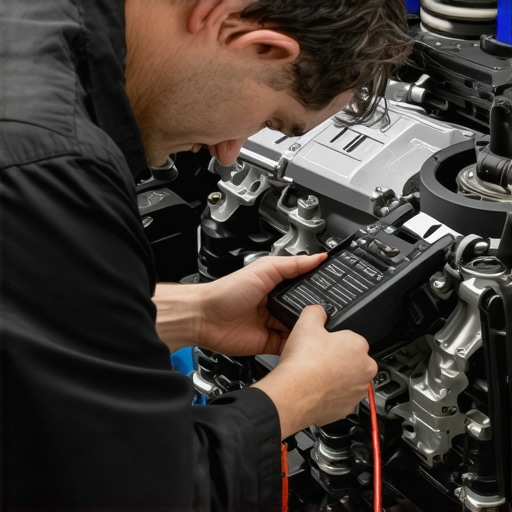
One of the most crucial aspects of ongoing maintenance is accurate diagnosis. I rely heavily on an advanced OBD-II scanner that goes beyond generic code reading. The Autel MaxiDAS DS808 has proven invaluable for me because it provides real-time data, wireless connectivity, and supports advanced modules including hybrid systems. Regular diagnostic scans with this device help identify subtle issues like sensor misalignments or software glitches before they cause significant damage.
Precision Fluid Refill and Leak Detection
Proper fluid management is foundational. For transmission and brake fluids, I use a Devcon Fluid Extractor, which allows for mess-free, precise fluid extraction and refilling. This tool ensures that you can maintain correct fluid levels, preventing slips or brake failures. Additionally, adding a UV leak detection kit helps me spot leaks early—using UV dye and a blacklight, I can identify seepages that might compromise system integrity over time, avoiding costly repairs caused by overlooked leaks.
High-Quality Hand and Power Tools for DIY Maintenance
When it comes to physical repairs, I swear by top-grade torque wrenches like the GearWrench Dual-Scale Torque Wrench. Accurate torque application ensures components like drive belts and sensors are correctly installed, which is vital for preventing future slips or misalignments. For removing stubborn parts, a pneumatic impact wrench provides the power needed without risking damage. Remember, using improper tools can cause more harm than good, so choose equipment that feels balanced and precise.
Utilizing Software Update Ecosystems
Maintaining your hybrid’s software integrity is just as vital as mechanical parts. I regularly connect to manufacturer-specific update platforms—like those from Toyota or Honda—to download firmware patches. These updates often resolve known bugs that could lead to transmission slippage or sensor errors. A reliable Wi-Fi hotspot and a laptop with manufacturer-specific software access streamline this process. In the long run, keeping your system software up to date minimizes glitches and prolongs vehicle life. For additional insights, explore expert brake transmission tips for safer vehicles in 2024.
What’s Next for Auto Maintenance Tools?
The evolution of automotive repair points toward smarter diagnostics and AI-assisted systems. Expect more integrated tools that can predict failures before they happen, enabling you to schedule repairs proactively. As this trend develops, investing in current equipment now will give you an edge and extend your vehicle’s longevity. I advise trying out a comprehensive diagnostic kit like the Autel MaxiDAS DS808 to experience firsthand how precise diagnostics can prevent major issues down the line.
Remember, utilizing these advanced tools and techniques isn’t just about fixing problems; it’s about establishing a maintenance routine that keeps your vehicle running smoothly for years. Regularly invest in high-quality equipment and stay informed about new tech developments. Your car is a significant investment—treat it with the care it deserves.
Lessons That Changed My Approach to Auto Repair
- The biggest eye-opener for me was realizing how software updates can resolve transmission slipping, saving me from unnecessary part replacements. Embracing technology isn’t just optional—it’s essential.
- I learned that thorough diagnostics, including sensor checks and fluid analysis, uncover hidden issues that simple fluid top-offs or visual inspections might miss. Precision matters more than guesswork.
- My experience taught me that proactive maintenance—like regular system software updates and belt inspections—prevents problems before they escalate, saving time and money in the long run.
Tools and Resources That Make the Difference
- Autel MaxiDAS DS808: This advanced diagnostic scanner has transformed how I identify and address transmission issues promptly, thanks to its real-time data support and hybrid diagnostics.
- UV Leak Detection Kit: Early leak detection keeps my vehicle’s systems sealed, preventing slips caused by fluid leaks and ensuring peace of mind.
- Manufacturer Firmware Update Platforms: Staying connected with factory systems means my hybrid’s software is always current, reducing glitches that contribute to transmission slips.
- CollisionRenew’s Expert Guides: Their comprehensive tips on auto repair and maintenance have empowered me with knowledge I trust to keep my vehicle running at its best.
This post really highlights how often overlooked aspects like software updates and sensor diagnostics can be game changers for hybrid transmission issues. I’ve experienced similar problems with my own hybrid and found that updating the firmware and replacing a faulty sensor solved the slipping entirely—no need for expensive repairs. I especially appreciate the emphasis on diagnostics because it’s easy to assume a problem is mechanical when, quite often, software or minor sensor glitches are to blame. Has anyone else found that their transmission issues resolved after a simple system update? It’d be great to hear more personal experiences because I think many owners might overlook this simple but effective solution. Also, regular maintenance like fluid checks and belt inspections definitely extends the life of these sophisticated systems, but the tech side often gets less attention. Combining both mechanical and software diagnostics seems to be the best approach for keeping a hybrid running smoothly. What tools or apps have others found most helpful for performing these diagnostics at home?