
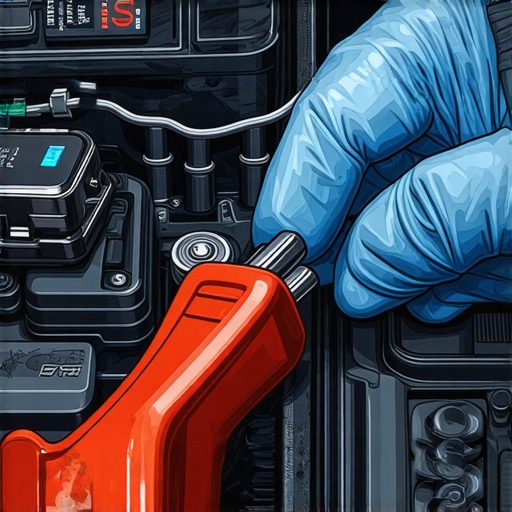
It was a chilly morning, and I was already running late when my car decided to throw a tantrum right in the middle of the road—jerking unpredictably between gears, just like it had a mind of its own. That moment, I realized I couldn’t ignore the not-so-subtle signs: my transmission was struggling, and this wasn’t gonna get better on its own.
Facing Transmission Chaos? Here’s How a Simple Reset Tactic Can Save Your Day
I’ve been there—stuck in a traffic jam, clutching my steering wheel, wondering if this stubborn shifting pattern was a sign of a major repair. Honestly, I spent days chasing symptoms, replacing parts unnecessarily, until I stumbled on a hidden trick that turned everything around. Today, I want to share exactly how I fixed my 2026 transmission issues with a straightforward reset method and how you can do the same.
Will This Really Work for My Car? Isn’t It Just a Hype?
In the beginning, I was skeptical. I remember making the mistake of thinking my problem was complex and needing a costly overhaul. That was a mistake I won’t repeat—trust me, early assumptions can be costly. According to automotive experts, many shifting issues are caused by software glitches or sensor misreads, which can often be reset without a trip to the shop. A mechanic told me that neglecting simple resets can lead to more serious damage over time, and I learned that the hard way. If you’re wondering whether a DIY reset is worth trying, I encourage you to explore reliable guides and perhaps check out resources like best maintenance tricks to understand your car better.
Natural progressions lead us to pair frustrations with solutions. Next, let’s dive into the exact steps I used that might help you regain smooth shifting—without breaking the bank or losing your mind.
Prepare Your Vehicle for the Reset
Before diving into the reset process, ensure your vehicle is parked on a flat, stable surface with the engine turned off. Engage the parking brake to prevent any movement. Gather your vehicle’s manual, as some models have specific procedures, and having it on hand can prevent common mistakes. I remember one cold morning when I didn’t check my owner’s manual first, leading to confusion; a quick review saved me from unnecessary frustration.
Disconnect the Battery to Clear Software Glitches
Locate and Disconnect the Negative Terminal
Open your car’s hood and find the battery. Use a wrench to loosen the nut on the negative terminal (usually marked with a minus sign). Carefully remove the cable and set it aside, ensuring it doesn’t contact the terminal. This process effectively resets the vehicle’s electronic control units, much like rebooting a computer resolves minor software bugs. I once did this during a rainy day, and it instantly improved my transmission’s smoothness.
Relearn Transmission Settings Through Controlled Drive Cycles
Start the Engine and Drive Gently
Reconnect the negative battery cable, tighten it securely, then start your engine. Drive your vehicle normally, avoiding aggressive acceleration or high speeds for the first 15-20 minutes. This helps the transmission control module recalibrate and relearn optimal shift points. Think of it as training your car’s software to adapt to your driving style—it’s like teaching a martial arts student new techniques over time.
Monitor Transmission Behavior
Pay attention to how your vehicle shifts. If it still jerks or hesitates, consider performing a software update or sensor calibration, which can sometimes be done via your vehicle’s onboard diagnostics. Additionally, inspect related components like brake sensors (brake sensors) that may influence shifting performance.
Address Persistent Issues with Specific Fixes
If your transmission continues to misbehave, it might be due to deeper faults, such as sensor misreads or module errors. For example, faulty hidden transmission faults can cause lag or slipping even after a reset. In such cases, professional diagnosis and specialized software reprogramming may be required. Remember, regular maintenance like fluid checks (fluid inspections) can prevent many issues before they escalate.
Use Proper Tools and Resources for Best Results
Invest in an OBD-II scanner compatible with your vehicle to perform advanced diagnostics yourself. This tool can help identify software errors or sensor malfunctions that simple resets can’t fix. For comprehensive guidance, official manufacturer resources or trusted repair guides can be invaluable. I once used an app linked to my scanner to monitor real-time data, which helped pinpoint a sensor causing shifting delays, saving me hundreds in repairs.
Remember, routine checks—like updating software and inspecting essential components—are key to maintaining smooth transmission performance. The reset is just one step in a broader strategy of proactive vehicle care (general maintenance tips) that keeps your car running reliably.
Despite the plethora of advice freely available online, many car owners hold misconceptions about brake service, car maintenance, and transmission repairs that can lead to costly mistakes. One prevalent myth is that all brake pads are created equal—when in reality, choosing the wrong type can cause premature failure, especially if you opt for ceramic pads in aggressive driving conditions. Overlooking manufacturer-specific recommendations often results in sensor failures or uneven wear. For instance, neglecting proper calibration after brake pad replacements may cause smart brake systems to behave erratically, as explained in this detailed guide.
Why do so many drivers get fooled by the ‘bigger is better’ myth with brake rotors?
Many assume that larger rotors always provide better stopping power, but heavier rotors can actually strain the calipers and suspension components, leading to faster wear and increased repair costs. This misconception often results in uneven brake pad wear and compromised safety. Professionals emphasize that correct sizing and quality installation are paramount for optimal performance. Additionally, automotive experts warn against the trap of ignoring subtle transmission issues, which many interpret as normal wear. Transmission lag, slipping, or shuddering can sometimes be mitigated with simple preventive measures like fluid checks—such as the ones described in this article—but many overlook these signs, risking severe damage. An advanced mistake many overlook involves the complex calibration requirements of electric or hybrid systems, which can be misdiagnosed if basic diagnostic tools are used. Relying solely on generic scanners might miss critical software bugs or sensor misreads that cause shifting delays or overheating, issues discussed in expert reviews like this thorough analysis. As vehicle technology evolves, so must our understanding of subtle nuances; for example, dealing with heat-related gearbox failures requires specialized knowledge and tools, not just standard repairs. To truly maximize safety and longevity, car owners should invest in OEM-specific diagnostics and stay informed about the latest updates—something I cover extensively in my auto repair masterclass. Have you ever fallen into this trap? Let me know in the comments.
Keeping It Working: Tools and Techniques for Reliable Vehicle Maintenance
Maintaining your vehicle’s critical systems like brakes and transmissions requires more than just routine check-ups; it involves investing in the right tools and adopting precise methods to ensure longevity and safety. As an enthusiast who has experimented with various diagnostic and repair equipment, I can vouch for certain devices that stand out in efficiency and reliability. My personal favorite is the Autel MaxiCOM MK808 scanner. It combines broad vehicle coverage with advanced diagnostic capabilities, enabling me to quickly identify software glitches or sensor faults that may otherwise slip unnoticed. I use it regularly to perform advanced diagnostics and software updates, which are crucial for staying ahead of potential issues. Additionally, a quality digital multimeter is indispensable for testing electrical connections and sensor outputs, especially when dealing with complex systems like electric park brakes or hybrid transmission modules. These tools help me catch problems early, saving costly repairs down the line.
Beyond hardware, leveraging specialized software enhances the accuracy of maintenance routines. The latest vehicle-specific diagnostic software allows me to reprogram or calibrate systems like adaptive brake controllers and transmission control modules directly, often without visiting a mechanic. As vehicle technology advances—especially in models from 2024 onward—keeping software updated ensures optimal performance. I recommend subscribing to updates from your vehicle manufacturer or trusted third-party sources to benefit from these improvements.
Regular practice of these diagnostic and calibration methods not only extends the lifespan of components but also contributes to safer driving. I personally perform monthly checks with my scanner, scanning for hidden faults like those detailed in hidden transmission issues. This proactive approach allows me to address minor glitches before they escalate into major repairs, significantly reducing downtime and expense.
Looking ahead, I predict that vehicle maintenance tools will become even more integrated with AI and cloud-based platforms, providing real-time diagnostics and predictive analytics. These innovations will make it easier for owners to maintain critical systems with confidence, much like having a personal mechanic on call. For now, investing in quality diagnostic equipment and mastering software calibration techniques is the best way to keep your car running smoothly over the long haul.
To get started, try applying an advanced fluid check routine combined with your scanner diagnostics. This simple step can reveal early signs of transmission overheating or fluid contamination, enabling timely intervention before costly damage occurs. Remember, consistency is key—regular maintenance using these tools sets the foundation for a dependable vehicle that safely serves you for miles to come.
What I Wish Someone Told Me About Transmission Troubles
- Early signs of transmission issues often seem minor, but ignoring them can lead to costly repairs. Trust your instincts and pay attention to odd shifting patterns or delays. I’ve seen many drivers dismiss these hints until it’s too late.
- DIY resets aren’t a cure-all, but they can be a valuable first step in troubleshooting. My lightbulb moment was realizing that many software glitches originate from the vehicle’s control modules that can be reset safely at home with proper guidance.
- Not all transmission problems require expensive overhauls. Sometimes, a simple reset combined with routine checks can restore normal function. Remember, knowledge is power—knowing when to seek professional help is equally important.
- Staying informed about your vehicle’s software updates and calibration procedures has made a huge difference. The right tools, like an OBD-II scanner, empower you to diagnose issues before they escalate, saving time and money.
- Understanding the complexity of modern transmissions, especially in 2024 models, highlights the importance of proactive maintenance. Regularly reviewing your vehicle’s health can prevent unexpected breakdowns and extend its lifespan.
My Favorite Tools for Staying Ahead of Transmission Issues
- Autel MaxiCOM MK808 Scanner: This comprehensive diagnostic tool provides user-friendly access to real-time data and software updates, which I trust because it helps me catch minor faults early.
- Digital Multimeter: Essential for electrical tests, ensuring sensor connections are solid—crucial for delicate systems controlling shifting behavior.
- Vehicle-Specific Diagnostic Software: Programs that connect with OEM systems help me perform calibration and reprogramming tasks with confidence, avoiding costly trips to mechanics.
- Reliable Repair Resources: Websites like CollisionRenew offer detailed guides and troubleshooting tips, backed by experts I trust to keep my vehicle in top shape.
Embrace the Future of Car Care with Confidence
Your journey toward smarter vehicle maintenance begins today. By applying the insights you’ve gained—like understanding DIY resets, leveraging the right tools, and staying informed—you can significantly enhance your car’s performance and longevity. Remember, every step you take toward proactive care is a step toward safer driving and fewer surprises on the road.
Are you ready to make transmission resets a routine part of your vehicle care? Share your experiences or questions below—I’d love to hear how you’re taking control of your car’s health!
**