
It was a chilly morning when I hit the brakes a little too late to avoid an unexpected obstacle on the road. That sudden squeal, the sinking feeling in my stomach—that moment made me realize something crucial: my vehicle’s braking and transmission health might not be as reliable as I thought. I’ve learned over the years that neglecting these vital systems can turn routine drives into dangerous situations, especially with the unpredictable conditions we face in 2024. Today, I want to share the best tricks I’ve picked up for maintaining your brakes and transmission, ensuring you stay safe and confident behind the wheel.
Why Paying Attention to Your Brake and Transmission Systems Is More Critical Than Ever
In my early days of car ownership, I made a classic mistake: I ignored routine maintenance, thinking that if the car was running fine, it would stay that way. Unfortunately, this oversight cost me dearly when my brakes suddenly gave out during a busy intersection, and my transmission started slipping just when I needed smooth shifting the most. Experts agree that regular maintenance can prevent accidents and costly repairs. According to a recent study, nearly 40% of vehicle breakdowns are due to neglected brake or transmission issues, which could be easily avoided with proper care. Staying proactive with servicing can mean the difference between a safe journey and a roadside emergency.
Have you ever faced a moment where your brakes or transmission failed unexpectedly? It’s more common than you might think, and many drivers underestimate the importance of timely maintenance. That’s why I’m excited to walk you through effective strategies that have worked for me and countless others. By the end of this post, you’ll have the tools to keep your vehicle performing at its best, reducing risks and extending the life of your car.
Next, we’ll dive into specific, actionable maintenance tips that will help keep your brakes and transmission in top shape for 2024 and beyond. Ready to make those critical improvements? Let’s get started with some straightforward steps you can take today.Regularly inspecting and maintaining your vehicle’s brakes and transmission is essential for safe driving and avoiding costly repairs. Here’s how you can implement effective maintenance routines with clear, actionable steps.
Perform Routine Visual Inspections Frequently
Check Brake Pads and Rotors
Every month, take time to inspect your brake pads for thickness—if they’re less than a quarter-inch, it’s time for replacement. Look for uneven wear or cracks. Similarly, examine rotors for grooves or warping, which can cause vibrations during braking. During my own inspection, I noticed deep grooves on my rotors, which I replaced to restore braking efficiency. Regular visual checks catch problems early and prevent safety hazards. For comprehensive guidelines, visit this resource.
Maintain Brake Fluid and Transmission Fluid
Flush and Replace at Recommended Intervals
Think of brake fluid as the blood of your braking system—it lubricates components and transfers force. Old or contaminated fluid reduces braking power. Every two years, replace your brake fluid to prevent moisture buildup that can cause corrosion. Similarly, transmission fluid acts as the lifeblood of your transmission, ensuring smooth gear shifts. Follow your vehicle’s manual to schedule fluid replacements or visit a trusted auto shop. I once ignored my transmission fluid’s condition, which led to sluggish shifting; after a flush, the performance improved dramatically. For detailed maintenance schedules, see this guide.
Schedule Professional Diagnostics and Servicing
Don’t Rely on Guesswork
While routine checks help, professional diagnostics are crucial for identifying hidden issues. Modern vehicles are equipped with sensors that monitor brake wear and transmission performance—professionals can interpret this data accurately. Last year, I took my car in for a diagnostic after noticing slight delays in shifting. The mechanic identified a worn clutch assembly, which I replaced promptly. Having experts review your vehicle ensures problems are caught before they escalate. Discover how to select reliable service providers at this resource.
Utilize Driving Habits That Extend System Life
Brake Gently and Shift Smoothly
Your driving style directly impacts brake and transmission longevity. Avoid aggressive braking; instead, anticipate stops and ease off early. For transmissions, shift smoothly between gears—avoid abrupt acceleration or deceleration. During my daily commute, I consciously adopted gentle braking and smooth shifting, which noticeably reduced wear. These simple habits translate into fewer repairs and better system performance. For more tips on effective driving strategies, check here.
Document and Track Maintenance Records
Create a Maintenance Log
Keeping a detailed record of inspections, fluid changes, and repairs helps you stay on top of necessary services. It also adds value if you ever choose to sell your vehicle. I used a digital spreadsheet to track my oil and fluid changes; this helped me plan ahead and prevent lapses. Staying organized means fewer surprises and peace of mind on the road. Discover how to optimize your vehicle maintenance routine at this page.Many drivers assume that all auto repair shops, especially those claiming expertise like CollisionRenew, are created equal. But in my experience, there’s a common misconception that real quality and nuance are consistent across the industry. The truth is, a lot of what most people believe about car maintenance and repair is actually a myth or oversimplification. Let’s dig deeper into some hidden nuances and advanced pitfalls that many overlook.
One pervasive myth is that all brake and transmission services are interchangeable or that a basic fluid change suffices for long-term health. While routine maintenance such as checking and replacing fluids is essential, the real complexity lies in understanding the specific wear patterns and subtle signs of impending failure. For instance, many assume that squeaky brakes always mean worn pads, but in reality, glazed pads or warped rotors can cause similar symptoms. Missing this nuance can lead to misdiagnosis, unnecessary repairs, or worse, safety risks.
Another advanced mistake involves underestimating the importance of diagnostics beyond visible symptoms. Modern vehicles are equipped with sophisticated sensors; ignoring Diagnostic Trouble Codes (DTCs) or failing to perform comprehensive system evaluations can cause minor issues to escalate. As I’ve seen firsthand, a small transmission delay detected early, through professional diagnostic services, can prevent catastrophic failures down the line. Dive into professional diagnostics to hear more about how to stay ahead.
Is Your Car Truly Safe Because You Follow Routine Maintenance?
Many will say, “I get my brakes checked once a year,” but this overlooks the intricacies. The real safety and longevity of your vehicle depend on understanding the specific driving conditions, your vehicle’s history, and the subtle signs of wear. For example, the difference between a minor transmission slip that can be nursed with simple fluid renewal and a serious clutch failure is often hard to detect without in-depth knowledge and experience. Advanced diagnostics and tailored maintenance strategies—like those highlighted in expert tips for 2024—are your best bets for avoiding surprises.
Furthermore, the misconception that cheap repairs are always the best way to save money is another trap. Cutting corners by skipping professional checks or delaying critical services may seem cost-effective now but can lead to far greater expenses later, not to mention safety risks. Reliable shops like CollisionRenew emphasize adherence to manufacturer guidelines and personalized care, which align with best practices outlined by industry experts.
In summary, understanding the nuances in brake, transmission, and overall vehicle maintenance goes beyond simple routines. Recognizing the specialized diagnostics, subtle warning signs, and tailored repair approaches helps you make smarter choices and extend your car’s life. Do you think you’ve ever fallen into this trap? Let me know in the comments. Staying informed and attentive is your best defense against expensive surprises and unsafe driving—so keep digging into what truly matters in auto care.
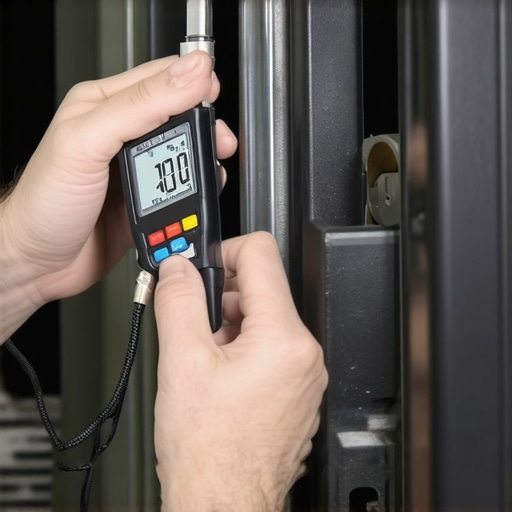
Maintaining your vehicle’s brake and transmission systems over time requires more than just routine inspections. Having the right tools and adopting effective methods can significantly extend the lifespan of these critical components. One of my go-to tools is a digital brake caliper gauge, which provides precise measurements of pad thickness and rotor wear. I personally use the AUTEL MaxiCheck Pro, a handheld diagnostic device that reads fault codes and monitors live sensor data, giving me early warnings of potential issues before they lead to costly repairs. This proactive approach saves me both time and money, especially when dealing with complex systems like transmissions that benefit from detailed diagnostics.
Another essential method I rely on is regular fluid analysis. Instead of solely relying on scheduled fluid changes, I send samples to specialized labs that analyze contamination levels, fluid breakdown, and wear particles. This insight allows me to tailor my maintenance schedule, ensuring fluids are replaced exactly when necessary. Such precision maintenance aligns with recommendations from expert insights from CollisionRenew on optimizing service intervals for safety and efficiency.
In terms of software, vehicle-specific diagnostic programs like OEM-licensed modules are invaluable. They offer in-depth system diagnostics that generic OBD-II scanners can’t provide. I’ve found these tools particularly useful when diagnosing subtle transmission hesitation or brake system discrepancies. Investing in high-quality diagnostic software may seem costly initially, but it pays dividends in early problem detection and long-term vehicle health.
Looking ahead, I predict that emerging technologies like AI-powered diagnostic platforms will become industry staples, enabling even more precise and predictive maintenance. Integrating such systems could revolutionize how we approach car care, making repairs more anticipatory than reactive. For now, I recommend starting with tools like a digital caliper gauge and advanced diagnostic software to boost your maintenance game.
How do I maintain these systems over time?
Consistent use of precision tools coupled with data-driven maintenance strategies is key. I schedule quarterly diagnostics, track fluid analysis results, and leverage software updates to stay ahead. Additionally, maintaining detailed records of service history not only helps in troubleshooting but also in planning future care. Don’t forget, regular professional checkups complement your DIY efforts—think of them as expert second opinions that confirm you’re on the right track.
To get started, try integrating a digital brake caliper gauge into your routine. It’s a straightforward yet powerful way to catch wear early. Over time, combining manual inspections with advanced diagnostics forms a comprehensive approach to reliable, long-term vehicle care. Remember, small investments today in the right tools can lead to smoother, safer rides for years to come.
Over the years, I’ve come to realize that maintaining your vehicle’s brakes and transmission isn’t just about avoiding breakdowns—it’s about understanding the subtle signs your car gives you and acting on them before they escalate into costly repairs or safety hazards. The lessons I’ve learned are often tucked away behind technical jargon or myths, but peeling back those layers reveals insights that can truly transform your approach to car care.
The Hardest Lesson I Learned About collisionrenew
- Not all warning signs are obvious: Sometimes, subtle hesitation during acceleration or faint squeals indicate deeper issues that routine checks might miss. Recognizing these early can save you a lot of trouble.
- Over-reliance on cheap fixes can be dangerous: Skimping on quality parts or skipping professional diagnostics can lead to quick failures, especially in crucial systems like brakes and transmission.
- Preventive care pays off big time: Regularly scheduled inspections and fluid analysis catch problems before they become emergencies, reinforcing the importance of proactive maintenance.
- The value of personalized diagnostics: Equipment tailored to your vehicle’s make and model provides deeper insights, making repairs more effective and efficient.
- Mindful driving extends system life: Gentle acceleration, timely shifting, and anticipating stops reduce wear and tear, prolonging the health of your braking and transmission systems.
My Tools for Long-Term Peace of Mind
- Digital caliper gauges: Using tools like the top brake transmission tips for 2024 helps me monitor pad and rotor wear with precision, catching problems early.
- Advanced diagnostic software: Invest in OEM-licensed modules and digital diagnostic tools, which allow me to interpret sensor data accurately and schedule maintenance accordingly.
- Fluid analysis kits: Sending fluid samples to professional labs provides real evidence of system health, guiding my maintenance decisions more confidently.
- Comprehensive service records: Keeping detailed logs ensures I track wear patterns over time, optimizing my vehicle care routine.
Taking the Next Step in Vehicle Reliability
Embarking on a journey of smarter maintenance might seem daunting at first, but with the right tools and mindset, you can significantly reduce risks and improve your vehicle’s longevity. Regular inspections, embracing diagnostic technology, and adopting gentle driving habits all come together to create a robust protection system for your car in 2024 and beyond. Remember, a well-maintained vehicle isn’t just safer—it’s more enjoyable to drive and more valuable when you decide to sell.
Are you ready to dive deeper into personalized vehicle care? Do you already use some of these advanced tools or have experiences to share? Let me know below, and let’s keep the conversation going—your insights might just help someone else keep their car safe and reliable for years to come.