
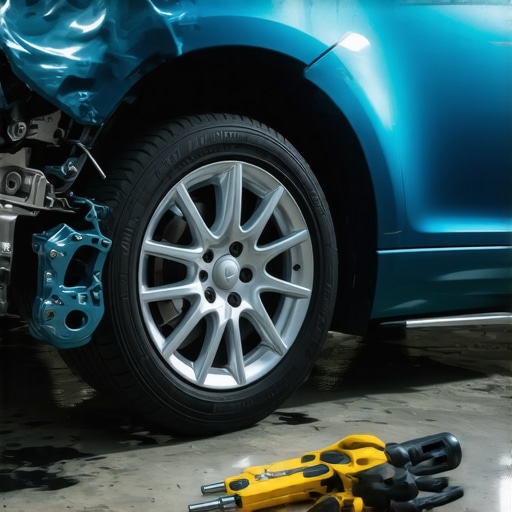
Ever experienced that sinking feeling when you press your brake pedal and nothing happens quite the way it should? I remember the first time I encountered this problem after a minor fender bender. Everything seemed fine at first, but soon I noticed my brake calipers sticking—something I had never dealt with before. It was frustrating, nerve-wracking even, because I wasn’t just worried about the sudden change in braking performance but also about what it signified for my car’s health. That lightbulb moment taught me that bodywork isn’t just about looks; it can secretly mess with crucial systems like your brake calipers.
What’s Causing Those Sticking Calipers After a Collision?
When your vehicle sustains body damage, especially during a collision, the impact can slightly misalign or damage components near your brakes. Despite a professional repair, some issues might go unnoticed, leading to calipers that don’t release properly. This sticking isn’t just an inconvenience; it can cause uneven brake pad wear, reduce fuel efficiency, and even lead to more serious brake failure over time. Understanding why this happens is key to preventing future problems, and luckily, many fixes are within reach.
Is Fixing Sticking Calipers Really Worth the Hassle?
I’ll admit, early on, I ignored the issue, assuming it was a minor glitch. But I learned the hard way that neglecting sticking calipers can escalate into costly repairs. I made the mistake of assuming that new brake pads alone would solve the problem—big misconception. Proper calibration and sometimes even replacing damaged components are vital. If you’ve experienced similar issues, know that addressing them promptly can save you money and ensure your safety. For a comprehensive guide, check out this resource, which explains common post-collision brake issues.
In the sections ahead, I’ll walk you through practical steps to diagnose and fix your sticking calipers, so your brakes feel smooth and responsive once again. Because let’s face it—driving should be safe and worry-free, not overshadowed by preventable mechanical hiccups.
End of part 1. Ready to get into the nitty-gritty? Stay tuned for actionable tips that can get your brakes back in shape quickly and affordably.
Inspect the Brake Components Methodically
Start by safely lifting your vehicle using a jack and securing it with jack stands. Remove the wheel to expose the brake caliper, pads, and rotor. Visually examine these parts for signs of damage, corrosion, or misalignment. I once faced a stuck caliper after a minor bump; careful inspection revealed a bent caliper bracket that needed replacement. Recognizing physical distortions early prevents further damage.
Test the Brake Calipers for Functionality
Manually move the caliper pistons using a C-clamp or brake caliper piston tool. If you notice resistance or the pistons don’t retract smoothly, it indicates that the caliper or its seals are compromised. I learned this step through trial and error, and by witnessing how a stuck piston can cause uneven pad wear, much like how a misaligned gear causes transmission slipping. Performing this check helps identify whether caliper rebuilds or replacements are necessary.
Disassemble and Clean for Rebuild
If the caliper pistons move sluggishly, disassemble the caliper carefully. Clean the pistons, seals, and slider pins with brake cleaner to remove grime and corrosion. Lubricate the pins with high-temperature brake grease to ensure smooth operation. During my repair, cleaning restored the caliper’s function temporarily, but I realized that deep-seated corrosion requires replacing the caliper altogether.
Replace Damaged Parts Strategically
Replace any bent brackets, damaged pistons, or worn seals with OEM or high-quality aftermarket parts. Always inspect the rotor for scoring or warping. Sometimes, a damaged rotor might cause uneven braking, mimicking caliper issues. I learned that pairing new calipers with worn rotors leads to uneven wear, so replacing both parts ensures a lasting fix.
Reinstall and Calibrate the Brake System
Reassemble the brake components in reverse order, ensuring all bolts are torqued to the manufacturer’s specifications. Afterward, bleed the brakes to remove air bubbles, which can cause spongy brake pedals. I followed a step-by-step bleeding procedure and verified brake firmness. Additionally, if your vehicle has electronic parking brakes or smart braking systems, calibration might be necessary.
Calibrate modern brake systems for optimal performance
After reassembly, perform a calibration of your smart brake sensors. This step is crucial especially if components were replaced or realigned. Check out this guide for detailed instructions. During my own calibration, a quick reset resolved issues of inconsistent brake response.
Many vehicle owners operate under a set of common beliefs about car service, transmission repairs, and brake maintenance, but few realize the nuanced pitfalls that can undermine even the most diligent drivers. One widespread misconception is that regular oil changes and basic inspections are enough to keep a vehicle performing optimally. In reality, neglecting the complex interactions between components, especially after collision repairs, can lead to unexpected failures. For example, subtle frame misalignments can cause uneven tire wear and transmission stress, issues that aren’t immediately apparent but are detrimental over time. Recognizing these hidden factors requires an expert eye, as detailed in CollisionRenew’s guide on hidden frame damage.
Another myth is that modern cars are nearly maintenance-free, thanks to advanced technology and synthetic oils. While it’s true that vehicles like the 2026 models incorporate smart systems to alert drivers of issues, this automation can also give a false sense of security. Relying solely on dashboard warnings without understanding sensor limitations or common false alarms, such as brake sensor errors after a minor pothole, can lead to missed problems. In fact, studies have shown that many drivers ignore subtle warning signs, only realizing issues when they manifest as costly repairs. Staying proactive by understanding these nuances is crucial for longevity and safety.
Are We Overlooking Transmission Heat and Its Impact on Longevity?
Many owners don’t realize that transmission overheating, especially in stop-and-go traffic or after a collision that affects cooling pathways, can severely shorten a vehicle’s lifespan. Heat sinks might fail unnoticed, or fluid contamination—often humidity-induced—can go undetected until it causes slipping or shifting issues. Advanced repair research highlights how neglected transmission cooling leads to premature part failure, emphasizing the importance of regular diagnostics like checking slipping signs and fluid quality. It’s not just about fixing what’s broken but preventing complex failures down the line.
Furthermore, many assume that components such as dual clutch gearboxes or regenerative brakes require minimal attention beyond DIY top-ups. Yet, these systems are sensitive to subtle faults that—if ignored—can lead to more severe breakdowns. For instance, a simple calibration or sensor reset, as detailed in smart brake calibration guides, can restore functionality and prevent costly replacements. Recognizing and addressing these nuanced issues often means the difference between a smooth ride and an unexpected breakdown.
So, the next time you think you’ve got your vehicle’s maintenance handled, remember that the real expertise involves appreciating and managing these hidden intricacies. Do you fall into the trap of assuming everything is fine until a major problem occurs? Share your experience below—I’d love to hear your stories. Keep an eye out for subtle signs, stay informed, and don’t let hidden faults catch you off guard!
Maintaining your vehicle’s performance over time requires more than just basic knowledge; it demands the right tools and a strategic approach. When I started delving into auto repair, I realized that investing in quality equipment not only saves money but also enhances safety and efficiency. Essential tools such as a reliable digital multimeter, a high-quality torque wrench, and a diagnostic scanner have become staples in my garage. These devices help me accurately diagnose issues—like testing for transmission slipping or brake fluid contamination—saving me from unwarranted part replacements and unexpected breakdowns. For example, a good diagnostic scanner can quickly identify error codes related to smart braking systems, which are prone to failures after minor collisions. A recommended choice is the Autel MaxiCOM scanner, known for its comprehensive coverage and user-friendly interface. In addition, a sturdy jack and jack stands are non-negotiable for safe under-vehicle inspections and maintenance. To keep everything organized, I use a magnetic parts tray for small components during disassembly, which minimizes lost pieces and speeds up troubleshooting sessions.
Beyond tools, adhering to a scheduled maintenance plan is crucial to long-term vehicle health. Regularly checking and replacing transmission fluid, brake fluid, and other vital lubricants prevents overheating and component stress. For instance, inspecting brake fluid for humidity contamination—linked to issues like spongy brakes—should be part of your routine. I recommend consulting detailed guides such as this resource to understand the signs of fluid degradation. Aligning tools and practices with manufacturer specifications ensures repairs are accurate and durable, especially when dealing with high-tech systems like adaptive brakes or smart gearboxes.
Looking ahead, the trend in vehicle maintenance is shifting toward predictive diagnostics powered by AI and machine learning. I predict that in the near future, you’ll be able to monitor your car’s health through dedicated apps that integrate data from onboard sensors—alerting you to potential failures before they happen. This proactive approach not only minimizes repair costs but also maximizes safety.
How do I maintain my car tools over time?
Proper maintenance of your tools ensures longevity and reliable performance. Regular calibration, especially for digital diagnostics devices, is essential. Keep your equipment clean and store it in a dry environment to prevent corrosion, which can compromise accuracy. For example, calibrating your sensor reset tools after each use ensures that error codes are correctly interpreted, reducing the risk of misdiagnosis. For advanced calibration procedures, tools like the smart brake calibration guide can be invaluable. Also, periodically updating the firmware of your diagnostic scanners guarantees compatibility with the latest vehicle systems, including the newest models with complex feedback loops such as regenerative braking in electric vehicles. Remember, a well-maintained toolkit is as critical as the repair techniques you employ—it’s the foundation of efficient and accurate auto service.
What My Toughest Brake Repair Taught Me About Overlooking the Small Details
I once believed that replacing brake pads was the ultimate fix for sticking calipers, but a stubborn caliper taught me otherwise. Small misalignments during collision repairs can silently cause major issues if overlooked, emphasizing the importance of inspecting every component meticulously.
Tools That Became My Auto Repair Secret Weapons
Investing in quality diagnostic tools like a reliable scanner and torque wrench revolutionized my approach. These tools help identify hidden faults—such as sensor glitches or corrosion—that might escape the naked eye, saving both time and money. For in-depth calibration, this guide is invaluable.
Driving Forward with Confidence and Knowledge
Understanding the nuances of vehicle systems, especially after collision repairs, transforms a worried driver into a proactive one. Regular diagnostics, early inspections, and staying informed about emerging tech can preempt costly failures. Remember, car maintenance is a continuous journey—embrace it with curiosity and care.