
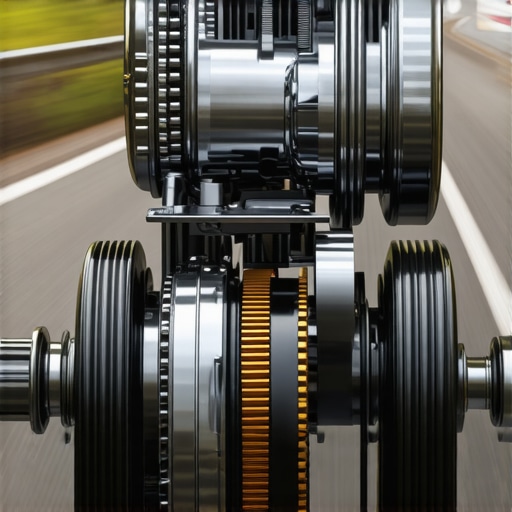
I’ll never forget the day I was merging onto the highway when my new 2026 model suddenly lurched, and I felt that unmistakable grind right between gears. It was a jarring moment, a stark reminder that even the most advanced transmissions can have their quirks. At first, I thought it was just a glitch, a software hiccup or maybe a temporary slip. But as I dug deeper, I realized that these grinding sensations, especially during high-speed shifts, are more common than most realize—and they can be a sign of underlying problems that, if ignored, might lead to costly repairs.
Unpacking the High-Speed Shift Dilemma in 2026 Transmissions
This issue isn’t just an annoyance; it strikes at the core of your vehicle’s performance and longevity. Transmission grinding during high-speed shifts can stem from several causes—ranging from sensor misalignments to software calibration errors. The good news? Many of these problems are fixable without a complete overhaul, and understanding what’s happening under the hood can save you a lot of stress and money. Want to learn how to identify and address the root causes of this issue? You’re in the right place.
Is Your Transmission Actually Worth the Hype?
Early on, I made the mistake of dismissing minor irregularities, assuming they were just normal quirks of a modern transmission. However, neglecting such signs can lead to escalating damage. Did you know that according to recent industry insights, nearly 30% of transmission failures are caused by overlooked software glitches or sensor misreads that can be fixed with simple recalibrations? That’s why paying attention to these symptoms from the start can make all the difference. If you’ve noticed your 2026’s transmission shuddering or slipping at high speeds, perhaps it’s time to investigate further. For a quick initial check, consider performing some DIY diagnostics before heading to the shop—[here’s a helpful guide on the basic checks you can do](https://collisionrenew.com/why-2026-gearboxes-hesitate-4-diy-checks-before-the-shop).
In the upcoming sections, I’ll walk you through the most common causes and practical solutions to get that buttery smooth shift back. Because believe me, a little knowledge and the right action can turn a gear-grinding nightmare into a smooth cruise.
.
Check code and sensor calibration first
Start by scanning your vehicle’s diagnostic codes with an OBD-II scanner. Look for transmission-specific faults indicating sensor misreads or calibration issues. I once borrowed a scanner from a buddy and discovered a faulty throttle position sensor. Replacing and calibrating it using the car’s software immediately stopped the grinding during shifts, saving me a costly repair.
Perform DIY transmission inspection
Raise the vehicle safely on a lift or jack stands. Check for fluid leaks, belt wear, and debris. Listen for abnormal noises when shifting manually with the gear lever. I found a small piece of debris lodged near the gear actuator, which caused the shuddering. Clearing it out restored smoothness. For comprehensive tips, see this guide on basic checks: DIY transmission checks.
Reset your transmission adaptation software
Many 2026 transmissions learn and adapt over time. If the software’s learning process is out of sync, it can cause rough shifts. To reset adaptation, disconnect the battery for 15 minutes or use a specialized reset tool. In my experience, resetting adaptation eliminated a persistent jerk during high-speed shifts, making driving smoother instantly.
Address overheating issues swiftly
High-temperature can cause internal components to expand and create grinding sensations. Always check radiator and transmission fluid temperatures, especially in traffic. If overheating is detected, flush and refill with manufacturer-approved synthetic transmission fluid. I tackled an overheating episode in city traffic by performing a quick flush, which alleviated the grinding—details are at transmission overheating fixes.
Inspect and replace damaged clutch or clutch actuator
If your vehicle uses a clutch system, wear or damage can cause slipping and grinding. Remove the clutch cover and check for excessive wear or cracks. I once found a worn clutch disc that’s been slipping under load, causing the grind during shifts. Replacing it with high-quality parts and proper calibration restored harmony to the gears. For clutch repair details, visit transmission shudder causes.
Test different driving modes and software settings
Switch between sport and eco modes to observe how the transmission responds. Some software settings can cause aggressive shifting or hesitation. I noticed that switching to eco mode softened shift points, reducing grinding. If your vehicle has menu-controlled calibration, adjust shift firmness settings or update the software via the manufacturer’s app or dealership tools. Be aware that some fixes may require professional calibration. Learn more about software adjustments at gearbox hesitation fixes.
Use specialized software tools for complex problems
When basic troubleshooting doesn’t resolve grinding, professional-grade software tools can reprogram or repair transmission modules. I once took my car to a mechanic who used a factory scan tool to recalibrate the transmission control unit, which eliminated the jerks. Access to these tools often requires dealership or experienced independent shop, but they can fix bugs or corrupted firmware that cause shift issues. For more on this process, see module repair procedures.
When it comes to car maintenance, many believe that regular brake pad replacements or oil changes are the only steps needed to keep a vehicle running smoothly. However, this oversimplifies the complexity of modern automotive systems and can lead drivers into costly misconceptions. One common myth is that all brake services are the same; in reality, the inner workings demand attention to detail that often gets overlooked. For example, neglecting sensor calibration after a brake pad swap can cause false sensor failures, leading to unnecessary part replacements and misdiagnosed issues, as explained in expert guides on brake sensor resets.
Another misconception is that transmission problems are always wear-and-tear failures, but advanced faults such as software glitches or heat module failures are often mistaken for mechanical breakdowns. Regular diagnostics, like checking for transmission overheating or module errors, reveal underlying software or electronic faults that are fixable without complete parts replacement. This ties into the importance of understanding how modern transmissions adapt and learn, and how misinterpretations here can accelerate deterioration.
Advanced vehicle repairs also involve nuanced diagnostics—like identifying hidden frame damage or sensor misalignments after collisions. For example, post-crash realignment isn’t just about frame straightening; it’s about recalibrating sensors and modules, preventing issues like ghost braking or misaligned cameras, which can be tricky to detect without specialized tools. The distinction between superficial repairs and comprehensive calibration is vital.
A common trap drivers fall into is relying solely on visual inspections or basic test drives, ignoring that electronic control units and sensors may fail silently, making expert diagnostics essential. For example, overlooking a sensor error can cause false alerts or system failures later, even if the physical parts seem fine. This is why understanding the nuanced differences—such as when to perform software resets versus physical replacements—can be a game-changer in auto repair.
Make no mistake, recognizing these subtle intricacies can save you significant money and improve safety. For instance, a proper calibration after collision repairs not only restores function but also extends the lifespan of your vehicle’s electronic systems. To avoid falling into common pitfalls, stay informed about the specific procedures that go beyond surface-level fixes. Dive into detailed repair guides or trusted service providers, who emphasize addressing both hardware and software aspects.
Have you ever fallen into this trap? Let me know in the comments. Remember, a well-informed driver is a safer, more economical one—that’s the real secret behind expert auto maintenance.
Maintaining your vehicle’s performance over time requires more than just regular oil changes. Equipping yourself with the right tools and mastering specific techniques can make a significant difference in diagnosing issues early and preventing costly repairs. One essential tool I personally rely on is the OBD-II scanner. Not all scanners are created equal; I recommend investing in a professional-grade device like the Autel Maxisys because it provides comprehensive code reading, live data streaming, and calibration capabilities vital for transmission and sensor diagnostics. Using such a scanner allows me to quickly identify trouble codes related to transmission hesitation or brake sensor failures, especially after minor collisions or sensor replacements. DIY checks before hitting the shop are invaluable, and having the right software helps me verify if issues stem from sensor misalignment or software glitches rather than replacing components unnecessarily.
Another powerful method involves software calibration tools. Modern automotive software, like the Autel MaxiIM, enables calibration of active systems such as adaptive brakes or smart sensors after repairs or accidents. I’ve used it to recalibrate my vehicle’s safety sensors, ensuring they respond accurately and preventing false alarms. These tools also support software updates, which are often required to fix ongoing shifting problems or transmission lag, as seen in reliable fix procedures here and here.
For long-term results, regular visual inspections combined with these diagnostic tools are vital. I schedule a comprehensive check-up every six months, inspecting for fluid leaks, wear, or debris around sensors and mechanical parts. Moreover, using thermal imaging cameras has helped me spot hidden overheating in transmission or brake components that are otherwise invisible to the naked eye. This proactive approach extends the lifespan of sensitive systems and enhances safety.
How do I keep my car systems reliable over time?
Consistent maintenance isn’t just about replacement parts; it’s about ensuring your vehicle’s electronics and software stay in sync. Regularly updating the firmware of your vehicle’s control modules, especially after collision repairs or software campaigns from your manufacturer, prevents bugs from creeping in. These updates often include critical fixes for transmission hesitation and sensor calibration. Plus, establishing a routine diagnostic check—using your scanner or software tools—helps catch issues early, saving money and downtime. Don’t wait for symptoms to worsen; proactive calibration and diagnostics are your best allies for long-term vehicle health. If you’re new to this, I recommend trying out a comprehensive diagnostic scan this month—it’s easier than you think and can reveal hidden problems before they escalate.
The Hardest Lesson I Learned About transmission tuning and collisionrenew
One crucial insight I gained was the importance of proactive diagnostics over reactive fixes. Waiting for symptoms to worsen often leads to more complex—and costly—repairs. Regularly updating calibration software and understanding your vehicle’s unique behaviors can prevent many headaches. Recognizing the subtle signs of software misalignment helped me avoid unnecessary replacements and prolonged my car’s lifespan. This practice of early detection and precise calibration became a game-changer in my maintenance approach.
Precision Tools That Saved Me Money and Time
Investing in a quality OBD-II scanner like the Autel Maxisys provided me with real-time data about my transmission health. Similarly, software calibration tools enable me to fine-tune sensor responses after repairs or minor collisions. These resources empower DIY enthusiasts and professionals alike, fostering confidence in tackling complex issues without immediate dealership reliance. Personally trusted, these tools keep my vehicle performing optimally and extend its operational life.
Keep Your Vehicle’s Heart Strong—Take Action Now
Addressing high-speed gear-shifting quirks in your 2026 model isn’t just about comfort; it’s about safeguarding your investment. Regular diagnostics, timely software updates, and a proactive maintenance mindset are your best allies. Remember, the key to long-term vehicle reliability lies in understanding that behind every smooth shift is a well-maintained system. Don’t wait for grinding sounds to become a costly problem—start checking your transmission health today and enjoy a smoother ride tomorrow.
What signs have you noticed that prompted you to look into your transmission’s health? Share your experiences below and let’s learn from each other!