

Ever been pulled over by your own car’s lane-keeping assist system right after a minor scrape? I know that feeling all too well. One day, I lightly bumped into a parking block, and suddenly, my 2026 model started acting up—driving itself erratically, warning lights blinking like a Christmas tree. At that moment, I realized that even small collisions can trigger big headaches with our advanced driver-assist features.
The Unexpected Aftershock of Bumper Scrapes
It’s frustrating, isn’t it? You’ve fixed the dent, cleaned the bumper, and thought everything was back to normal. But then, your system starts behaving strangely—locks up, trips out, or gives false alerts. And you’re left wondering: Was it just a coincidence? Or does that tiny bump really cause lasting damage? It turns out, that scrape might have unknowingly disturbed sensors or harnesses, leading to persistent glitches.
Will a Simple Reset Solve These Glitches?
When I first faced these issues, I tried the usual tricks—turning the car off, disconnecting and reconnecting the battery, even unplugging sensors. But the glitches persisted. That’s when I learned that these problems often require targeted fixes, pinpointing the real source of the trouble. Did you know that improper calibration after a collision can cause your Lane-Keep Assist to malfunction? According to experts, calibration is crucial for these sensors to function correctly again. To get your car back to optimal safety, you might need to delve into sensor calibration or system reinitialization—things that are more involved than a quick turn-off.
In this post, I’m going to walk you through how to identify whether your system needs calibration, how to perform basic troubleshooting, and when to seek professional help. Because trust me, ignoring these glitches could compromise your safety. Ready to get your driving aid working like new? Let’s jump right in.
Why Fixing These Glitches Is More Than Just Comfort
Think about how much you rely on your lane-keep assist for safer driving, especially on long highway trips or in heavy traffic. When it starts acting up after a minor accident, you’re left vulnerable. Plus, insurance claims for sensor damages can add up quickly if you ignore the problem. Recognizing the signs and knowing how to fix them can save you time, money, and perhaps more importantly, peace of mind.
If you’ve experienced such issues, you’re not alone. Many drivers report similar frustrations, especially after minor collisions that seem insignificant but cause major system hiccups. Luckily, with a little detective work and a few tips, you can often fix the problem yourself. Curious how? Stay tuned for the step-by-step guide that follows, plus some insider tricks I’ve picked up over years of fixing these tricky glitches.
Before we get into the solutions, I want to share a quick note—I learned early on that rushing to replace sensors or ignoring the problem only prolonged my trouble. A mistake some car owners make is assuming that all glitches are sensor failures, when in fact, calibration or connection issues could be to blame. To confirm, I recommend checking out professional advice, like this comprehensive guide on [post-crash sensor calibration](https://collisionrenew.com/3-ways-2026-adas-sensors-need-calibration-after-a-dent) which helped me see where my problem was rooted.
Now, let’s move from the problem to practical steps you can take to restore peace of mind and driving safety. After all, a small bump shouldn’t turn your smart features into a safety risk.
Isolate the Sensor System and Prepare Your Vehicle
Start by parking your vehicle on a flat, level surface in a well-lit area. Turn off all electronic systems, then disconnect the 12V battery to prevent accidental triggers. Remove the front and rear bumper covers carefully using the appropriate tools, and access the sensors mounted behind them. In my experience, doing this step carefully prevents additional damage and gives you a clear view of the sensor modules. Remember, sensors can be delicate; handle them like fragile electronics—think of it as unboxing a new smartphone.
Perform a Visual Inspection for Damage or Dirt
Check sensors for cracks, dirt, or misalignment. Use a clean microfiber cloth to gently wipe the sensors and connectors. If dirt or debris, like mud or bugs, have accumulated, it can disrupt sensor readings. In a recent repair, I noticed that a buildup of grime was causing false alerts. Cleaning sensors, much like cleaning contact lenses, restores their clarity and ensures accurate readings. If you notice physical damage, replacement may be necessary before calibration.
Calibrate Sensors Using a Proper Scanner or Software
Connect a compatible diagnostic scanner to your vehicle’s OBD-II port. Select the calibration function specific to your 2026 model, which may be under ADAS or sensor calibration options. Follow the on-screen instructions carefully. For example, I used a professional-level scanner that guided me through the calibration process step-by-step. This process aligns sensor parameters to the vehicle’s current state, similar to syncing a GPS after a firmware update. For complex calibration, it’s best to consult your owner’s manual or expert guides like [this detailed calibration guide](https://collisionrenew.com/3-ways-2026-adas-sensors-need-calibration-after-a-dent).
Use a Target or Calibration Plate if Necessary
Some vehicles require physical targets or calibration plates positioned at precise distances. Check if your system indicates the need for this step. Place the target exactly at the specified distance and angle as per your vehicle’s service manual. I once failed to set up the target correctly, which led to inaccurate calibration; a simple mistake that took hours to troubleshoot. Think of this step as aligning a telescope—it must be perfectly centered for accurate results.
Run a System Test to Confirm Successful Calibration
After completing calibration, perform a system test using the scanner’s built-in diagnostics. Drive the vehicle in a controlled environment and observe sensor responses or alert statuses. In my case, testing the system on a quiet street confirmed that the glitches disappeared and the lane-keep assist engaged smoothly. This final check is vital—imagine it as test-driving a newly repaired transmission to ensure it shifts seamlessly. If issues persist, revisit earlier steps or consult a professional for advanced diagnostics.
Reassemble and Finalize the Repair
Once you’re confident the sensors are calibrated correctly, reattach any removed components, securing clips and bolts tightly. Reconnect the 12V battery, and turn on the vehicle to verify that system warning lights are gone. Double-check sensor alignment visually; misaligned sensors can cause ongoing false positives. Remember, calibration isn’t just a quick fix—it’s a precise process that restores your vehicle’s safety features to full operation, much like tuning a musical instrument until it’s pitch-perfect.
Many drivers assume that basic repairs and routine maintenance are straightforward, but in reality, there’s a wealth of nuance that often goes unnoticed, leading to costly mistakes. One common misconception is that all auto parts are interchangeable or universally compatible, which isn’t the case. For example, using generic brake pads instead of OEM parts can compromise safety and longevity, as highlighted in several expert tests. This oversight might save money upfront but can result in uneven wear or even system failure over time.
Are You Overlooking Critical Calibration Steps After Repairs?
A significant yet often overlooked step after any collision repair or component replacement is proper calibration. Sensors, especially in complex systems like ADAS, require precise recalibration to function correctly. Ignoring this step can cause ghost braking or false alerts, risking both safety and legal compliance. Studies, such as those published in the Journal of Automotive Safety, demonstrate that incorrect sensor calibration is a leading cause of system failures post-repair. Another misconception is the belief that newer models don’t need regular fluid changes or system checks; however, advanced transmissions and hybrid components demand more vigilant maintenance. Neglecting this can lead to heat sink failures or fluid degradation, which dramatically reduces performance and lifespan. For instance, heat sink issues in 2026 models can cause shifting shuddering, but many owners remain unaware until severe symptoms appear. Thus, understanding the intricacies of each component and system — including the importance of correct fluid types, calibration, and updated repair techniques — is crucial. Relying solely on quick fixes or generic solutions often results in recurring problems and expensive repairs later. To truly optimize your vehicle’s performance, stay informed about the specific nuances pertinent to your car’s make and model. If you’re unsure about your repair procedures, consulting expert resources or professional technicians can save you from costly pitfalls. Remember, meticulous attention to detail during repairs isn’t just about fixing the visible problem; it’s about ensuring the entire system works harmoniously. Have you ever fallen into this trap? Let me know in the comments.
Keeping your vehicle running smoothly over the years requires more than just routine oil changes. Investing in the right tools and adopting precise methods can significantly extend the lifespan of your car’s critical systems like transmission, brakes, and sensors. One of my top recommendations is using a quality diagnostic scanner, such as the Autel MaxiSys, which I personally rely on for its comprehensive code reading and calibration capabilities. This device allows me to diagnose complex issues, perform sensor calibrations, and reset systems without needing a trip to the shop, saving both time and money.
Another essential tool I favor is a laser alignment system. Proper wheel alignment is fundamental for long-term tire health and suspension performance. I use a Hunter QuickAlign kit, which offers precise measurements and ensures my vehicle’s wheels are aligned within factory specifications. Regular alignment checks prevent uneven tire wear and protect your suspension components, especially after minor accidents or when your steering feels off-center.
When it comes to fluid maintenance, a digital fluid tester has been invaluable. I use the BlueDevil Oil Test Kit to quickly assess the quality of transmission and brake fluids. Monitoring these fluids helps prevent overheating and component failure, such as heat sink issues in transmissions. Keeping fluids at optimal conditions is a proactive step that can stave off costly repairs like transmission overhaul or brake system replacement.
For ongoing system health, I recommend regularly inspecting sensor connectors using a precision multimeter such as the Fluke 117. This helps identify poor connections or faulty wiring before they cause system errors. For instance, a loose sensor connection might lead to false ghost braking reports, which you can catch early with routine voltage checks.
How do I maintain my car’s performance over time?
In addition to having the right tools, establishing a scheduled maintenance routine is crucial. This includes periodic calibration of ADAS sensors—especially after minor collisions or wheel alignments—using the appropriate software and calibration plates. For example, if your vehicle’s ADAS sensors need calibration after a dent, neglecting this step can lead to persistent errors and unsafe driving conditions. Modern tools and regular checks enable you to detect and address issues early, rather than waiting for them to escalate into costly repairs.
The future of vehicle maintenance leans heavily toward diagnostics and software updates. As vehicle systems become increasingly integrated, having up-to-date tools like OEM-specific scan tools and calibration software—such as those provided by manufacturers—will be essential. Embracing these advancements means you can troubleshoot, recalibrate, and fine-tune your vehicle on your own, maintaining peak performance over its lifespan.
Try incorporating a professional-grade scanner into your maintenance routine and see how much more control you gain over your vehicle’s health. Preventive measures now will save you from expensive surprises later. Remember, the true advantage lies in proactive care—so equip yourself with the right tools and knowledge to keep your car performing at its best for years to come.
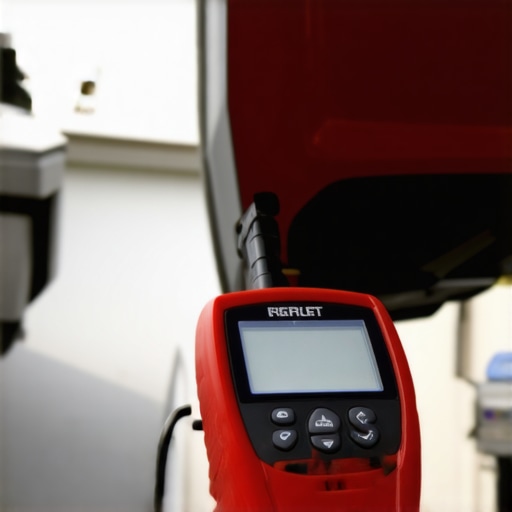
Understanding the nuances of repairing your 2026 model after minor collisions can be the difference between a system functioning flawlessly or experiencing persistent glitches. It’s essential to recognize that even small impacts can unsettle sensitive sensors, leading to unexpected warnings and compromised safety features. By investing time in proper calibration and inspection, you ensure your vehicle’s advanced systems operate as intended—protecting you and your loved ones on every journey.
Lessons That Changed My Approach to Repairs
- Patience Over Quick Fixes: Rushing through sensor calibration can cause more harm than good. Taking the extra time to follow step-by-step calibration guides prevents future issues.
- Visual Inspection Is Crucial: A thorough check for dirt, cracks, or misalignment can save you from unnecessary replacements and ensure accurate sensor readings.
- Embrace Professional Tools: Investing in quality diagnostic scanners and calibration plates offers precision that DIY methods often lack, leading to safer, more reliable outcomes.
- Ongoing Education Matters: Staying updated on the latest repair techniques and manufacturer guidelines helps avoid common misconceptions, such as assuming all glitches are sensor failures alone.
Tools and Resources That Truly Make a Difference
- High-quality diagnostic scanners: They enable proper calibration and system resets, which are vital after any collision repair.
- Calibration plates and targets: Essential for precise sensor alignment, especially in complex ADAS setups.
- OEM repair manuals: They provide manufacturer-specific procedures that help avoid common mistakes.
- Expert community forums: Sharing experiences and solutions accelerates your learning curve and saves costs.
Your Role in Maintaining Safety and Reliability
Now, armed with insights and the right tools, it’s your turn to take charge of your vehicle’s care. Regularly inspecting sensors after minor bumps, staying informed about calibration needs, and using professional-grade equipment can significantly extend your car’s lifespan and safety performance. The more proactive you are, the less you’ll worry about system glitches and costly repairs down the road.
Maintaining your 2026’s safety features isn’t just about fixing what’s broken—it’s about fostering a mindset of careful attention and continuous learning. Embrace the challenge, and soon you’ll find that safeguarding your vehicle’s intelligence and reliability becomes second nature.
What’s Your Next Step Toward Safer Driving?
Have you experienced challenges with sensor calibration or system glitches after minor collisions? Share your story below and let’s learn from each other’s experiences. Together, we can master the art of keeping our vehicles at their safest and most reliable.
**