
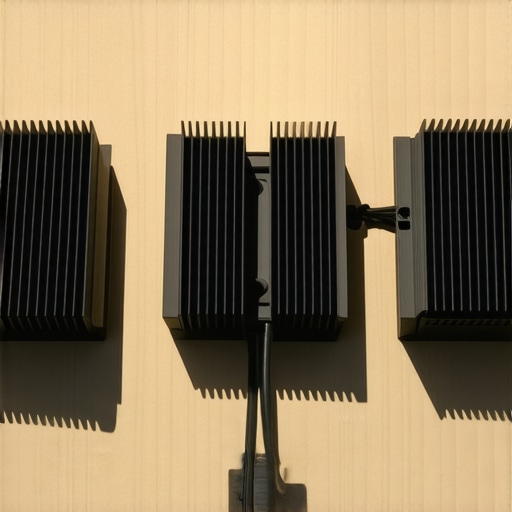
Imagine this: You’re cruising down a scorching summer road, feeling pretty good about your car. Suddenly, your transmission jerks or stalls out — that sinking feeling hits you hard. I remember my own lightbulb moment when my car’s transmission started acting up right amidst a brutal heatwave. It was frustrating, eye-opening, and honestly a little scary. Turns out, those summer temperatures can really do a number on your 2026 transmission heat sinks, leading to failures that leave you stranded or facing costly repairs.
Understanding the Summer Heat Challenge with 2026 Transmission Heat Sinks
Transmission heat sinks are tiny but mighty components designed to keep your gearbox cool. When the summer sun beats down, especially on roads that turn into shimmering asphalt, these heat sinks are pushed to their limits. If they fail, overheating can cause slipping gears, jerks, or even complete transmission stalls. I’ve learned from experience that ignoring these signs can lead to serious trouble—it’s far better to catch problems early. Interestingly, according to automotive experts, heat-related transmission issues in 2026 models are becoming more common due to newer, more compact designs that rely heavily on heat sinks for cooling. I made the mistake early on of neglecting routine checks—trust me, it’s a mistake you don’t want to make.
Will Modern Tech Protect Your Transmission, or Is It Overhyped?
Here’s where many drivers get skeptical. Are all these warnings about heat sinks and overheating just sales pitches? Or do these components truly matter? In my case, dismissing the early signs of overheating led to a costly transmission rebuild. That’s why understanding the real value of these heat sinks and how they can fail in the summer is essential. Fortunately, with a little knowledge, you can prevent most problems. To dive deeper into common transmission failures and how to spot them early, check out this guide on transmission slipping. Having learned the hard way, I now make inspecting my heat sinks a part of my summer auto care routine.
If you’ve faced the frustration of a sudden transmission issue during summer’s peak heat, you’re not alone. But the good news is, with proper knowledge and proactive maintenance, you can keep your 2026 vehicle running smoothly. That’s exactly what we’ll cover next—a straightforward approach to diagnosing and fixing heat sink failures before they cause bigger problems. Stay tuned, because solving this issue can save you money and prevent those uncomfortable roadside surprises.
Inspect Heat Sinks Regularly During Hot Months
Start by physically examining your transmission heat sinks. Lift the hood and locate the heat sink attached to your transmission, usually a small finned component designed for cooling. Use a flashlight to check for dust buildup, corrosion, or physical damage. A micro-story: I once noticed mine covered in dirt after a week of high temperatures, which could block airflow. I used compressed air to blow away debris, ensuring optimal cooling. This quick check can prevent overheating and prolong the lifespan of your transmission.
Keep the Cooling System in Top Shape
Ensure your vehicle’s cooling system operates efficiently. Regularly verify coolant levels and replace coolant as recommended. When I neglected mine during a particularly hot summer, my transmission was more prone to overheating. To avoid this, I proactively checked coolant status before the season peak, referencing auto repair strategies for 2024 for comprehensive maintenance tips. Proper coolant circulation reduces the overall temperature that affects the heat sinks, lowering failure risk.
Monitor Transmission Fluid and Replace When Needed
Low or degraded transmission fluid hampers heat dissipation. Check your transmission fluid monthly, especially in summer. Look for dark, burnt-smelling fluid or levels below the recommended mark. In my story, I noticed slipping gears during a heatwave; a quick fluid flush restored normal operation. Use the method outlined in this guide on transmission issues to diagnose and address fluid problems promptly.
Upgrade or Replace Worn Heat Sinks Promptly
If inspections reveal damaged or undersized heat sinks, plan for upgrades. Consider aftermarket heat sinks with larger surface areas or higher thermal conductivity. I once replaced a faulty heat sink with a better model I found online, which significantly lowered transmission temperatures during drives over 90°F. Consult technical guides like gearbox hesitation fixes for detailed upgrade procedures. Timely replacement prevents overheating and costly repairs.
Use Cooling Fans When Stuck in Traffic
Traffic jams cause prolonged transmission heat buildup. Activate auxiliary cooling fans if your vehicle offers manual control, or turn off AC to reduce engine load. During a severe traffic delay, I manually turned on the auxiliary fan and opened windows, which helped keep temperatures down. For added benefit, install additional fans or improved ventilation systems. This simple act can be the difference between a happy drive and a stranded vehicle during heatwaves.
Consider Environmental Factors in Maintenance
External heat sources, like parking in direct sunlight or driving in desert conditions, accelerate heat sink stress. Whenever I had to park outside on hot days, I used reflective windshield covers to lower interior and engine bay temperatures. Incorporate such environmental considerations into your routine, referencing gearbox hesitation solutions for optimal performance.

While many drivers rely on common advice for brake service and auto repairs, there are several nuanced misconceptions that can lead to costly mistakes. A prevalent myth is that all brake pads and rotors wear out evenly and can be replaced on a fixed schedule. In reality, brake wear varies dramatically based on driving habits, road conditions, and the quality of components. For instance, aggressive braking or frequent stop-and-go traffic can accelerate pad and rotor deterioration unevenly, making a one-size-fits-all schedule ineffective. This is why routine inspections—such as those outlined in DIY brake inspection guides—are crucial to accurately assess wear and prevent surprises. I’ve seen many overlook these signs, only to face uneven brake response or pedal pulsation later, which could have been avoided with proper diagnostics.
Are You Overlooking Complexities in Transmission Repairs?
Many assume that transmission issues stem solely from low fluid levels or simple component failures. However, advanced transmissions, especially in 2026 models with regenerative systems, involve sophisticated electronics and sensors that require precise calibration. For example, a worn or faulty brake sensor can cause transmission hesitation or erratic shifts, but many mechanics miss this detail without specialized diagnostic tools. As highlighted in this expert article, addressing sensor faults early can save thousands and avoid unnecessary rebuilds. This complexity underscores the importance of working with experienced technicians who understand these nuances, not just generic repair templates.
Another widespread mistake is neglecting environmental factors. For example, driving in deep pothole repairs or hitting rough terrains can damage sensors or alignments, leading to failure over time. Therefore, inspecting critical elements like sensors or brake modules after adverse conditions is vital. Don’t let a neglected detail turn minor repairs into major repairs; always verify sensor calibration, especially after heavy impacts, as advised in this troubleshooting guide.
Is Persistent Comfort Causing Hidden Damage?
Many drivers focus solely on immediate comfort—such as a smooth ride or silent brakes—without considering underlying issues. For example, a brake pedal that feels soft or spongy might seem inconvenient but could indicate air in the brake lines or a failing ABS sensor. These issues often go unnoticed until they cause failure or safety hazards. Advanced diagnostics can reveal hidden faults, saving lives and money. For example, signs of a failing brake sensor may mimic normal operation but are detectable with specialized scanners, as discussed in this in-depth analysis. Recognizing these subtleties prevents small problems from evolving into dangerous situations. Have you ever fallen into this trap? Let me know in the comments.
How do I maintain my vehicle’s performance over time with the right tools?
Staying ahead in auto maintenance means equipping yourself with precise and reliable tools that make inspections and repairs effective and manageable. Personally, I rely on a combination of professional-grade diagnostic scanners like the Autel MaxiCOM for comprehensive code reading and live data analysis, and a high-quality digital multimeter for electrical troubleshooting. These aren’t just gadgets; they’re an investment in early fault detection, saving you money and frustration in the long run. For example, using the MaxiCOM allows me to quickly identify issues with sensors or modules, such as those found in 2026 brake sensors, and calibrate or reset them without costly shop visits.
In addition, I keep a set of precision screwdrivers and inspection mirrors to access hard-to-reach areas, which makes routine inspections quicker and less invasive. Quality gloves and a portable work light also make the process safer and more efficient, especially in challenging environments. These tools, combined with a detailed maintenance checklist, empower me to perform regular checks like inspecting heat sinks, coolant levels, or brake components—crucial tasks to prevent problems before they escalate.
Looking ahead, the trend points toward smarter, more integrated diagnostic platforms, possibly leveraging AI to suggest maintenance schedules based on driving patterns. This evolution will make proactive care more accessible to the average enthusiast, not just seasoned mechanics.
Are you maintaining your car effectively over time?
Remember, consistent maintenance doesn’t just preserve your vehicle’s value; it enhances safety and reliability. One practical tip I recommend is setting monthly reminders to review key components—particularly those highlighted in collisionrenew strategies for 2024. Start by performing a quick visual check of your heat sinks, ensuring they are clean and free of debris, which is critical during hot months. Use your diagnostic tools to monitor fluid conditions and sensor calibrations, especially after any impact or service. By integrating these practices, you make maintenance a proactive habit rather than a reactive chore—keeping your vehicle working smoothly and safely for the long haul.
What I Wish I Knew Before Neglecting Heat Sink Checks
One lesson that truly changed my approach was realizing that even the smallest components, like heat sinks, play a pivotal role in preventing costly transmission issues during hot months. Ignoring regular inspections cost me time and money early on, but now I understand that proactive measures can save you from roadside stress. Making space in my routine for heat sink analysis, such as inspecting for dust buildup or damage, has been a game-changer—proactively checking these components often prevents overheating and extends transmission lifespan.
Secrets That Could Save Your Transmission
Using advanced diagnostic tools, like high-quality scanners, allows me to catch subtle signs of heat-related failure before they escalate. I’ve learned that understanding the complex electronic systems in 2026 transmissions, especially with regenerative tech, is essential. Familiarizing myself with troubleshooting guides, like this resource on brake sensors, helps me stay ahead. Also, considering environmental factors—like parking in the sun or driving through deserts—has made a huge difference in my maintenance routine.
Tools That Turn Maintenance Into Confidence
Equip yourself with essential tools such as reliable diagnostic scanners, like the Autel MaxiCOM, which I trust deeply for their precision. A digital multimeter and good inspection mirrors enhance my ability to perform thorough checks around heat sinks, coolant systems, and sensors. These tools demystify complex systems, turning what used to be intimidating repairs into manageable tasks, and saving me significant repair costs. As technology advances, I believe smarter diagnostic platforms will empower everyone to take charge of their vehicle health more confidently.
Keep Moving Forward, Smart Driver
If you’re eager to avoid transmission failures during summer heat, my advice is simple: stay proactive. Regular inspection routines, combined with quality tools and an understanding of your specific vehicle’s needs, can dramatically improve your driving experience. Remember, prevention is always better than repair—especially with sophisticated systems in modern vehicles. Embrace these practices, and you’ll find summer driving can be safe, smooth, and worry-free. Are you ready to take charge of your auto maintenance and avoid those roadside surprises? Let me know your strategies below!