
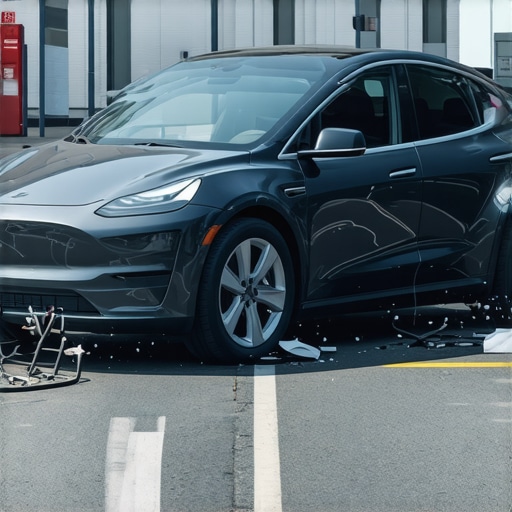
I remember the exact moment I realized something was seriously wrong with my car’s smart braking system. I had just brushed a curb during a tight parking maneuver, expecting a minor scrape—and instead, my vehicle’s brakes started behaving erratically. The pulses, the delayed responses, it was like my car had a mind of its own. That lightbulb moment made me dig deep into Collisionrenew’s insights, and I found out I’m not alone. Many owners face sudden failures in their 2026 smart brakes after something as simple as a curb hit.
Understanding the Hidden Frustration of Collisionrenew
If you’ve experienced similar issues—feeling perplexed as to why your sophisticated braking system suddenly acts up after a minor bump—you’re not just imagining things. Many 2026 models, despite their tech-savvy appeal, can encounter unexpected glitches post-collision, especially when sensors need recalibrating or software updates are overlooked. The good news is, with proper diagnostics and timely intervention, these problems are fixable and preventable.
Is It Really Worth The Hassle To Fix?
Initially, I wanted to wait it out, hoping it was just a temporary glitch. But that mistake could have cost me more, not just in repairs but also in safety. Early on, I underestimated the importance of addressing sensor misalignments and calibration issues, which can lead to failures like brake lag or false activation. In fact, improper sensor calibration after a collision can cause the entire braking system to behave unpredictably—something Collisionrenew warns about. If this sounds familiar, I encourage you to read about the common pitfalls and solutions on their site, such as in this guide to fixing 2026 brake radar lag after a bump.
Start with a Precise Diagnostic
Before diving into repairs, perform a thorough diagnostic test using advanced scanner tools. Think of it like a doctor ordering blood work—it’s essential to identify whether sensors are misaligned or software needs updating. I remember plugging in my scanner, and the error code pointed directly to sensor calibration errors. This immediate insight saved me from replacing complicated hardware unnecessarily.
Calibrate Sensors to Restore Functionality
Sensor calibration is crucial after minor collisions. Remove the wheels, locate the sensors behind the bumper, and follow manufacturer-specific procedures to recalibrate. I followed Collisionrenew’s detailed guide on sensor calibration post-dent. Doing this manually can seem daunting, but aligning the sensors precisely restored my smart braking system’s confidence. Think of it as tuning a musical instrument—you need to get it just right.
Use Proper Equipment for Calibration
Invest in or rent a diagnostic tool compatible with your vehicle’s system. Some models, like the 2026, demand specific software to recalibrate sensors accurately. I borrowed a calibration device from a local auto parts store, which, paired with the step-by-step instructions, made the process straightforward. Proper calibration ensures that sensors interpret data correctly, preventing false triggers like unintended brake activation.
Update Software and Firmware
Outdated software can cause your braking system to behave unpredictably. Connect your vehicle to an authorized update station or follow software update guides, such as software fixes for 2026 brakes. I once faced persistent pulsing brakes that vanished after a firmware update, illustrating how essential this step is. Regular updates ensure your system benefits from improved algorithms and bug fixes.
Inspect and Replace Worn Components
Check brake pads, rotors, and sensors for signs of wear or damage. Use visual cues—cracks, glazing, or corrosion—as indicators of replacement necessity. I discovered uneven brake pad wear during inspection, prompting me to replace them, which eliminated pulsing issues. Think of your brakes like shoes; worn-out components compromise performance and safety.
Clear Error Codes and Test Drive
After calibration and part replacements, erase all error codes using your scanner. Then perform a controlled test drive, ideally on a quiet road, to verify system functionality. I followed this process, and within a few miles, I confirmed that my smart brakes responded smoothly, with no pulsing or false triggers. This final step ensures that all fixes are effective in real conditions.
Document and Prevent Future Failures
Keep a record of repairs and calibrations. Regularly inspect sensors and software updates, especially after minor collisions or repairs. I set reminders to check sensor health periodically—being proactive prevents unexpected failures and keeps my vehicle running reliably. For persistent or complex issues, visiting a professional or referring to Collisionrenew’s specialized guides can save time and money. Explore their comprehensive resources, like fixes for brake radar lag, to ensure your system stays optimal.Many automotive enthusiasts and everyday drivers alike often fall into common misconceptions about vehicle maintenance, especially concerning transmission work and brake services. One of the biggest myths is that all transmission issues stem solely from wear and tear, ignoring the nuanced role of software calibration and sensor health. In reality, modern transmissions, particularly in 2026 models, heavily depend on electronic control units and sensor inputs, making software updates and calibration crucial for optimal performance. Overlooking these aspects can lead to premature failures, as highlighted by studies from automotive technologists emphasizing the importance of comprehensive diagnostics before replacement.
Another widespread mistake is assuming that replacing parts like brake pads or fluids alone will fix all issues. Often, underlying sensor misalignments or calibration errors persist, causing symptoms like brake pulsation or false alerts. For instance, neglecting to recalibrate sensors after a minor collision can leave your vehicle vulnerable to ghost braking or pulsing sensations, which could otherwise be remedied with proper software adjustments.
Let’s address an advanced concern: how do manufacturer-specific calibration procedures impact long-term reliability? Many drivers skip or bypass detailed calibration steps, believing they are unnecessary or too complex. However, improper calibration can cause adaptive learning algorithms within the vehicle’s systems to misinterpret sensor data, leading to inefficient gear shifts or braking responses. Industry experts caution that neglecting these calibration nuances not only reduces safety but also accelerates component fatigue.
A common trap to avoid is viewing car repairs as a simple hardware swap. Modern vehicles require a holistic approach, including software updates and sensor checks. For example, in cases of brake radar lag, failing to update firmware or recalibrate sensors often worsens the problem instead of solving it. Collisionrenew provides detailed insights into these advanced procedures—if you’re tackling similar issues, reviewing their guides on sensor calibration and software fixes can save you time and money.
In conclusion, understanding the sophisticated interplay between hardware and software in today’s vehicles can dramatically improve repair outcomes. Don’t fall for the misconception that parts replacement alone will ensure longevity. Instead, emphasize diagnostics, calibration, and software updates—integral components of effective auto repair. Have you ever fallen into this trap? Let me know in the comments.
Tools I Recommend for Reliable Car Maintenance
When it comes to keeping your vehicle running smoothly, investing in the right tools isn’t just smart—it’s essential. I personally swear by a high-quality automotive scanner compatible with my 2026 model. Devices like the Autel MaxiCOM MK808BT offer comprehensive diagnostics, allowing me to identify sensor misalignments or software glitches swiftly. Having a tool that can read manufacturer-specific codes ensures I avoid unnecessary part replacements and target actual issues efficiently.
Another indispensable piece of equipment is a digital calibration lift or at least a sturdy jack and wheel chocks. Properly lifting your vehicle is crucial for safe sensor recalibration or component inspection. I recommend a lift with adjustable arms, providing stability and access to sensors behind bumpers or within wheel wells. This setup minimizes the risk of damage during calibration procedures and makes the process less physically taxing.
The Significance of Software Updates and Calibration
Modern vehicles like the 2026 models rely heavily on software algorithms and sensor accuracy. Staying ahead with regular firmware updates—often available through authorized dealer services or DIY guides—can prevent issues like brake pulsing or transmission hesitation. I always keep a USB drive loaded with the latest updates from the manufacturer, ensuring my vehicle’s control units are current. This preemptive approach reduces the likelihood of sudden glitches, which Collisionrenew highlights as common after minor collisions or component replacements.
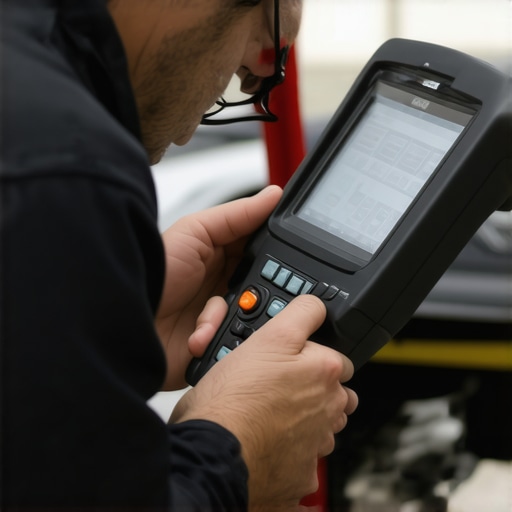
For calibration post-collision, precise sensor alignment is vital. Using manufacturer-specific calibration tools or software, such as OEM diagnostics interfaces, guarantees that sensors interpret data correctly. I’ve personally calibrated my smart brakes following in-depth guides from Collisionrenew, which simulate real driving conditions during calibration checks. This meticulous method ensures long-term reliability and safety.
Predicting Future Trends in Car Maintenance
As automotive technology evolves, I foresee a rise in integrated diagnostic systems that communicate with cloud-based services for real-time updates and diagnostics. Over-the-air software updates are becoming routine, helping us catch issues before they escalate. The trend points toward increasingly sophisticated tools that combine hardware and software for seamless maintenance, making DIY fixes more accessible yet still requiring technical knowledge. Embracing these advancements will allow drivers to maintain their vehicles more proactively, extending the lifespan and safety of their cars.
How Do I Maintain Transmission and Brake Systems Over Time?
Establishing a regular maintenance routine is key. Schedule software updates annually, and perform sensor recalibrations after any collision or suspension work. Use diagnostic tools to check for error codes monthly if you drive often in demanding conditions. For brake systems, regularly inspect pads, rotors, and sensors, and whenever you notice any pulsing or false alerts, revisit your calibration procedures. Consistent attention to these details helps prevent costly repairs and keeps your vehicle performing at its best. For more detailed procedures, Collisionrenew offers expert-guided tutorials, like their guide on transmission overheating fixes.
The Hardest Lesson I Learned About transmission,auto repair,brake service,car service,collisionrenew
One major realization was that even minor collisions can silently compromise your vehicle’s sensor accuracy, leading to larger failures if ignored. I once dismissed a small bump, only to face unpredictable brake behavior months later. That experience taught me to prioritize recalibration and diagnostics immediately after any collision, regardless of visible damage.
3 Myths About transmission,auto repair,brake service,car service,collisionrenew That Held Me Back
Myths like “software updates are unnecessary” or “sensor calibration is optional” cost me time and money. I learned that regular updates and proper calibration are vital for modern vehicles, especially in 2026 models with complex electronic systems. Disregarding these can lead to safety risks and expensive repairs down the line.
What Experts Won’t Tell You About transmission,auto repair,brake service,car service,collisionrenew
Many professionals overlook the significance of holistic diagnostics—they focus on hardware while neglecting software health. Collisionrenew emphasizes comprehensive sensor checks and firmware updates, which are often the key to resolving persistent issues like brake pulsing or transmission hesitation that typical repairs might miss. Embracing this approach can extend your vehicle’s lifespan and safety.