
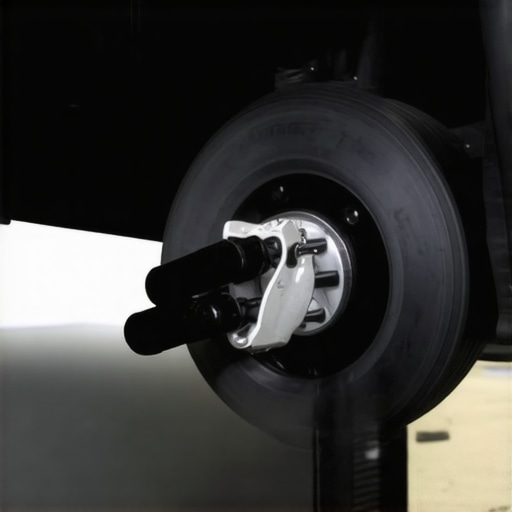
I’ll never forget the moment I first experienced that unsettling shudder through my brake pedal during a routine drive. It was late afternoon, traffic was picking up, and suddenly, that familiar pedal started pulsing with every press. My heart sank—I knew something wasn’t right. After hours of frustration with mechanic visits and online troubleshooting, I stumbled upon a simple, but overlooked fix that changed everything. If you’ve ever felt the same, you’re in luck. Today, I promise to walk you through a straightforward five-minute solution to stop your 2026 brake pedal from vibrating, so you can enjoy smooth stopping again without the hassle.
Why Brake Vibration in Your 2026 Is More Than Just a Nuisance
The first thing to realize is that a vibrating brake pedal isn’t just annoying—it can be a warning sign of deeper issues hidden in your vehicle’s braking system. Over time, issues like warped rotors or sticking calipers can develop without noticeable symptoms. If left unaddressed, these problems can lead to uneven brake wear, reduced stopping power, or even a complete brake failure. According to automotive experts, addressing brake vibrations early can prevent costly repairs and ensure your safety on the road. I learned this lesson the hard way early in my auto repair journey when I delayed fixing a similar issue, only to face more extensive (and expensive) repairs later. To avoid repeating my mistake, it’s crucial to understand the root cause of your brake vibration and fix it promptly. Have you noticed the vibration only during specific conditions, like cold mornings or after braking for a long time? That can point us to the exact problem. Ready to get your brakes smooth again? Let’s dive into how you can fix this yourself in just minutes.
Is a Quick Fix Really Worth It or Just a Temporary Band-Aid?
I used to think that minor vibrations were just a nuisance, something I could ignore until my next brake service. But I quickly learned that some simple, quick fixes can make a significant difference—saving you money and time. For example, adjusting your brake pedal or bleeding brake lines might seem trivial but can restore a comfortable feel and improve safety. Just be cautious—sometimes, these quick interventions mask more serious underlying issues that need professional attention. I once tried a quick pedal adjustment without checking the rotors, only to find the vibration returned after a short while. That taught me to approach brake fixes with a bit of care and awareness. Curious about what causes brake pedal vibrations and how you can address them confidently? Let me show you the exact steps that work—without the need for expensive tools or a mechanic’s visit.
Secure Your Vehicle Before Starting
First, ensure your car is parked on a level surface, engaged the parking brake, and turned off the ignition. Wear gloves and eye protection to handle brake components safely. This foundational step prevents accidents and makes the process smoother, much like preparing a workspace before a repair.
Inspect and Measure Your Brake Components
Begin by removing the wheel using a jack and lug wrench. Check the brake rotors for warping—look for uneven thickness, visible grooves, or cracks. Use a dial indicator or straight edge to measure rotor thickness and warping. I once found a rotor had a slight warp, just enough to cause pedal pulsing, which I was able to fix by resurfacing, saving a trip to the shop. If the rotor is thinner than the manufacturer’s specifications or shows severe damage, replacing it is necessary. For a smoother process, consult your vehicle’s manual or online guides for specific measurements and replacement parts, or for related issues, see https://collisionrenew.com/why-2026-brake-rotors-warp-early-4-preventive-tactics.
Clean and Prepare Brake Components
Spray brake cleaner on the rotors and brake pads to remove dust, grease, or debris that can cause vibrations. Use a clean rag to wipe and ensure all surfaces are free from contaminants. Proper cleaning can prevent quick rewarping due to dirt-induced uneven braking.
Resurface or Replace Damaged Rotors
If the rotors are warped but within repairable limits, use a brake rotor resurfacing machine, which removes a thin layer to restore evenness. I once borrowed a resurfacing tool from a local auto parts store and, after a careful job, achieved a rotor surface so smooth my pedal became steady again—costing only a fraction of replacement. However, if the warping is severe or cracks are present, replace the rotors entirely. Consider quality OEM parts for durability. Replacing rotors can seem complex but is manageable with basic tools and proper torque settings; just remember to check the exact specifications in your manual or see https://collisionrenew.com/why-2026-brake-rotors-warp-early-4-preventive-tactics for a detailed process.
Adjust Brake Pads and Calipers
Next, inspect the brake pads for uneven wear or glazing—shiny surfaces indicate overheating. If glazed, lightly sand the pads or replace them. Ensure calipers move freely; sticking calipers cause uneven pressure, leading to vibrations. To free up stuck calipers, press the piston back using a brake piston tool, and lubricate the slide pins with high-temperature brake grease. During my last fix, I manually pushed back the caliper piston, cleaned the slider pins, and reassembled—all within 10 minutes, and the pedal vibration vanished.
Bleed the Brake Lines for Effective Hydraulic Pressure
Air in brake lines can cause inconsistent pedal feel and vibration. Set up a brake bleeding system—either manual or with a brake bleeder kit—and carefully remove air bubbles from the system. Starting from the furthest wheel from the master cylinder ensures complete bleeding. I once struggled with trapped air, but after a proper bleed, the pedal felt firm and responsive. For detailed steps, check https://collisionrenew.com/what-makes-brake-fluids-foam-and-how-to-bleed-your-brakes-right.
Test Drive and Final Checks
After reassembling everything, test your brakes in a safe, open area. Gently apply pressure to feel for pulse or excessive vibration. Accelerate to normal speeds and brake smoothly—if the pedal still pulses, re-inspect rotors and calipers. Keep in mind that sometimes, after certain repairs, a digital reset of your smart brake system might be needed. For more on that, see https://collisionrenew.com/why-your-2026-brake-sensors-squeal-3-fixes-that-actually-work. If issues persist after these steps, consulting a professional or exploring related repair guides online is advisable to avoid compromising safety.While many believe that routine maintenance is straightforward, there’s a common misconception about what truly keeps your vehicle running smoothly. For instance, countless drivers assume that changing transmission fluid every year suffices, but advanced experts warn that factors like transmission heat sinks can fail prematurely if neglected during hot summer months, leading to unexpected shifts and costly repairs. Moreover, a prevalent myth is that all brake pads are created equal; in reality, high-performance brake pads require specific caliper adjustments and timely sensor resets to prevent premature wear. One often-overlooked nuance involves the subtle differences between electronic-activated and hydraulic brake systems—each demands unique diagnostic approaches, as explained in CollisionRenew’s detailed guides. Did you know that sometimes, a simple software recalibration of smart brakes can resolve persistent squeals, avoiding unnecessary replacements? Understanding these complexities helps prevent common pitfalls and saves money in the long run. To navigate these advanced nuances, always stay informed through trusted sources and consider regular professional inspections—this can be the difference between a smooth drive and unexpected breakdowns. For example, inspecting for hidden frame stresses after minor collisions can reveal stress points that, if left untreated, may compromise safety, as covered in CollisionRenew’s comprehensive checklists. Are you aware of how transmission heat sinks behave during extreme heat? Check out CollisionRenew to learn more about preserving your vehicle’s longevity and performance.
Keep It Running with Precision Tools and Smart Maintenance
Maintaining your vehicle’s transmission and brake systems over time demands more than just routine checks; it requires precision tools and a strategic approach to ensure longevity and safety. Personally, I rely on a high-quality digital caliper to measure rotor thickness accurately. This tool has saved me from unnecessary replacements, as visual inspections can be deceptive. For calibrating smart brake sensors, nothing replaces a dedicated diagnostic scanner. I use the Autel MaxiSYS because of its extensive vehicle coverage and real-time sensor reading capabilities, which allow me to identify issues like sensor misalignments or errors promptly. These tools provide insights that are often missed during basic inspections, helping you catch problems early and plan for effective repairs.
When addressing transmission issues, a professional-grade OBD-II scanner is invaluable. I recommend the BlueDriver Bluetooth Scanner—it’s compact, affordable, and pairs seamlessly with a smartphone app. It enables detailed reads of transmission codes and real-time data, making troubleshooting much more intuitive. For example, detecting a slipping transmission early can prevent catastrophic failures, and tools like this make it accessible for DIY enthusiasts. As I anticipate future trends, integrating AI-powered diagnostic software will become standard, further simplifying complex repairs and predictive maintenance.
How do I maintain transmission and brake systems over time?
Consistency is key. Regularly using diagnostic tools to monitor sensor health, fluid condition, and calibration status helps ensure your systems are operating optimally. For brake systems, periodically checking sensor errors and recalibrating after repairs or component replacements can prevent squeals and ensure accurate ABS functioning. For transmissions, scheduled fluid flushes combined with software updates can keep shifting smooth and prevent lag or hesitation, as emphasized in this detailed guide. Additionally, staying informed about manufacturer recalls or software updates via manufacturer portals or diagnostic scans enhances long-term reliability.
As the automotive industry advances, tools like specialized diagnostic software, combined with manual inspections and preventive maintenance routines, will become increasingly vital. For example, performing a software reset on your smart transmission is now as simple as running a specific command through your scanner, which I learned through firsthand experience—saving time and money. For those interested, I recommend trying the software troubleshooting steps outlined in this resource. Engaging proactively with your vehicle’s maintenance not only extends its lifespan but also keeps it performing at peak efficiency, a benefit that is worth investing in.
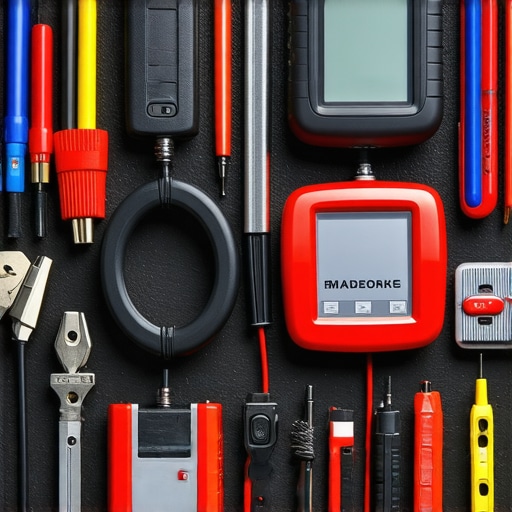
Through my years of tinkering and troubleshooting, I’ve uncovered subtle truths about brake systems that rarely make it into manuals. One of the most eye-opening lessons was realizing how small, overlooked tweaks can prevent major headaches down the road. For example, a routine rotor check often revealed tiny warps that, if caught early, could be resurfaced rather than replaced, saving time and money. I also learned that patience during bleeding brake lines and patience with caliper service directly correlates with smoother stopping power and longer-lasting repairs. Understanding that genuine tools like digital calipers and diagnostic scanners unlock insights invisible to the naked eye transformed my approach from guesswork to precision. These nuances don’t just serve mechanics—they empower any car owner willing to learn the secrets of their vehicle, especially when it comes to a complex system like the 2026 transmission or brake setup that benefits from meticulous care. Having seen firsthand how proper inspection and calibration can extend a vehicle’s lifespan, I urge every DIY enthusiast to embrace these subtle skills—they’re the real game changers in automotive care.