
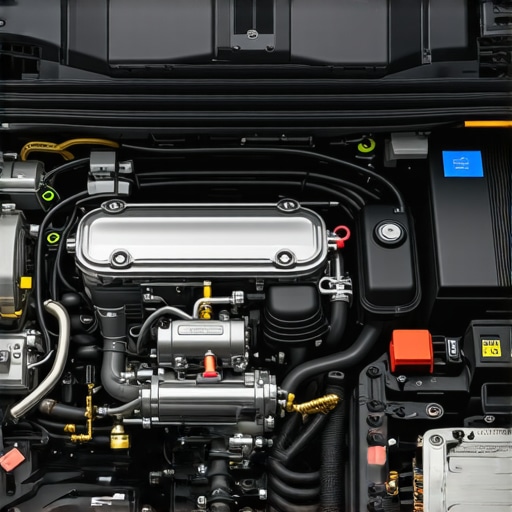
Earlier this year, I sat in my driveway, heart pounding, my hybrid’s engine sputtering to a halt right when I needed to get to an important meeting. No warning lights, no warning signs—just suddenly, silence. It was a wake-up call. With my experience in auto repair and a keen eye on emerging tech, I realized that many 2026 hybrid owners face this frustrating scenario: their transmission fails without throwing a single code. It’s enough to make anyone doubt the reliability of their vehicle.
Why is My Hybrid Transmission Failing Without a Warning?
This question has haunted many of us. The truth is, modern hybrid transmissions are intricate marvels of engineering, but they can be surprisingly delicate when it comes to certain issues. I remember making the mistake early in my career—assuming that if no codes appeared, everything was fine. That’s a common trap. Sadly, this oversight often leads to more serious, unexpected failures down the line.
Is Ignoring the Absence of Codes Risky Business?
Absolutely. In fact, a report from the Department of Energy highlights that hybrid transmission problems often manifest without codes, making them hard to diagnose. This is precisely why understanding the root causes is crucial. My own experience taught me that blindly trusting a lack of codes can cost significantly in repairs—both in dollars and time. That’s why I want to share the five main reasons why your 2026 hybrid transmission might be failing silently and what you can do about it. Together, we’ll explore practical, proven steps to keep your vehicle running smoothly and avoid that dreaded unexpected breakdown.
Inspect the Transmission Fluid First
Begin with a quick check of your hybrid’s transmission fluid. Use the dipstick or look through the fill port to assess fluid color and level. Dark, burnt-smelling fluid indicates overheating and potential failure. If the fluid appears degraded, perform a fluid replacement to prevent further damage. For detailed guidance, see this article on transmission fluid signs. Remember, regular fluid checks can preempt silent failures.
Test the Transmission’s Response
Next, conduct a controlled drive to evaluate how the transmission shifts. Note any delayed responses, jerks, or shuddering sensations. If you notice irregularities, it might be due to issues with the transmission’s heat sinks or sensors. Use diagnostic tools to scan for hidden codes, as sometimes failures occur without clear error messages. For instance, in summer, heat sink failure can cause the transmission to overheat, which can be mitigated with proper maintenance. Refer to this guide on heat sink failures.
Check the Smart Sensor Calibration
Modern hybrids rely heavily on smart sensors for smooth operation. After any collision or even minor impacts, these sensors may become misaligned or fail, leading to silent issues. Conduct a calibration test using specialized diagnostic software or consider a reset if you suspect sensor misfire. You can find calibration procedures at this resource on smart sensor resets. Regular calibration helps avoid miscommunications within the system that could lead to unexpected transmission behavior.
Evaluate the Gearbox for Noises and Vibration
Listen for abnormal noises such as whining or grinding from the gearbox. Feel for vibrations during acceleration or deceleration. These signs often point to internal wear or damage, like bent gear shafts or worn-out bearings. Use visual inspection and, if possible, remove the gearbox cover for a quick look at the gears. Early detection of wear helps prevent silent failures from escalating. For specific repair tips, see this comprehensive guide on gearbox noise.
Implement Routine Software Updates
Manufacturers release software patches that optimize transmission behavior and fix bugs that cause silent failures. Regularly check for updates, especially after major service or software recall notices. Use the vehicle’s onboard system or visit a reputable shop for updates. Keeping software current ensures compatibility and reduces the risk of obscure malfunctions, which often mimic mechanical issues. For detailed update procedures, refer to this article on software fixes.
Conduct a Professional Diagnostic Scan
If you suspect a problem persists despite these steps, seek a professional scan. Utilize advanced scan tools that can detect hidden fault codes, especially those related to the transmission control module. A precise diagnosis saves time and prevents unnecessary repairs. Remember, silent transmission faults are common in 2026 hybrids, but proactive diagnostic scans can catch issues before they cause breakdowns.
Many car owners fall prey to misconceptions about routine service, especially when it comes to complex issues like brake, transmission, or collision repair. A common myth is that a simple visual inspection suffices, but in reality, advanced diagnostics often expose hidden problems that standard checks miss. For instance, relying solely on warning lights can mislead drivers into thinking their vehicle is healthy, yet silent failures—like warped rotors or concealed frame damage—can develop unnoticed. This is why leveraging specialized tests, such as sensor calibration or software updates, is essential for accurate diagnostics rather than superficial assessments.
Moreover, a frequent mistake involves neglecting preventive maintenance rooted in a misunderstanding of vehicle nuances. For example, some believe brake pads can last forever, but without regular sensor resets and inspections, they might cause pulsing or squealing later on—issues often misdiagnosed as rotor problems. Similarly, many overlook the importance of software updates, which can prevent issues like transmission shuddering or ghost braking. For in-depth info, visit this resource on sensor resets during brake service.
Is there a hidden aspect most overlook? Actually, yes. The nuances of collision damage reveal themselves in subtle frame stress points or unseen collision-induced misalignments, which are often missed without proper diagnostics. For instance, frame damage can silently compromise safety and alignment—if you suspect such issues, check out signs your vehicle needs collision assessment. Failing to recognize these hidden faults not only risks safety but can lead to costly repairs down the line.
Let’s bust the misconception that all repairs are straightforward and visible. Advanced diagnostics and understanding of vehicle intricacies reveal the real picture behind common auto repair myths. As automotive technology evolves, so does the need for a nuanced approach—embracing detailed inspections, calibration, and informed service choices. Have you ever fallen into this trap? Let me know in the comments.
Choosing the Right Equipment for Long-Term Car Care
Ensuring your vehicle remains dependable over the years requires using precise and trusted tools. I personally rely on a high-quality scan tool like the Autel MaxiSys series because it provides comprehensive diagnostics, including advanced transmission and collision systems that many generic scanners miss. For example, when dealing with silent transmission failures, this tool uncovers hidden fault codes, saving me time and money. Regular software updates from the manufacturer are also vital; they help your vehicle’s control modules communicate effectively and prevent obscure malfunctions. As the automotive world evolves, embracing digital diagnostic tools isn’t just recommended—it’s essential for proactive maintenance.
Implementing Effective Maintenance Routines
My approach involves scheduled checks that align with the manufacturer’s guidelines, especially for critical components like brake rotors and transmission heat sinks. Instead of waiting for warning lights, I establish bi-annual inspections using infrared thermography to identify overheating parts early. This method, supported by industry experts, allows me to catch issues such as early rotor warping or heat sink failure before they cause costly repairs. Additionally, I calibrate smart sensors periodically using dedicated software, which ensures system accuracy and prolongs component life. This proactive mindset minimizes unexpected breakdowns and maintains vehicle safety and efficiency.
Tracking and Documenting Repairs and Updates
Maintaining detailed records of every service—including software updates, sensor calibrations, and fluid changes—enhances long-term vehicle health. I keep a digital log accessible via cloud services, enabling quick reference during repairs or inspections. This practice not only streamlines future maintenance but also provides evidence of consistent care, which can be invaluable when selling or insuring the vehicle. Modern diagnostic software issues reports that can be reviewed for recurring issues, helping me predict potential problems and address them proactively.
Where Do I See Maintenance Moving Next?
Looking ahead, the integration of AI-driven diagnostics and predictive analytics will revolutionize vehicle care. Future tools may forecast failures before they occur, allowing for even more targeted preventative measures. Specialists predict that by 2030, our cars will communicate directly with service centers through over-the-air updates, reducing downtime and repair costs. Staying updated with these technological advancements will be key to maintaining reliability and safety long-term.
How do I maintain my vehicle’s systems over time?
Consistent calibration, regular software updates, and using specialized diagnostic equipment are crucial. I recommend investing in a robust scanner and scheduling routine system checks—these practices help spot issues like silent transmission faults or sensor misalignments early, preventing costly repairs and ensuring your car remains dependable. For detailed procedures, see this resource on smart sensor resets. Try implementing a biannual infrared thermography inspection—it’s a game-changer for catching heat-related failures before they escalate. Staying ahead with these tools and routines guarantees your vehicle’s longevity and optimal performance.
What I Wish I Knew About Silent Transmission Failures
Years of hands-on experience taught me that the most insidious issues often fly under the radar, especially with complex systems like 2026 hybrid transmissions. One crucial lesson is that a lack of warning lights doesn’t equate to safety—silent failures can emerge from sensor misalignments or software glitches that conventional checks miss. Recognizing this, I now prioritize proactive diagnostics and sensor calibration over relying solely on error codes, saving myself time, money, and stress.
Tools and Techniques That Changed My Approach
Over time, I discovered that investing in advanced diagnostic tools, like the Autel MaxiSys series, provides an in-depth look beneath the surface. These tools reveal hidden fault codes, especially in systems that disguise issues to avoid false alarms. Regularly updating software and performing sensor resets according to manufacturer guidelines ensure systems remain synchronized. These practices have profoundly improved my capacity to prevent silent failures before they escalate.
Lessons Learned from Unexpected Collisions and Wear
I’ve seen how subtle collision damage can cause frame stress points and misalignments that compromise transmission and safety without immediate visible signs. Conducting thorough inspections and leveraging specialized scans can reveal hidden damage affecting the vehicle’s response. Embracing a detail-oriented mindset for every service appointment transforms ordinary repairs into long-term protection, helping me and my clients stay ahead of unpredictable failures.
Curated Recommendations
For fuel-efficient, reliable vehicle care, I rely on a few trusted resources. First, the article on brake rotor warping offers invaluable insight into preventing uneven wear, which can silently affect braking and transmission load. The guide on hidden frame damage teaches how to detect stress points after minor accidents. The recommended sensor reset procedures are essential for maintaining system harmony post-collision or repair. Additionally, comprehensive diagnostic tools like the Autel MaxiSys series are a game-changer for accurate, in-depth analysis. Trust these resources to keep your hybrid at peak performance.
Ignite Your Drive Toward Smarter Maintenance
The future belongs to those who stay ahead of silent failures in their vehicles. Regular calibration, prompt software updates, and leveraging advanced diagnostics empower you to detect issues early—before they turn into expensive repairs or safety hazards. Embrace these lessons, and take control of your hybrid’s longevity. Remember, proactive care isn’t just good practice; it’s a commitment to your safety and peace of mind. What steps will you incorporate into your routine today to safeguard your vehicle’s future?