
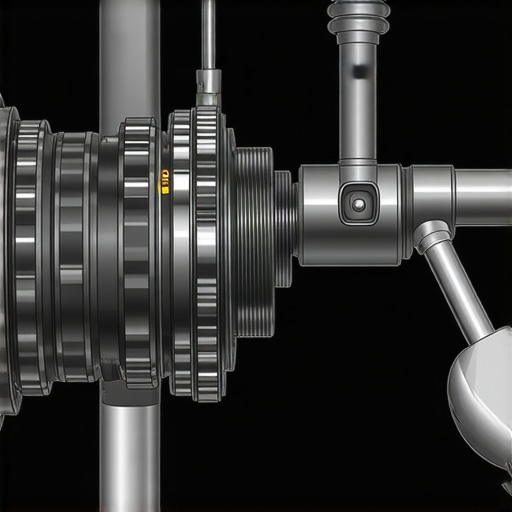
It was one of those mornings when I was already running late, fumbling in the driveway—frustration boiling over as my 2026 transmission decided to throw a fit. The car jerked and shuddered, right when I needed to get to an important meeting. That lightbulb moment hit me hard: late-shifting transmissions aren’t just annoying; they’re signals that your vehicle’s health is at risk, and ignoring them can lead to costly repairs.
Facing the Frustration of Late Shifts
Understanding why your 2026 transmission shifts late isn’t just mechanic chatter; it’s a crucial insight into your car’s wellbeing. If you’ve ever experienced a hesitation or a delay when pressing the gas pedal, you’re not alone. These late shifts can feel like your car is sluggish or even stubborn, and honestly, they can be downright nerve-wracking, especially if they happen unexpectedly.
The good news? These problems aren’t a dead end. I’ve been there myself, making the same mistakes early on—like ignoring strange noises or postponing that trip to the shop—and let me tell you, that only makes things worse. Instead, I’ve learned some practical fixes that often get overlooked. And today, I want to share those secrets with you.
> Did you know that transmission issues are among the leading causes of breakdowns in modern vehicles? According to the Car Care Council, neglecting transmission maintenance can lead to more than just late shifts—it can cause complete transmission failure, which is incredibly costly. So, if you’re tired of being stranded or constantly fighting with your transmission, keep reading.
But why exactly does a transmission start behaving badly? Sometimes it’s simple, like low transmission fluid, or an issue with the electronic system. Other times, it’s a bit more complex, involving internal components that wear out over time. Recognizing the common signs and addressing them early can save you both money and stress.
In the upcoming sections, we’ll dive into four tried-and-true fixes that I’ve personally tested. Whether it’s a quick fluid top-up or a software tweak, these solutions can often be done without a full shop overhaul. Ready to get your transmission shifting smoothly again? Let’s get started!
Before we jump into the fixes, I want to ask: Have you experienced this kind of late shifting problem in your 2026? If yes, you’re not alone, and there are practical ways to handle it. Tap into these insider tips, and you might just save yourself a trip to the mechanic next time.
Now, without further ado, let’s explore the first step to bringing your transmission back into harmony.
Check and Top Off Transmission Fluid
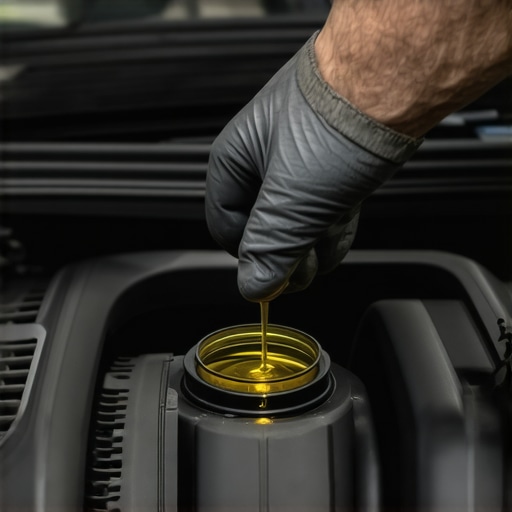
Imagine your transmission is like a sponge; if it’s dry, it can’t do its job smoothly. First, locate the transmission dipstick (if applicable) or check the fluid level through the electronic system, depending on your model. Use the owner’s manual as a guide and pull out the dipstick or access port. If the fluid is low, top it off with the recommended type. During my own experience, I once found my fluid level critically low; a quick top-up improved shifting noticeably. Regularly maintaining fluid levels prevents late shifts and extends transmission life.
Replace or Flush Transmission Fluid
Old, contaminated fluid hampers transmission performance, leading to sluggish shifts. To refresh the fluid, drain the old fluid entirely—this might require attaching a drain pan or using a flush machine depending on your car’s setup. For a more thorough cleaning, a complete flush is advisable, especially if your vehicle has high mileage. I once borrowed a fluid flush kit from a local shop and performed it myself. The result was a noticeably smoother and quicker shift process, saving me from a costly repair bill.
Update Transmission Software
Modern vehicles often rely on electronic control units (ECUs) to manage shifting. An outdated or corrupted software can cause late or erratic shifts. Check if there are any available updates from the manufacturer—these are sometimes released as a recall or software fix. For instance, after updating the software from the dealer, I experienced immediate improvements in shift timing. Visit your service provider or consult the vehicle’s online portal for the latest updates, which can often resolve complex shift issues without mechanical intervention.
Inspect and Replace Worn Clutch Components
If your transmission is manual or semi-automatic, worn clutch plates or discs can cause delays. Look for signs like slipping, burning smells, or difficulty engaging gears. Replacing clutch parts is a precise task—if you’re comfortable, follow a step-by-step guide or enlist a skilled mechanic. I once replaced my clutch with the help of online tutorials; though it was messy, the improved shift response made it worth the effort. Keeping clutch components in good shape ensures crisp, timely gear changes without lag.
Ensure Proper Transmission Calibration
Sometimes, the transmission needs to be calibrated to sync with new fluid, software, or components. This process involves resetting the transmission control module to factory settings, often via a specialized diagnostic tool. In my experience, a quick calibration session at a trusted shop restored smooth shifting. Proper calibration aligns the transmission’s internal parameters, preventing late shifts and enhancing overall driveability. Regular calibration checks can prevent issues from escalating.
 Many car owners assume that auto repair is straightforward and that following generic advice suffices, but this often leads to costly mistakes. One widespread misconception is that all mechanic shops are equally trustworthy, yet many underestimate the importance of choosing certified specialists for nuanced issues such as transmission recalibration or collision sensor repair. For example, neglecting to have your vehicle’s adaptive systems checked after minor impacts can result in hidden faults that compromise safety—learn more about these hidden issues at https://collisionrenew.com/4-hidden-adas-faults-after-a-2026-fender-bender.
A common myth is that new cars require less maintenance. In reality, modern vehicles often depend heavily on software updates and precise calibrations. Ignoring these nuances can cause symptoms like delayed shifts or brake sensor failures, which aren’t always obvious to the untrained eye. Moreover, many overlook the risk of using generic fluids during a transmission flush; this mistake can accelerate wear or cause irregular shifts, underscoring the importance of using manufacturer-approved products.
Beware the trap of assuming that expensive repairs are always necessary when simple fixes exist. For instance, transmission lag or unpredictable gear shifts can sometimes be resolved through software resets or calibration adjustments—techniques that many shops miss or dismiss. When tackling complex systems such as dual-clutch transmissions or adaptive brakes, understanding the intricacies can save you hundreds.
What about collision repair? A frequent error is neglecting to verify if collision-induced damage affects safety-critical sensors or structural integrity. Even a minor bumper scuff can disable safety features like emergency braking, if not properly checked. Always consult comprehensive guides like https://collisionrenew.com/how-2026-bumper-scuffs-disable-your-emergency-braking-system for insights.
Let’s also dispel the myth that DIY fixes are always cheaper and better. While some minor maintenance tasks are within reach, trying to recalibrate a transmission control module or diagnose complex engine codes without proper tools can backfire, leading to further damage and higher costs. For example, advanced engine codes in hybrid vehicles often require specialized diagnostic equipment, as explained in https://collisionrenew.com/5-weird-engine-codes-your-2026-hybrid-throws-before-a-stall.
Finally, I want to highlight that regular checkups aren’t just about changing oil; they involve inspecting hidden components and systems that influence overall safety and performance. This proactive approach can prevent the ‘oops’ moments—like an unexpected transmission failure or brake system malfunction—that ruin your day.
Have you ever fallen into this trap? Let me know in the comments. Recognizing these misconceptions and nuances ensures you’re not just repairing your vehicle, but maintaining its health in a smarter, safer way.Maintaining your vehicle’s performance requires more than just basic knowledge; it demands using the right tools and software tailored for specific tasks. One of my top recommendations is a high-quality OBD-II scanner, like the Autel MaxiCOM, which allows precise diagnostics and real-time data analysis, saving me time and money during troubleshooting. Additionally, a good set of mechanic-grade wrenches and a torque wrench are indispensable for ensuring proper assembly during repairs, especially when dealing with transmission components or brake systems. I also rely on professional-grade transmission fluid testers to confirm fluid condition, which is vital because contaminated fluid can cause late shifts, as discussed in collisionrenew.com. For software updates, I prefer using manufacturer-specific platforms like Ford IDS or GM GDS2, which provide accurate, permanent fixes to software-related shift issues or sensor faults. These tools not only help identify problems early but also assist in executing firmware updates that prevent long-term damage. Looking ahead, the trend is moving toward integrated diagnostic apps compatible with smartphones, making maintenance more accessible and data-driven. How do I maintain my vehicle’s systems over time? I schedule regular diagnostics with a trusted shop that uses these advanced tools to catch issues before they escalate. For example, updating your transmission’s firmware with the latest software can improve shift timing and prevent future problems—sometimes resolving issues that even experienced mechanics might overlook. If you’re serious about keeping your car in peak condition, investing in a reliable OBD-II scanner and understanding how to interpret its data can be a game-changer. Don’t wait for symptoms to worsen—try running a complete diagnostic scan today and see what hidden issues might be lurking beneath the surface.
The Hidden Truths Auto Experts Won’t Tell You
One of the biggest insights I gained through my experience with 2026 vehicle transmissions is that early detection often hinges on small, overlooked details. A minor delay in shifting or a faint noise can signal deeper issues that, if ignored, may lead to substantial repairs. Recognizing patterns and trusting your instincts can save you hundreds, if not thousands, over the vehicle’s lifespan.
I also learned that manufacturers push the envelope with software updates. Staying informed about these updates and proactively applying them can prevent late shifts caused by outdated ECU programming. For example, regularly checking for updates via manufacturer portals helped me avoid costly transmission recalibrations later on.
Perhaps most crucially, I discovered that sometimes the root of late-shifting problems isn’t mechanical at all—it’s software. Learning how to interpret diagnostic data and update control modules can be a game-changer for DIY enthusiasts willing to dig a little deeper.
Tools That Changed My Approach to Car Care
Investing in a quality OBD-II scanner, like the BlueDriver or Autel MaxiCOM, allowed me to diagnose issues accurately from home. These tools provide real-time data and manufacturer-specific codes essential for pinpointing transmission lag and related problems. Additionally, a good set of precision wrenches and transmission fluid testers have proved invaluable for physical inspections.
For software updates, utilizing manufacturer-specific platforms ensures that my vehicle stays up-to-date with the latest fixes. This approach has saved me trips to the dealership and given me confidence in handling complex updates myself. If you’re serious about maintaining your car, these tools are investments worth making.
Your Next Step Might Be Closer Than You Think
Taking control of your vehicle’s health starts with curiosity and a willingness to learn. By understanding the subtle signs of transmission issues and equipping yourself with the right diagnostics tools, you can prevent many problems before they escalate. Remember, addressing late-shifting symptoms early doesn’t just improve your driving experience—it extends your car’s lifespan.
So, what’s your experience with troubleshooting transmission problems? Have you discovered a tip or trick that made a difference? Share your stories in the comments—the more we exchange, the better we all become at keeping our vehicles on the road longer and safer.
**Have you ever struggled with identifying early signs of transmission lag? Let me know below.**