
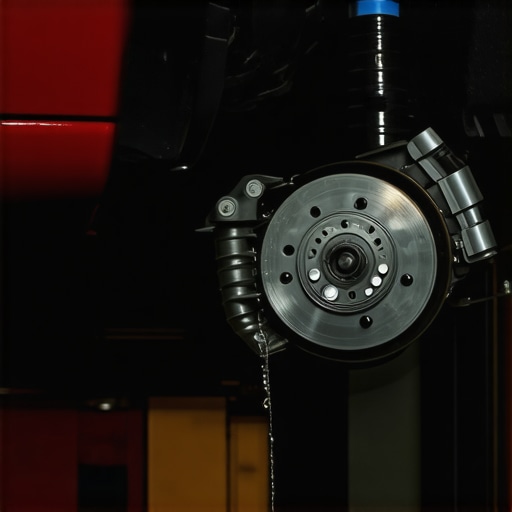
I remember the moment clearly. I was pulling out of a parking lot, gently tapped another car’s bumper—nothing major, right? But within days, my brake pedal felt eerie—soft and unresponsive. That small bump had triggered a cascade of issues, and suddenly my car wasn’t stopping like it used to. It struck me then: even minor collisions can have hidden, insidious impacts on a vehicle’s braking system, especially in a 2026 model.
Recognizing the Hidden Signs of Brake System Trouble After Minor Collisions
The truth is, many drivers dismiss small Fender benders as superficial dents and scratches. But these little accidents often set off micro-damage that compromises critical safety features, like brake pressure regulation. Specifically, in 2026 models, a seemingly minor fender bender can lead to a drop in brake pressure over time, making stopping distances unpredictable and dangerous.
Did you know that according to a study by the National Highway Traffic Safety Administration, even low-impact collisions can result in brake system malfunctions that aren’t immediately visible? That’s why understanding the connection between minor crashes and brake issues is crucial for every driver.
If you’ve experienced this frustrating experience—your brakes suddenly feeling different after a small bump—you’re not alone. And more importantly, you’re not powerless. Today, I’m going to share effective ways to diagnose and fix this sneaky problem, so your safety isn’t compromised by overlooked damage.
Is 2026 Brake Pressure Drop After a Bumper Tap Really Worth Fixing?
Early in my repair journey, I made the mistake of assuming that only severe crashes required professional attention. But missing the subtle signs of brake system degradation can lead to costly repairs or dangerous failures down the road. A helpful tip I learned? Always verify if your vehicle’s emergency braking systems or proximity sensors have been affected, especially after minor collisions. For detailed insights, check out [how 2026 bumper scuffs disable your emergency braking system](https://collisionrenew.com/how-2026-bumper-scuffs-disable-your-emergency-braking-system).
In the following sections, I’ll guide you through practical steps to assess whether your brakes have been compromised and how to address this issue effectively. Because when it comes to safety, a proactive approach beats a reactive one every time.
Check Brake Fluid for Contamination
Start by inspecting your brake fluid reservoir. If you’ve experienced a minor collision, debris or moisture may have compromised the fluid, affecting braking performance. Remove the cap and check the fluid’s color; a dark or cloudy appearance indicates contamination. Flush and replace the fluid if necessary, following your vehicle’s specifications. Remember, contaminated brake fluid can lead to pedal softening and reduced stopping power—act promptly.
Assess Brake Calipers and Pads
Next, visually examine the brake calipers and pads for signs of sticking, uneven wear, or damage. Loosen the wheel and remove the caliper to inspect if the pins and pistons move freely. Stuck calipers can result from debris displaced during impact, leading to uneven braking. If you notice corrosion or debris, clean and lubricate the necessary parts or replace worn components. This step is crucial because caliper issues can cause uneven brake pad wear and pedal firmness problems.
Test the Brake System Responsiveness
Safely perform a gentle brake test in an open area. Gently press the pedal and note any softness, pulsations, or unusual noises. Feel for delays or inconsistent responses. If the pedal feels spongy or unresponsive, it could signal air trapped in the lines or damaged master cylinder components—both common after minor impacts. For a deeper diagnosis, monitoring brake pressure with specialized tools can reveal pressure drops indicative of internal leaks or damage.
Evaluate Proximity and Safety Sensors
Modern 2026 vehicles rely heavily on safety sensors, particularly in collision scenarios. After a minor bump, sensors like proximity detectors or emergency brake modules might misalign or become damaged, reducing braking effectiveness. Use a scanner compatible with your car’s system to check for fault codes related to these sensors. If errors are present, consult specific repair guides, such as this resource, to reprogram or replace faulty sensors. Proper calibration ensures your braking and safety systems function correctly.
Inspect Brake Lines for Damage or Leaks
Physical inspection of the brake lines is essential. Look for cracks, corrosion, or leaks, especially around fittings and where the lines connect to calipers. Damage here can cause fluid loss or air ingress, degrading brake performance. Use a flashlight for a thorough view, and if leaks are detected, replace damaged lines immediately. Remember, compromised brake lines are a critical safety concern that demands prompt action.
Verify Electronic Control Modules Settings
Finally, ensure the electronic brake controllers and related modules haven’t been reset or affected by the collision. Some vehicles automatically reset these settings, but others require manual recalibration. Use an OBD-II scanner to reconfigure the modules if necessary, following your vehicle’s repair manual. Proper calibration restores the full functionality of anti-lock braking systems and other safety features, ensuring your brakes operate as intended.
Applying these steps systematically can dramatically improve your understanding of potential damage and help you decide whether professional intervention is necessary, avoiding risky driving conditions caused by overlooked issues.
Many car owners assume that sticking to routine maintenance or following common advice guarantees their vehicle’s longevity. However, in my experience, there’s a significant gap between popular beliefs and the realities of advanced vehicle systems, especially when it comes to transmissions and collision-related repairs. For instance, a widespread myth is that low-impact collisions are always harmless; but modern vehicles, like your 2026 model, are equipped with sensitive sensors and complex modules that can be subtly damaged even in minor bumps, leading to costly issues if overlooked. This misconception can trap owners into delaying essential checks, which might result in catastrophic failures down the line.
Let’s explore one common mistake: many believe that simply topping off transmission fluid or resetting the system will fix shifting problems caused by collision damage. But the real nuance lies in understanding how micro-damage—like internal sensor misalignments or small frame stress points—can compound over time. These hidden issues often require specialized diagnostics beyond ordinary visual inspections. An expert approach involves integrative checks, including sensor calibrations and structural assessments, which are sometimes skipped by inexperienced technicians. For example, when dealing with hybrid transmissions, the game changes entirely; a misstep here can lead to premature failure, as highlighted in recent studies on hybrid system longevity.
You might wonder, how can I avoid falling for these misconceptions? The answer is by acknowledging that modern vehicles are built with an intricate web of software and hardware interactions. This means understanding the importance of verifying electronic control modules settings and sensor calibrations after any collision—no matter how minor. Skipping these steps is a common trap that leads to persistent issues like hesitation, shuddering, or phantom warnings. For advanced insights on avoiding such pitfalls, check out how collision damage can disable safety systems in 2026 models.
Furthermore, many underestimate the importance of structural integrity assessments, especially in frame stress points that are not visually obvious. Damage here can cause alignment issues that influence braking, steering, and transmission behavior, even if the exterior appears unaffected. Always consider a comprehensive damage report; sometimes, a simple frame stress test can save you from future expensive repairs or safety risks. To get more qualified advice, explore why your 2026 frame health is critical after a collision.
In essence, understanding these nuances helps to prevent costly mistakes and ensures your vehicle remains safe and reliable. It’s about moving beyond superficial fixes and embracing an integrative diagnostic mindset. Do you have experiences where common repairs didn’t solve the problem, or worse, made it worse? Share your story below—let’s learn from each other’s pitfalls. Remember, staying informed and cautious is the best way to protect your investment and safety on the road.
Gear Up with Precise Diagnostic Tools for Long-Term Peace of Mind
Investing in professional-grade diagnostic equipment is crucial for maintaining your vehicle’s health over time. I personally rely on a high-quality OBD-II scanner with comprehensive ECU coverage, like the Autel MaxiCOM, which allows me to detect subtle sensor misalignments or faults that could compromise safety features after minor collisions. These tools enable quick, accurate readings and help prevent small issues from escalating into costly repairs, especially when dealing with complex systems such as collisionrenew-calibrated sensors or active braking modules.
Master Software Solutions for Adaptive and Predictive Maintenance
Beyond hardware, specialized software plays a vital role in diagnosing and maintaining newer vehicles. I recommend using manufacturer-specific diagnostic software—like BMW’s ISTA or GM’s Tech 2—because they offer tailored insights into complex modules. For example, when addressing transmission or collisionrenew-related concerns, software updates and reprogramming can restore lost calibration or adapt system learning, saving time and money. Keeping your software updated ensures you’re equipped to handle evolving vehicle systems and perform precise calibrations, such as those needed for collisionrenew-active safety systems or hybrid controllers.
Why Cleaning and Lubrication Prevent Long-Term Damage
Regularly inspecting and maintaining mechanical parts like calipers, sensors, and connectors prevents micro-damage from turning into major failures. I personally keep a set of high-quality brake cleaner, dielectric grease, and a precision torque wrench handy. Proper lubrication of caliper pins and connectors ensures smooth operation, reducing uneven wear or sticking caused by debris or corrosion. These small preventive steps extend the lifespan of critical components and maintain consistent braking performance, especially after impacts that may Have displaced or damaged parts.
Future Trends in Vehicle Maintenance Include AI and Remote Diagnostics
Looking ahead, the integration of AI-driven diagnostic systems and remote monitoring will revolutionize vehicle upkeep. Manufacturers are increasingly deploying connected sensors that alert you to emerging issues before they become serious, including collision-renew-related faults. This proactive approach minimizes downtime and enhances safety. As these technologies evolve, mastering data interpretation and software updates will become essential skills for vehicle owners and technicians alike.
How to Keep Your Vehicle Working Seamlessly Over Time
Establish a routine that combines regular visual inspections, sensor calibration checks, and software updates. I recommend performing a thorough system scan every six months—especially after minor collisions—to catch any hidden issues early. For instance, confirming that collisionrenew sensors are properly calibrated can stave off intermittent braking problems or false alarms. Always refer to reputable guides or expert resources—like how collisionrenew calibrates sensors after a dent—to stay ahead of potential problems. Taking the time to maintain these systems means fewer surprises and safer driving experience. Don’t hesitate to try a 10-minute reset using your scanner to recalibrate adaptive systems; it’s surprisingly effective and straightforward. Regular maintenance using these tailored tools and methods ensures everything works as intended, protecting you and your investment in the long run.
What I Wish I Knew When Repairing My 2026 After a Minor Bump
Sometimes, the smallest impacts reveal the greatest surprises. I learned that even a gentle tap can subtly compromise critical systems like brakes and sensors, which are vital for safe driving. Recognizing that micro-damage can hide beneath the surface has transformed how I approach vehicle maintenance, pushing me to be more thorough and cautious after any collision.
One key lesson? Never underestimate the power of proper diagnostics. Relying solely on visual inspections isn’t enough; leveraging advanced tools ensures that hidden damage, especially to collisionrenew sensors and electronic modules, is addressed promptly. This proactive approach not only saves money but also keeps you safe on the road.
Also, understanding the nuances of vehicle systems—like how micro-stresses can trigger false alarms or degrade braking performance—has helped me prevent serious accidents. Staying informed about the intricacies of 2026 models empowers me to make better maintenance decisions and avoid common pitfalls associated with collision damage.
My Arsenal for Navigating Post-Collision Repairs
- High-Quality Diagnostic Scanners: I swear by tools like the Autel MaxiCOM, which help me identify subtle faults in collisionrenew sensors and control modules. Being able to interpret these readings ensures I catch issues early before they escalate.
- Manufacturer-Specific Software: Staying updated with OEM software allows me to recalibrate sensors and modules accurately. This software is essential for restoring the vehicle’s safety features after minor bumps.
- Reliable Repair Guides and Resources: Websites like collisionrenew.com provide step-by-step instructions on fixing modern systems, including fixing collisionrenew-calibrated sensors or addressing brake system micro-damage. I trust these guides because they are detailed and tested.
- Regular Mechanical Checks: Consistent inspections of brake calipers, lines, and fluid quality help prevent small issues from turning into expensive repairs. Preventive maintenance, combined with the right tools, keeps my vehicle in top shape.
Keep Your Drive Safe: Embrace the Knowledge
The road ahead is filled with opportunities to learn and improve. If you’ve experienced a minor collision and want to ensure your vehicle remains safe and reliable, now is the time to act. Understanding the subtle impacts of small accidents and using the right diagnostics can save you from unexpected failures and costly repairs.
Are you ready to take control of your vehicle’s health after a bump? Share your experiences below—your story might just inspire someone else to look deeper and stay safe on the road!