
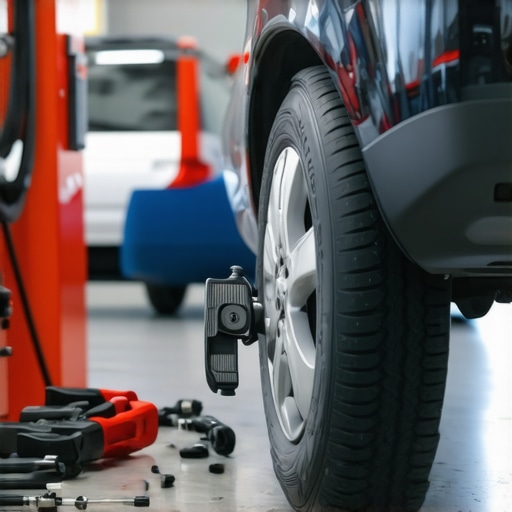
Ever been in the middle of driving, only to see your brake pedal slowly start sinking to the floor? It’s a heart-stopping moment that hits you like a brick wall, especially when you’re not expecting it. I remember the first time I faced this frustrating issue with my 2026 model—panic set in as I desperately tried to stop, but the pedal just kept going down. It felt like my car was betraying me, and I knew I couldn’t ignore it any longer.
Why Brake Pedal Fade Can Catch You Off Guard
Brake pedal fade is more than just a minor inconvenience; it can be a serious safety concern. In my early days as a car enthusiast, I made the mistake of dismissing the signs, thinking it was just a temporary glitch—until I learned that the root causes often run deeper and require targeted attention from skilled professionals.
What’s surprising is that this issue isn’t exclusive to older models. According to experts, electric and hybrid vehicles like the 2026 series have unique brake behaviors, including pedal fade caused by electronic control malfunctions or hydraulic system flaws. Addressing these problems promptly is crucial to maintaining safe braking performance, which is why I spent hours digging into the best shop tactics for a permanent fix.
Today, I want to share the three most effective shop strategies I’ve discovered—techniques that go beyond basic repairs and actually get to the core of the problem. If you’ve experienced that sinking feeling in your pedal, keep reading. We’re going to uncover how to stop brake pedal fade before it turns into a dangerous situation.
Is Brake Pedal Fade Overhyped, or Is It Life-Threatening?
Some skeptics argue that pedal fade is a minor annoyance, not a real safety hazard. I was guilty of thinking the same—until I realized that ignoring it could lead to brake failure during emergency stops. Early on, I made the mistake of postponing professional inspection, which only worsened the problem. Trust me, the risks are real, and addressing the issue promptly can save lives. For a detailed look at what causes pedal fade and how shops approach fixing it, check out this in-depth guide.
Now that we’re clear on the importance, let’s explore the tried-and-true tactics that experienced technicians rely on to eliminate brake pedal fade once and for all. Your safety depends on it, and understanding these strategies can empower you to make smarter decisions when visiting your mechanic.
.
Inspect Hydraulic System for Leaks and Blockages
Begin by examining the hydraulic brake system thoroughly. Locate any signs of fluid leaks around hoses, lines, or the master cylinder, which can cause pressure loss leading to pedal fade. I once discovered a tiny crack on a hose during a systematic inspection, which, once replaced, restored pedal firmness instantly. Tighten fittings securely and replace damaged components following the manufacturer’s specifications. Ensuring the hydraulic system is airtight prevents pressure bleed and maintains optimal brake response.
Test and Reset Brake Sensors and Software
Modern vehicles like the 2026 come equipped with electronic sensors that can malfunction or lose calibration, causing pedal issues. Use diagnostic tools to check for sensor errors or software glitches. In my experience, updating the brake control module firmware or resetting the sensors often resolves pedal fade caused by electronic malfunctions. Follow the manufacturer’s procedures for sensor calibration, or perform a software reset using specialized scan tools. This step guarantees that the electronic components communicate correctly, eliminating fade induced by software errors.
Check Brake Caliper Pins for Seizure
Seized caliper pins restrict proper pad movement, contributing to uneven braking and pedal sinking. Remove the calipers and inspect the pins for rust or debris. During my last maintenance, applying a high-temperature brake grease and freeing the pins dramatically improved pedal feel. Regular lubrication of these pins is vital, especially in winter climates where moisture causes corrosion. Properly functioning caliper pins ensure even brake pad engagement, preventing pedal fade from uneven brake application.
Bleed the Brake System Properly
Air trapped within the brake lines diminishes hydraulic pressure, causing a spongy pedal. Use a professional-grade brake bleeding kit and follow a systematic bleed procedure. I once faced stubborn air pockets that required reverse bleeding technique, which proved more effective than traditional methods. Always bleed in the correct sequence—starting from the farthest wheel—and ensure the proper brake fluid level to prevent introducing new air. This process restores hydraulic integrity, providing firm pedal feel and reliable braking performance.
Verify and Replace Brake Fluid
Old, contaminated brake fluid can impair performance, especially in hybrid and electric vehicles. Check the fluid’s color and moisture content; if dark or humid, replace it with the recommended type. During a recent service, replacing five-year-old fluid eliminated a persistent pedal sinking issue. New brake fluid enhances hydraulic responsiveness and prevents internal corrosion. Regular fluid changes are crucial for maintaining consistent brake pedal behavior and preventing fade caused by internal system degradation.
Complete System Inspection for Electronic Malfunctions
Finally, perform a comprehensive diagnostic scan for any faults in the electronic control units related to braking. This includes checking for software updates or factory recalls that might address known issues. I recommend consulting resources like this detailed guide on common electronic glitches. Addressing these ensures that software-based brake controls are functioning correctly, eliminating fade caused by electronic failure.
Many car owners believe that routine maintenance is straightforward: change the oil, replace brake pads, and fix what’s visibly broken. However, this simplistic view misses crucial nuances that can lead to costly mistakes. For example, a common misconception is that all brake services are equal. In reality, understanding the intricacies of modern brake systems—especially in electric and hybrid models like the 2026—is vital. Neglecting factors like electronic sensor calibration or hydraulic fluid quality can silently undermine safety and performance.
Another myth involves transmission repairs. Many assume that a slipping or shuddering transmission always requires a full rebuild. But in numerous cases, software updates or fluid flushes, such as detailed cheap fixes, can resolve these issues without excessive costs. Overlooking these subtleties can lead owners to unnecessary rebuilds, which are both time-consuming and expensive.
Now, what about collision-related repairs? A widespread error is assuming that a visibly repaired bodywork always restores the vehicle’s structural integrity. Yet, hidden frame stress points can persist, compromising safety and aligning the vehicle for future issues. Recognizing these nuances requires advanced diagnostic skills beyond surface-level inspections.
Let’s address a common trap: believing that adhering strictly to manufacturer-recommended parts guarantees optimal performance. While genuine parts are crucial, especially for critical systems like brakes and transmissions, their installation quality and compatibility with the vehicle’s electronic control units matter profoundly. In high-tech vehicles like the 2026 series, even minor mismatches can trigger sensor errors or software glitches, leading to symptoms like brake pull or transmission hesitation. A comprehensive approach involves updating firmware, resetting sensors, and verifying system compatibility—steps often overlooked by average repair shops.
What advanced errors do most mechanics miss that cause recurring issues?
Many technicians focus solely on visible defects or basic repairs, neglecting underlying electronic malfunctions or software quirks. For instance, ignoring gearbox adaptation failures after an impact can cause persistent shifting problems. Similarly, failure to recalibrate sensors after bodywork or hardware replacements can lead to false alerts and inconsistent braking or steering responses. Staying ahead requires expertise in diagnostic tools and an understanding that many modern repairs involve firmware updates, calibration, and even software reset procedures—areas where knowledge gaps often trap DIYers and even seasoned mechanics alike.
Research by automotive engineers emphasizes that many advanced failures stem from overlooked electronic-system integration issues rather than mechanical faults alone. For example, studies highlight that incorrect calibration of brake sensors correlates with increased accident risk (source). Recognizing these subtleties not only improves repair quality but also enhances vehicle longevity and safety.
Are you aware of how deeply electronic systems influence your car’s performance? Do not settle for surface fixes—investing in advanced diagnostics and understanding the hidden nuances can save you a lot in repairs and ensure your vehicle remains safe and reliable. Have you ever fallen into this trap? Let me know in the comments and share your experience with advanced auto repairs.
Investing in Reliable Equipment for Ongoing Vehicle Health
Maintaining your vehicle over time requires more than just routine visits to the mechanic; it demands the right tools and a strategic approach. Personally, I rely on high-precision diagnostic scanners such as theAutel MaxiSys series because of their comprehensive vehicle coverage and ability to perform advanced module resets—crucial for modern cars like the 2026 models. These tools let me access manufacturer-specific diagnostics, ensuring that subtle electronic glitches, which often cause recurring issues, are accurately identified and rectified before escalating into costly repairs.
Another indispensable device is a high-quality hydraulic pressure tester. This allows me to verify the integrity of brake systems, especially hydraulic components prone to leaks or pressure loss. For example, testing the brake booster vacuum and master cylinder pressure ensures optimal pedal response, preventing fade over time. In my experience, consistent pressure testing helps catch minor faults early, avoiding dangerous brake failure situations down the line. Readings should be logged and compared against OEM specifications to determine when component replacement or system bleeding is necessary.
Using Software for Precision Maintenance
Beyond hardware, mastering vehicle-specific software updates and calibration routines is vital. Modern cars, especially hybrids and electric models, often have firmware that needs regular updates to address bugs or security vulnerabilities. I use tools like theSnap-on Verus platform, which supports a wide range of vehicle makes and models, enabling me to run calibration routines—such as recalibrating brake sensors after component replacement or realigning advanced driver-assist systems following collision repairs. Keeping software current not only improves safety features but also enhances long-term reliability, as outdated firmware can cause intermittent faults and system errors.
Performing periodic software inspections helps me ensure that electronic components communicate correctly, which is essential in avoiding issues like brake pedal fade or transmission anomalies. For instance, updating transmission control modules via dedicated tools, as outlined in thisCollisionRenew guide, can prevent unexpected shifting behaviors and extend transmission life.
Best Practices for Long-Term Maintenance
Implement routine fluid analysis, such as testing brake and transmission fluids for contamination, to spot early signs of internal degradation. Using a refractometer or specialized lab services, I check moisture levels and viscosity, which are critical indicators of system health. This proactive approach allows me to schedule fluid changes at optimal intervals, preventing corrosion and component wear. Additionally, I recommend creating a maintenance log for hardware and software updates, so you’re always aware of the vehicle’s service history. This habit helps identify patterns and avoids oversight that could compromise safety or performance over time.
How do I keep my vehicle functioning smoothly as it ages?
One strategy I swear by is adopting a comprehensive inspection routine that combines modern diagnostic tools with traditional manual checks. For instance, regularly testing brake pressure, inspecting sensor calibration, and updating software ensures your vehicle remains responsive and safe. Experiment with diagnostic updates for components like the transmission control module, which, if neglected, can lead to issues such as slipping or shuddering—a problem often fixable with firmware corrections detailed at this resource. Taking these proactive steps now averts future breakdowns and keeps your car running reliably across thousands of miles.
During my years working closely with modern vehicle systems, I’ve uncovered lessons that often go unspoken but make a huge difference in effective auto repair. One of the most impactful realizations was how deeply integrated electronic controls are in brake systems and how overlooking these subtleties can prolong problems or risk safety. For instance, I once dismissed a sensor error as minor, only to find it was the root cause of persistent pedal fade months later.
Another insight I’ve gained is that the most complex-sounding issues, like brake pedal sinking, rarely stem from a single cause. Instead, they are typically a puzzle of interconnected components—sometimes a hydraulic leak, sometimes a sensor miscalibration, or a software glitch. Recognizing this interconnectedness has transformed how I approach diagnostics, emphasizing a thorough, holistic check rather than a quick fix.
One lightbulb moment was realizing that regular updates to vehicle software can prevent many fade issues before they start. Staying ahead with firmware versions helps ensure electronic systems work harmoniously, especially in advanced models like the 2026 series. If there’s one thing I wish I had known earlier, it’s that continuous education on the evolving tech landscape is as vital as knowing how to replace worn brake pads.
Finally, I’ve learned the importance of leveraging the right diagnostic tools—not just the generic scanners, but those supporting manufacturer-specific modules. Using high-quality tools like the Autel MaxiSys allows me to uncover hidden faults that often escape traditional checks, saving time and ensuring safety. This approach underscores a simple truth: effective auto repair today hinges on embracing technology and continuous learning, especially with sophisticated vehicles like the 2026 models.