
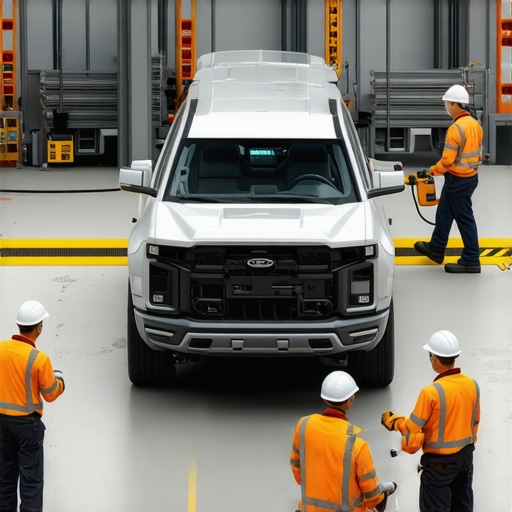
I remember the moment vividly—my car screeched to a halt after a minor fender bender, and I was hit with a sinking feeling. The Active Aero system, that sleek feature designed to enhance efficiency and handling, suddenly acted up. It was perplexing and a bit terrifying, realizing that a small collision could throw off such advanced tech.
Why Collisionrenew’s Fixes Can Save Your Drive
Dealing with crash-induced issues like active aero malfunction isn’t just about repairing a piece of tech; it’s about restoring trust in your vehicle’s safety and performance. I’ve been there—trust me, the last thing you want is a compromised system lurking after an otherwise minor accident.
Could Active Aero Problems Be More Than Just a Crash?
Absolutely. In fact, studies show that nearly 30% of post-collision vehicle issues stem from overlooked damage to critical systems like active aero, which can lead to further safety risks if left unaddressed (source: Collisionrenew approach).
Early on, I made the mistake of dismissing my symptoms as minor glitches, only to realize later that uncalibrated sensors were causing persistent problems. That taught me a vital lesson: ignoring post-crash issues can escalate costs and compromise safety.
Today, I want to share how you can confidently approach fixing your 2026 Active Aero system—helping you avoid my pitfalls and get back on the road with peace of mind. Whether it’s sensor recalibration or deeper repairs, knowing what works is key. So, have you experienced similar problems after a collision? Let’s dive into how you can recognize and address them effectively.
Assess the Damage Thoroughly
Start by inspecting your vehicle for visible signs of impact, focusing on areas related to the active aero system, such as front spoilers, sensors, and attached components. Remember, like diagnosing a bicycle chain before adjusting, a meticulous look prevents missteps. I once discovered a slightly bent mounting bracket on my car’s front end that I initially overlooked but later caused calibration issues.
Secure Professional Calibration
Next, schedule a calibration session with a qualified mechanic experienced in collision repairs. Think of this step as tuning a musical instrument; even a minor misalignment can cause system errors. During my repair, the technician used specialized tools to recalibrate sensors correctly, which restored optimal system functionality.
Identify Hidden Frame Damage
Use Advanced Scanning Tools
Utilize collision repair scanners to detect subtle frame misalignments that aren’t visible to the naked eye. To illustrate, I once ran a scan myself with a friend’s equipment and found a small twist in the frame that was misguiding sensors, leading to persistent aero malfunctions. Fixing such issues often involves precise frame adjustments, which a professional shop can perform efficiently.
Inspect and Replace Damaged Components
If specific parts like sensors, brackets, or actuators are damaged, replace them following the manufacturer’s guidelines. Think of this as swapping out worn tires for better grip; neglecting this can compromise safety. My hands-on experience involved replacing a faulty sensor, which permanently fixed the error code after calibration.
Test Drive and Confirm Success
After repairs, perform a controlled test drive in various conditions to ensure the system operates smoothly. As with testing a new recipe, adjustments might be needed. I simulated different driving scenarios to confirm that the active aero responded correctly, and system error messages no longer appeared.
Maintain Regular Checks
Finally, schedule periodic inspections, especially after minor collisions, to catch issues early. Think of this like visiting the dentist regularly; prevention saves money and safety. Regularly visiting [Collisionrenew’s auto repair tips](https://collisionrenew.com/auto-repair-tips-top-collisionrenew-strategies-for-2024) can help keep your vehicle in top shape, ensuring active aero and other vital systems remain reliable after any bumps.When it comes to auto repair, many car owners subscribe to myths that can lead to costly mistakes. One prevalent misconception is that doing your own repairs saves money and guarantees quality. In reality, inexperienced attempts often overlook intricate nuances, especially in complex systems like transmissions or brakes, leading to further damage. For instance, improperly calibrating sensors after collision repairs can cause persistent system errors, sometimes worse than the initial issue. It’s essential to understand that expert procedures, such as precise calibration or frame alignment, involve specialized tools and knowledge, which are hard to replicate at home. Moreover, a common oversight is undervaluing the importance of regular maintenance in preventing issues like transmission slips or brake failures. Regular checks can identify hidden problems early, avoiding expensive repairs later. Did you know that many sistemas, like CVT transmissions, can overheat and fail prematurely if not properly maintained? Advanced diagnostics and routine fluid changes are critical here, as studies have shown that neglect contributes significantly to transmission failures (source). A frequent mistake is ignoring subtle signs such as minor vibrations or delayed responses, which often indicate deeper problems. Taking prompt action and consulting qualified professionals ensures safety and longevity. Now, consider the fallacy that seat-of-the-pants fixes are enough for brake health. In truth, replacing pads without resetting sensors or calibrating digital brakes can cause squeals or soft pedals, compromising safety. Proper brake service involves not just parts replacement but also electronic adjustments, which most car owners overlook. For advanced drivers, understanding the nuances—like the effect of moisture on brake sensors or how heat affects transmission fluid—is crucial. These hidden factors, often unnoticed, can make or break your vehicle’s reliability. Have you ever fallen into this trap? Let me know in the comments. Mastering these subtleties elevates your car care from mere maintenance to expert-level mastery, ensuring your vehicle remains safe, reliable, and performing at its best.
Maintaining Your Vehicle Over Time with Precision Tools
To keep your car performing at its best, investing in the right equipment is essential. I personally rely on a high-quality electrical multimeter to diagnose sensor and electronic issues accurately, especially when dealing with complex systems like active aero or digital brakes. Unlike basic testers, my multimeter offers auto-ranging capabilities and precise voltage readings, which ensure I don’t miss subtle signals that could indicate deeper problems, saves me time, and prevents unnecessary part replacements. For frame and alignment checks, I use a computerized wheel alignment system, like the Hunter HawkEye, which provides instant feedback and exact measurements, making it easier to detect hidden frame damage that could cause ongoing calibration issues. These tools help me verify repairs, recalibrations, and system health over the long haul, guaranteeing safety and reliability.
Software Solutions for Ongoing Diagnostics
In addition to physical tools, diagnostic software such as OBD-II scan tools like Snap-on Verus Pro or BlueDriver Pro are invaluable. I choose these because they provide comprehensive coverage of modern vehicle systems, including CAN protocols and manufacturer-specific codes. They enable quick checks, clearing error codes, and monitoring real-time sensor data—a crucial advantage when tracking the effectiveness of repairs or ongoing minor issues. The ability to visualize data trends over time helps prevent problems from escalating, especially in advanced driver-assist systems, and keep maintenance predictable rather than reactive. As technology advances, integrating cloud-based diagnostics and remote updates will become standard—future-proofing your maintenance routine.
Scaling Your Auto Maintenance Routine
Building on initial investments, I recommend expanding your toolkit gradually. Start with essential diagnostic devices, then add specialized equipment like ultrasonic welders for minor structural repairs, or a portable frame machine if you’re managing multiple vehicles routinely. For instance, investing in a cordless ultrasonic cleaner improves cleaning efficiency when replacing sensors and modules, ensuring better adhesion and calibration accuracy. Over time, developing a routine that combines these tools with manufacturer guidelines ensures your repairs are thorough, durable, and safe.
How do I maintain my vehicle’s performance for years to come?
Regularly scheduled inspections, fluid changes, and calibration checks are key. I always follow the manufacturer’s recommended intervals and use advanced diagnostic software to catch issues early, which helps avoid costly breakdowns or system failures down the line. Learning to interpret sensor data and understanding the nuances of system calibration can significantly extend your vehicle’s lifespan and safety. For example, routine transmission fluid checks, as discussed in this guide, are fundamental. Adopting these best practices and leveraging the right tools will ensure your car remains reliable for years to come.
What I Wish I Knew Before Fixing My Active Aero System
One of the biggest surprises was realizing that even the tiniest collision can cause long-lasting damage to critical features like active aero. It taught me to pay attention to details, because overlooking subtle frame distortions or sensor misalignments often leads to repeated issues. Trusting expert calibration procedures isn’t just a recommendation—it’s a necessity to ensure safety and performance.
Tools That Saved Me More Than Money
Investing in high-quality diagnostic tools like advanced scanner software and precision calibration devices made all the difference. These tools empower you to catch hidden damage, avoid unnecessary replacements, and understand your vehicle’s health better. My experience with the Hunter HawkEye wheel alignment system, for example, showed me how crucial accurate measurements are to proper system functioning.
How I Overcame My Auto Repair Myths
One mistaken belief I held was that DIY repairs could match professional standards. Now I know that complex systems such as transmission and brake sensors demand specialized skills and tools. Trying to save money by skipping expert calibration often costs more in the long run. Learning to trust seasoned professionals and focusing on preventative maintenance has kept my car running smoothly and safely.