
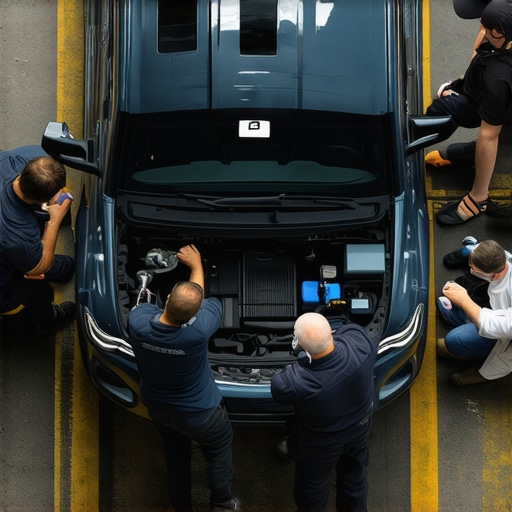
It was a morning like any other, until I opened my car hood and discoverd the unexpected—a warped, buckled mess where my pride and joy used to be smooth and sleek. My heart sank. I knew I had to fix it, but the typical quick-fix approaches I tried before only made things worse. That lightbulb moment hit me: there’s a correct way to handle a buckled hood, and it’s not as simple as slapping on some paint or a quick straighten. I want to share what I learned from my own blunders and successes, so you won’t have to repeat my mistakes.
Why Rushing a Repair Can Turn a Small Problem into a Major Headache
When your hood begins to warp or buckle, it’s more than just an aesthetic issue—it’s a matter of safety, structural integrity, and resale value. Early on, I thought I could just hammer out the dents or pull it back into shape, but I quickly realized that improper repairs can cause more harm than good. A misstep here can lead to misaligned panels, water leaks, or even compromise the safety release mechanism. That’s why understanding the proper repair techniques is crucial. If you’ve ever faced this, you know how tempting it is to take the shortcuts—believe me, I did too—but trust me, the results won’t be worth it in the long run. Instead, trusting a proper repair process will save you money and hassle over time.
Is Collisionrenew’s Approach Actually Worth the Hype?
Early on, I falsely believed that a quick fix with a mallet and some filler would do the trick. I made the mistake of thinking that all repairs are created equal—they’re not. The truth is, professional collision renewal techniques involve precise measurements, specialized equipment, and a keen eye for detail. According to industry experts, improper DIY fixes can lead to panel distortion, which can be costly to correct later. For example, I learned that a comprehensive method involving controlled heat and precise panel re-shaping not only restores the hood’s shape but also maintains its strength and safety. If you’ve ever tried a quick fix and ended up worse off, you’re not alone. But with the right guidance, you can restore your hood without drama—something I wish I knew from the start.
Now, let’s dive into the step-by-step process that will help you fix that buckled hood properly. Ready to get your car looking and functioning like new? Let’s go!
,
Secure the Workspace and Prepare Your Tools
Before starting, ensure your car is parked on a flat surface, the parking brake is engaged, and the engine is completely cooled down. Gather essential tools: a rubber mallet, suction cups, a heat gun, gloves, masking tape, and a nylon pry tool. Wearing gloves protects your hands from sharp edges and hot surfaces. Think of this initial step as setting the stage for a surgical operation—precision and safety are paramount.
Assess the Damage and Mark the Buckled Areas
Carefully inspect the bent or warped section of the hood to identify the most affected zones. Use masking tape to mark the high points or areas requiring attention. This visual guide will help you determine where to apply force and heat. I once skipped this step and ended up applying pressure to the wrong spot, which worsened the distortion. Drawing a simple map or marking with tape saved me from making costly mistakes.
Apply Gentle Heat to Loosen the Metal
Using a heat gun, warm the targeted areas gradually—keep the gun moving to prevent overheating. The heat increases the metal’s malleability without damaging the paint. Imagine heating a piece of clay; it becomes easier to reshape. During my first attempt, I applied too much heat directly and caused paint bubbling. Controlled, gentle heating is key.
Tip:
Maintain a distance of about 6-8 inches between the heat gun and the surface for safe, even heating. This technique softens the metal, making it responsive to subsequent shaping efforts.
Use Suction Cups and Strategic Pressure
Attach a pair of high-strength suction cups to the marked high points on the hood. With steady, gentle pulls, try to realign the bent metal back to its original shape. This method is like pulling on a stubborn jar lid—you need consistent, firm pressure. If one suction cup slips, reapply, and adjust your grip. I found that alternating between pressure and slight tapping with a rubber mallet yields better results, especially on stubborn bends.
Note:
If the suction cups alone aren’t enough, use a nylon pry tool to gently persuade stubborn areas. Avoid metal tools to prevent scratching or further deformation.
Refine the Shape with Tapping and Reheating
For residual bends, reheat the area and tap lightly with a rubber mallet or a wooden block. Think of it as a sculptor chiseling away gradually. Repeated cycles of heating and gentle tapping help reshape the surface. Be cautious—over-tapping can cause new distortions, so work slowly and patiently. I had to repeat this process multiple times, but persistence paid off with a smooth, aligned hood.
Cool, Inspect, and Finish
Allow the hood to cool naturally—rushing this step with water can cause metal stress. Once cooled, inspect the surface for smoothness and alignment. Remove masking tape, and test the fit of the hood latch. If any areas remain uneven, repeat the heating and tapping process. Properly performed, this method preserves paint integrity and restores functionality without costly repainting or replacement. For additional tips on maintaining your vehicle’s appearance and safety, explore collision renewal strategies.
Many car owners operate under common misconceptions about auto repair, especially when it comes to critical systems like transmissions and brakes. A prevalent myth is that any car issue can be fixed with a quick fix or a generic service. In reality, this oversimplification often leads to more problems down the line. For instance, some believe that flushing the transmission fluid once is sufficient for long-term reliability, but seasoned experts warn that neglecting regular, detailed transmission maintenance can cause gear slipping or harsh shifts over time, as outlined in top transmission repair tips.
Another widespread mistake involves brake service, where many assume that replacing brake pads alone will solve braking issues. However, neglecting to inspect and service the entire brake system, including rotors, calipers, and brake fluid, can lead to uneven wear, pulsation, or even brake failure. According to industry experts, improper brake maintenance can significantly compromise safety, highlighting the importance of comprehensive service, detailed in brake service selection.
Modern vehicles have complex electronic systems that many fail to understand fully. For example, some think that a check engine light always indicates a severe problem requiring immediate replacement. But, subtle issues like a faulty sensor or minor wiring fault can trigger this warning, and ignoring it might cause more extensive engine or emission system damage. Advanced diagnostics, rather than guesswork, are essential—so don’t fall for the myth that all warning lights spell disaster.
**Why Even Experienced Technicians Sometimes Miss Critical Details**
Ever wondered why subtle symptoms like a slight delay in transmission engagement or unusual steering vibrations are overlooked? This is often due to a phenomenon called “confirmation bias,” where repair shops focus only on obvious issues, neglecting nuanced signs that signal deeper problems. Studies show that technicians trained to recognize these fine details can prevent costly repairs and extend vehicle life significantly—it’s about honing observational skills, like those used in ultimate repair guides.
Misdiagnosis or partial fixes not only waste your time and money but also pose safety risks. For example, a worn-out suspension component causing uneven tire wear can be mistaken for alignment issues if not properly inspected. This oversight might lead to larger accidents or sudden part failure. It’s crucial to approach repairs with a holistic mindset, considering all interconnected systems rather than isolated symptoms.
In essence, understanding the nuances—be it in transmission, braking, or electronic systems—requires more than basic knowledge. It involves recognizing the subtleties that seasoned technicians look for and appreciating the importance of comprehensive, expert service. If you’ve experienced costly mistakes from overlooked details, you’re not alone. Engage with professionals who emphasize precision, like those at CollisionRenew.
Have you ever fallen into this trap? Let me know in the comments. Remember, a small oversight today can become a major headache tomorrow—trust the experts to guide you through the complexities of auto repair.
Keep Your Car Running Smoothly with the Right Tools
Maintaining your vehicle over time requires more than just basic knowledge; it demands the right equipment to perform precise inspections and repairs. I personally rely on a few specialized tools that have proven invaluable in diagnosing issues early and ensuring effective repairs. For instance, a high-quality OBD-II scanner, like the BlueDriver, offers comprehensive diagnostics and helps catch engine or transmission trouble codes before they escalate, saving you money and headaches in the long run.
Invest in a Reliable Diagnostic System
Modern vehicles come equipped with complex electronic systems, making diagnostic tools essential for accurate maintenance. A good scanner should not only read error codes but also provide live data streams, freeze frame data, and the ability to reset service lights. When properly used, these tools can help you identify pending issues, prevent breakdowns, and plan repairs proactively. Experts at CollisionRenew recommend regularly scanning your vehicle, especially after warning lights appear, to stay ahead of potential failures. You can explore more about choosing effective diagnostic tools here.
Methodical Maintenance Practices for Longevity
Simple routines like scheduled oil changes, fluid flushes, and checking belt conditions can extend your car’s lifespan significantly. I follow a systematic approach based on the manufacturer’s guidelines and supplement it with visual inspections of hoses, filters, and brake components. Utilizing a digital maintenance log app helps me keep track of upcoming services, ensuring none slip through the cracks. Regularly inspecting and replenishing brake fluid, for example, prevents corrosion and maintains braking performance, which is critical for safety. For more detailed maintenance checklists, visit this resource.
Scaling Up Your Car Care Efforts
As your vehicle ages or if you’re managing multiple cars, upgrading your maintenance toolkit becomes worthwhile. A portable inspection camera, like the Wi-Fi Wireless Endoscope, allows you to peer into tight spaces—such as behind the dash or under the chassis—to uncover hidden issues before they become costly repairs. This small investment can transform your approach from reactive to proactive. Plus, learning to perform tasks like replacing brake pads or changing transmission fluid can be empowering and often cost-effective. To develop your DIY skills further, consider reading CollisionRenew’s comprehensive guides on restoring your car to perfection.
How Can I Maintain My Vehicle’s Performance Over Time?
Consistent check-ups, timely repairs, and using quality replacement parts are key. Regularly consult your vehicle’s service manual, and consider partnering with trusted specialists who utilize advanced diagnostic and repair techniques. Incorporate preventive measures such as rust-proofing and interior conditioning to protect your investment. The trend in auto care is moving towards smart diagnostics and remote monitoring, so stay tuned to innovations like vehicle telematics systems that alert you to issues before they become critical. Try adopting one or two new tools—like a professional-grade scan tool or inspection camera—and see how much easier maintaining your vehicle becomes. For personalized advice, reach out via contact us.
Lessons That Changed My Approach to Auto Repair
- One of the hardest lessons I’ve learned is that rushing repairs can turn minor issues into costly nightmares. Patience and precision aren’t just virtues; they’re essentials for effective auto work.
- I used to believe that DIY fixes could save me money, but I quickly realized that shortcuts often lead to rework. Investing in proper tools and knowledge pays off by preventing future headaches.
- Understanding the nuanced behavior of your vehicle’s systems—like how heat affects metal reshaping—helps in delivering repairs that last, instead of temporary patches that fail prematurely.
- Consulting detailed guides and expert advice, instead of relying on guesswork, drastically improves repair quality. Resources like collisionrenew.com have been invaluable in my journey.
- Trusting the process and acknowledging my limits made me realize that every repair is an opportunity to learn and grow, rather than just fix a problem and move on.
Gear Up with Tools That Make a Difference
Over the years, I’ve found that having the right tools elevates your repair game. A reliable OBD-II scanner, like BlueDriver, has helped me diagnose issues early, saving money and avoiding unnecessary breakdowns. Learning how to interpret live data stream results transforms diagnostics from guesswork into certainty. Additionally, a good inspection camera, such as the Wi-Fi Wireless Endoscope, reveals hidden problems that aren’t visible to the naked eye, guiding more precise repairs. These tools have empowered me to handle challenges confidently and effectively, and I recommend them to anyone serious about auto maintenance. For expert-recommended options, see top transmission repair tips.
Your Next Repair Could Be Your Best Yet
Remember, every repair you undertake boosts your skills and confidence. By applying patience, asking questions, and leveraging quality resources, you’re not just fixing your car—you’re becoming more self-reliant and informed. The road to better auto maintenance is paved with lessons, tools, and a willingness to learn from each experience. Embrace the journey, and your vehicle—and your skills—will thank you. Have you tried a repair that turned out to be a game-changer? Share your story below and inspire others to take control of their car care.