
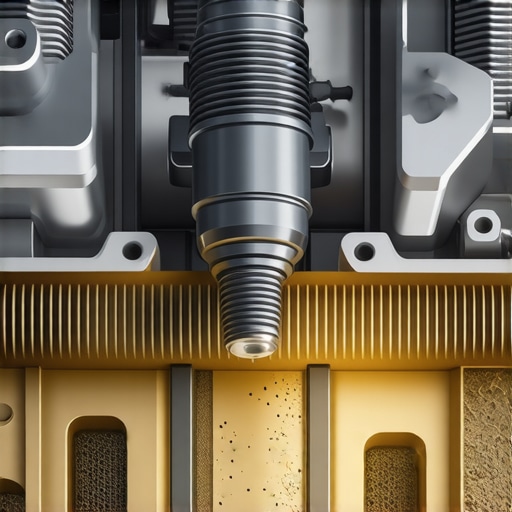
Ever been behind the wheel, feeling that tiny jolt every time you come to a stop, or noticing your engine shuddering when idling? I’ve been there—thinking it was just a rough day for my car, until one morning, it wouldn’t start smoothly at all. That lightbulb moment when I realized something was off was almost embarrassing, but it was also a turning point. Turns out, that murky, sluggish performance was a sign of something more insidious: a dirty fuel injector causing all sorts of chaos beneath the hood.
Why a Dirty Fuel Injector Can Turn Your Idle Into a Rough Ride
The fuel injector is like the tiny chef in your engine’s kitchen—precisely controlling the mixture of fuel and air for combustion. When it gets clogged or dirty, the chef isn’t able to do his job properly. Fuel delivery becomes inconsistent, and bad fuel deposits can block the tiny nozzles, leading to misfires, rough idling, and even stalling. I learned this the hard way when my engine started to sputter during errands. I assumed it was a simple fix, but neglecting the cause could have led to major repairs down the line.
Neglecting this issue doesn’t just lead to an uncomfortable ride; it causes your engine to work harder than it should. Over time, this strain can threaten your vehicle’s overall health, reducing fuel efficiency and causing damage that’s costlier to repair. Regularly maintaining your fuel system is essential. Once I found out that several common auto issues—like hesitation during acceleration or increased fuel consumption—could trace back to a dirty fuel injector, I started paying more attention to my maintenance routines. For more insights on keeping your vehicle running smoothly, visit this comprehensive guide.
Now, I want to share how you can diagnose and fix this sneaky problem before it turns into a costly headache. Trust me, catching this early can save you a lot of money and stress.
Will Flushing the Fuel System Fix the Problem?
Many folks, including myself early on, make the mistake of thinking a quick fuel system cleaner will solve the problem. While additives might help in minor cases, persistent clogs often need a more thorough approach—like professional cleaning or even replacing the injectors. Moving forward, we’ll explore exactly how to tell if your fuel injectors are to blame and what steps to take. Want to avoid unnecessary repairs? Stay tuned for expert tips on diagnosing and resolving this common issue responsibly.
Start with a Visual Inspection of Your Fuel System
Remove the fuel rail to access the injectors, checking for signs of soot, corrosion, or leaks. Use a flashlight for a detailed view. During my own inspection, I found crusty deposits around the nozzles, hinting at clogging. Wear gloves and have a container ready to catch any residual fuel. This initial step helps determine whether cleaning is sufficient or if professional servicing is needed.
Apply a Professional Fuel Injector Cleaner
Use a reputable fuel system cleaning additive designed for direct injection cleaning. Pour the recommended amount into your fuel tank before filling up with premium gasoline. This ensures the cleaner circulates effectively through the injectors. I once added a cleaner during a routine fill-up, which loosened minor deposits, resulting in smoother idling within a few miles. Remember, additives help prevent buildup and improve efficiency, but aren’t substitutes for deep cleaning if clogs are severe.
Use a Ultrasonic Cleaning Method for Deep Removal of Deposits
If deposits are stubborn, remove the injectors and immerse them in an ultrasonic cleaner filled with a specialized cleaning solution. Turn on the ultrasonic device to vibrate and dislodge stubborn grime. I took this step after noticing hesitation during acceleration; post-cleaning, my engine felt more responsive. This professional approach offers a thorough clean, restoring injector performance and fuel efficiency.
Detach and Prepare the Injectors Carefully
Disconnect electrical connectors and fuel lines, noting their positions for reassembly. Use appropriate tools to prevent damage. During my first attempt, I accidentally cracked a clip, highlighting the importance of caution. Label parts if necessary. Proper detachment prevents costly repairs and ensures a successful cleaning process.
Reinstall and Test the System
Reattach injectors securely, reconnect electrical connectors, and verify no leaks. Start the engine and observe for irregular idling or warnings. I ran the engine for about 15 minutes, noticing a marked decrease in roughness. This confirms the cleaning’s success and restores smooth fuel delivery.
Complement with Regular Maintenance
Schedule routine fuel system checks annually or driven mileage milestones. Consider replacing fuel filters periodically, as clogged filters can diminish injector lifespan. For comprehensive insights on extending your vehicle’s longevity, visit this essential guide. Consistent maintenance prevents buildup and maintains optimal engine performance. Remember, a clean fuel injector is vital for smooth acceleration, better fuel economy, and reduced emissions.
Many vehicle owners assume that basic maintenance routines cover all the nuances needed for long-term reliability. However, there’s a common misconception that makes people overlook subtle yet critical details that could save them money and prevent breakdowns.
What Everyone Gets Wrong About Car Service and Auto Repair
One widespread myth is that routine oil changes and tire rotations are enough to keep a vehicle in optimal condition. While these are essential, they often mask deeper issues like transmission or brake system problems that aren’t immediately visible. For example, neglecting early signs of brake fluid degradation can lead to rotor warping or even brake failure. This is why understanding the intricacies of components like transmission fluid or brake systems can make a significant difference. Experts warn that ignoring minor symptoms—such as a slight delay during shifting or a faint squeal when braking—can escalate into costly repairs. For advanced insights into maintaining specific systems, check out these transmission tips or how to extend brake pad life.
Are You Falling for the Safety Blanket of Routine Checks?
Many assume that sticking to manufacturer-recommended service intervals guarantees safety and performance. Yet, this approach often misses situational nuances like driving habits, climate effects, or aftermarket modifications. For example, harsh winter conditions can accelerate corrosion in the suspension or brake lines if not properly inspected. Vehicle diagnostics today can identify hidden issues before they manifest physically. According to a study published in Automotive Engineering Magazine, proactive diagnostics improve vehicle lifespan by up to 30%. Regularly consulting expert guides such as this comprehensive maintenance checklist can help you avoid the trap of reactive repairs.
Additionally, many drivers aren’t aware of the specific dangers associated with neglecting transmission or brake system nuances. A worn-out clutch plate or a subtly cracked brake caliper can compromise safety but often evade detection until it’s too late. Hardware like sensors and fluid quality matters more than most realize, and diagnosing these requires more than just a visual inspection. For detailed diagnostics, consider consulting a professional or engaging with trusted resources that delve deep into these systems.
What Advanced Warning Signs of Subtle Faults Should You Never Ignore?
Listening closely to your vehicle during operation can reveal clues of issues lurking beneath the surface, such as a slight hesitation when accelerating or a persistent smell of burnt rubber. These signs often precede major failures, providing an opportunity for early intervention. For instance, a gradual increase in braking distance could indicate caliper sticking or brake fluid boiling—problems that can be addressed if caught early. Regularly educating yourself on these signs can prevent expensive emergency repairs. Remember, continuous learning about your car’s nuanced behavior, supported by expert resources, is key to maintaining safety and reliability. For further guidance on diagnosing complex issues, explore this guide on common auto issues.
Keeping It Working: Tools I Recommend for Auto Maintenance
Maintaining your vehicle over time requires not just knowledge but also the right equipment. Personally, I swear by a high-quality scan tool like the Autel MaxiSYS series—it provides comprehensive diagnostics, allowing me to quickly pinpoint issues like transmission slip or brake system faults without guesswork. Investing in a reliable code reader can save hours during troubleshooting and prevent unnecessary trips to the mechanic. For brake services, I recommend a precision micrometer to measure rotor thickness accurately, ensuring your brakes are within safety specifications. This small investment has helped me time and again to avoid premature replacements and maintain optimal stopping power.
When dealing with transmission maintenance, I rely on an ultrasonic cleaner for parts like solenoids and valves. This method vibrates away stubborn grime, restoring fluid flow and prolonging component lifespan. As a pro tip, always use a digital multimeter with a thermal probe when checking sensors; temperature fluctuations can mislead less precise tools, leading to misdiagnoses. For comprehensive at-home diagnostics, this guide offers excellent insights into extending your vehicle’s longevity.
Looking ahead, I believe the trend in auto maintenance is shifting towards integrated software solutions. Emerging IoT-enabled devices will soon provide real-time alerts for vehicle health, predicting issues before they escalate. This proactive approach will revolutionize how we care for our cars, moving from reactive repairs to preventive maintenance.
How do I maintain auto systems over time?
Consistent use of diagnostic tools and proper cleaning methods are key. For instance, regularly using a professional-grade ultrasonic cleaner on injectors or sensors can prevent clogs that lead to engine roughness or transmission slipping. Additionally, schedule routine inspections with a trusted mechanic who has experience with electronic diagnostics; software updates and calibration are often necessary to keep your vehicle running smoothly. Remember, integrating technology like a dedicated OBD-II scanner unlocks detailed insights that are invaluable for long-term health. Try using an ultrasonic cleaner on your fuel injectors this month to see immediate improvements in responsiveness, just like I did during my last service—it’s a game-changer! For more advanced techniques, explore this dedicated guide.
What I Wish I Knew Before Ignoring Small Signs
One of the most eye-opening lessons I learned was that seemingly minor issues, like a faint squeal or slight delay during acceleration, often point to deeper problems like fuel injector clogs or transmission wear. Ignoring these subtle cues can turn minor inconveniences into costly repairs, so paying attention early on is key. I also discovered that regular inspections and proactive maintenance, such as using ultrasonic cleaning for injectors, can extend your vehicle’s lifespan significantly—saving both money and stress. This experience taught me that knowledge and vigilance in auto care empower you to catch problems before they escalate, making you more confident behind the wheel.
Tools and Resources That Changed How I Maintain My Car
Equipping myself with a high-quality scan tool like the Autel MaxiSYS series revolutionized my troubleshooting process. It provides detailed diagnostics that help me understand issues without guesswork. I also rely on an ultrasonic cleaner for deep cleaning fuel injectors, which I trust because it restores performance much more effectively than additives alone. For keeping my brakes in top shape, a precision micrometer ensures I monitor rotor thickness accurately, preventing premature replacements. Lastly, staying informed through comprehensive guides, such as the one on this site, keeps me ahead in vehicle maintenance. These tools and resources have made auto care approachable, even for a non-professional like me.
Embrace the Journey to Better Car Maintenance
The future of auto care is exciting and full of promise. With advancements like real-time diagnostics and IoT-connected devices, proactive vehicle health monitoring is becoming more accessible. I encourage you to start integrating these technologies into your routine—simple steps like regular ultrasonic cleaning and diligent inspections can dramatically improve your vehicle’s reliability. Remember, taking ownership of your auto maintenance not only saves you money but also enhances safety and driving enjoyment. So, why wait? Begin today and experience the confidence that comes with knowing your car is in good hands—yours. What’s the first step you’re ready to take toward more mindful auto care?