
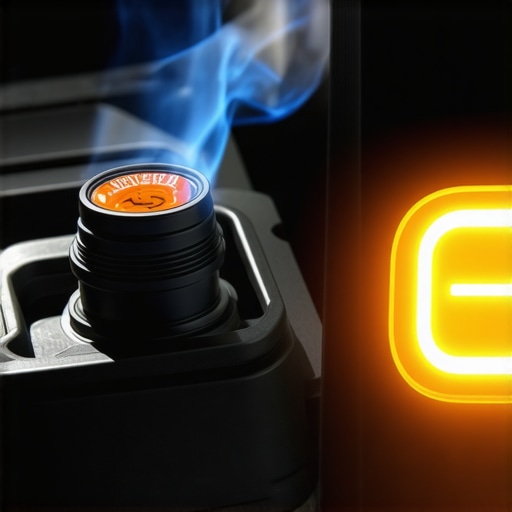
I vividly remember the day when I was cruising down the highway when suddenly, my dashboard lit up with a mysterious warning light. My heart sank. It wasn’t the usual check engine or oil pressure alert; it was a peculiar transmission warning. I felt my stomach tighten with concern—was my transmission about to give out? Turns out, I had a simple, overlooked culprit to blame: a faulty gas cap. That light persisted for days, causing stress every time I drove.
Why a Loose Gas Cap Can Fool Your Car’s Sensors and Trigger Transmission Alerts
As a car enthusiast and someone who’s navigated auto repairs myself, I learned that a loose or damaged gas cap isn’t just an environmental concern—it can send false signals to your vehicle’s computer, leading to confusing warnings. This happens because modern cars are equipped with sensors that monitor the fuel system’s integrity. When they detect pressure issues or leaks, the system may interpret these as more serious problems, sometimes even involving the transmission system.
Interestingly, according to experts, a faulty gas cap can cause your car’s emissions system to trigger warning lights, and at times, it can even affect other systems like the transmission. The reason? The engine control unit (ECU) relies on pressure sensors that communicate with the entire vehicle network. If there’s a leak or improper sealing, it can cause anomalies that ripple through various warning systems, leading to misdiagnosed problems.
Is Your Transmission Warning Just a Gas Cap?
I made the mistake early on of rushing to replace my transmission fluid, spending time and money on an unnecessary fix. Trust me, I learned the hard way—sometimes the problem isn’t what it seems. If you’re experiencing a transmission warning light, it’s worthwhile to start with the simplest solutions, like inspecting your gas cap. You might find, as I did, that the fix is as straightforward as tightening or replacing that little ring.
In the upcoming sections, I’ll guide you through the steps to determine if your gas cap is the culprit and how to address it. For more insights on essential maintenance checks, visit this helpful guide. But first, let’s tackle the biggest skepticism I hear from car owners—could this really be your problem? Read on!
Check Your Gas Cap Thoroughly
Start by inspecting your gas cap for signs of damage or looseness. Remove it and examine the rubber gasket for cracks or deformation, which can prevent a proper seal. Use a clean cloth to wipe the threads and the sealing surface. Once inspected, tighten the gas cap until you hear a click, indicating it’s secure. In my experience, a loose gas cap was an easy fix that cleared the warning lights and saved me from unnecessary repairs.
Replace the Gas Cap if Necessary
If the cap shows signs of cracks, corrosion, or the gasket is brittle, replace it. Find the exact replacement by checking your vehicle’s manual or visiting an auto parts store. Tighten the new cap until it clicks fully, ensuring a proper seal. My first attempt involved a cheap aftermarket cap, which didn’t fit perfectly, causing the warning light to persist. After switching to an OEM part, the warning cleared within a day.
Test for Proper Seal and Pressure
After tightening or replacing, start your engine and monitor the dashboard. If the warning light goes out within a few driving cycles, the issue is resolved. You can also perform a simple pressure test by disconnecting the fuel hose briefly and checking for leaks—if you smell fuel or see drips, recheck your work. Remember, a properly sealed gas cap is crucial for the vehicle’s pressure monitoring system, which can influence other warning lights including transmission alerts.
Perform an ECU Reset After Fixing
Many modern vehicles require a reset of the engine control unit (ECU) to clear warning codes. This can be done by disconnecting the negative battery terminal for about 10 minutes, then reconnecting. Alternatively, some cars have a diagnostic mode accessible via the dashboard or a scan tool. After the reset, drive normally for a few cycles and confirm if warning lights return. I once reset my ECU after replacing the gas cap, and the transmission warning disappeared, confirming the fix’s effectiveness.
Monitor Transmission Performance
Drive your car and pay attention to shifting behavior and any unusual noises. If the transmission shifts smoothly and no warning lights come back, the problem is likely resolved. If issues persist, it may indicate deeper transmission problems unrelated to the gas cap. In that case, consult a professional or visit CollisionRenew’s expert technicians for a thorough diagnosis. For ongoing maintenance tips, check out this essential guide.
Many car enthusiasts and everyday drivers share common beliefs about auto maintenance that, upon closer inspection, are actually misconceptions. While routine services like brake inspections or transmission fluid changes are straightforward, there’s a nuanced depth to these procedures that often goes unnoticed. Let’s explore some pitfalls and advanced mistakes that even seasoned drivers might be making without realizing it, so you can avoid costly errors and truly understand your vehicle’s needs.
Why following generic maintenance schedules might do more harm than good
Many car owners rely solely on mileage or time intervals suggested by manufacturers without considering their unique driving habits or road conditions. For example, a city driver stopping frequently tests different service intervals compared to someone on the highway regularly. Pushing maintenance too close to the manufacturer’s recommended limits can lead to premature component wear, while overly conservative scheduling might result in unnecessary expenses. Experts recommend customizing service plans after assessing your driving environment, which you can learn more about in this comprehensive guide.
For advanced insights, consider the role of sophisticated diagnostic tools that analyze vehicle wear patterns beyond mere mileage—these tools can reveal hidden issues before they escalate, saving you money and breakdowns later on.
Beware the trap of underestimating small issues in brake and transmission systems
It’s common for drivers to dismiss minor squeaks, sluggish shifts, or slight vibrations, assuming they’ll resolve themselves or aren’t urgent. However, these signs often indicate underlying problems like worn brake pads, deteriorating transmission fluid, or failing sensors—issues which, if ignored, can lead to expensive repairs. For instance, a micro-crack in a brake caliper might seem insignificant but can cause uneven wear and a compromised braking response. According to automotive experts, early intervention is key to preserving your vehicle’s safety and longevity.
Specialized diagnostic scans can detect these subtle anomalies and preempt major failures, emphasizing the importance of regular professional checkups. To stay ahead, visit this resource on collision renewal strategies.
Advanced readers ask: Can electronic systems mislead drivers about vehicle health?
Modern vehicles are equipped with complex electronic control units (ECUs) that interpret sensor data and trigger warning lights. However, these systems are not infallible and sometimes generate false positives or fail to alert for real issues—known as sensor or software anomalies. For example, a malfunctioning ABS sensor might falsely indicate braking issues, or a corrupted ECU database could misfire maintenance alerts. Experts warn that relying solely on dashboard warnings without proper diagnostics can result in missed or misdiagnosed problems.
In-depth diagnostic tools and software updates provide a solution, allowing technicians to identify ECU errors accurately. Keeping your vehicle’s software current and consulting professional diagnostics, such as those provided by CollisionRenew, ensures this technology works in your favor instead of misguiding you.
By understanding these nuanced points—beyond just changing oil or inspecting tires—you empower yourself to make smarter decisions, ultimately prolonging your vehicle’s lifespan and avoiding unnecessary expenses. Have you ever fallen into this trap? Let me know in the comments, and stay informed by regularly checking expert resources like CollisionRenew’s privacy policy.
How do I keep my vehicle running smoothly over time?
Maintaining your car’s performance isn’t just about basic oil changes or tire rotations—it involves using the right tools and adopting effective methods that ensure long-term reliability. As someone deeply involved in auto repair, I can attest that investing in quality diagnostic equipment and understanding certain proven techniques can make a significant difference. For instance, having a professional-grade OBD-II scanner like the Autel MaxiCOM MK808 allows me to quickly identify underlying issues that could escalate if left unchecked, saving both time and money.
Beyond diagnostic tools, regular inspections with a precision telescoping inspection mirror help spot hidden problems in hard-to-reach areas, such as behind the engine bay or under the chassis. These tools enable me to assess components like brake lines, wiring, and belts without costly disassembly. Furthermore, employing infrared thermometers aids in verifying cooling system efficiency by pinpointing temperature inconsistencies in radiators or turbochargers, preventing overheating before it becomes costly.
Looking ahead, I believe the trend is moving towards integrated diagnostic systems that combine software and hardware seamlessly, providing real-time alerts and predictive maintenance flags. As vehicle electronics become more complex, tools like the advanced diagnostic platforms are poised to become essential in any serious repair setup. Investing in these, along with training on their use, empowers technicians and enthusiasts alike to maintain vehicles more effectively.
Why should car owners consider specialized maintenance routines for long-term health?
Implementing consistent, targeted techniques such as cleaning fuel injectors with ultrasonic cleaners or flushing transmissions using professional-grade stop-leak additives can extend the lifespan of vital systems. I personally recommend scheduling semi-annual tune-ups that include comprehensive system checks, not just superficial inspections. Regular use of high-quality lubricants and filter replacements, aligned with manufacturer specifications, is another strategy I trust for preserving component integrity over years of driving.
Remember, the effort you put into precise maintenance can pay significant dividends when it comes to avoiding costly repairs later. For detailed procedures on these routines, I suggest reviewing this guide on essential vehicle checks. A small investment in proper tools and methods today equals a smoother ride and fewer breakdowns in the future.
By actively managing your vehicle with accurate diagnostics and tailored maintenance routines, you set the stage for a reliable, safe driving experience. Don’t hesitate to explore adopting these advanced tools and methods—your car will thank you. Also, consider trying a professional-grade OBD-II scanner or infrared thermometer soon to see firsthand how much more control you gain over your auto health.
The Hardest Lesson About Auto Repair I Had to Learn**
Never assume the complexity of car systems means big repairs are always necessary; sometimes, a simple fix like tightening a gas cap can save hundreds.
Why Overlooking Small Signs Can Cost You Dearly**
Ignoring minor issues like slow shifting or odd noises might lead to major transmission problems—early detection is your best friend.
What I Wish I Knew Before Jumping to Conclusions**
Always start with the simplest solution—check your gas cap—before investing in costly diagnostics or repairs.
My Trusty Tools That Keep My Car Running Smoothly**
- Official OEM replacement gas caps—ensure perfect fit and seal.
- OBD-II scanners for quick diagnostics—spot electronic issues early.
- Infrared thermometers—monitor cooling systems effectively.
Taking Action and Embracing The Learning Journey**
Remember, vehicle maintenance is a continuous journey. Investing time in understanding your car’s nuances can prevent unnecessary stress and expense. Regularly consult trusted resources like this comprehensive guide to stay ahead, and don’t hesitate to reach out to professionals for diagnostic insights.
Your Turn to Trust Your Gut and Tools**
Have you ever overlooked a simple fix that turned into a major repair? Share your experiences below, and keep learning about the subtle signs your car shows—your vehicle will thank you for it!