

Ever been cruising down the highway when suddenly, your check engine light blinks on just as you press the gas pedal a little harder? That jarring flicker can feel like a red flag waving in the wind—jolting and a bit nerve-wracking. I remember the first time it happened to me during a morning commute. It was a moment of panic mixed with frustration because I had no idea what triggered that blinking warning light. I pulled over, checked my dashboard, and wondered: Is this a serious problem? Will I need an expensive repair? And most importantly, why does it only happen when I accelerate?
The real reason behind that blinking light when you press the gas
After some digging and personal trial and error, I discovered that many drivers face this exact issue—your check engine light blinks only during acceleration, hinting at a specific underlying problem. The mystery isn’t just yours; it’s a common pattern that points toward issues like misfiring cylinders, faulty sensors, or fuel system problems. What’s crucial is understanding why this occurs and knowing how to address it before small issues turn into costly repairs. I’ve seen firsthand how resolving this can save you money and prevent roadside breakdowns. If you’re tired of the never-ending guessing game, stay tuned. I’ll walk you through the main causes and, more importantly, how to fix them. Want to know the secret to diagnosing and solving this problem? You’re in the right place.
Is this blinking check engine light actually worth the hype?
Early on, I made the mistake of ignoring intermittent blinking lights, thinking they’d go away or aren’t that urgent. Turns out, ignoring them was a mistake. According to automotive experts, a blinking check engine light often indicates a serious engine misfire that can damage your catalytic converter if left unchecked—an expensive fix that nobody wants. This experience taught me that such warning signs should never be taken lightly. Recognizing the signals early can prevent costly repairs down the line. If you’ve ever had that moment of uncertainty, wondering whether to keep driving or get it checked immediately, you’re not alone. We’ll cover how to tell if your issue is benign or urgent, and what steps to take next.
Pull Over Safely and Gather Equipment
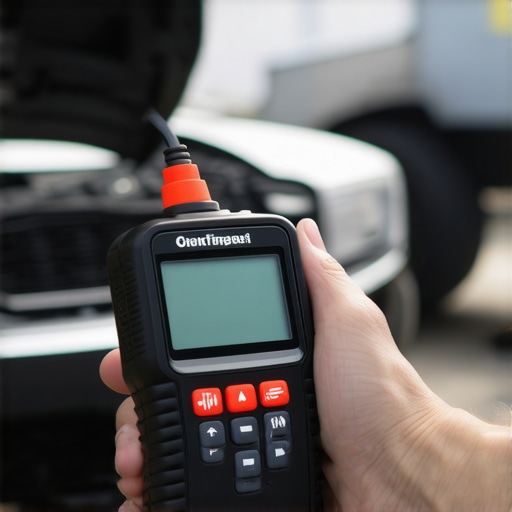
When the check engine light blinks during acceleration, the first step is to pull over safely and turn off the engine to prevent further damage. Use a diagnostic scanner to read the error codes. I personally keep a basic OBD-II scanner in my glove compartment—it’s like a doctor’s stethoscope for your car, allowing you to diagnose issues quickly and accurately. If you don’t have one, many auto parts stores offer free code readings.
Interpret the Error Codes and Identify Issues
Once you’ve retrieved the codes, look them up online or consult a repair guide. Common codes like P0300 indicate misfiring cylinders, which aligns with the blinking light during acceleration. Think of misfires as your engine’s way of coughing—caused by faulty spark plugs, coils, or fuel injectors. For instance, I once read a code indicating a cylinder misfire caused by a worn spark plug. Replacing it immediately restored smooth acceleration.
Inspect and Replace Faulty Components
Check spark plugs, wires, and coils for wear or damage. If they’re old or showing signs of corrosion, replace them to eliminate misfires. Similarly, inspect fuel injectors for clogging or malfunction. Cleaning or replacing these parts is akin to clearing a clogged artery—restoring proper flow. In my experience, replacing a faulty coil fixed a persistent misfire that caused the blinking light during hard acceleration.
Check Sensors and Vacuum Lines
Faulty mass airflow (MAF) sensors or vacuum leaks can cause improper air-fuel mixture, leading to misfires under load. Use your scanner to see real-time sensor data. If readings are abnormal, cleaning or replacing sensors may be necessary. I once fixed an issue by cleaning the MAF sensor—the engine ran smoother, and the light stopped blinking.
Address Fuel System Problems
If codes point toward fuel delivery issues, consider replacing the fuel filter or cleaning fuel injectors. A clogged fuel filter is like a clogged drain—restricting flow and causing performance issues. I recall replacing a clogged fuel filter in my car, which immediately improved acceleration and turned off the blinking warning.
Clear Error Codes and Test Drive
After repairs, use the scanner to clear codes. Then, take the car for a test drive to verify that the light stays off during acceleration. If the light returns, recheck error codes and components. Remember, persistent blinking indicates an ongoing problem that needs addressing. For complex issues or if you’re unsure, consider visiting a trusted service provider. Regular vehicle maintenance, like checking the cooling system or transmission, can help prevent such problems—learn more at this comprehensive guide.
 Many car owners operate under misconceptions about vital aspects like transmissions, braking, and service intervals, which can lead to costly mistakes. A common myth is that untreated transmission fluid lasts forever; however, experts, such as those at CollisionRenew, emphasize that lifetime fluid often fails prematurely, causing wear and shuddering. This misconception can trap owners into neglecting regular fluid changes, risking expensive repairs. Additionally, many believe all brake pads squeal when worn—yet high-quality pads are designed to minimize noise, and squealing often indicates issues like glazed pads or caliper problems, which require proper inspection instead of dismissive assumptions. Never overlook the importance of precise diagnostics—mislabeling a transmission slip as a minor issue often results in the damage spreading or worsening.
Why do some transmission repairs last longer than others, despite similar symptoms?
Advocates at CollisionRenew recommend focusing on the quality of the parts and adherence to proper service protocols. Using substandard fluids or skipping the flush can cause transmission failure within a few months, even if initial repairs seem successful. Moreover, many underestimate the relevance of subtle signs like delayed shifts or odd noises, thinking they’re minor nuisances, but experts suggest these are early alarms—ignoring them often leads to complete transmission breakdown. Regularly scheduled inspections and honest diagnostics build the foundation for long-term reliability. CollisionRenew’s strategies illustrate how proactive care extends vehicle lifespan and saves money over time. This highlights the importance of not just addressing symptoms but understanding the intricacies behind auto system failures. A mistake many make is dismissing small anomalies as inconsequential when, in reality, they’re the cracks in your car’s armor that could lead to catastrophic failures if ignored. I’ve seen countless cases where early intervention prevented complete transmission replacement, proving that being attentive pays off. Pay special attention to the nuances—like slight hard shifts or delays during gear engagement—as they can be predictive of larger issues ahead. Remember, thorough diagnostics and choosing the right service plan are your best tools against premature wear. If you’re curious about comprehensive maintenance tactics that truly protect your car’s core systems, this guide offers actionable insights. Have you ever fallen into this trap? Let me know in the comments.
Keep Your Vehicle Running Smoothly with the Right Tools
Maintaining your car over time doesn’t have to be a guessing game. Equipping yourself with specific, proven tools can make all the difference in diagnosing issues early and preventing costly repairs. One of my most trusted gadgets is a high-quality OBD-II scanner that I selected based on its ability to provide real-time data and clear code definitions. I personally use the CarScan Pro because of its ease of use and compatibility with my smartphone, allowing me instant access to engine codes and live sensor readings. This tool has helped me identify problems before they escalate, saving hundreds in repair costs and downtime.
Another vital asset in my toolkit is a digital multimeter. I prefer a model with auto-ranging capabilities and data hold functions, like the Fluke 117. It’s invaluable for testing sensors, alternators, or other electrical components, ensuring everything operates within specification. Combining these tools with a detailed repair manual—I swear by the Auto Repair Guide—provides a comprehensive approach to auto maintenance at home.
Effective maintenance also involves regular software updates for your vehicle’s onboard computers. Many modern cars allow firmware updates via manufacturer portals or authorized workshops, ensuring your vehicle benefits from the latest diagnostics and performance improvements. Planning routine inspections, such as fluid changes and belt replacements, with the help of these tools keeps your vehicle dependable and prolongs its lifespan. Future trends point toward smarter diagnostic tools integrated with AI to predict failures before symptoms appear, making proactive vehicle care more accessible than ever.
How do I maintain my car’s health over time?
The secret to long-term vehicle reliability lies in consistent, early intervention. Regularly scanning for error codes—even when your dashboard shows no warning—can prevent minor issues from blossoming into major problems. Remember, tools like your OBD-II scanner and multimeter are not just for emergencies; use them routinely to get a pulse on your car’s health. Additionally, adhering to scheduled maintenance, such as transmission fluid changes and brake inspections, as outlined in this strategy guide, is vital.
Imagine catching a slipping sensor early, thanks to real-time data and simple diagnostics—you’ll save yourself a lot of hassle and expense. I challenge you to try one of these advanced techniques today: connect your OBD-II scanner and check the live data while gently revving your engine. You’ll be surprised by what you learn about your vehicle’s condition and how quickly you can address arising issues before they turn into breakdowns.
This Car Taught Me More Than Any Manual Ever Could
One of the most valuable lessons I learned from working on vehicles is the importance of paying close attention to the subtle signs your car gives. Often, it’s the little quirks—like that blinking check engine light only when accelerating—that reveal deeper issues. Recognizing these patterns early and trusting your intuition can save you time and money. For example, I once ignored a blinking light, assuming it was a minor glitch, only to find out later it had caused significant damage to my catalytic converter. This experience reinforced that a vigilant driver is also a good mechanic, capable of preventing costly repairs by catching problems at their inception.
My Tools Are More Than Gadgets—They’re My Auto Detectives
Over the years, I’ve curated a set of core tools that have become my trusted allies in vehicle diagnostics. My favorite is a reliable OBD-II scanner like the CarScan Pro; it offers real-time data that helps me understand exactly what my car is telling me. Pairing it with a quality digital multimeter such as the Fluke 117 allows me to test sensors and electrical connections confidently. Investing in these tools didn’t just improve my ability to diagnose issues; it empowered me to maintain my vehicle proactively, avoiding surprises along the way.
Take Control—Your Car’s Health Is In Your Hands
The future of auto care isn’t just in the shop; it begins with you. Regularly scanning your vehicle, even when no warning lights are shining, keeps your finger on the pulse of your car’s health. Simple actions like checking error codes or inspecting components based on the data you gather can prevent small hiccups from becoming major breakdowns. Embracing this proactive mindset ensures your vehicle remains reliable, extends its lifespan, and makes every drive safer and more enjoyable. Remember, no one cares about your car as much as you do, so get comfortable with these tools and make auto maintenance a part of your routine. For in-depth guidance on maintaining your vehicle’s core systems, visit CollisionRenew’s strategic approach and start taking charge today.