
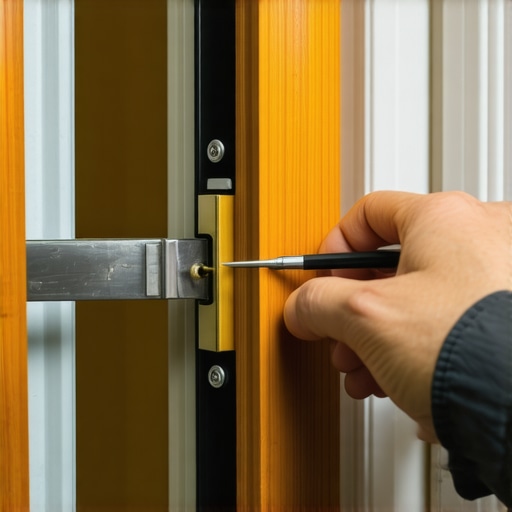
Ever had that frustrating moment when your car door refuses to click shut properly? You’re standing there, door handle in hand, wondering why the latch just won’t cooperate, and suddenly your patience wears thin. I remember the first time this happened to me—after a long day, trying to close my car door, only to hear that disappointing pop-back open. It felt like the vehicle was playing a cruel joke.
That lightbulb moment made me realize: sometimes, these issues aren’t just inconvenient—they can compromise your vehicle’s safety and security. If your door latches aren’t clicking into place, you’re not alone, and there’s often a simple fix that doesn’t require a full replacement.
In today’s post, I’m going to walk you through how Collisionrenew approaches realigning stubborn door latches that refuse to cooperate, saving you time and money. Whether you’re a seasoned car enthusiast or just someone tired of that annoying door squeak, understanding this process can empower you to handle minor repairs confidently.
Why Door Latches Misalign and How to Recognize the Problem
Door latch misalignment can stem from various causes—minor impacts, wear and tear, or even temperature fluctuations that cause metal components to expand or contract. When these latches aren’t aligned correctly, you’ll notice the door either doesn’t close firmly, makes a clicking noise without securing, or requires extra force to latch.
But here’s a critical point: ignoring this issue can lead to more serious problems down the line, like door panels getting damaged or worse, safety hazards while driving. Recognizing early signs of latch misalignment is key.
It’s worth mentioning that some folks mistakenly try to force the door shut, which can actually worsen the problem. Instead, understanding the root cause and applying the right realignment technique is your best bet. For those curious to learn more about effective auto repair strategies, our comprehensive guide at The Ultimate Guide to Auto Repair offers valuable insights.
Have you experienced that annoying door latch that just won’t click? If so, stay tuned—next, I’ll reveal how Collisionrenew carefully realigns these components to restore proper function and peace of mind. Ready to tackle your car repair head-on? Let’s dive in and make those stubborn latches behave.
Gather Your Tools and Prepare the Work Area
Start by collecting essential tools: a flat-head screwdriver, a socket wrench set, and a flashlight. Park your vehicle on a flat surface, turn off the engine, and open the door you plan to fix. Clear the surrounding area to ensure safety and ease of access. Remember, safety first—wear gloves if needed to protect your hands during the process.
Remove the Door Panel Carefully
Locate the screws securing the door panel, usually around the armrest and handle. Use the screwdriver to remove these screws, then gently pry the panel away from the door frame using a plastic trim removal tool to avoid damage. Disconnect any electrical connectors if your door has power windows or locks. During a repair I did once, I found that a stubborn clip broke, so having a few replacements on hand can save time.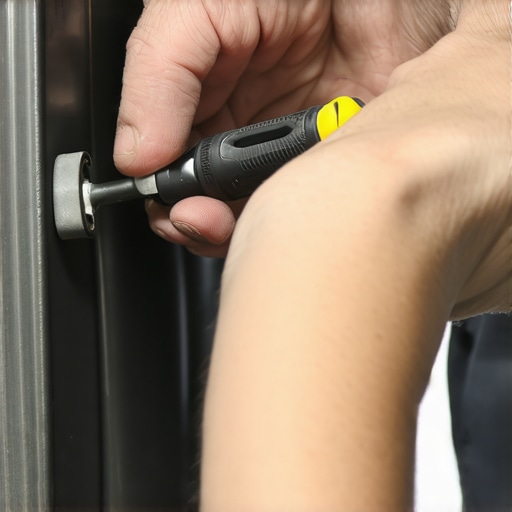
Inspect the Latch Mechanism Thoroughly
With the panel removed, locate the door latch assembly. Use your flashlight to examine it for signs of misalignment, debris, or wear. Move the latch by hand to check if it swings freely. I once noticed that dirt had accumulated around the latch, causing it to stick. Cleaning it with a rag and some lubricant improved its function significantly. Make sure the latch aligns properly with the striker plate on the door frame.
Realign the Latch Components Accurately
Loosen the mounting bolts of the latch slightly with your socket wrench, then gently adjust its position until it lines up perfectly with the striker plate—think of it as fine-tuning a door hinge. Tighten the bolts gradually while ensuring the latch clicks firmly when engaged. During my last fix, I used a wooden dowel to softly tap the latch into perfect alignment, which prevented over-adjustment. Keep checking the latch’s movement as you go.
Test the Door Closure Before Reassembling
Carefully close the door to see if it latches securely without extra force. If it still doesn’t seat properly, repeat the adjustment process. This step is crucial—consider it like fine-tuning a transmission for smooth shifts, where small tweaks deliver big results. If you experience resistance or if the door pops open unexpectedly, revisit the latch adjustment to perfect the alignment.
Reassemble the Door Panel Securely
Reconnect any electrical connectors, then align the panel back onto the door frame. Push gently to snap the clips into place, and reinsert the screws you removed earlier. Double-check that all components are firmly attached and that the door opens and closes seamlessly. Remember, a loose panel can rattle, so take your time during reinstallation.
Optional: Lubricate for Longevity
Apply a silicone-based lubricant to the latch and hinge points to prevent future sticking or misalignment. This simple step is like changing your vehicle’s oil—it keeps everything running smoothly longer. Regular lubrication can save you from repeated adjustments and maintain your car’s safety integrity.
Many car owners believe that auto repair is a straightforward process where following basic instructions suffices. However, as experts at Collisionrenew know, misconceptions often lead to costly mistakes or overlooked issues. For instance, a prevalent myth is that all brake pads wear evenly, but in reality, improper installation or contaminated pads can cause uneven wear, leading to premature replacement and potential safety hazards. This misunderstanding can result in customers paying more for repairs that could have been prevented with proper diagnostics. Moreover, many assume that transmission fluid change is always necessary every 30,000 miles, but recent studies suggest that extended drain intervals, when verified by condition, can optimize transmission longevity, as explained in our detailed guide on long-term transmission care. One trap to watch out for is the notion that DIY repairs are always economical. Sometimes, attempting to fix intricate components like the transmission or collision repairs without proper expertise can worsen the damage, ultimately costing more than professional service. An advanced question car enthusiasts often ponder is: how do minor misalignments in suspension components subtly impact vehicle handling over time? Experts emphasize that even slight deviations can cause uneven tire wear and decreased safety, highlighting the importance of precise realignment, which Collisionrenew specializes in, detailed at restoration strategies. Additionally, avoiding the misconception that all auto repair shops use the same quality parts can save you from future headaches—always verify the parts’ standards and warranties. Regularly scheduled maintenance, such as those outlined in essential care checks, can uncover nuanced issues early, preventing costly breakdowns. Remember, understanding the subtle nuances in car repair enhances both safety and saving. Have you ever fallen into this trap? Let me know in the comments.Maintaining your vehicle’s performance over the long term requires not only understanding your car but also investing in the right tools and adopting effective methods. At Collisionrenew, we’ve honed our approach by selecting equipment that combines precision, durability, and ease of use. One of our go-to tools is the digital torque wrench, which ensures that fasteners—like those on your transmission or brakes—are tightened to exact specifications. This prevents over-tightening that can lead to component stress or under-tightening that risks parts coming loose, both of which compromise safety. I personally prefer the Teng Tools digital torque wrench because it offers presettings for specific torque values, reducing guesswork during repairs.
Another indispensable item is a quality diagnostic scan tool. While a basic code reader can identify engine faults, advanced scan tools like the Autel MaxiSYS MS909 enable us to delve deeper into electronic systems—crucial for modern vehicles with complex ECU networks. These tools assist in diagnosing transmission issues or sensor failures before they escalate, saving time and money. As automotive systems evolve, the trend points toward integrating AI-driven diagnostics, which could revolutionize maintenance protocols in the next decade.
For cleaning and lubrication, I recommend using silicone-based sprays like WD-40 Specialist Silicone Lubricant because they repel water, prevent rust, and reduce wear on moving parts such as door latches or suspension components. Regular lubrication is a key part of our routine, extending the lifespan of vital parts and maintaining optimal function.
When performing long-term maintenance, documenting each step is vital. Using digital repair records with your smartphone or tablet allows you to track parts replaced, tools used, and upcoming service dates, which simplifies scheduling and ensures nothing slips through the cracks. Apps like ShopBoss or ShopWrench have become invaluable in our day-to-day operations.
Looking to the future, the integration of augmented reality (AR) glasses could further change how we approach auto repair, providing immersive overlays of repair instructions directly onto the vehicle. Moreover, predictive maintenance—leveraging vehicle data and machine learning—will make it possible to anticipate issues before they manifest.
How do I keep my tools in top shape over time? Regular calibration of diagnostic equipment and torque wrenches is essential. For instance, manufacturers recommend calibrating torque wrenches annually or after a certain number of uses, which you can often have done at specialized calibration centers. Similarly, keep your diagnostic scanners updated with the latest software versions, as automakers frequently release updates to address new vehicle models and systems. Following these practices ensures your tools deliver accurate results whenever you need them.
A common pitfall is neglecting tool maintenance, which can lead to inaccurate readings or damaged equipment. Make it a habit to clean, inspect, and store your tools properly—using cases or hangers—to prevent corrosion and damage. This habit prolongs the life of your investment and guarantees that your repairs are performed with precision.
The trend heading forward is toward smart tools; some diagnostic devices now wirelessly connect to cloud databases, enabling real-time insights into vehicle health and repair history. As this technology becomes more affordable and widespread, you’ll find maintaining your car’s systems easier and more reliable.
Feel encouraged to try calibrating your torque wrench using a certified calibration kit—it’s a simple yet effective step that can vastly improve repair accuracy. For more on best practices, check out our guide on long-term vehicle reliability. Proper tool maintenance is the backbone of consistent, safe auto repairs, so make it part of your regular routine and watch your vehicle’s performance improve. Curious about the most advanced diagnostic tools? Contact us today to explore cutting-edge options tailored to your needs.
Over the years, I’ve learned that the most successful auto repairs often hinge on the tiniest details. One lesson that stands out is the importance of patience and precision when realigning stubborn door latches. The truth is, a small misadjustment can ripple into bigger safety concerns or costly repairs if ignored. Remember, sometimes the devil is in the details—like ensuring your latch is perfectly aligned with the striker plate, preventing future misfires and ensuring safety.
Another insight I’ve gathered is that investing in quality tools and staying updated with the latest repair techniques can dramatically reduce the frustration and guesswork involved. Using a digital torque wrench or advanced diagnostic tools isn’t just bragging rights—it’s about delivering precision and peace of mind, both for me and my customers. For those eager to elevate their auto repair game, I highly recommend exploring long-term vehicle maintenance tips.
Finally, one of the most profound lessons I’ve embraced is the value of ongoing education. Every vehicle is a new puzzle, and staying curious and informed allows you to uncover subtle issues others might overlook. Whether it’s diagnosing a squeaky door or a complex transmission hiccup, a commitment to learning keeps you ahead of the curve. Just like my journey, your skills in auto repair will evolve with each challenge, making you not only a better mechanic but also a reliable partner for your vehicle’s longevity. Keep pushing your knowledge boundaries and remember, mastery is built one fix at a time. Have you ever noticed a small detail that made a big difference during your repair projects? Share your experience below!