
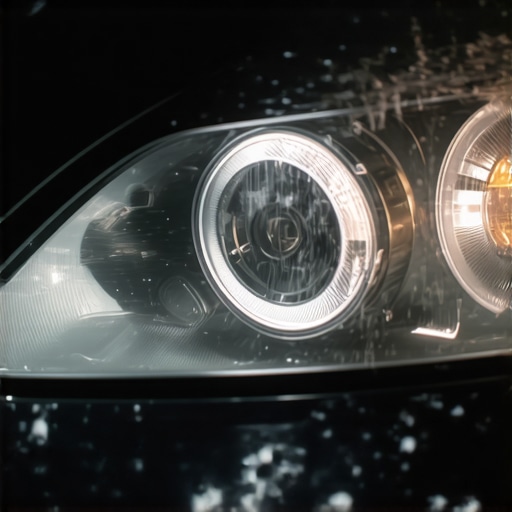
Last winter, I was driving home late at night when suddenly, my headlights seemed dimmer than usual. At first, I thought it was just a dirty lens, but after a quick wipe, the foggy appearance persisted. It was a frustrating moment that made me realize just how much this seemingly small issue can compromise safety. Foggy headlights are more than just an aesthetic problem—they significantly reduce visibility, especially during night and bad weather conditions. If you’ve ever found yourself squinting through a haze of grime on your car’s front lights, you know exactly what I mean.
Why Foggy Headlights Are More Than Just an Eyesore
Headlights are your car’s eyes on the road, guiding you through dark streets and adverse weather. When they become clouded or foggy, their effectiveness drops dramatically. This isn’t just about looks; it’s a safety concern. Reduced illumination can make it harder to see obstacles, pedestrians, or other vehicles, increasing the risk of accidents. According to a study published by the National Highway Traffic Safety Administration, defective or poorly maintained headlights cause thousands of accidents annually. That’s a stark reminder that keeping your headlights clear is essential for safe driving.
Have You Faced This Problem Too?
If your vehicle’s headlights look like they’ve been through a foggy London rain, you’re not alone. I’ve been there, and I want to share how I tackled this annoyance. early on, I made the mistake of ignoring that dull, cloudy haze, assuming it was something I could fix with just polishing. But I learned the hard way that DIY methods can sometimes do more harm than good, especially if you’re not familiar with the correct restoration techniques. It’s crucial to know that professional solutions like Collisionrenew’s headlight restoration can make a real difference. Wait—are foggy headlights really worth the hassle, or is there a more effective way? That’s what we’re going to find out.
Remove the Headlight Cover Carefully
Start by parking your vehicle in a shaded area to prevent the polish from drying too quickly. Use painter’s tape around the headlights to protect the surrounding paint. Gently clean the surface with soap and water to remove loose dirt and debris. This prevents scratching during the restoration process. I once skipped this step and ended up with tiny scratches that took longer to buff out.
Sand the Surface to Eliminate Roughness
Use Fine-Grit Sandpaper
Wet a piece of 2000-grit sandpaper and gently sand the headlight lens in a horizontal motion. Keep the surface damp to minimize scratching. The goal is to remove the foggy layer without damaging the plastic underneath. I once rushed through this step using rougher grit, which caused more fogging—it’s worth taking your time.
Increase Grit Gradually
For a smoother finish, switch to 3000-grit sandpaper and repeat the process, this time in a vertical motion. This double-direction sanding ensures a uniform, clear surface. Remember, wet sanding is crucial; dry sanding can cause permanent scratches.
Polish the Headlight for Clarity
Apply a plastic polish or a dedicated headlight restoration compound to a microfiber cloth. Rub it in circular motions to buff out microscopic scratches and restore clarity. I learned that skipping polish left me with hazy headlights again within weeks, so don’t skip this step.
Seal and Protect the Lens
Use a UV-resistant sealant or clear coat designed for plastic. Spray or apply with a cloth, following the product instructions. This protects against UV damage that causes fogging over time. I recommend doing this to extend the clarity of your headlights and save future restoration efforts.
Test and Final Inspection
After the sealant dries, remove the painter’s tape and clean the headlights with a soft cloth. Turn on your headlights to check the difference. You should notice a significant increase in brightness and clarity. If not, repeat the polishing and sealing steps. Remember, patience during each phase yields the best results.
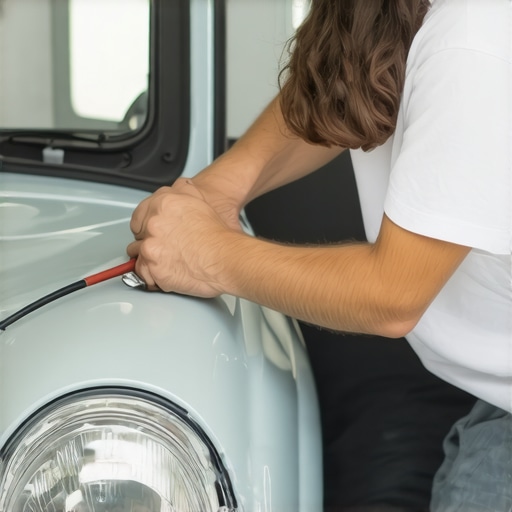
Illustration of the headlight restoration process showing sanding, polishing, and sealing techniques.
Many car owners believe that sticking to the basics is enough to keep their vehicles running smoothly, but in my experience, there’s a lot more nuance involved, especially when it comes to maintenance like brake service, transmission care, and general auto repair. One widespread misconception is that all brake pads wear out at the same rate, leading drivers to delay replacements or ignore signs of uneven wear. However, factors like driving habits, vehicle load, and even the type of brake pads can significantly influence wear patterns. Relying solely on mileage intervals without inspecting the actual brake components can be a costly mistake, as uneven brake wear can lead to increased stopping distances and damage to rotors, which might necessitate more extensive (and expensive) repairs. For instance, a study highlighted by the National Institute for Automotive Service Excellence emphasizes the importance of regular visual inspections over arbitrary timeframes to ensure safety and longevity of braking systems.
Another critical misconception revolves around transmission maintenance. Many assume that just changing transmission fluid whenever the car’s manual suggests is sufficient. But in reality, transmission systems are delicate, and neglecting other vital aspects—like checking for leaks, listening for unusual noises, or monitoring shifting behavior—can cause severe damage. Advanced diagnostics can reveal issues before they escalate, saving money and preventing breakdowns. Additionally, some believe that auto repairs should always be handled with generic replacement parts, but quality matters. Using OEM or high-quality aftermarket components ensures better performance and longer-lasting fixes.
What about collision renew and collision repair processes? A common myth is that structural repairs are purely cosmetic. In truth, damage to a vehicle’s frame or unibody can compromise safety, handling, and durability. Skilled repair professionals understand that restoring the structural integrity is paramount, and shortcuts can lead to costly consequences down the line. Proper realignment and reinforcement are essential for years of reliable driving.
For those interested in investment and vehicle longevity, knowing the nuances of car service—like the importance of thorough inspections, choosing quality parts, and understanding advanced diagnostics—can make all the difference. Regularly consulting expert guides, such as Collisionrenew’s comprehensive resources, helps avoid surprises and keeps your car performing optimally. Have you ever fallen into this trap? Let me know in the comments, and remember, a little extra knowledge today can save you a lot of money tomorrow.Maintaining your vehicle’s performance over the long term requires more than just basic knowledge; it demands the right tools and a strategic approach. For serious car owners and repair enthusiasts, investing in professional-grade equipment makes all the difference. One tool I personally rely on is a high-quality automotive scan tool like the Autel MaxiCOM Mk808. It allows me to diagnose issues more precisely by accessing all the sensor data and error codes, especially for complex systems like transmissions. This way, I can identify potential problems early before they become costly repairs, aligning with the advice found in Collisionrenew’s comprehensive repair strategies, which emphasize preventive diagnostics over reactive fixes.
When it comes to keeping parts in top shape, a precision torque wrench is indispensable. I prefer a digital torque wrench such as the GearWrench 85077 because it offers exact torque settings, ensuring components like brake calipers or suspension bolts are tightened correctly, thus preventing early wear or failure. Proper torque application is critical, especially in braking systems, where uneven tightening can cause uneven pad wear or rotor damage.
For fluid maintenance, I use a fluid extractor like the Mityvac MV8000. It simplifies the process of replacing transmission fluid or brake fluid without the mess of traditional methods. Regular fluid changes extend component life and optimize system performance. But be mindful—using high-quality, manufacturer-recommended fluids, such as those described in [Collisionrenew’s transmission repair tips](https://collisionrenew.com/top-transmission-repair-tips-for-long-term-vehicle-reliability), is crucial to preserve the integrity of your transmission over time.
In the future, I predict automotive diagnostics will shift even more toward artificial intelligence, allowing for faster, more accurate maintenance predictions. This evolution will empower DIY enthusiasts and professionals alike to catch issues well before they escalate, saving money and ensuring safety.
So, how do I maintain my car’s transmission for years of reliable service? Regular diagnostics combined with scheduled fluid replacements based on manufacturer guidelines form the core of my approach. Don’t forget to check for leaks and monitor shifting behavior closely. If you want to dive deeper into maintaining your vehicle’s systems, I recommend exploring Collisionrenew’s detailed guides—they offer expert insights that can extend your car’s lifespan significantly. Give the Mityvac fluid extractor a try this weekend to streamline your next fluid change, and you’ll appreciate how much easier maintenance becomes.
As someone deeply passionate about maintaining my vehicle and understanding the intricacies of auto repair, I’ve learned that the real game-changers often come from the lessons no one tells you upfront. In this final chapter, I want to share some insider wisdom that transformed my approach to car care, especially regarding brake service, collision repair, and transmission maintenance.
3 Lessons That Changed How I Trust My Car’s Care
- Don’t Rely Solely on Mileage for Maintenance: I used to think that changing the oil or inspecting brakes every certain number of miles was enough. I quickly realized that driving habits, climate, and even driving style influence wear and tear. Regular visual inspections and listening for unusual sounds often catch issues earlier than timers. For more in-depth strategies, consulting expert service checks saves money and extends your vehicle’s lifespan.
- Invest in Quality Parts and Skilled Repair: During my early years, I believed any replacement parts would do. But I learned that OEM components and trusted collision repair services ensure durability and safety. Proper realignment and structural repairs are crucial—skipping steps can lead to costly future repairs, as emphasized in professional collision repair strategies.
- Embrace Preventive Diagnostics: Using advanced diagnostic tools has been a revelation. Tools like the Autel MaxiCOM Mk808 help me catch issues before they escalate. Regular diagnostics, especially for complex systems such as transmissions, make a noticeable difference. For a comprehensive read, see transmission maintenance tips.
Tools and Resources that Have Made a Difference
- High-Quality Diagnostic Scanners: Investing in a reliable scanner unlocks detailed vehicle health reports. I recommend reaching out to professional services for tailored advice.
- Torque Wrenches: Precise tightening prevents early wear. My digital torque wrench from GearWrench ensures safety-critical parts stay perfectly fitted, reducing risks of uneven brake pad wear or rotor damage.
- Comprehensive Guides: Reading detailed repair guides helps me understand what’s happening under the hood. Collisionrenew’s resources bridge the knowledge gap between DIY and professional repairs.
Your Turn to Ignite Confidence in Your Vehicle
Every journey on the road starts with a decision—how much time and effort you dedicate to your car’s health will pay off in safety, reliability, and peace of mind. Whether it’s mastering a simple headlight restoration or understanding complex transmission diagnostics, taking proactive steps brings lasting rewards. Remember, the right knowledge coupled with quality tools can transform your approach from reactive to preventive. Dive into the wealth of information out there, experiment responsibly, and watch your vehicle’s performance soar. Ready to turn your car care into an art? Share your experiences or questions below, and let’s keep the conversation rolling!
,