
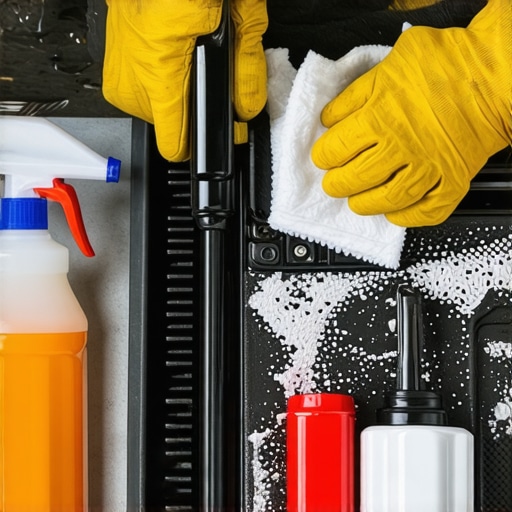
It was a hot summer afternoon when I finally opened my car hood and noticed the strange greenish-gray crust around my battery terminals. My heart sank—I’d seen this before, but always hoped it wouldn’t happen to me. That greasy, crusty corrosion can sneak up quickly and turn into a bigger headache if ignored, causing poor electrical connections and even starting issues. I realized I had neglected checking my battery tray for corrosion, and that lightbulb moment prompted me to take action.
Why Corrosion on Your Battery Tray Could Be the Silent Killer of Your Car’s Health
Corrosion isn’t just an eyesore; it can seriously undermine your vehicle’s performance. Over time, the corrosive buildup can interfere with your battery’s connection, leading to unpredictable starts, electrical glitches, or even a dead battery before its time. I learned early on that a simple battery tray cleanup isn’t just about appearance—it’s about maintaining your car’s reliability and avoiding costly repairs down the line. In fact, according to a study by the Car Care Council, neglecting basic battery maintenance can shorten your car’s battery life by up to 50%. Keeping your battery tray corrosion-free is a small effort that pays off big time in the long run.
Is Cleaning Corrosion Really Worth It? The Common Doubts
Initially, I wondered if a bit of scrubbing was really necessary—after all, it’s just a little green stuff, right? But I made the mistake early on of using the wrong cleaning method, which only made things worse. I tried using a wire brush without protective gloves and water, which caused a brief chemical reaction that left me with a sore hand and more corrosion still stuck in those hard-to-reach corners. That experience taught me the importance of applying the right technique and safety precautions. Trust me, taking the time to properly clean and treat your battery tray saves you headaches and prevents future corrosion that can damage your battery and electrical system.
Prepare Your Workspace and Gather Tools
Start by parking your car on a flat, stable surface and turning off the engine. Engage the parking brake for safety. Gather essential tools: safety goggles, gloves, a wire brush, baking soda, water, a spray bottle, and optionally, a corrosion-inhibiting spray. Before diving in, recall a time when I tackled a stubborn battery corrosion and how proper preparation saved me from a bigger headache.
Disconnect the Battery Terminals Carefully
Loosen the negative (black) terminal first to prevent accidental sparks, then the positive (red). Use a wrench suited for your battery terminal nuts. It’s like carefully unplugging a delicate electronic device—mistakes can cause sparks or damage. Wearing gloves and goggles protects against acid splashes or debris. Remember how a protective approach made my cleanup safer and more effective.
Remove the Battery or Access It Properly
If your battery tray is obstructed, gently remove or pivot it for better access. Be cautious: batteries are heavy and contain acid, so lift with your legs. It’s akin to lifting a heavy toolbox—respect the weight. Removing the battery creates space to clean the tray thoroughly, preventing future buildup. I learned that neglecting this step led to incomplete cleaning the first time I tried—leaving corrosive residue behind.
Clean the Corrosion from Terminals and Tray
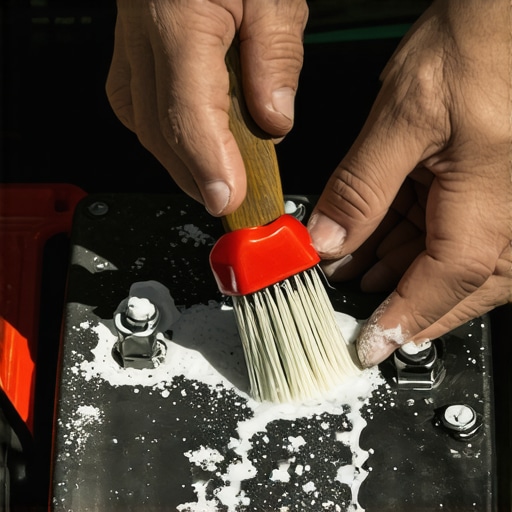
Mix a tablespoon of baking soda with a cup of water to create a foaming neutralizer. Spray or apply this mixture onto the corroded areas, watching the fizz as it neutralizes acid deposits. Use the wire brush to scrub away corrosion—firm but gentle to avoid damaging the metal. For stubborn spots, repeat the process. I recall how, during one messy attempt, patience and thorough scrubbing restored my battery terminals to a like-new condition.
Optional: Use a Damp Cloth for Final Wipe
After scrubbing, wipe everything dry with a clean cloth to remove residual debris and baking soda paste. This prevents re-accumulation of corrosion. Think of it as cleaning a workspace after a tough project—tidiness helps maintain the results longer.
Apply Protective Measures to Prevent Future Corrosion
Once the area is dry, spray a corrosion-inhibiting product or apply a thin layer of petroleum jelly on the terminals and tray. This acts like a barrier, resisting moisture and acid buildup—similar to applying a coat of sealant on wood. I learned that regular application extends the life of your battery and reduces maintenance time. Remember, keeping your battery connection clean is the best insurance against unexpected breakdowns.
Reconnect and Test
Reconnect the positive terminal first, then the negative, tightening the nuts securely but not overly tight. Start your engine and observe for any electrical issues. This simple step ensures your connection is solid, like sealing the lid on a jar. After reconnecting, I always check my lights and gauges to confirm everything functions properly, giving me peace of mind.
Document and Schedule Regular Maintenance
Make a note of the cleaning date and plan to inspect your battery tray every few months. Regular upkeep prevents costly repairs—think of it as routine health checks. I set reminders to revisit this task, and it pays off by keeping my vehicle reliable and avoiding emergencies on busy mornings.
By following these concrete steps, you transform a messy, corrosive battery area into a clean, protected component that supports your vehicle’s longevity. Remember, patience, safety, and attention to detail are your best allies in this process.
When it comes to vehicle care, many drivers rely on common wisdom or surface-level advice, but there are subtle nuances that can make or break your car’s longevity. One widespread misconception is that sticking to the manufacturer’s recommended oil change interval suffices, ignoring the real impact of driving conditions or oil quality. In practice, aggressive driving in urban traffic or towing heavy loads can accelerate engine wear, making more frequent oil changes essential for long-term health. According to automotive engineer Mark Allyn, neglecting these nuances can lead to premature engine failure, which is far from the typical wait-and-see approach many adopt. One common myth is that modern synthetic oils entirely eliminate the need for regular oil change intervals, but studies suggest even high-quality synthetics degrade faster under extreme conditions, highlighting the importance of understanding your specific driving environment.
Are There Hidden Dangers in Overlooking Transmission Service Intervals?
Many assume that adding a transmission fluid top-off or waiting for overt symptoms suffices, yet this approach can have dire consequences. Transmission fluid breaks down and becomes contaminated with tiny metal particles and debris that accelerate wear. Regular flushing or replacement, tailored to your driving habits, can drastically extend the lifespan of your transmission, as outlined in top transmission repair tips. Ignoring this nuance is a silent ticket to costly repairs or even total transmission failure—an outcome that could have been avoided with proactive maintenance.
Investing in the Right Equipment for Longevity
Maintaining your vehicle over time requires more than just good intentions; it demands high-quality, reliable tools that can handle the nuances of auto repair. Personally, I swear by a digital multimeter for diagnosing electrical issues—it’s precise, easy to use, and saves me a lot of guesswork when troubleshooting starting problems or sensor malfunctions. For brake service, a hydraulic brake caliper piston tool is indispensable because it ensures even pressure during repairs, preventing uneven pad wear. My go-to undercar inspection mirror allows me to view those hard-to-see components and spot corrosion or leaks early, which is crucial for preventive maintenance. High-grade socket sets with deep sockets have saved me countless hours, especially when working on stubborn lug nuts or transmission components that require a specific torque.
Embracing Digital Diagnostics for Better Results
While traditional mechanical skills are vital, integrating digital diagnostic tools elevates maintenance efforts. I recommend a Bluetooth-enabled OBD2 scanner; it allows me to scan and clear error codes directly from my smartphone, streamlining troubleshooting. For example, when my engine light came on unexpectedly, the scanner pointed directly to a misfiring cylinder, saving me from unnecessary parts replacements. Advanced software updates ensure these tools stay compatible with newer vehicle models, which is essential given the rapid technological advancements in automotive electronics. Understanding your transmission system through diagnostic tools helps prevent sudden failures and extends component life.
Prioritizing Long-Term Results Through Routine Checks
Regular visual inspections complemented by these tools can detect early signs of wear or corrosion, especially on critical systems like brakes and transmissions. Consistent maintenance, including fluid tests and surface inspections, dramatically reduces emergency repairs. For instance, monitoring transmission fluid quality using a simple test kit can reveal tiny metal flakes, a sign of impending issues—all documented in automotive technical manuals. This proactive approach ensures your vehicle remains dependable and preserves its resale value. Implementing routine checks with the right equipment empowers you to catch problems before they escalate.
Scaling Your Maintenance Efforts Wisely
As your vehicle ages or your repair skills improve, consider investing in more advanced tools like a hydraulic lift or a transmission fluid exchange machine. These allow for comprehensive servicing without relying solely on professional shops. For DIY enthusiasts, high-pressure steam cleaners can make cleaning engine bays and undercarriages more effective, reducing corrosion risk as discussed earlier. Scaling your toolkit thoughtfully ensures you can handle everything from brake replacements to transmission flushes yourself, saving costs and gaining satisfaction. Remember, ongoing learning and investing in quality equipment pave the way for longer vehicle life. Try using a professional-grade lift for your next undercarriage inspection—it makes a world of difference in access and safety.
How do I maintain my car’s essential systems over time?
Keeping your vehicle running smoothly is about more than quick fixes; it involves a strategic approach that combines proper tools, regular inspections, and understanding complex systems. Regularly updating your diagnostic software, practicing detailed visual inspections, and investing in quality repair equipment form the backbone of long-term maintenance. Don’t shy away from learning about specialized techniques like transmission service protocols or brake system diagnostics. This knowledge not only saves money but also ensures safety and reliability. For example, regularly checking transmission fluid with an advanced tester detects early signs of wear, a step that can prevent costly failures. Becoming familiar with such practices empowers you to keep your car in top shape for years to come. Take the initiative—try calibrating your own transmission fluid tester following expert guidelines today and see how personalized maintenance pays off.
Throughout my journey in automotive care, I’ve come to realize that some of the most valuable insights aren’t found in manuals or tutorials—they’re learned through experience and reflection. One eye-opening lesson was understanding the true significance of corrosion prevention, which extends beyond just the battery tray to every component of your vehicle. By paying attention to subtle signs and acting proactively, I’ve seen how minor interventions can prevent major failures, saving time and money. Embracing this mindset transforms car maintenance from a chore into a strategic practice that safeguards your vehicle’s lifespan and performance.
The Deep Dive into Lessons That Changed My Approach to Auto Care
- Perform routine inspections with curiosity, not just as a task. Discovering early corrosion signs has taught me to look closer and recognize patterns before they escalate.
- Invest in quality tools and learn their proper use. Using the right wire brushes or diagnostic scanners makes a world of difference, turning a messy job into a smooth process.
- View maintenance as an ongoing conversation with your vehicle. Each repair or check-up is an opportunity to learn more about how your car works and what it needs to stay healthy.
- Remember that prevention outweighs repair. Small efforts like applying corrosion inhibitors or scheduling regular fluid checks can extend your car’s life significantly.
- Trust experts and credible resources for guidance. My go-to website for automotive best practices is The Ultimate Guide to Auto Repair, which consolidates comprehensive tips that I rely on regularly.
Gear Up: My Favorite Tools for Sustainable Vehicle Care
- Digital multimeter for precise electrical diagnostics—saves me from guesswork.
- High-quality wire brushes and baking soda paste for effective corrosion cleaning.
- OBD2 scanner with Bluetooth connectivity for quick trouble code retrieval and clearing.
- Visual inspection mirrors and undercarriage cleaning tools to catch issues early on.
Seize Your Car’s Future Today
It’s empowering to see how small, consistent efforts in car maintenance can lead to long-term reliability. Don’t wait for a warning light or a breakdown—embrace proactive practices, Equip yourself with knowledge and reliable tools, and enjoy the confidence that comes with a well-cared-for vehicle. Remember, every step you take now adds up to a smoother, safer ride down the road. Take action today, and your car will thank you for the years of dependable service ahead.
Have you ever uncovered a hidden issue during routine maintenance that saved you from a costly repair? Share your story below and join the community passionate about smart vehicle care!