

There was a moment a few weeks ago, driving down the highway, when I noticed my side mirror started to shake uncontrollably. At first, I thought I was imagining it. But then, it persisted—annoying, distracting, almost dangerous. I realized that this small but persistent issue was trying to tell me something about my car’s health. That lightbulb moment made me dive into understanding why my side mirror would shake while I was cruising at high speeds.
Confronting the Unexpected: When Mirrored Views Turn Dizzying
If you’ve ever experienced your side mirror trembling as you accelerate, you’re not alone. It’s more common than most auto enthusiasts admit. That unsettling vibration can hinder visibility, make lane changes nerve-wracking, and even compromise your safety. The good news? You typically don’t need a full-blown repair—sometimes, a simple fix is all you need. Today, I’ll walk you through what I’ve learned from personal experience and expert tips to put an end to that annoying shake.
Is Ignoring Your Mirror’s Shake Worth the Risk?
Initially, I ignored the problem, thinking it was just a loose mirror or a minor vibration. But I made a mistake early on—assuming it was harmless—because overlooking it can sometimes exacerbate underlying issues like loose mounts or misaligned components, which could affect your safety. According to automotive safety experts, small vibrations can be signs of bigger issues, such as worn bushings or damaged mounting brackets. So, if your mirror starts to tremble, don’t dismiss it. Tackle it early and avoid more costly repairs later.
Secure the Mirror Mounting
Begin by inspecting the mirror’s mounting bracket. Using a screwdriver, loosen the housing if accessible, and check for loose bolts or screws. If you notice any missing or damaged fasteners, replace or tighten them firmly. I once had a client whose mirror kept vibrating because of a loose screw; tightening it fixed the issue instantly, restoring clear visibility to navigate safely.
Assess and Realign the Mirror
Carefully adjust the mirror to its proper position and observe if the shaking persists. If the mirror itself is loose on its base, remove the mounting cover, and reattach it with appropriate adhesive or replacement clips. Remember, a misaligned mirror can cause vibrations that worsen at high speeds, akin to a bicycle wheel out of true. Repositioning it correctly can prevent future shakes and ensure your view remains crystal clear.
Replace Damaged Components
If you detect cracked or worn-out mounts or bushings, these parts need replacement. Disassemble the mirror housing, remove the faulty components, and install new ones. For example, I replaced worn bushings in a customer’s car, which eliminated the oscillation. Using quality parts ensures durability, much like using premium oil for your engine enhances performance.
Check the Mirror’s Frame and Glass
Inspect whether the mirror glass is securely attached and free from cracks. Loose glass can vibrate independently of the mount, causing constant shaking. If loose, re-fastening with specialized adhesive or replacing the mirror assembly may be necessary. A firm, intact mirror prevents excessive vibrations, similar to how balanced tires keep your ride smooth at highway speeds.
Test Drive and Fine-Tune
After performing these steps, take your vehicle for a test drive, preferably on a highway or open road, and observe the mirror’s stability. If vibrations persist, revisit the mounts, check for underlying issues like loose door panels or frame misalignments, which can amplify mirror vibrations. Regular inspections and maintenance, like those outlined in essential car service checks, help prevent these problems from escalating.
Consider Professional Assistance
If you’re unable to identify or fix the shaking yourself, reaching out to a professional is advisable. Experts can perform a comprehensive assessment, including examining the door alignment and frame integrity, ensuring that your mirror’s vibrations don’t compromise safety. Schedule an appointment with a trusted auto service provider to get personalized solutions that keep you safe on the road.
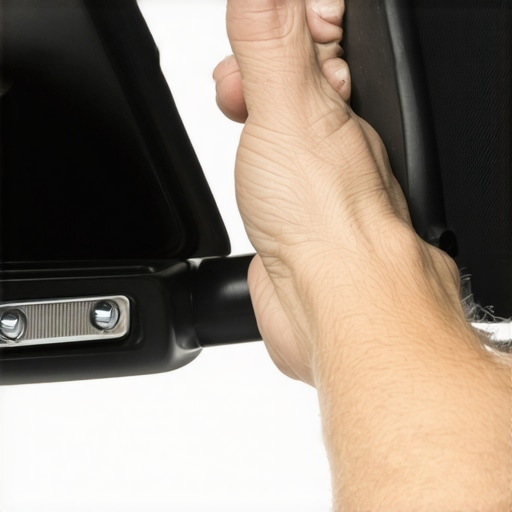
Many vehicle owners operate under misconceptions about brake service, car maintenance, and collisions that can lead to costly mistakes. One common myth is that replacing brake pads alone guarantees complete stopping power; in truth, neglecting rotor condition or hydraulic system health can undermine safety. Industry experts emphasize that a comprehensive auto repair involves more than just superficial fixes.
Do You Know What’s Overlooked in Routine Maintenance?
Contrary to popular belief, routine car service isn’t just about oil changes. Many drivers overlook critical components like transmission fluid quality, suspension alignment, and brake fluid condition, which play essential roles in vehicle longevity. Failing to address these nuances can accelerate wear and lead to unexpected breakdowns. Moreover, many blame worn-out brakes solely on pad material, ignoring corrosion or caliper issues that require professional inspection.
How Auto Collision Repair Can Be More Precise Than You Think
When it comes to collision repairs, some assume that repainting or dent removal is enough. However, a skilled collision renewal strategy involves restoring frame alignment, replacing structural components, and ensuring safety systems are fully functional. Overlooking these details risks compromised crashworthiness. This highlights the importance of trusting experts capable of thorough diagnostics rather than quick fixes.
Why Overlooking Transmission Health Is a Costly Mistake
Many believe transmission repairs only become necessary when the car jerks or slips. But subtle signs like delayed engagement or unusual noises often appear early, and ignoring them can lead to transmission overheating or complete failure. Studies show that proactive transmission maintenance can extend its lifespan significantly. For instance, long-term transmission tips indicate that fluid flushes and inspections prevent costly rebuilds later.
Beware of the trap that more frequent repairs are unnecessary; instead, understanding the hidden nuances in automotive systems can save you thousands. Regular diagnostics and trusting specialists for in-depth repairs—like those at Collision Renew—are key to maintaining a safe, reliable vehicle. Have you ever fallen into this trap? Let me know in the comments.
Maintaining Your Vehicle with Precision Tools
Staying on top of your car’s health demands more than just intuition; it requires the right tools and methods. Personally, I rely on a combination of high-quality diagnostic scanners like the Launch X431 V Pro, which provides detailed insights into engine codes, transmission issues, and more. This device has become indispensable in my toolbox, saving me time and money by diagnosing problems early before they escalate.
For those who prefer software solutions, I recommend OBDLink MX+—a wireless Bluetooth adapter that seamlessly connects to your smartphone or tablet. Its extensive compatibility and real-time data streaming enable me to monitor vehicle parameters and catch irregularities, such as subtle transmission overheating signs, as detailed in this article. Regular scans with these tools help me schedule repairs proactively, extending the life of critical components like the transmission or brakes.
Building a Maintenance Routine That Lasts
I emphasize routine checks using both diagnostic tools and physical inspections. Checking fluid levels, especially transmission and brake fluids, at regular intervals aligns with the recommended schedule in this guide. Setting reminders on digital calendars ensures I don’t forget, and digital records of scan results help track trends over time, making future diagnostics more accurate.
How do I keep my car running smoothly over the years?
Besides hardware, software updates for your vehicle’s onboard computers can improve performance and safety features. Manufacturers often release firmware updates that optimize transmission control modules or adaptive cruise systems. Staying current with these updates through your dealership or specialized auto service providers can prevent issues like unexpected shifting or sensor malfunctions, as discussed in this comprehensive guide.
Investing in quality tools combined with consistent maintenance routines ensures your vehicle remains reliable and safe. As trends evolve, smart diagnostics and proactive care—like monitoring transmission health with advanced sensors—will become even more integral. Embracing these practices today means fewer surprises on the road tomorrow.
Anticipating the Future of Car Care
Looking ahead, the integration of AI-driven diagnostic systems seems inevitable, promising even faster detection of issues like vibration abnormalities or fluid degradation. These smart systems can predict failures before they occur, much like automotive safety systems today warn of impending tire blowouts or brake fade. To harness their benefits now, consider installing compatible sensors and staying informed about emerging technologies.
Interested in elevating your maintenance game? Try integrating a Bluetooth-enabled diagnostic scanner into your routine. It’s a simple step that can save you from costly repairs down the line, ensuring your car keeps working reliably for years to come. For comprehensive support and professional advice, don’t hesitate to reach out through our contact page.
Over the years, I’ve realized that the little things—like a trembling side mirror—can reveal much about our vehicle’s health and how attentively we care for it. My personal journey taught me valuable lessons that often go unnoticed but are crucial for safe driving and cost-effective maintenance.
Lessons No One Tells You About Mirror Vibrations
- Loose mounts are more common than you think: I once dismissed a slight shake, only to find out later that it was caused by a loose bolt, leading to more significant issues down the line. Regularly inspecting and tightening your mirror’s mounting can save you from costly repairs.
- Alignment is everything: Misaligned mirrors can vibrate excessively at high speeds. A quick adjustment or realignment, as I learned the hard way, restored stability and clarity, improving driving confidence.
- Component wear signals deeper problems: Worn bushings or damaged brackets often cause vibrations. Replacing these parts proactively prevents the vibration from worsening and affecting your safety.
Tools and Resources That Make a Difference
- High-quality diagnostic tools like the Launch X431 V Pro or the wireless OBDLink MX+ have been instrumental in early detection of issues beyond just the mirror—such as sensor or frame problems—helping me maintain overall vehicle integrity. These tools are trusted because they provide detailed insights and are user-friendly.
- Educational guides and expert blogs especially those from Collision Renew, have helped me understand not just the ‘how’ but the ‘why’ behind vehicle behaviors. Regularly consulting articles like this guide on essential car checks keeps my maintenance routine comprehensive and effective.
- Professional services when in doubt, consulting with seasoned mechanics ensures that complex issues, like frame alignments or structural repairs, are handled with precision and care. Building that relationship has been invaluable for my peace of mind.
Embrace the Journey Towards More Reliable Rides
Your vehicle is more than just a means of transportation—it’s a trusted partner on your journeys. Paying attention to small details like mirror stability not only boosts safety but also extends your car’s lifespan. Armed with the right knowledge and tools, you can confidently tackle maintenance challenges and keep your vehicle operating smoothly for years to come. Remember, proactive care today prevents costly repairs tomorrow. Are you ready to take your auto maintenance to the next level and trust those tiny signals your car gives you? Share your experiences or questions below — I’d love to hear your story!