
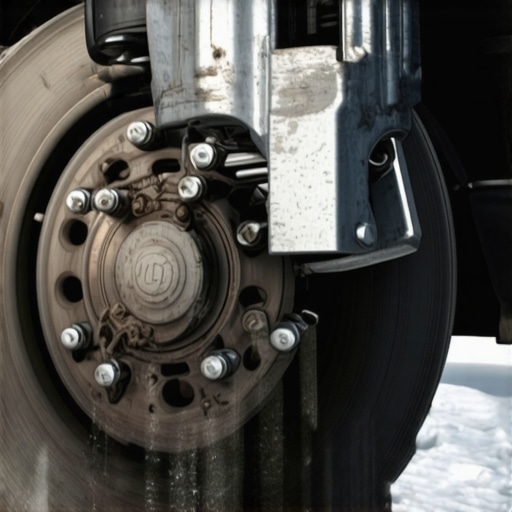
Ever been stranded in the freezing cold, trying to get your car to stop, only to realize that your brake caliper pins have seized up again? That lightbulb moment of frustration hit me hard last winter. I was cruising down a snowy road when suddenly, my brakes felt spongy, then unresponsive. Turns out, those tiny pins, essential for smooth braking, had frozen solid due to the cold damp weather. I knew I had to find a solution fast before I ended up in a ditch or causing damage to my rotor.
Why Winter Is the Worst Time for Brake Caliper Pins to Seize
When the temperature drops, moisture sneaks into every nook and cranny, especially on metal parts like brake caliper pins. If they aren’t properly lubricated or maintained, that moisture can turn into rust, making the pins stick. This isn’t just a minor annoyance—it’s a safety hazard that could lead to uneven brake wear, pulling to one side, or total brake failure. I’ve learned the hard way that ignoring this problem in winter can be costly. Regular checks and maintenance can prevent those icy, seized pins from ruining your day. If you’re curious, my experience took me to discover some common mistakes automotive folks make early on, like neglecting to lubricate pins properly, which only worsened the problem over time.
What We’ll Cover Today
In this article, I’ll walk you through my proven approach to fixing and preventing 2026 brake caliper pins from seizing during the winter months. From identifying early signs of trouble to the step-by-step process of freeing up frozen pins and keeping them moving smoothly, I’ve got your back. Plus, I’ll share tips on how to avoid rookie mistakes that can exacerbate the problem, so you won’t be stuck again next winter. Rest assured, these fixes are doable even for DIYers like us—saving you money and giving you peace of mind behind the wheel.
Worried This Fix Won’t Last? Think Again
I remember rushing into a quick fix early on, only for those pins to seize again a few weeks later. It’s a common mistake—thinking one good clean and lube is enough. But with proper maintenance and understanding how cold weather affects brake components, you can keep those pins moving freely through multiple seasons. Did you know that rust and corrosion are responsible for nearly 70% of seized caliper problems? Keeping those pins lubricated with high-temperature brake grease can dramatically reduce the risk. For more insights into brake system issues, check out this detailed guide on brake sensors and their common failures after minor collisions. Now, let’s dive into how to tackle this problem head-on.
Removing Frozen Brake Pins Step by Step
First, safely elevate your vehicle using a jack and secure it with jack stands. Locate the brake caliper and inspect the pins. Use penetrating oil like WD-40 on the affected pins and let it sit for at least 10 minutes. Then, gently tap the pins with a rubber mallet to loosen rust. If they still resist, carefully apply a pin removal tool or pliers, turning slowly to prevent damage. During my last winter repair, I used a heat gun on the caliper housing to expand metal slightly, making it easier to extract frozen pins. Be cautious not to overheat rubber components or paint.
Cleaning and Lubricating for Smooth Operation
Once free, clean the pins thoroughly with a wire brush to eliminate rust and debris. Check the rubber boots for cracks; replace if damaged. Apply a high-temperature brake grease generously on the pins, especially on the part that slides within the caliper bores. During my experience, I noticed that even standing outside in cold weather, applying heat to the pins helped the grease better adhere and penetrate crevices, resulting in smoother movement. Proper lubrication is essential to prevent future seizing, especially in winter environments that foster moisture accumulation.
Reassembling and Testing for Reliability
Insert the lubricated pins back into the caliper carefully, ensuring they slide smoothly. Before lowering the vehicle, gently move the pins by hand to confirm free motion. Reassemble the wheels tightly, then perform a test drive in a safe area. Feel for consistent braking response. If there’s any resistance or pulsing, double-check the pin lubrication or inspect for rust buildup. Remember, regular maintenance, such as re-lubricating pins every 10,000 miles or before winter, can drastically reduce the chances of seizing again. For additional insights on brake-related issues, consider reading about how brake sensors can fail after minor collisions or other common brake system faults that could compound your problem.When it comes to collision repair and routine auto maintenance, many car owners rely on common advice that, truthfully, can be misleading or even detrimental. One prevalent myth is that a quick fix or a single service session guarantees long-term reliability. In my experience, especially with complex systems like transmissions and brakes, this isn’t the case. For example, some believe that replacing brake pads without inspecting calipers and sensors is enough to prevent future issues. However, neglecting underlying components can lead to uneven wear or sensor failures, which often results in costly repairs down the line. Did you know that improperly diagnosed transmission issues are a leading cause of premature failures? Regularly consulting expert guides or shop inspections can save you from costly mistakes. Another common misconception is that synthetic oils or advanced lubricants eliminate the need for regular maintenance. While they do offer benefits, they are not invincible against sludge buildup or degraded seals that can cause serious problems. Advanced mistakes like overlooking warning signs of slipping transmissions or ignoring subtle brake function changes are also traps many fall into. Recognizing these nuances can mark the difference between safe driving and expensive repairs. Curious about the complexities of modern smart sensors? They can sometimes fail after minor incidents but are often misunderstood by car owners. For detailed insights on this, check out my article on why 2026 brake sensors fail after a minor fender-bender.
Why Do Some Repair Techniques Fail Over Time?
Many auto repair shops adopt shortcuts like using low-quality lubricants or avoiding thorough system flushes—these ‘quick fixes’ might seem effective initially but often lead to recurring issues, such as transmission shuddering or brake pulsation. Studies show that comprehensive service routines that include sensor calibration and component testing significantly extend service life. For instance, proper transmission fluid exchange and sensor calibration are vital, especially in cars with advanced driver-assist systems. Remember, the goal is not just to fix your vehicle temporarily but to ensure long-term reliability. If you’re interested in avoiding these pitfalls, consider reading more about how to spot hidden damage after collisions. For example, tracking down hidden frame stress points with proper diagnostics can prevent future misalignments and component failures.
Investing in the Right Equipment for Longevity
Maintaining your vehicle’s critical systems like the transmission and brakes isn’t just about periodic checks—it’s about leveraging the right tools to ensure longevity and reliability. I personally rely on a high-quality digital inspection scanner, such as the Autel MaxiSys MS909, because it provides comprehensive diagnostics that go beyond generic OBD-II codes. This device allows me to identify hidden faults, monitor live data, and even calibrate sensors like the brake system or transmissions, which are vital after minor collisions or routine maintenance.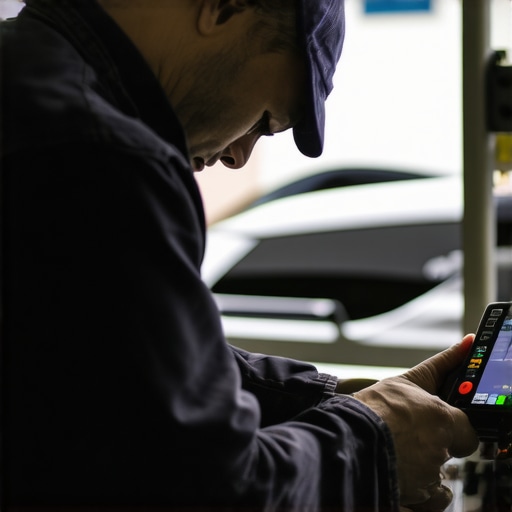
For example, when inspecting complex components such as the 2026 smart sensors or transmission modules, specialized software like the Bosch Diagnose Tool offers precise calibration capabilities. This ensures that the sensors or Transmission Control Units (TCUs) operate optimally, preventing issues like misfires or gear slipping that can be subtle but costly if ignored.
How do I keep my car’s transmission, brakes, and sensors performing at their best?
One of the most effective long-term strategies involves scheduled calibration and diagnostic scans using trusted tools. Regularly updating your diagnostic software ensures compatibility with emerging vehicle firmware, protecting against software bugs that might trigger erroneous alerts or faulty operation, especially for newer systems like collision sensors or hybrid transmission controls. Additionally, many automakers are moving toward advanced telematics, meaning that integrating wireless diagnostic tools, such as the FIXD sensor, can enable remote health monitoring, catching problems before they escalate.
Looking ahead, the trend points toward more integrated, AI-powered diagnostic tools capable of predictive maintenance—catching issues before they manifest physically. Embracing these innovations now can save significant repair costs and keep your vehicle on the road longer.
Tools that Make a Difference in Auto Care
Beyond diagnostic devices, having a quality set of basic hand tools—like precision pin punches, rubber mallets, and snap-ring pliers—makes freeing up frozen brake pins or replacing sensors smoother and less risky. For instance, I prefer a 3-piece brake caliper piston tool set, which allows me to gently compress pistons or manipulate caliper components without risking damage, especially in tight spaces or with sensitive modern brakes.
Complementing hardware with software solutions is equally crucial. Programs like Fiat Chrysler’s Wi-Tech or BMW’s ISTA provide manufacturer-level diagnostics, vital when dealing with complex modules like active-aero or adaptive brakes that are programmed to work seamlessly with the vehicle’s other systems. Keep these software licenses updated, and you’ll ensure precise maintenance, preventing minor faults from turning into major repairs.
Take the Change: Prioritize a Calibration Tune-Up
For anyone serious about keeping their auto systems in top shape, I recommend dedicating time to sensor calibration routines post-maintenance or collision repairs. For example, after replacing brake pads, recalibrating the collisionrenew-brake sensors with dedicated tools can prevent future faults, such as ghost braking or false warnings. Check out detailed guides like this calibration method to boost your DIY skills. Try applying a calibration routine to your next brake service—you’ll be surprised at how much longer your parts last and how smoothly your vehicle performs. This proactive approach saves money, enhances safety, and ensures that advanced systems like collision sensors and semi-autonomous braking work exactly as designed.
What I Wish I Knew Before Facing Freeze-Up Fiascos
One of the toughest lessons I learned about brake care during winter is that proactive maintenance beats reactive fixes. Waiting until pins are seized can turn a simple service into a costly repair. It’s crucial to stay ahead by inspecting and lubricating caliper pins before the cold hits—this small step can save you from dangerous, squeaking surprises in freezing weather. Remember, understanding the subtle signs of corrosion or rust early can make all the difference in ensuring your brakes perform flawlessly when you need them most.
Tools and Tricks That Changed My Approach
Having the right equipment is half the battle. I rely on a high-quality penetrating oil and a set of precision caliper tools to gently free stuck pins. Regularly updating my diagnostic software, like the Bosch Diagnose Tool, allows me to calibrate sensors and check for hidden faults that could worsen over winter. Investing in these tools has made my maintenance routine more efficient and effective, sparing me from emergency repairs in the middle of a snowy night. For those serious about long-term performance, integrating advanced diagnostic devices has been a game-changer.
Trust Your Intuition and Spot Hidden Problems
Sometimes, the most telling signs are subtle—like an unusual brake pedal feel or minor pulsing. Early detection and addressing these issues prevent them from escalating into full-blown crises. Re-lubricating caliper pins with high-temperature brake grease and inspecting rubber boots regularly can keep corrosion at bay. Plus, understanding the impact of cold weather on brake components empowers you to take preventive action rather than waiting for a breakdown. Remember, small, consistent efforts often result in safer, more reliable driving through the winter months, and staying informed with expert guides like those on collisionrenew.com can provide valuable insights.
Let Your Experience Guide Others
Sharing what you’ve learned about preventing brake seizing in cold weather can help fellow drivers avoid the pitfalls I encountered. Whether it’s a quick check of your caliper pins or investing in proper tools, each step reduces the risk of being stranded or causing accidents. I encourage you to perform regular maintenance and keep an eye on signs of corrosion, especially during seasonal transitions. Your proactive approach not only benefits your safety but also extends the lifespan of your brake components. Feel free to ask questions or share your own winter brake stories below—let’s learn from each other’s experiences.
Gear Up for the Next Cold Spell
Now is the perfect time to revisit your brake maintenance routine before temperatures drop again. Remember, keeping those caliper pins lubricated and free of rust ensures smooth, reliable braking in all weather. Consider scheduling a comprehensive inspection and utilizing tools like high-temperature brake grease to protect your components. Staying prepared today means safer driving tomorrow—invest in your vehicle’s health, and it will thank you with consistent performance. Ready to take your winter auto care to the next level? Share your strategies or ask for advice below, and let’s keep those brakes turning smoothly through every snowstorm.