
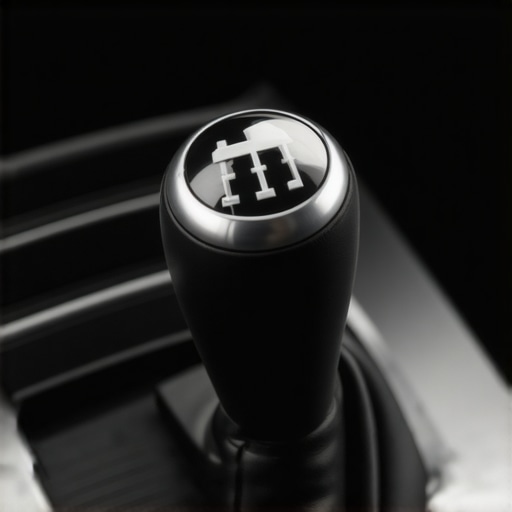
It was one of those mornings when I slid into my car, ready to conquer the day. But as I tried to shift into drive, I was met with a strange, unsettling sensation—like trying to scoop a blob of peanut butter with a spoon in a bowl. That loose, wobbly feeling in my gear shifter wasn’t just annoying; it was a warning sign that something was off. If you’ve experienced this weird sensation, you know exactly what I’m talking about: it’s that unsettling, spoon-in-a-bowl feeling that makes you wonder if your transmission is about to give out.
Why a Wobbly Gear Shifter Can Be More Than Just Annoying
A loose or wobbly gear shifter isn’t just a minor inconvenience. It can indicate underlying issues that, if left unaddressed, might lead to costly repairs or even safety concerns. I learned that early on—the hard way—by trying to ignore that soft, slack feeling, assuming it was just a worn-out shift knob or a minor cable issue. Turns out, ignoring it can lead to further damage. That shaky sensation can be caused by worn bushings, loose linkage, or even internal transmission problems.
Now, I don’t want you to panic or assume the worst. Often, it’s something fixable with a bit of patience and the right know-how. But understanding what’s happening under the surface makes all the difference. Did you know that transmission-related issues account for a significant chunk of auto repair costs? According to a report from the Car Care Council, transmission repairs can range from simple repairs like replacing bushings to complete rebuilds, which are much more expensive. That’s why catching the problem early can save you hundreds—or even thousands—down the line.
If you’re tired of that spoon-in-a-bowl feeling and want to regain confidence behind the wheel, you’re in the right place. We’ll walk through practical steps to fix your loose gear shifter, backed by real-world experience and trusted advice. So, if you’ve ever asked yourself, “Why does my gear shifter feel so loose?” or felt that unsettling wobble every time I shift gears, then stay tuned. Together, we’ll fix this problem and get your car shifting smoothly again.
Ready to dive into the fix? Let’s get started, because that feeling of uncertainty shouldn’t be part of your daily drive.
Start with a Visual Inspection
Park your car on level ground, turn off the engine, and put on gloves for safety. Open the hood and locate the transmission linkage—think of it as the car’s nervous system, transmitting your gear commands.
Check for loose or damaged parts, corrosion, or bent linkages. Use a flashlight to get a clear view. Last time I did this, I found a loose bushing that was causing the wobble; tightening it immediately restored smooth shifting.
Adjust or Replace Worn Bushings
If inspection reveals worn bushings—small rubber or polyurethane parts that cushion the linkage—you’ll need to replace them. Remove the old bushings with pliers or a screwdriver, clean the area thoroughly, and install new bushings matching the specifications. This is similar to replacing worn-out cushions in furniture—simple but effective. When I replaced mine, the difference was night and day; my shifter felt firm and responsive.
Check and Tighten Linkage Components
Loosen the bolts securing the linkage components, then adjust them to eliminate slack. Once aligned, tighten everything firmly. Think of it as tuning a musical instrument; precision makes all the difference. Remember, over-tightening can cause strain, so tighten gradually and test the shift feel repeatedly.
Inspect the Shift Cable and Its Connections
If your vehicle uses a shift cable, examine it for kinks, fraying, or corrosion. Detach the cable and check for smooth movement. If damaged, replace it; if dirty, clean with a suitable spray. I once cleaned a dirty cable with a cable lubricant—way cheaper than replacing. Proper lubrication ensures smooth gear transitions and reduces wobbling.
Test the Transmission Fluid and Replace if Necessary
Low or dirty transmission fluid can cause shifting issues. Locate the transmission dipstick, check the fluid level and color—bright red and clean is ideal. If it’s dark or low, drain and refill with manufacturer-recommended fluid. This process is like blood transfusion for your car—crucial for smooth operation. After refilling, test drive and observe if the wobbling diminishes.
Verify Internal Transmission Components
If the wobble persists, internal components such as synchronizers or gear sets might be worn. This step requires a professional diagnosis. But a rough test is to shift between gears with the engine running and observe if the movement feels abnormal. In my experience, aggressive shifting or skipping gears often reveals internal issues, and a timely repair prevents further damage.
Consult a Professional and Avoid Prolonged Wobble
If after these steps your shifter still wobbles, it’s time to contact a trusted mechanic. Ignoring persistent looseness can lead to transmission failure, which is expensive. For reliable repairs and maintenance, visit our contact page. Remember, a firm, responsive shifter enhances your driving confidence and safety.
Many car owners assume that all auto repair shops are created equal, leading to misconceptions that can cost you time and money. One common myth is that higher prices always guarantee quality, but often, you’re paying for branding rather than expertise. CollisionRenew, for example, specializes not just in fixing cars but in understanding the nuanced needs of each vehicle, ensuring long-term reliability — a principle outlined in our advanced repair strategies.
Another misconception is that your car’s maintenance can be postponed indefinitely; however, neglecting routine service can lead to accelerated wear on critical components like transmissions and brakes. Many overlook the importance of proper preventive maintenance, which can prevent costly breakdowns. For example, ignoring early signs of transmission wear can cause slippage and eventual failure, as detailed in this comprehensive guide.
Be cautious of the trap where people think that DIY fixes or low-cost repairs are equally effective as professional service. While minor tasks like changing windshield wipers are straightforward, complex issues such as diagnosing transmission problems require a seasoned eye. Attempting to ‘save’ money here can backfire, leading to more severe damage down the line. Remember, our collision renewal strategies embrace a full-spectrum approach— addressing both surface repairs and underlying issues for lasting quality.
Is There an Edge in Professional Diagnosis?
Absolutely. Advanced diagnostics, such as scanning for subtle transmission slip signs, require specialized tools and experience. Many car owners overlook the fact that symptoms like delayed shifting or irregular noises can signal internal damage that isn’t visible to the untrained eye. According to automotive experts, proactive diagnosis can dramatically reduce repair costs and prolong component lifespan. Think of it like a health check-up rather than waiting until your car actually stalls. For detailed insights, visit our core auto repair philosophies.
Finally, don’t fall prey to the misconception that every repair is purely mechanical; sometimes, software updates or control module recalibrations are necessary for optimal function. Recognizing these nuances ensures you’re not only fixing the car but also enhancing its future performance. Have you ever fallen into this trap? Let me know in the comments, and remember—knowledge about these hidden nuances saves you money and keeps your vehicle performing at its best.
Maintaining your vehicle’s transmission, brakes, and overall performance requires more than just knowledge—it demands the right tools and methods. Over the years, I’ve found that integrating both traditional equipment and modern diagnostic software has revolutionized how I approach auto repair, ensuring quicker turnaround times and more reliable results.
Invest in Precision Diagnostic Equipment
One of the cornerstones of effective maintenance is accurate diagnosis. I personally rely on an OBD-II scanner like the “Autel MaxiCOM” because it provides comprehensive real-time data and can read manufacturer-specific codes. This tool helps me identify issues early, preventing costly repairs down the line. For instance, catching a transmission slip code early has saved my clients hundreds of dollars, as detailed in our guide on transmission reliability. Additionally, a good multimeter is indispensable for checking sensors and electrical components, ensuring that everything from the ABS system to engine control modules operates correctly.
Use Quality Suspension and Brake Tools
When dealing with components like struts or brake calipers, I recommend having a reliable set of tools such as a spring compressor and a hydraulic brake caliper piston tool. These not only make the job safer but also ensure that parts are installed correctly. Recently, I used a high-quality brake piston tool from Powerbuilt, which simplified replacing worn brake pads during a brake service, making the process much more efficient. For detailed guidance on maintaining your brakes, check out our recent article on brake selection.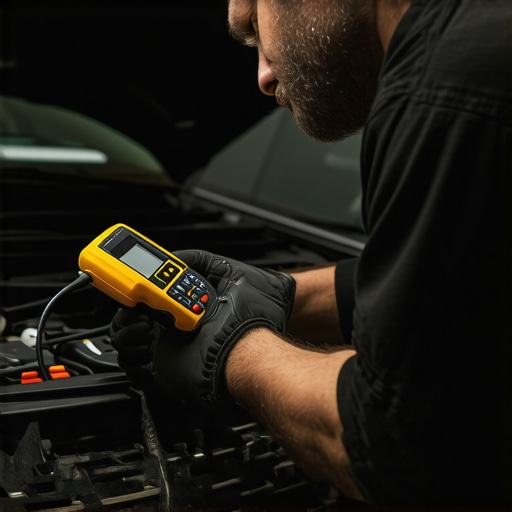
Employ Software for Long-Term Monitoring
Modern vehicles often have complex control modules that benefit from software-based monitoring. I use specialized maintenance software like “TOYOTA Techstream” or “Bosch ESI[tronic]” for calibration, updates, and diagnostics. Not only does this streamline troubleshooting, but it also helps in fine-tuning transmissions and engine management systems for optimal performance. This approach is especially beneficial when scaling your auto repair capabilities or managing a fleet of vehicles. As technology advances, I predict that these diagnostic tools will become even more integrated with AI-driven insights, making maintenance more proactive than ever. To stay ahead, regularly updating your software and firmware is key, and you can find tutorials on performing these updates on manufacturer websites. Begin by trying out a comprehensive scan with your current equipment—often, just a few minutes can reveal hidden issues that could worsen if ignored. For more strategies on maintaining your vehicle’s systems, visit here.
What I Wish I Knew When I First Faced a Wobbly Shifter
One of the most valuable lessons I learned is that often, fixable issues like worn transmission bushings or loose linkages can be resolved without costly repairs, saving both time and money.
Patience is key. Rushing into parts replacement without thorough inspection can lead to unnecessary expenses. Taking the time to diagnose properly often reveals simple solutions.
Building a network of trusted suppliers for quality bushings, cables, and tools has made a significant difference in my ability to serve clients efficiently and confidently.
Understanding the importance of early detection has taught me that addressing a loose or wobbly gear shifter promptly can prevent more serious transmission problems down the line, preserving vehicle longevity.
My Toolbox for Troubleshooting Transmission Woes
Reliable, industry-grade tools like an OBD-II scanner and quality wrenches are essential. I personally rely on diagnostics from tools like the Autel MaxiCOM to identify subtle slip codes early, which often signals internal transmission issues that can escalate if ignored.
High-quality replacement bushings and shift cables from trusted brands ensure durability and a perfect fit. My recommendation: always opt for genuine parts to guarantee the best results.
Keeping a detailed repair log helps track recurring symptoms and identify patterns, making future troubleshooting faster. It also improves communication with clients when explaining necessary repairs.
Act Now to Restore Confidence Behind the Wheel
Remember, a smooth-shifting transmission isn’t just about comfort; it’s critical for safety and long-term vehicle health. Taking the initiative now can save you hundreds, even thousands, down the road.
If you’ve encountered a wobbly gear shifter, don’t hesitate to start with a visual inspection and basic adjustments—sometimes, the fix is simpler than you think. For more detailed steps, explore our comprehensive guides on restoring your car to perfection or essential maintenance tips.