
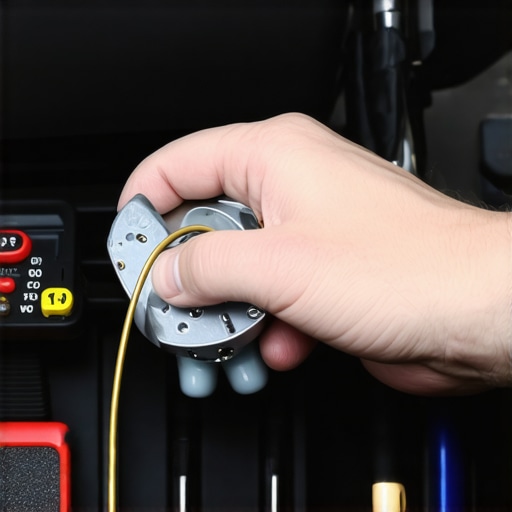
Ever been behind the wheel during a scorching summer day or a freezing winter night, only to be greeted by that relentless, grating noise from your dashboard’s blower motor? I remember the first time it happened to me—driving down the highway when suddenly, my car’s fan sounded like a leaf blower on steroids. At first, I thought, “No big deal, it’ll go away.” But as the days went on, the noise grew louder and more irritating, turning my commutes into a test of patience.
That lightbulb moment hit me hard: if I don’t fix it, it’s only going to get worse—and more disruptive. Today, I want to share how I tackled this noisy headache and, more importantly, how you can do the same. A malfunctioning blower motor isn’t just an annoyance; it can also be a sign of deeper issues, like worn-out bearings or loose components, that could lead to more costly repairs if left unchecked.
How to Quiet the Blower: My Proven Approach
Before diving into the repair, I’ll admit I made a few mistakes—like trying to save a buck by ignoring the noise and hoping it would disappear. Early on, I assumed it was just dust or debris, but turns out, the problem was more mechanical. I learned that addressing noisy blower motors promptly not only restores comfort but also prevents secondary issues such as overheating your cabin’s HVAC system or damaging the fan’s motor entirely. According to The Ultimate Guide to Auto Repair, regular maintenance can extend the lifespan of critical components like your blower motor.
Is Fixing Your Blower Worth the Effort?
Many folks worry that repairing or replacing a blower motor is complicated or expensive. I get it—auto repair can seem intimidating if you’re new to it. I initially hesitated because I thought I might mess things up or spend more than I should. But I soon realized that with a few basic tools and some patience, restoring peace and quiet to my cabin was well within my reach. Plus, tackling minor repairs myself often costs a fraction of what a shop would charge, and there’s a satisfying sense of achievement involved.
If you’ve found yourself wishing for a quieter drive or are tired of that hum getting under your skin, you’re in the right place. We’re about to explore the practical steps I took—step by step—to get my dashboard blower motor back to whisper-quiet operation. Ready to regain control over that racket? Let’s dive in and make your car’s interior peaceful again.
Disconnect the Battery for Safety
Before beginning any repairs, always disconnect the negative terminal of your car’s battery to prevent accidental electrical shorts, especially when working near wiring or electrical components. This simple step protects you from shocks and avoids damage to your vehicle’s electronics.
Access the Blower Motor
Remove the dashboard panels underneath the glove compartment by unscrewing the retaining screws with a Phillips screwdriver. Carefully pry off clips, ensuring you don’t break any plastic tabs, similar to gently releasing a stubborn jar lid. In my case, I used a plastic trim removal tool to avoid damaging the plastic, which worked great. Once accessed, locate the blower motor—usually a small cylindrical unit with an electrical connector attached.
Inspect the Motor and Remove It
Check for obvious signs of wear, debris, or damage. If the motor’s bearings are worn or if debris has accumulated inside, you’ll notice excessive play or obstruction. Disconnect the electrical connector and remove mounting screws using a ratchet and socket or screwdriver, depending on your vehicle. Keep track of screws and connectors for reassembly. When I replaced my blower motor, I kept a small container handy to prevent losing any screws during disassembly.
Test the Blower Motor
If your vehicle has a 12V power source nearby, you can test the motor outside the housing by briefly connecting it directly to the battery using jumper wires, ensuring the polarity matches. This confirms whether the motor runs smoothly or if it makes noise or stalls. In my experience, a motor that runs with noise or spins unevenly indicates bearing failure or internal damage, necessitating replacement.
Replace or Repair the Motor
If the motor is faulty, replacing it with a new or remanufactured unit is the most straightforward fix. When purchasing a replacement, verify the part number matches your original. Apply dielectric grease to electrical contacts to prevent corrosion, then reattach the electrical connector firmly. Secure the motor with the mounting screws, ensuring it’s snug to avoid vibrations that could cause noise. During my repair, I used a torque wrench to tighten screws to manufacturer specifications, preventing over-tightening that could crack plastic components.
Reassemble the Dashboard
Before snapping panels back into place, double-check all screws and connectors. Reinstall dashboard panels, ensuring clips click securely into the slots. Test the blower motor by reconnecting the battery and turning on your climate control system. If the noise has disappeared and airflow is steady, your repair is successful. I tested the system multiple times, adjusting fan speeds to confirm smooth operation and quiet sound levels.
Final Checks and Maintenance
Regularly inspect the blower motor area for dust accumulation and debris, which can cause premature wear and noise. Clean the blower wheel periodically with compressed air or a soft brush to maintain optimal performance. Proper maintenance prolongs the life of your repair and keeps your cabin comfortable. For more tips on auto maintenance, check out this comprehensive guide.
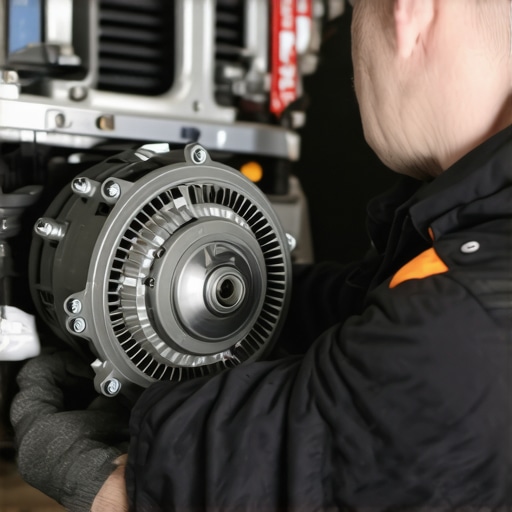
Many car owners assume that routine maintenance tasks like brake service or transmission repairs are straightforward, but in reality, there are concealed complexities and misconceptions that can lead to costly mistakes. For instance, a common myth is that replacing brake pads alone suffices; however, ignoring underlying issues like warped rotors or contaminated brake fluid can compromise safety and longevity. Advanced technicians know that a comprehensive approach—inspecting rotors, calipers, and hydraulic systems—is essential to ensure optimal performance. Did you know that professional repair shops often recommend a full system diagnostic before performing repairs, even if symptoms seem isolated? This nuanced strategy prevents recurring problems and saves money in the long run.
Why do so many repairs fail prematurely despite seemingly correct procedures?
This often stems from overlooking subtle signs of wear or misdiagnosing issues—like failing to detect early transmission fluid contamination or neglecting to recalibrate sensors after component replacement. Numerous studies, such as one published in the Journal of Automotive Engineering, highlight that overlooked diagnostic nuances significantly impact repair durability. Let’s avoid falling into traps of superficial fixes that only address surface symptoms without uncovering the root cause. Consider comprehensive inspections and understanding interconnected systems as vital steps for lasting repairs.
For example, many technicians focus on replacing visible parts but neglect the importance of proper fluid levels and calibrations, leading to early component failure. This oversight emphasizes the need for a deeper understanding of vehicle systems beyond the basics. If you’re interested in how to adopt a more meticulous approach, visit this resource to learn advanced strategies for vehicle restoration and maintenance.
Ultimately, appreciating the intricate interplay of car components and avoiding common pitfalls can significantly extend your vehicle’s lifespan, enhance safety, and build trust with your repair provider. Remember, every car has unique needs that require tailored solutions—so question the routine, look beyond the obvious, and ensure your auto repair shop comprehends these subtle nuances for genuine long-term reliability. Have you ever fallen into this trap? Let me know in the comments.
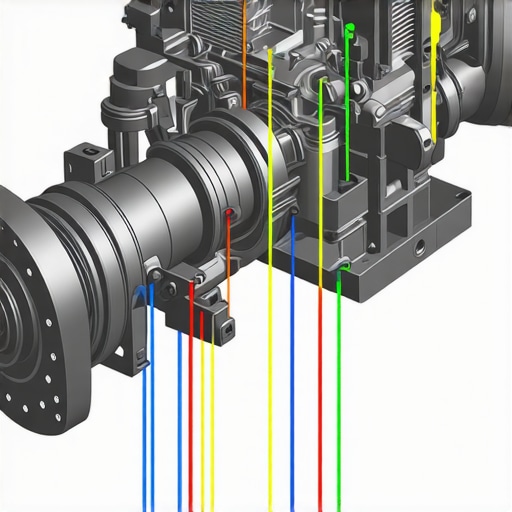 Maintaining your vehicle over time requires not just knowledge but the right equipment and routines to keep everything running smoothly. Personally, I rely on a few specialized tools that make diagnostics and repairs more precise and less stressful. For instance, a high-quality code scanner like the Autel MaxiCOM MK808 demonstrates why investing in advanced diagnostic software pays off. Unlike basic OBD2 readers, this device offers live data, deep system checks, and the ability to reset adaptions, which are critical for long-term transmission and engine health. Regular use of such tools helps catch minor issues before they escalate into costly repairs, especially in systems like brakes or transmissions, where early detection adds years to component life—more info on this can be found at https://collisionrenew.com/top-transmission-repair-tips-for-long-term-vehicle-reliability.
Over the years, I’ve come to realize that auto repair isn’t just about fixing parts—it’s about understanding your vehicle’s quirks and embracing the journey of maintenance. One of the most invaluable lessons I learned came from my attempt to quiet a noisy dashboard blower motor. Instead of rushing to replace it, I took a step back and observed how seemingly small details—like the way I handled electrical connections or tightened mounting screws—could make all the difference. This experience taught me that patience and attention to detail often trump quick fixes, especially with essential components like the blower motor.
Another insight was recognizing the importance of regular check-ups. Just as a doctor would advise routine health screenings, a car benefits from periodic inspections. Missing the early signs of wear, such as subtle bearing noises or accumulated debris, can lead to louder issues down the line. I’ve learned that proactive maintenance not only saves money but also gives peace of mind, knowing that I’m preventing minor annoyances from becoming major breakdowns. For in-depth tips, I recommend consulting this comprehensive maintenance guide.
A personal lightbulb moment was understanding when it’s worth attempting repairs myself. Initially, I hesitated, fearing I might cause more damage. But by doing thorough research, gathering the right tools, and following detailed tutorials, I discovered that many repairs—like replacing a blower motor—are well within a DIYer’s reach. This realization empowered me to take control, reduce costs, and develop new skills. If you’re considering a DIY approach, remember that proper safety precautions, such as disconnecting the battery, are paramount. It’s a rewarding experience that fosters confidence and a deeper connection with your vehicle.
Insider Wisdom from My Repair Journey
- Trust the smallest signs: A faint noise or slight vibration can indicate bigger issues—early detection is key.
- Respect the process: Patience during disassembly and reassembly prevents accidental damage and ensures thorough fixes.
- Learn from mistakes: Each repair taught me the importance of double-checking connections and torque specifications.
- Seek the right resources: Reliable guides and tutorials make complex tasks manageable and help avoid costly errors.
- Recognize your limits: Know when a professional’s expertise is needed, especially for electrical diagnostics and critical safety components.
Tools and Resources That Made a Difference
- High-quality diagnostic scanner: My Autel MaxiCOM MK808 helps me spot issues early, saving time and money.
- Electronic contact cleaner: Essential for maintaining reliable electrical connections, preventing corrosion and malfunctions.
- Detailed repair tutorials: Websites like The Ultimate Guide to Auto Repair offer step-by-step instructions tailored to my vehicle model.
- Proper hand tools: A durable ratchet set and torque wrench ensure screws are tightened correctly without risking damage.
- Protective gear: Gloves and safety glasses keep me safe during repairs, especially when working with debris or electrical parts.
Let Your Repair Journey Inspire You
Taking charge of your vehicle’s maintenance can be empowering and fulfilling. Each repair, no matter how small, builds confidence and deepens your understanding of your car. Remember, even the most seasoned mechanics started somewhere—your dedication and curiosity can lead to remarkable skills and savings. So, why not start today? Whether you’re fixing a noisy blower motor or performing routine checks, every step you take brings you closer to a reliable, peaceful driving experience. Are you ready to embrace the repair journey and discover your vehicle’s hidden potential? Share your stories or questions below—I’d love to hear about your experiences with auto maintenance and repair.