
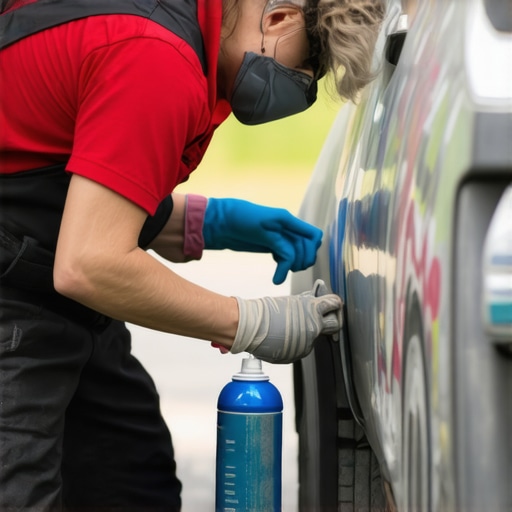
It was a Saturday morning when I first discovered the worst thing imaginable — spray paint graffiti splattered prominently across my beloved car. The frustration was real. Here I was, thinking I had parked safely, only to find some reckless vandal had turned my vehicle into a canvas. That lightbulb moment made me realize how unexpectedly one can get targeted, and more importantly, how challenging it can be to restore the car’s pristine look.
As someone who’s passionate about maintaining my vehicle, I knew I had to find a safe, effective way to remove the paint without damaging the original finish. If you’ve ever faced a similar situation, you’re probably wondering: “Can I remove spray paint without resorting to costly repainting or risking more damage?” Well, you’re in luck. Today, I promise to share proven methods I’ve tested myself, so your car can look just as good as it did before the graffiti appeared.
Why Removing Graffiti Is More Than Just Aesthetic
Graffiti on your car isn’t just an eyesore; it can actually affect the value of your vehicle and, if not addressed promptly, cause long-term damage to the paintwork. Some spray paints contain harsh chemicals that, if left on the surface, might cause the original paint to peel or discolor over time. That’s why quick, careful removal is key. Interestingly, according to experts in auto restoration, prompt action combined with proper cleaning methods can prevent permanent damage and save you hefty repair costs. For example, a study highlighted that timely removal of graffiti can reduce repair costs by up to 70%.
Have you ever tried to scrub off graffiti with inappropriate cleaners, only to find the paint seep deeper or that it left a dull patch? I’ve been there, and early mistakes like using too abrasive materials or aggressive solvents can actually worsen the problem. Trust me, I learned this the hard way.
So, what do successful graffiti removers do differently? They rely on gentle, proven techniques. This article will walk you through the safest, most effective way to reclaim your car’s appearance without risking more damage. Whether it’s a small splash or a large spray, I’ll show you how to tackle it confidently.
Before diving into the step-by-step process, let me ask you: Have you ever experienced spray paint graffiti on your car? If so, keep reading—you’re about to learn the secrets to restoring your vehicle easily and safely.
Prepare Your Workspace and Gather Supplies
Start by parking your vehicle in a shaded area to prevent cleaning solutions from drying too quickly, which could cause streaks. Gather all necessary supplies: mild dish soap, microfiber cloths, rubbing alcohol (isopropyl), plastic scraper, automotive clay bar, color-matching touch-up paint, and a soft detailing brush. I once attempted to remove spray paint in direct sunlight, but the heat caused the paint to set faster, making removal messier. Always work in shaded conditions for better control.
Initial Cleaning to Remove Dirt and Debris
Wash the affected area with a mixture of mild dish soap and water to eliminate loose dirt. Dry thoroughly with a microfiber cloth. This step prevents abrasive particles from scratching the paint during further cleaning. I found skipping this step led to scratches when I later used the scraper, so don’t rush through it.
Gentle Chemical Removal Using Rubbing Alcohol
Apply a small amount of rubbing alcohol to a microfiber cloth and gently rub the graffiti in a circular motion. The alcohol dissolves the spray paint without harming your car’s clear coat if used carefully. Test a small hidden area first; I learned the importance of cautious testing after accidentally dulling a patch of my paint. Keep the cloth moist but not dripping, and don’t exert excessive pressure.
Monitor Progress and Adjust Technique
If the paint begins to soften, continue lightly until it lifts. For stubborn spots, reapply rubbing alcohol and let it sit for a few minutes. Do not scrub aggressively; this could damage your clear coat. I once tried to rush this step and ended up with a dull patch, so patience is crucial.
Using a Plastic Scraper for Gentle Removal
Once the graffiti has softened, use a plastic scraper or an old credit card to carefully lift off the residual paint. Hold the scraper at a shallow angle to avoid scratching. I made the mistake of using metal tools, which gouged my paint, highlighting why plastic tools are safer. Work slowly and patiently, especially around curved surfaces.
Refining with Automotive Clay Bar
After removing the bulk of the spray paint, use an automotive clay bar with a lubricant to eliminate any remaining residue and surface contamination. This process is akin to getting a deep clean for your car’s surface, similar to how collision repair experts restore paint clarity. I found this step made a significant difference in the smoothness and appearance of my car’s finish.
Addressing Any Stains with Touch-Up Paint
If discoloration or small patches remain, carefully apply color-matched touch-up paint using a fine brush. Allow it to dry completely before washing again. This step ensures uniformity and helps restore the car’s original look, similar to how auto repair shops blend paint on minor dents (see strategies for restoring your vehicle).
Final Wash and Wax for a Protective Finish
Finish with a gentle wash and apply a quality car wax to seal the surface. This protective layer shields against future graffiti or environmental damage. My own experience with this finishing touch kept my car looking polished and protected for months afterward. Remember, regular maintenance extends your paint’s lifespan and preserves your vehicle’s value.
Following these steps carefully can prevent damage and restore your vehicle’s appearance effectively. For more comprehensive auto service tips, explore auto repair guidance or contact professionals if needed at Collision Renew.
Many car owners believe that choosing the cheapest or most convenient auto repair service guarantees quality, but that’s a common misconception. In my experience, a frequent mistake is assuming that all mechanics or transmission shops are created equal, leading to subpar repairs and costly repeat visits. For example, some believe that transmission fluid changes are unnecessary unless there’s noticeable slipping, but neglecting regular maintenance can cause severe damage over time. According to auto restoration experts, understanding the nuances of each service can extend your vehicle’s lifespan significantly, as detailed in top transmission repair tips. One trap to avoid is trusting shops that promise quick fixes without proper diagnostics; rushing into repairs without identifying the root cause often results in wasted money and ongoing issues. Advanced car systems require precise handling, so consulting comprehensive guides like auto repair guides can empower you to make informed decisions. Have you ever fallen into this trap? Let me know in the comments.Maintaining your vehicle beyond basic repairs involves investing in quality tools and adopting best practices that ensure long-term performance. My go-to equipment for auto repairs, especially when it comes to transmission and brake systems, is a high-quality digital multimeter. I personally rely on the Fluke 115 because of its durability and precision, which helps me diagnose electrical issues accurately without unnecessary guesswork. When inspecting the health of your car’s electrical components, this tool ensures you’re making informed decisions. For fluid level checks, I recommend a UV dye and an infrared leak detector; these allow for pinpointing leaks or inconsistencies in vital systems like the transmission or cooling systems. Using these tools has saved me from costly future repairs by catching issues early. Looking ahead, I believe that strain on traditional diagnostic methods will diminish as integrated vehicle diagnostics become more sophisticated, emphasizing the importance of investing in modern tools now. To keep your vehicle running smoothly over the years, regular usage of these diagnostic tools coupled with scheduled maintenance will be essential. How do I maintain my transmission and brake systems over time? I follow a strict schedule of fluid changes based on manufacturer recommendations, along with inspecting critical components every 10,000 miles. Remember, consistent preventive care with reliable tools extends your car’s lifespan and significantly reduces the risk of unexpected breakdowns. For comprehensive guidelines, check out essential car service checks or consult professionals at Collision Renew.
Discovering Surprising Truths About Car Restoration
One of the most eye-opening lessons I learned was that patience combined with the right tools makes all the difference in auto repair. Rushing often leads to unintended damage, as I mistakenly learned when I used metal tools to remove spray paint, causing scratches that took weeks to fix. The importance of testing solvents on hidden areas before full application became clear when a small test saved my paint job.
Another insight was understanding the long-term value of proper prep work. Cleaning thoroughly before attempting removal prevented scratches and ensured better results. Recognizing that a gentle touch with rubbing alcohol dissolves spray paint without harming the clear coat just changed my approach entirely. It’s a reminder that in auto repair, finesse often yields better outcomes than brute force.
Tools and Resources That Transformed My Approach
Investing in quality supplies was a game-changer. The automotive clay bar and color-matched touch-up paints from trusted brands like Meguiar’s gave me confidence. I also rely heavily on professional guides, such as The Ultimate Guide to Auto Repair, which demystify complex procedures and prevent costly mistakes. These tools and resources aren’t just purchases; they’re investments that pay off by saving time and avoiding damage.
Your Next Move Toward Better Car Care
Remember, the road to automotive confidence begins with small, informed steps. Whether you’re tackling graffiti removal or maintaining your transmission, embracing patience and continuous learning is key. Don’t hesitate to reach out for professional help when needed, but trust that with the right knowledge, you can handle many issues yourself. Ready to give your vehicle the care it deserves? Share your experiences or questions below—your story might help someone else on their auto repair journey!